



Quelle voix devrais-je utiliser ?

Avec
Rachel LynesRachel Lynes s'attaque à une question que se pose tout chanteur de comédie musicale : quelle voix utiliser et comment adapter ton timbre selon les styles, de Six au Fantôme de l'Opéra.
Le contenu du cours
18 leçons (1h 25min) · 1 gratuites
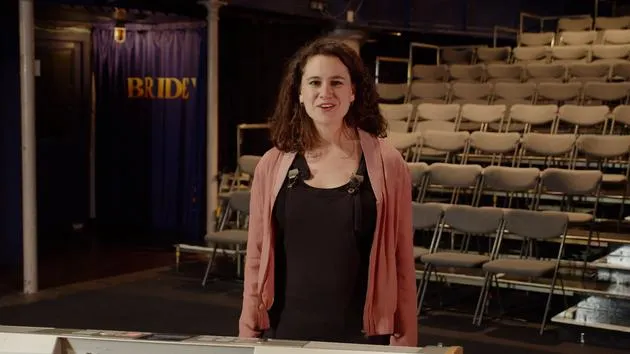
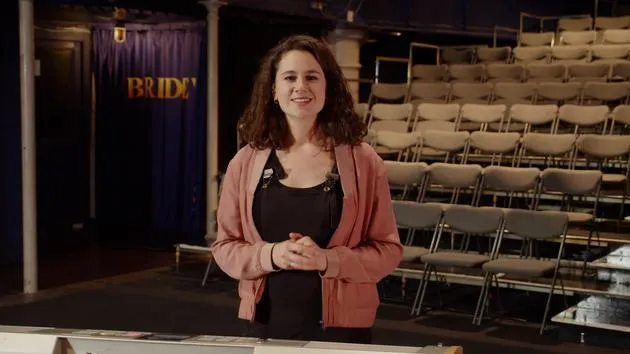
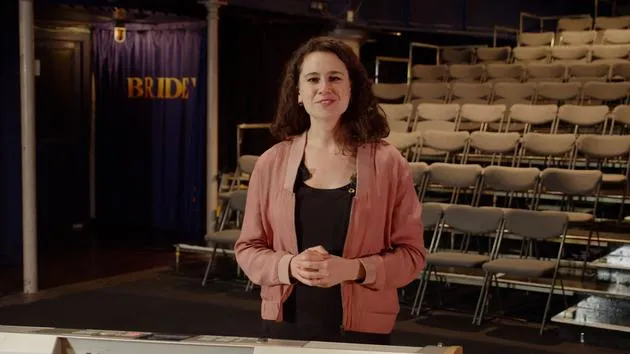
Transcription de la leçon
Understanding Your Voice in Musical Theatre
One of the questions that I get asked over and over is, "What voice do I use?"
What is Your Voice?
In musical theatre, there are so many genres within genres. Let's consider various styles, from Six the Musical to Les Mis?rables, from your favorite Disney shows to Phantom of the Opera.
As a musical theatre performer, you need to have the agility to be adaptable, to be able to sing everything, or at least maximize your chances of getting work. The aim is to do as many things as possible!
Changing Your Voice Through Mimicry
Today, we're going to explore how you can change your voice using a simple method: mimicry.
Instead of diving deep into technical details like tongue placement, jaw position, or breathing techniques, let's focus on embodying some well-known genres within musical theatre and see how that affects your voice.
Exercise: A Phrase from Chicago
We'll start with a phrase from the musical Chicago, which has a very distinct style.
Let's make it gender-neutral and use the following phrase:
"They had it coming, they had it coming, they had it coming all along."
You can try that now once more with me:
"They had it coming, they had it coming, they had it coming all along."
Is that the right words? Yes, I think so.
Exploring Genre Characteristics
Now, think about that genre. See if you can make your voice sound a little deeper.
- From your guts:
- One, two, three, go.
- "They had it coming, they had it coming, they had it coming all along."
Next, let's adapt our voices using techniques from another common genre within musical theatre.
Exercise: Disney and Modern Musicals
For this part, I want you to draw from your Disney knowledge, and perhaps a bit of Dear Evan Hansen or Jason Robert Brown. I want you to really mean what you're saying.
"They really did have it coming."
- Use all those consonants and maybe elongate the vowels.
Let's put the music down for a moment, and play around with making this phrase sound a bit more like it's from a modern musical.
Try it out:
"They had it coming, they had it coming, really mean it. They only had themselves to blame."
Adding Naturalism
You can really play around with that naturalism. Maybe try telling them they did have it coming:
- Two, three:
- "They had it coming. Tell them they had it coming."
- "Hit the words: They only had themselves to blame."
Exploring Les Mis?rables Influence
Now let's delve deeper into more musical theatre drama by taking ourselves into Les Mis?rables territory. Here, we'll get a little more operatic and open up the vowels even more:
- Play around with this:
- "They had it coming, they had it coming, they only had themselves to blame."
- This could bring some Fantine energy into your performance.
Again, make it dramatic:
"They had it coming. Do you hear the people saying?"
"They had it coming, and they only had themselves to blame."
Transitioning Back to Modern Musical Styles
Let's now circle back to a more modern musical vibe, perhaps something like Six the Musical. Here's how you might express the phrase:
- Let's try together:
- "They had it coming, they had it coming, they only had themselves to blame. If you'd have been there, if you'd have seen it, I wish that you would have done the same."
Remember, I am not a riffer, just having some fun.
The Importance of Practice and Play
Part of practice is play, not trying to be perfect. Take the bits that worked for you:
- Maybe the riffing freed up some of your voice.
- Perhaps Les Mis found you some guts and depth.
- Maybe Disney or Dear Evan Hansen helped you with clarity or with getting rid of breathiness.
Enjoy exploring! Go away, play with all the different genres, and have fun with your voice!
18 leçons
1h 25m de leçons vidéo structurées
Fonctions vidéo avancées
Ralentissez, bouclez un passage, suivez la partition
Mobile, tablette et ordinateur
Pratiquez où vous voulez
Satisfaction garantie à 100 %
Garantie remboursement 30 jours
Rencontrez votre guru
Rencontrez votre guru
Rachel Lynes travaille avec des chanteurs allant des artistes de studio aux interprètes du West End. Elle étudie la voix depuis plus de 20 ans, avec un accent particulier sur le lien entre le chant, la santé mentale et le bien-être. Comme interprète, elle a passé 10 ans à tenir des rôles principaux dans le West End et à l'international, travaillant avec tout le monde, d'Andrew Lloyd Webber à des créatifs récompensés aux Tony et Olivier Awards.
Affectueusement surnommée « la murmureuse de voix » par les chanteurs qu'elle accompagne, l'approche de Rachel est rigoureusement technique tout en restant accessible, alliant la science au cœur.
Elle est aussi la fondatrice et la coach de the Sing Space, un studio en ligne mondial ouvert aux chanteurs de tous niveaux et abritant le premier Vocal Gym™ au monde, qui propose des cours collectifs, des cours de chant individuels et des occasions exclusives de se produire devant certains des créatifs les plus en vue du secteur, dont des directeurs de casting, des metteurs en scène, des producteurs et des stars du West End.
Dans son cours MusicGurus, Rachel applique cette même méthode technique mais humaine au chant de comédie musicale, en te guidant à travers les techniques mêmes qu'elle utilise avec les interprètes du West End.







