



Tension de la mâchoire

Avec
Rachel LynesRachel Lynes s'attaque à la tension de la mâchoire : pourquoi elle bride le larynx, et un exercice simple de serrer-relâcher pour trouver une mâchoire détendue et libre pour chanter.
Le contenu du cours
18 leçons (1h 25min) · 1 gratuites
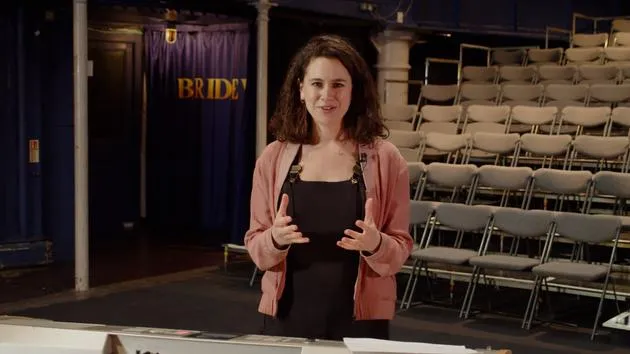
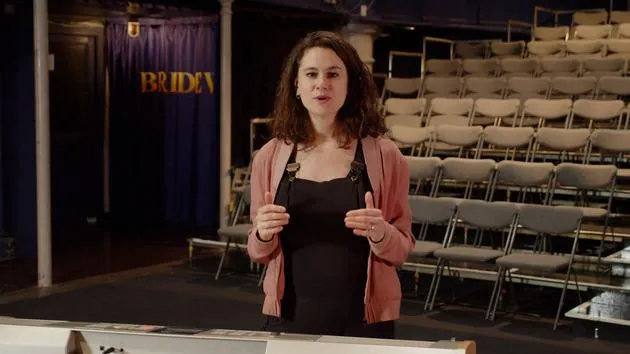
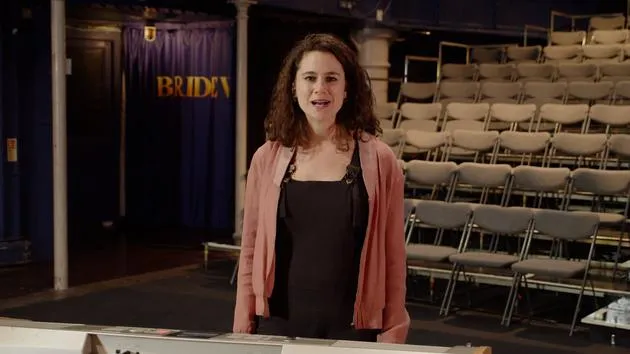
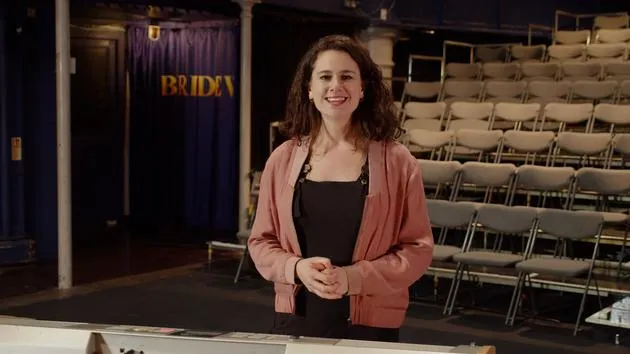
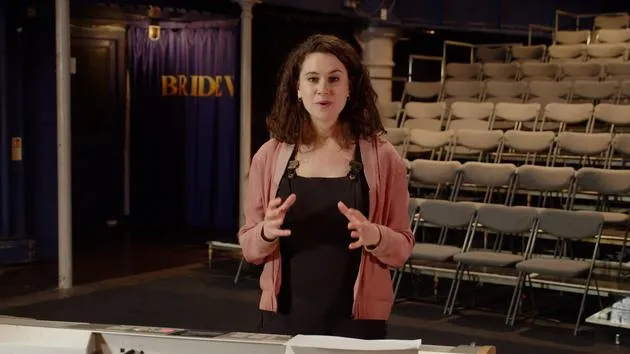
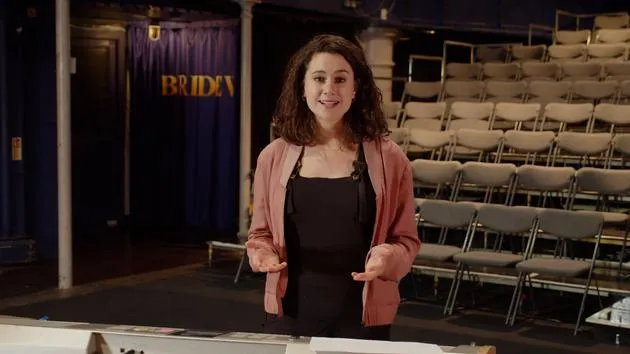
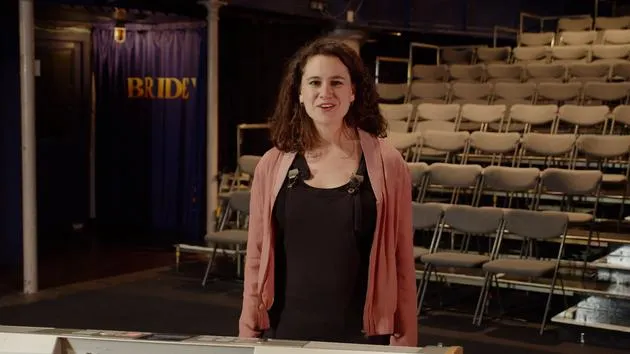
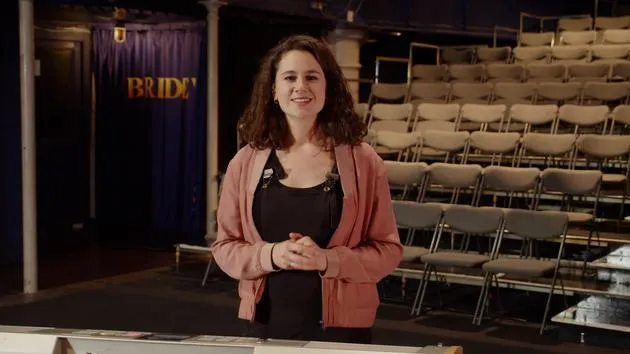
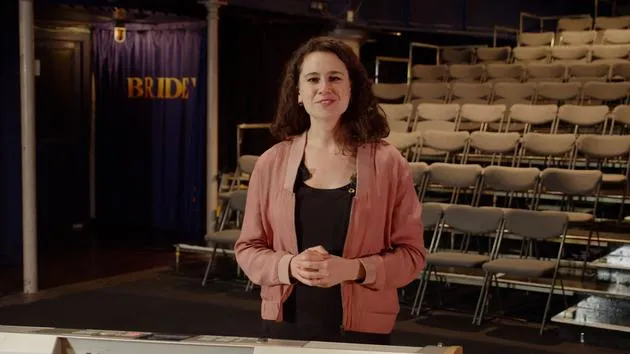
Transcription de la leçon
Understanding Jaw Tension in Singing
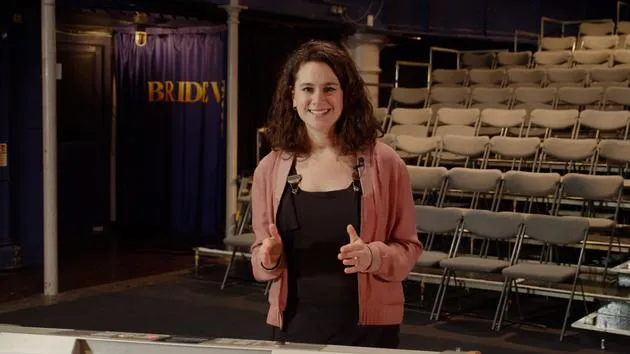
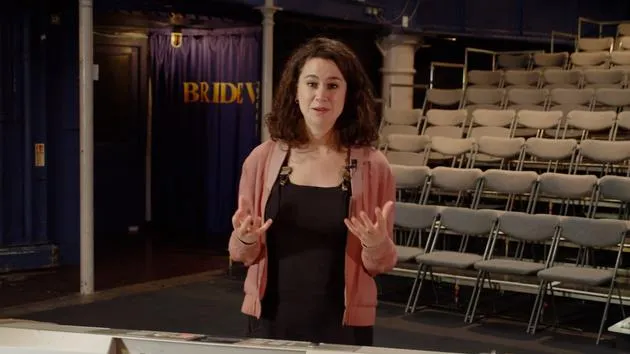
I want to take a moment now to talk about jaw tension with you. This is a topic very dear to my heart. If I grant singers one wish, I think it would be to remove all jaw tension. Why? Just because so many of the muscles that surround your instrument, your larynx, connect to the jaw.
Experiencing Jaw Tension
So before we start, let's see if we can just go do what we don't want to do.
-
Clench Your Jaw:
- Have a nice clench here.
- Refill that bulging, that bulging.
- Feel those bitey muscles here clenching.
-
Notice the Effect on Your Voice:
- It's not going to look good.
- Actually, your jaw muscles are not just here; they're everywhere.
- Even up here, if you clench, can you feel your temples going?
Finding Relaxation
Now, I want you to do the opposite:
- Open Wide:
- Aha!
- Then clench again.
- And then open really wide.
- Clench again.
Next, find a place that is in between:
- Let go of your clench but haven't started to open up yet.
- You can see I'm just kind of stroking downwards through the muscle fibers, just relaxing things.
Imagine closing your eyes as if you've just fallen asleep on the train, and your jaw has just dropped into that nice release position.
Freeing the Larynx
We want to do this so that your larynx is free to move as it wants to move. Thus, we want to get the jaw out of the equation.
Gentle Singing Exercise
We're going to have a play around with a nice, gentle exercise:
- You are going to sing "oh no".
- Keep your face nice and neutral as if you're not singing.
- Pretend like you're not singing.
Try this:
- "O no, Oh no."
That's much too low! Let's take it up and just try again. Keep your face really still.
Optional: Look in the mirror if you want. The aim is not to freeze anything; it's to sing in a really bored way.
- You can have bored eyes as well.
- Sing: "Oh no, oh no."
- Stay nice and relaxed.
Sighing and Moving
We just want to chill out here:
- "Oh no, oh no."
On that first note, don't feel the urge to do. Just sigh it out like we did in the warm-up:
- One, two, three ? "Oh no, oh no."
Moving up, stay nice and bored:
- "I'm so bored? Oh no, oh no."
As the urge to do starts to come, I want you to wiggle it around:
- "O no, oh no."
You might feel like you want to do something since it's getting higher. So keep it moving.
Final One:
- "Oh no, oh no."
That's it! You can try this with your song, using your lyrics. You'll see that you can still sound pretty normal when you move your jaw around.
Remember: The jaw is not making the sound; the jaw is just shaping the sound.
18 leçons
1h 25m de leçons vidéo structurées
Fonctions vidéo avancées
Ralentissez, bouclez un passage, suivez la partition
Mobile, tablette et ordinateur
Pratiquez où vous voulez
Satisfaction garantie à 100 %
Garantie remboursement 30 jours
Rencontrez votre guru
Rencontrez votre guru
Rachel Lynes travaille avec des chanteurs allant des artistes de studio aux interprètes du West End. Elle étudie la voix depuis plus de 20 ans, avec un accent particulier sur le lien entre le chant, la santé mentale et le bien-être. Comme interprète, elle a passé 10 ans à tenir des rôles principaux dans le West End et à l'international, travaillant avec tout le monde, d'Andrew Lloyd Webber à des créatifs récompensés aux Tony et Olivier Awards.
Affectueusement surnommée « la murmureuse de voix » par les chanteurs qu'elle accompagne, l'approche de Rachel est rigoureusement technique tout en restant accessible, alliant la science au cœur.
Elle est aussi la fondatrice et la coach de the Sing Space, un studio en ligne mondial ouvert aux chanteurs de tous niveaux et abritant le premier Vocal Gym™ au monde, qui propose des cours collectifs, des cours de chant individuels et des occasions exclusives de se produire devant certains des créatifs les plus en vue du secteur, dont des directeurs de casting, des metteurs en scène, des producteurs et des stars du West End.
Dans son cours MusicGurus, Rachel applique cette même méthode technique mais humaine au chant de comédie musicale, en te guidant à travers les techniques mêmes qu'elle utilise avec les interprètes du West End.







