



Comment transmettre l'histoire
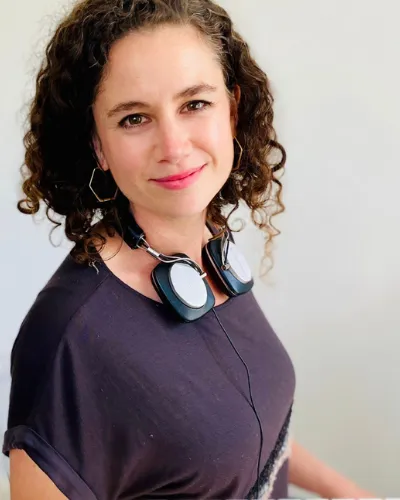
Avec
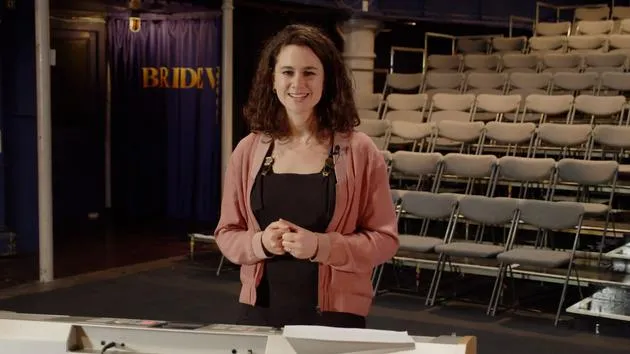
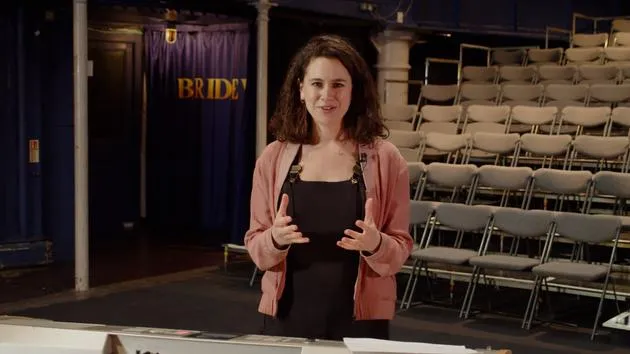
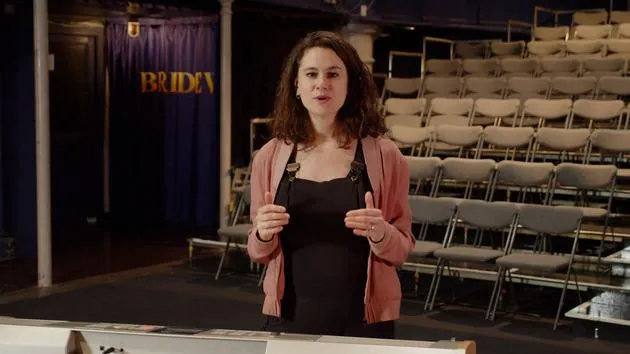
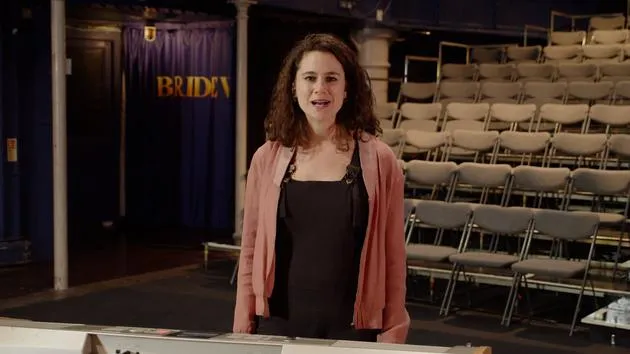
Rachel LynesRachel Lynes te montre comment dire d'abord ta chanson comme un monologue, en utilisant 'She Used To Be Mine' pour trouver de l'urgence et des couleurs nouvelles avant de la chanter.
Le contenu du cours
18 leçons (1h 25min) · 1 gratuites
Transcription de la leçon
Exploring Your Song through Monologue
So, when removing the music from your song and speaking it as a monologue, the important thing is to play. Even if you don't use the parts that you discover from this play, when you perform your song, you'll still find new colors that change the way that you perform it.
Exercise 1: Urgency
For an example, I'm going to use the first verse of "She Used To Be Mine."
I want you to try it first of all, and you're going to have to keep pressing pause as you go along here so you can give yourself some space.
Instructions:
-
Pace with Urgency:
- Imagine you're talking to yourself, pacing.
- Move around as if you need to come up with a decision urgently, as if someone in the next room is asking you something you need to figure out.
-
Phrase to Express Urgency:
- As you say, "It's not simple to say that some days I don't recognize me," do so while you're trying to figure it out.
- Reflect on these lines: "The shoes, the table, this place, these things have taken more than I gave them."
- Think about someone indicating that something's about to happen.
Reflection:
- How does that change your breath?
- How does it affect your body?
- What does that mean if you have to urgently figure it out?
Press pause and have a go. Come back when you've done that.
Exercise 2: Talking to a Therapist
Your next challenge is to do the lyrics as if you're talking to a therapist, maybe one you don't really want to talk to, so you might feel a bit defensive.
Instructions:
-
Adopt a Defensive Tone:
- Try it from this angle: "Look, it's not simple to say..."
- Convey feelings of embarrassment or discomfort, as in, "Yeah, whatever, I don't recognize me."
-
Feel Free to Adapt:
- You can adjust the words if you want, so don't feel like you have to stick with absolutely what's written.
- If your song has a lot of rhymes and it feels a bit silly, play around with phrasing to make it feel more natural.
Reflection:
- Sit yourself down and observe how your body language changes when speaking to a guarded therapist trying to get you to open up.
- Have a little play around with this and come back once done.
Exercise 3: Introspection
For the third task, remove any external pressures, and take yourself into a place of introspection.
Instructions:
-
Create a Safe Space:
- Take your song again; don't worry about trying to communicate it to anyone else.
- Whisper it to yourself, drawing your knees up to your chest, wrapping your arms around yourself.
-
Personal Exploration:
- Allow yourself to have this very truthful moment with your song.
- Notice how this changes your expression of the song, free from external judgment.
Reflection:
- Before pressing pause, remember these scenarios are just starting points.
- Play around with other scenarios:
- Talking to your best mate over a glass of wine.
- Shouting the lyrics at someone to make them hear.
When you find a scenario that resonates and evokes strong feelings, take that energy and go sing your song again. Notice how it changes!
18 leçons
1h 25m de leçons vidéo structurées
Fonctions vidéo avancées
Ralentissez, bouclez un passage, suivez la partition
Mobile, tablette et ordinateur
Pratiquez où vous voulez
Satisfaction garantie à 100 %
Garantie remboursement 30 jours
Rencontrez votre guru
Rencontrez votre guru
Rachel Lynes travaille avec des chanteurs allant des artistes de studio aux interprètes du West End. Elle étudie la voix depuis plus de 20 ans, avec un accent particulier sur le lien entre le chant, la santé mentale et le bien-être. Comme interprète, elle a passé 10 ans à tenir des rôles principaux dans le West End et à l'international, travaillant avec tout le monde, d'Andrew Lloyd Webber à des créatifs récompensés aux Tony et Olivier Awards.
Affectueusement surnommée « la murmureuse de voix » par les chanteurs qu'elle accompagne, l'approche de Rachel est rigoureusement technique tout en restant accessible, alliant la science au cœur.
Elle est aussi la fondatrice et la coach de the Sing Space, un studio en ligne mondial ouvert aux chanteurs de tous niveaux et abritant le premier Vocal Gym™ au monde, qui propose des cours collectifs, des cours de chant individuels et des occasions exclusives de se produire devant certains des créatifs les plus en vue du secteur, dont des directeurs de casting, des metteurs en scène, des producteurs et des stars du West End.
Dans son cours MusicGurus, Rachel applique cette même méthode technique mais humaine au chant de comédie musicale, en te guidant à travers les techniques mêmes qu'elle utilise avec les interprètes du West End.







