



Sons primaires

Avec
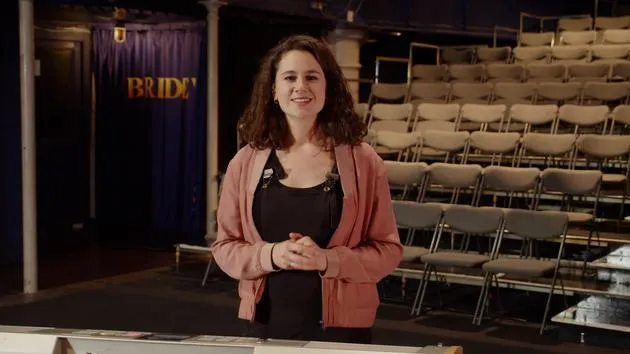
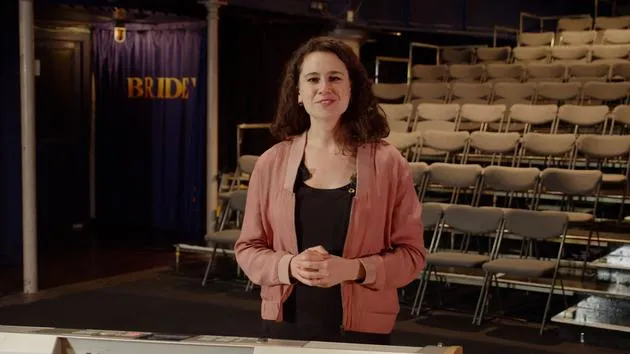
Rachel LynesRachel Lynes montre comment les « sons primaires » du quotidien peuvent servir de raccourcis vers une meilleure technique vocale, en utilisant une phrase de « Jesus Christ Superstar » pour libérer ta mâchoire, ta respiration et ton timbre.

Le contenu du cours
18 leçons (1h 25min) · 1 gratuites
Transcription de la leçon
Music Lesson: Engaging Your Voice with Primal Sounds
So I mentioned earlier how using primal sounds or sounds that we use daily to communicate with the world around us can really help with our singing technique. In fact, they can work as shortcuts.
Understanding the Technique
Instead of me standing here and saying, "relax your jaw, put your tongue here, do this with your breath, feel the sound here," I can say, "Hey, what if we use a sound that you're already doing? How does that engage your technique and change the tone of your voice?"
Example Phrase
We're going to use a phrase from a well-known musical theatre song, Jesus Christ Superstar:
"I don't know how to love him."
But we're going to make it gender neutral:
"I don't know how to love them."
You can replace it with anything you want, like "What to do, how to move them."
The Sound Game
We're going to play a game now by using three sounds that you probably commonly use throughout your day and see how that changes the sound of your voice and connects you more to your body and the song.
1. The Frustrated "Oh"
The first sound we're going to use is a kind of frustrated "Oh."
- You can hear it's got a definitive "Oh."
- It's not a breathy sound, meaning you have good vocal closure.
Let's try a whiny version, like a toddler saying:
"Oh, I want an ice cream. Oh, please."
Now, let's see how that changes the phrase:
"I don't know how to love them."
Did it feel easier? Did it feel harder?
- If it felt easier, ask yourself why and use more of that to help yourself.
- If it felt harder, ask yourself why. Always ask yourself why.
2. The Commanding "No"
So this is my favorite. This sound can be transformative for singers: "No."
Use it firmly:
"No, no, no, no, no."
- You're really telling someone to back off.
- I want you to use your hands here as well while you say it.
Try a few of those:
"No, no, no."
Now, let's try it on the same phrase. Ready?
"I don't know how to love them."
As if you're saying "No."
Did it feel good? What did you like about it?
3. The Calling Out "Hey"
For our last sound, we'll use "Hey." This is more of our calling out sound:
"Hey, hey, hey there."
- This engages even more body connection into your singing and energizes it, useful as we approach those big belty notes.
Let's wave our hands as we do this, getting rid of any tension. Ready?
"Hey, hey, hey, hey, hey!"
Does that feel easier? Why?
Now let's sing the actual words while still waving your arms:
"I don't know how to love them. What to do? Hey. How to move them."
Reflection and Practice
How did that feel? Now you can take some time to try those sounds. You can apply them to your own songs to see how they help or hinder.
Final Thoughts
Ask yourself why each time. You might find that:
- The "Oh" works really well for the middle of your voice and quieter notes.
- The "Hey" is great for your big notes.
- The "No, no, no" gives you warmth in your lower notes.
Enjoy experimenting, and feel free to use your own sounds!
18 leçons
1h 25m de leçons vidéo structurées
Fonctions vidéo avancées
Ralentissez, bouclez un passage, suivez la partition
Mobile, tablette et ordinateur
Pratiquez où vous voulez
Satisfaction garantie à 100 %
Garantie remboursement 30 jours
Rencontrez votre guru
Rencontrez votre guru
Rachel Lynes travaille avec des chanteurs allant des artistes de studio aux interprètes du West End. Elle étudie la voix depuis plus de 20 ans, avec un accent particulier sur le lien entre le chant, la santé mentale et le bien-être. Comme interprète, elle a passé 10 ans à tenir des rôles principaux dans le West End et à l'international, travaillant avec tout le monde, d'Andrew Lloyd Webber à des créatifs récompensés aux Tony et Olivier Awards.
Affectueusement surnommée « la murmureuse de voix » par les chanteurs qu'elle accompagne, l'approche de Rachel est rigoureusement technique tout en restant accessible, alliant la science au cœur.
Elle est aussi la fondatrice et la coach de the Sing Space, un studio en ligne mondial ouvert aux chanteurs de tous niveaux et abritant le premier Vocal Gym™ au monde, qui propose des cours collectifs, des cours de chant individuels et des occasions exclusives de se produire devant certains des créatifs les plus en vue du secteur, dont des directeurs de casting, des metteurs en scène, des producteurs et des stars du West End.
Dans son cours MusicGurus, Rachel applique cette même méthode technique mais humaine au chant de comédie musicale, en te guidant à travers les techniques mêmes qu'elle utilise avec les interprètes du West End.







