



Notes longues

Avec
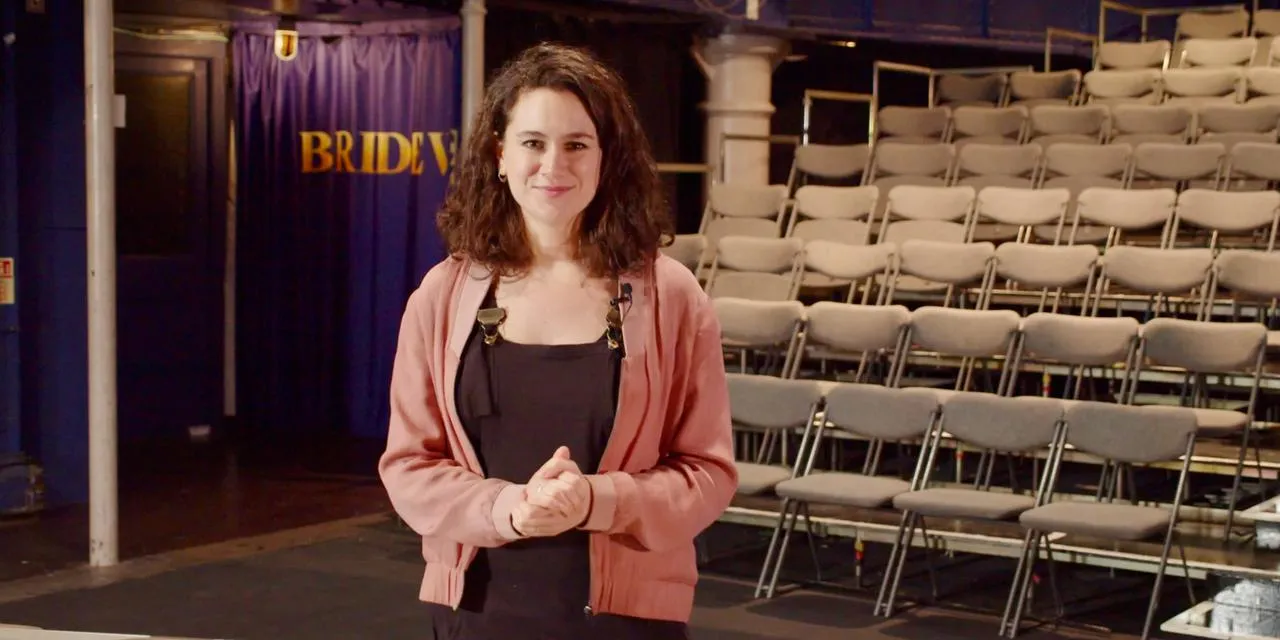
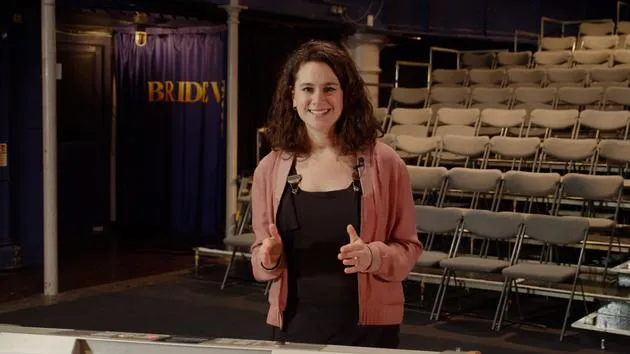
Rachel LynesRachel Lynes montre comment garder une note longue vivante — en laissant le timbre et le souffle continuer à bouger — à travers 'She Used to Be Mine' de Waitress.
Le contenu du cours
18 leçons (1h 25min) · 1 gratuites
Transcription de la leçon
Keeping Long Notes Alive
So, we've looked at some of your big notes. Now, let's have a look at the long notes, or how we can keep a long note alive. Because a note is not something you place and fix; it is something that is alive and ever-changing.
The Nature of Sound
- Tone is growing
- Breath is moving
- Sound is vibrations
You are constantly evolving through any long notes. So, let's have a look at what that means by using one of the longest notes in any musical theatre song at the moment, which is "She Used to Be Mine" from Waitress.
Now, again, we can keep this gender-neutral: you can go for "they used to be mine" or "he used to be mine."
Practicing the Long Note
The phrase we're going to focus on is:
"I'll keep it on, she just..."
This is a part that I love, so I'm going to keep this in character right now. But you can do whatever you want when you're practicing at home.
Let's try:
"She's been gone but used to be mine."
I mean, that's a long note, isn't it? We've got "mine" , that's a really long note!
Tips for Sustaining Long Notes
So, what are we going to do? To not freak out, I'm going to give you three tips that I find really useful:
-
Pulse It
- We don't feel like when you've put that note out there, it's done.
- We want to stay with it.
I want you to add a pulse into it. Let's do this together:
"She's been gone but used to be mine."
And I want you to really over-pulse it.Try again:
"She's been gone but used to be mine."
Overdo it! Really keep it pulsing. Good!Now, when you do it again, keep a mini version of that pulse in there. We don't need to hear it, just keep the echo of it inside your head so you can feel that pulse going. Think of it as a pulse of tone, a growth of tone to keep the note alive.
-
Find the Pulse in Your Body
- Remember, we're in 3/4 time:
- 1, 2, 3 (Used to be)
- 1, 2, 3 (1, 2, 3)
It's a heavy beat on 1, 2, and then 3. Find that in your body now. Look for a movement that has its own momentum. You could:
- Move from one leg to another
- Shift your body around
- Use your hands
The more you can do it, the better.
Try again:
"She's been gone but used to be mine."
Press pause, have a go. Maybe try a bigger note there. Keep it going to the end. Resist the urge to fix it! - Remember, we're in 3/4 time:
-
Keep Breathing Out to the End of the Note
- People forget , and I forget , to stay mindful and present to the end of a note.
This time, breathe out at the end of the note. Aim for there to be more breath left. I know this seems opposite to what we're trying to do, but actually, breathing out will help you.
Let's go again:
"She's been gone but used to be mine."
Did that help by giving your attention just one step further?
Final Thoughts
You can keep playing with all of these tips at home. Try them on your own songs and with your big notes. This was the longest note that I could think of in any song, so don't worry if you couldn't do this one. Just build yourself up in stages!
18 leçons
1h 25m de leçons vidéo structurées
Fonctions vidéo avancées
Ralentissez, bouclez un passage, suivez la partition
Mobile, tablette et ordinateur
Pratiquez où vous voulez
Satisfaction garantie à 100 %
Garantie remboursement 30 jours
Rencontrez votre guru
Rencontrez votre guru
Rachel Lynes travaille avec des chanteurs allant des artistes de studio aux interprètes du West End. Elle étudie la voix depuis plus de 20 ans, avec un accent particulier sur le lien entre le chant, la santé mentale et le bien-être. Comme interprète, elle a passé 10 ans à tenir des rôles principaux dans le West End et à l'international, travaillant avec tout le monde, d'Andrew Lloyd Webber à des créatifs récompensés aux Tony et Olivier Awards.
Affectueusement surnommée « la murmureuse de voix » par les chanteurs qu'elle accompagne, l'approche de Rachel est rigoureusement technique tout en restant accessible, alliant la science au cœur.
Elle est aussi la fondatrice et la coach de the Sing Space, un studio en ligne mondial ouvert aux chanteurs de tous niveaux et abritant le premier Vocal Gym™ au monde, qui propose des cours collectifs, des cours de chant individuels et des occasions exclusives de se produire devant certains des créatifs les plus en vue du secteur, dont des directeurs de casting, des metteurs en scène, des producteurs et des stars du West End.
Dans son cours MusicGurus, Rachel applique cette même méthode technique mais humaine au chant de comédie musicale, en te guidant à travers les techniques mêmes qu'elle utilise avec les interprètes du West End.







