



Atteindre les notes aiguës - partie 2

Avec
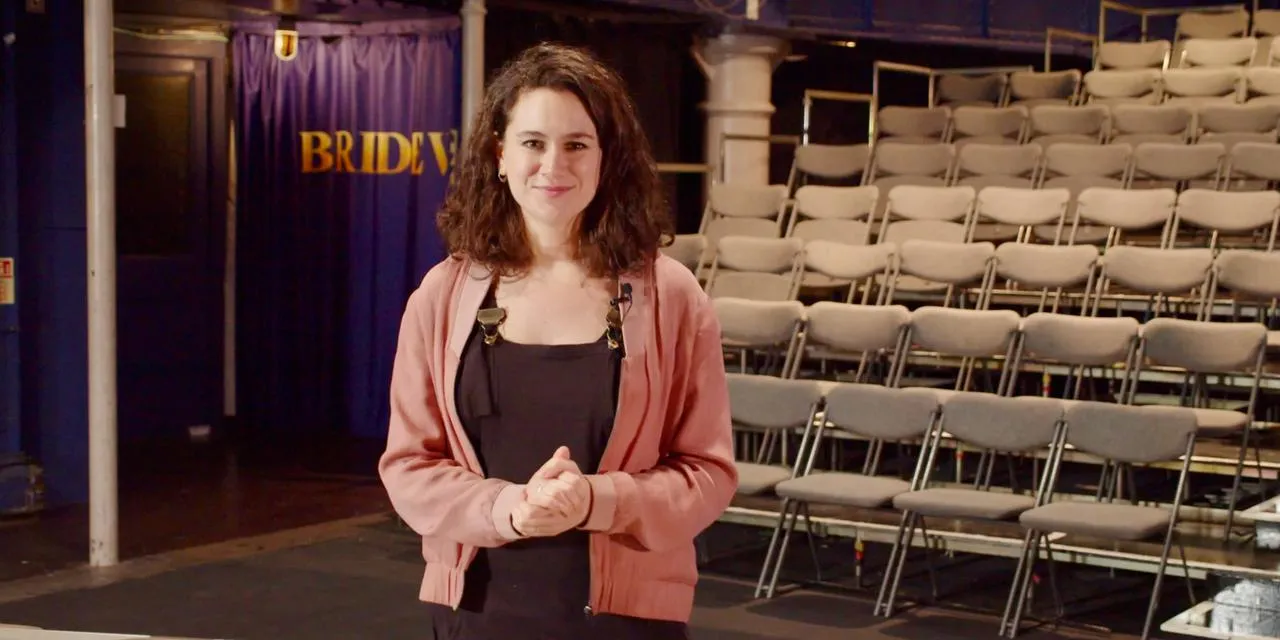
Rachel LynesRachel Lynes montre comment transposer les exercices « hey » et « yeah » dans une vraie chanson, en utilisant une phrase en belt aigu de « There Are Worse Things I Could Do » dans Grease.
Le contenu du cours
18 leçons (1h 25min) · 1 gratuites
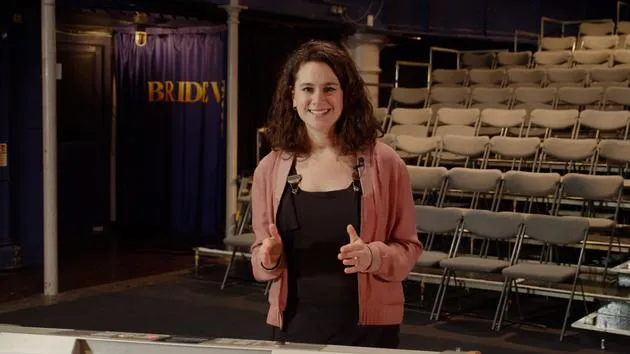
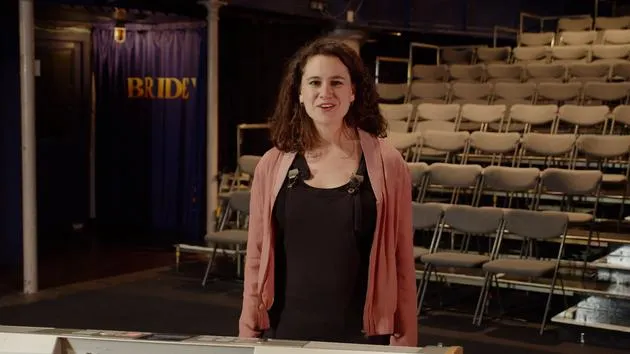
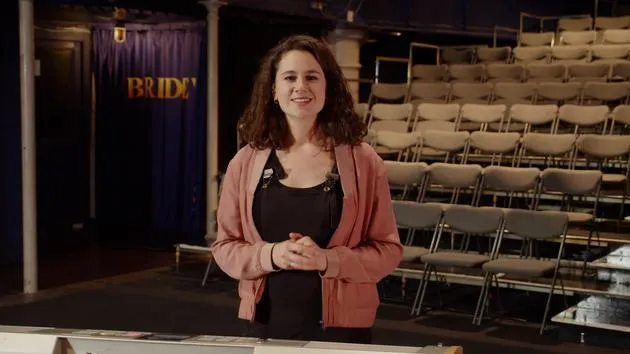
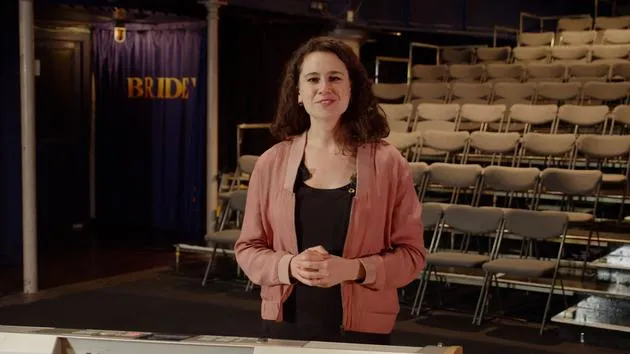
Transcription de la leçon
Music Lesson: Incorporating Hey's and Yeah's into Song
And now we're going to take the hey's and the yeah's that you've been practicing, and we're going to put them in a song.
Introduction to the Phrase
Like your other lessons, I wanted to choose a phrase from a common musical. This time, it's from Grease , "The Worst Things I Could Do."
The Chosen Phrase
We'll be using the phrase:
"I could stay home every night, wait around for Mr. Right."
Okay? So just have a bit of fun and see how this feels in your voice.
Try Singing the Phrase
So, when you try:
"I could stay home every night, wait around for Mr. Right."
Reflect on Your Experience
See how that felt. Ask yourself some questions:
- Did that feel easy? Fabulous.
- Did it feel a bit tight?
Yeah, it's really high. It's a big, high belt. I mean, there are higher belts, but this is, you know, substantial. So be kind to yourself. You may want to take it down.
Adding the Hey's and Yeah's
But first, I'm going to try seeing what happens if we add the hey's and the yeah's. See how that feels.
Remember: The hey engages your body, engages the breath, lifts the back of the tongue, opens up the vowels, and creates more acoustic space. It also relaxes the jaw.
Building Up the Key
Let's try again. This time, I'm not going to go in straight on the original key. We're going to build up.
- Starting with: "I could stay home."
- Then taking it up higher and see if by the time we get back to the original key, you're feeling a bit better.
Count In
So we're going to start with:
Hey, hey, hey, hey, hey, hey, hey, hey, hey, hey, hey, hey, hey.
Feeling nice? I'm going to count you in, and we're going to use your hey's and yeah's again. Use them in any combination that you want to.
Counting in:
1, 2 , and it's going to be:
Hey, yeah, yeah.
- 1, 2, hey, yeah, yeah, yeah, yeah, yeah.
- Yeah, yeah, yeah, yeah, hey, yeah, yeah, yeah, yeah, yeah, yeah.
Feeling comfortable? Feel how it feels so open that the ha gets the breath. Ready? Connect with your body.
Going Higher
Let's take it up again:
1, 2, again. Hey, yeah, yeah. Let's get a bit higher.
- And we go: 1, 2, hey, yeah, yeah, yeah.
- Hey, yeah, yeah, hey, hey, yeah, yeah, hey, hey, yay.
Choosing to Take a Break
If you want to go up one more, go for it! If you don't, at any point, press pause where you're at, and just keep trying the hey's and yeah's.
- If you don't like the hey, try the yeah.
- If you don't like the yeah, try the hey.
Returning to the Original Key
Let's go up to the original key now.
Counting in:
1, 2
"I could stay on hey, yeah."
Now when we go: 1, 2, hey.
- Yeah, yeah, yeah, yeah.
- Hey, yeah, yeah.
- Hey, yay, yay, yay.
- Hey, yeah.
Concluding Thoughts
How did that feel?
Alright, I hope you enjoyed that.
Important Notes on Belting
It is fun to belt, but just always be really aware that belting should feel good. It's not about straining or pushing.
- It's about feeling open.
- It should feel pleasurable.
- It should feel connected.
- It should feel nice.
Also, belting is not about shouting. It's actually not a volume thing. You can still aim for tone over volume. It's not about just being loud.
18 leçons
1h 25m de leçons vidéo structurées
Fonctions vidéo avancées
Ralentissez, bouclez un passage, suivez la partition
Mobile, tablette et ordinateur
Pratiquez où vous voulez
Satisfaction garantie à 100 %
Garantie remboursement 30 jours
Rencontrez votre guru
Rencontrez votre guru
Rachel Lynes travaille avec des chanteurs allant des artistes de studio aux interprètes du West End. Elle étudie la voix depuis plus de 20 ans, avec un accent particulier sur le lien entre le chant, la santé mentale et le bien-être. Comme interprète, elle a passé 10 ans à tenir des rôles principaux dans le West End et à l'international, travaillant avec tout le monde, d'Andrew Lloyd Webber à des créatifs récompensés aux Tony et Olivier Awards.
Affectueusement surnommée « la murmureuse de voix » par les chanteurs qu'elle accompagne, l'approche de Rachel est rigoureusement technique tout en restant accessible, alliant la science au cœur.
Elle est aussi la fondatrice et la coach de the Sing Space, un studio en ligne mondial ouvert aux chanteurs de tous niveaux et abritant le premier Vocal Gym™ au monde, qui propose des cours collectifs, des cours de chant individuels et des occasions exclusives de se produire devant certains des créatifs les plus en vue du secteur, dont des directeurs de casting, des metteurs en scène, des producteurs et des stars du West End.
Dans son cours MusicGurus, Rachel applique cette même méthode technique mais humaine au chant de comédie musicale, en te guidant à travers les techniques mêmes qu'elle utilise avec les interprètes du West End.







