



Atteindre les notes aiguës - partie 1

Avec
Rachel LynesLa coach vocale du West End Rachel Lynes présente le belting : comment atteindre les grandes notes aiguës qui donnent leur puissance aux chansons de théâtre musical.
Le contenu du cours
18 leçons (1h 25min) · 1 gratuites
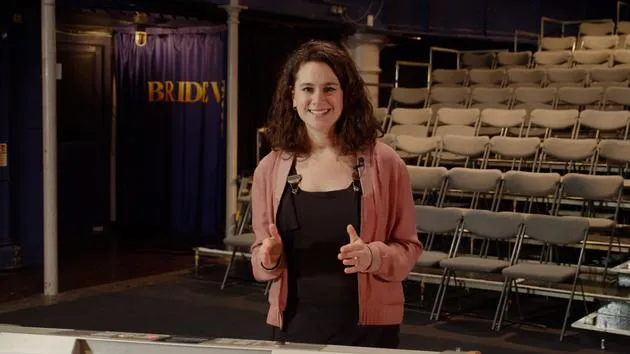
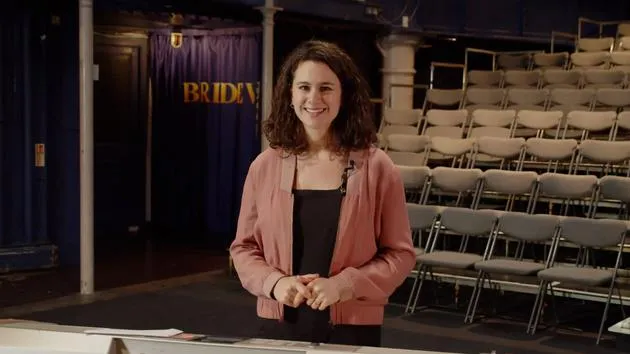
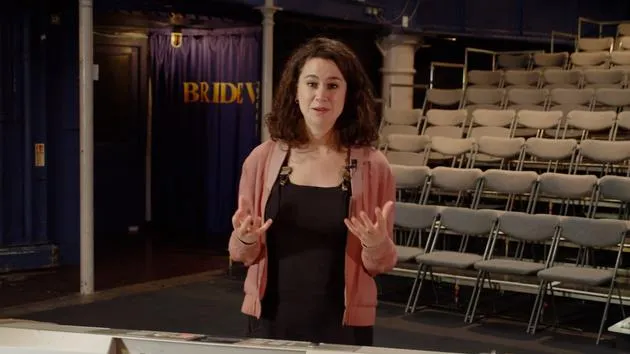
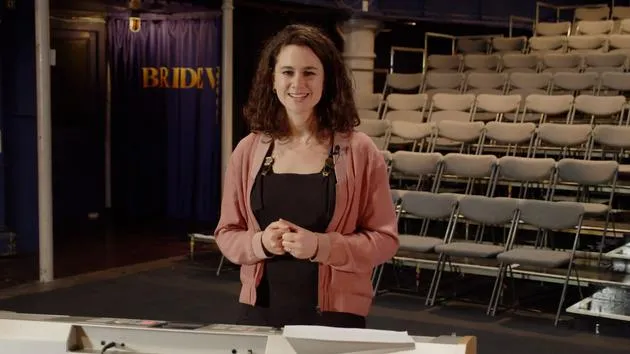
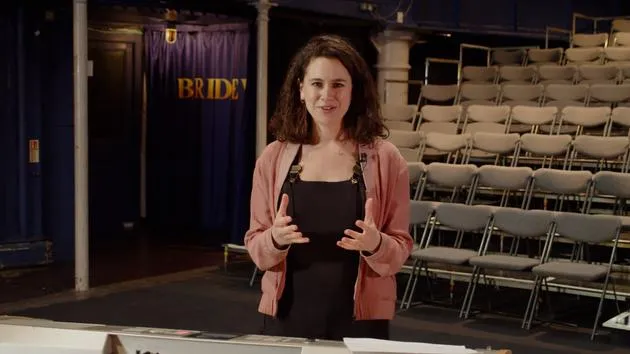
Transcription de la leçon
Music Lesson: Belting for Musical Theatre
In the next two lessons, we are going to look at one of the most common challenges for musical theatre performers: singing big notes, or your belt.
"Now, I think most of you know that I am not talking about that thing that holds up your trousers."
We are talking about those big notes that feature in most musical theatre songs. The ones that have the ability, when you hit them, to make you feel like you are flying and really connect with the audience.
The Power of Belting
There's something about the sound of a belt. It comes back to that primal instinct; it feels very guttural and connected to your emotions. Everything we've done so far is going to come together when we start to talk about belting.
You will likely have been told some things about belting. Maybe you've even been told that there is an equation to a belt: a certain tongue position, larynx position, and something to do with your breath.
Belting is Unique
"Unfortunately, there is no equation. I wish there was."
I can't provide a definitive method for achieving the perfect belt because we are all unique. Our vocal instruments are unique. Your approach to belting will be a combination of:
- What you're born with
- The elasticity of your vocal folds
- The size of your resonator
- The emotions you are feeling
Are you scared? Are you holding your breath? Are you trying too hard? Are you pushing with your jaw while holding your breath?
There's a lot to consider, and while I can't hear you or work with you one-on-one, I will give you some sounds that will help set you up for belting.
Exploring the Sounds: "Hey" and "Yeah"
Today, we will explore two sounds: "hey" and "yeah."
- Start by saying "hey" and "yeah."
- These sounds are effective for many reasons.
Why These Sounds?
We ask "why?" so you can apply what you learn here using the "hey" or "yeah" in your songs.
- The H at the beginning of "hey" engages the body and lifts the back of the tongue.
- The "yay" also lifts the back of the tongue.
- The E in "yeah" is wide and open.
"Think about how these sounds differ from a more closed sound like an O."
You can't really get belty on an "oo," can you?
Practicing the Sounds
Let's play with "hey" and "yeah." I'll share a few tips:
- Think down before you go up.
- Practice with scales using "hey" and "yeah."
For example:
- Scales:
- hey, hey, hey, hey, hey
- hey, yeah, hey, yeah
Feel the sensation in your mouth.
Moving Up the Scale
I want you to bounce up from down as if there's a little knee bend first:
- Start from a lower note, then go up.
Caution: Don't go too high until you're ready. Trying to belt too high before you're prepared is like attempting a backflip before learning a backwards roll; you might hurt yourself!
Remember: Comfort is Key
- Don't get frustrated. You will get there!
- Ensure you feel comfortable before expanding your range.
Fun Fact
Did you know that Idina Menzel, one of the world's greatest belters, has one of the biggest resonators? Her jaw to cheekbone ratio allows her sounds to be more belty. Someone with a smaller resonator might find it challenging to sing the same songs.
Let's Practice Together
Now, let's do some more:
Open your mouth nice and wide, and try:
- hey, hey, hey, hey
- yeah, yeah, yeah, yeah
Feel free to go up as high as you want, but remember to drop back if needed.
You can keep practicing; press pause now and explore the range you're comfortable with, ascending to new heights!
"That was a top E; that's probably where I would feel most comfortable in a song. But you can take it as high as you want!"
18 leçons
1h 25m de leçons vidéo structurées
Fonctions vidéo avancées
Ralentissez, bouclez un passage, suivez la partition
Mobile, tablette et ordinateur
Pratiquez où vous voulez
Satisfaction garantie à 100 %
Garantie remboursement 30 jours
Rencontrez votre guru
Rencontrez votre guru
Rachel Lynes travaille avec des chanteurs allant des artistes de studio aux interprètes du West End. Elle étudie la voix depuis plus de 20 ans, avec un accent particulier sur le lien entre le chant, la santé mentale et le bien-être. Comme interprète, elle a passé 10 ans à tenir des rôles principaux dans le West End et à l'international, travaillant avec tout le monde, d'Andrew Lloyd Webber à des créatifs récompensés aux Tony et Olivier Awards.
Affectueusement surnommée « la murmureuse de voix » par les chanteurs qu'elle accompagne, l'approche de Rachel est rigoureusement technique tout en restant accessible, alliant la science au cœur.
Elle est aussi la fondatrice et la coach de the Sing Space, un studio en ligne mondial ouvert aux chanteurs de tous niveaux et abritant le premier Vocal Gym™ au monde, qui propose des cours collectifs, des cours de chant individuels et des occasions exclusives de se produire devant certains des créatifs les plus en vue du secteur, dont des directeurs de casting, des metteurs en scène, des producteurs et des stars du West End.
Dans son cours MusicGurus, Rachel applique cette même méthode technique mais humaine au chant de comédie musicale, en te guidant à travers les techniques mêmes qu'elle utilise avec les interprètes du West End.







