



Efectos MIDI
Qué incluye el curso
36 lecciones (5h 28m) · 1 gratis
Transcripción de la lección
MIDI Effects Overview
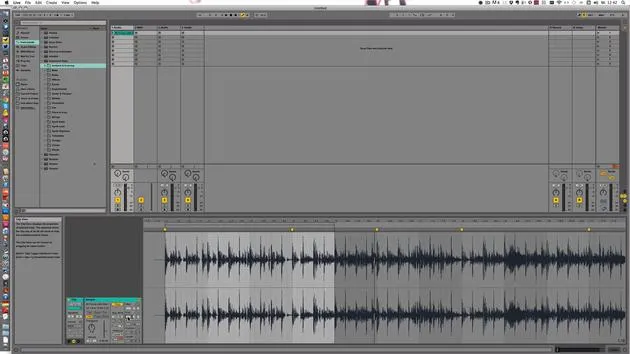
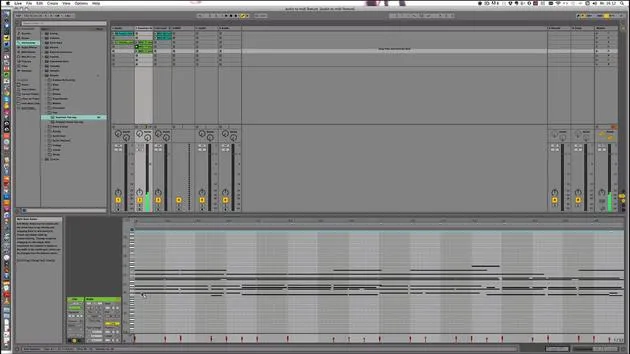
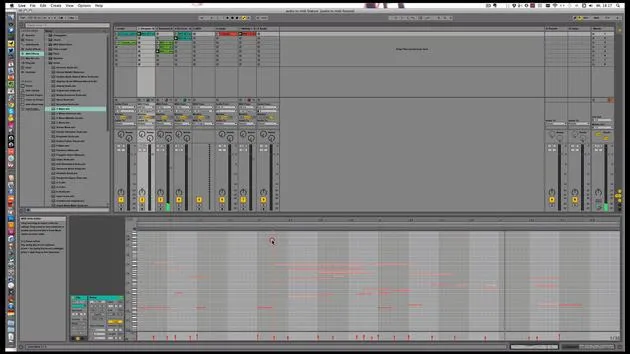
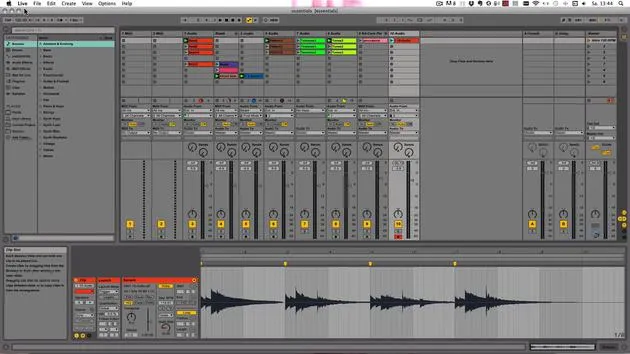
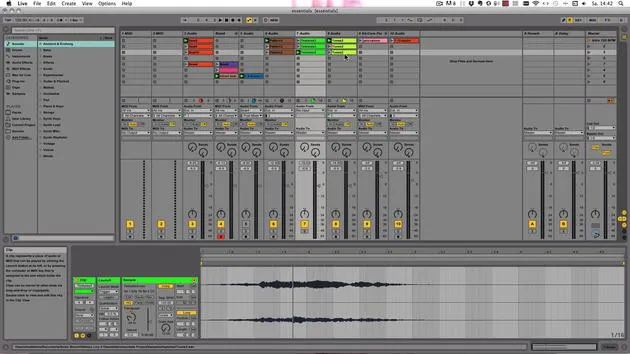
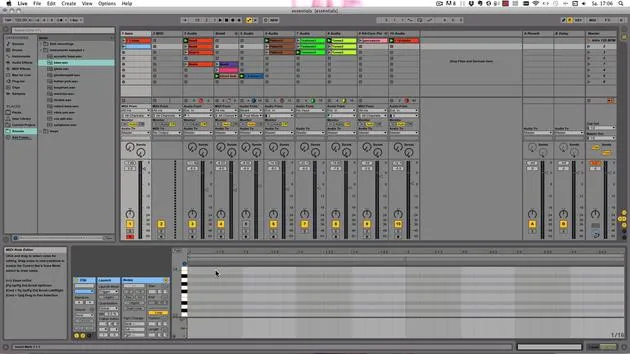
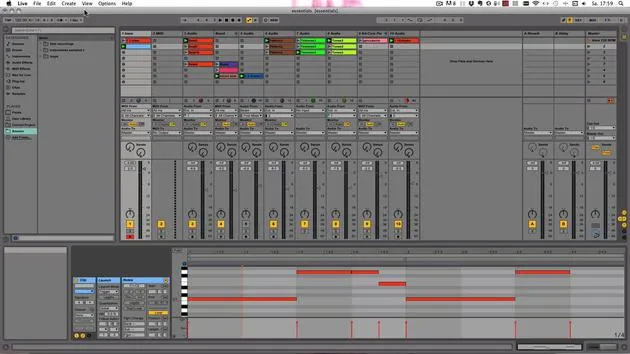
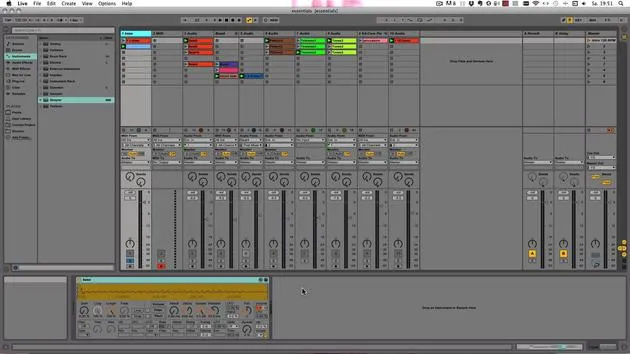
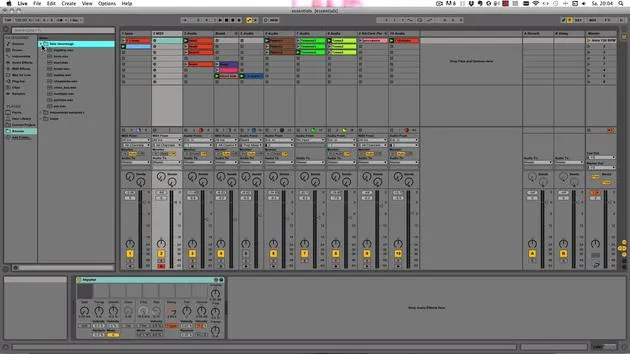
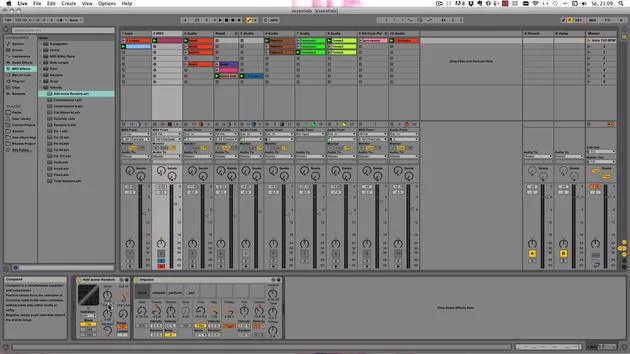
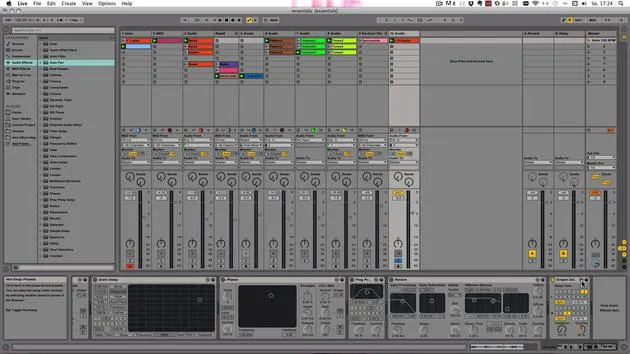
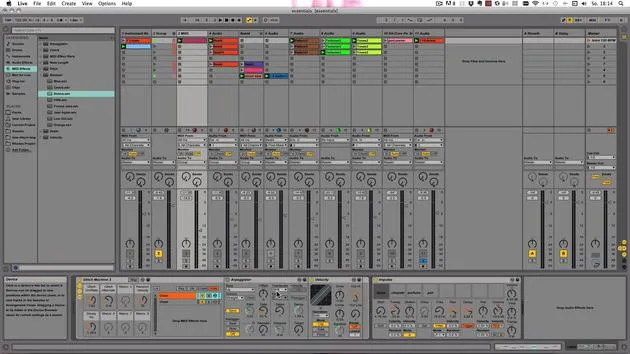
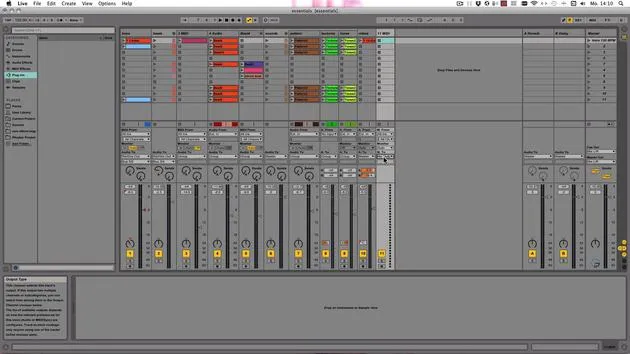
In this video, we'll be talking about MIDI effects. I just want to give you a quick overview and show you how they sound with the bass MIDI track that we created.
Finding MIDI Effects
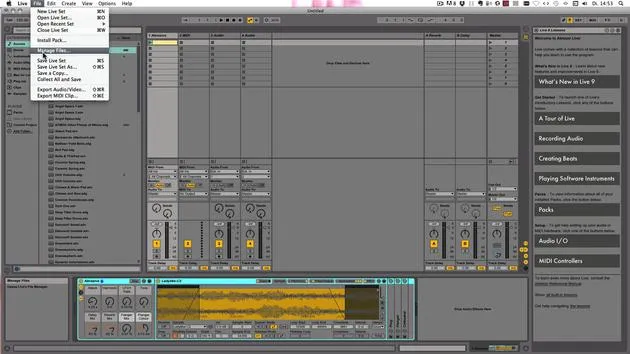
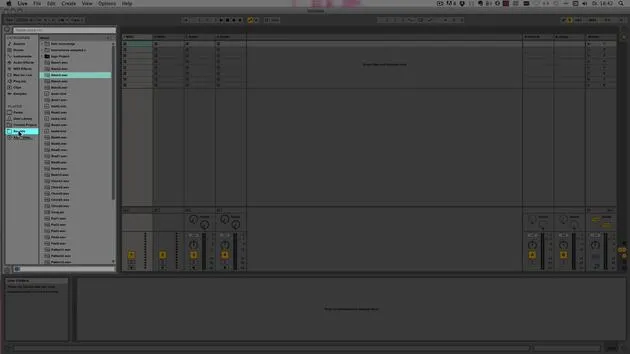
You can find the MIDI effects in the browser under the category MIDI Effects. Let's start by exploring some of them.
1. Arpeggiator
The Arpeggiator plays the held notes or chords as patterns. Here are the most important parameters to know:
- Style: Choose from the drop-down menu; most styles explain themselves.
- Rate: Determines the speed in milliseconds or, in this case, sunt (so we can adjust it in measures or in milliseconds).
- Groove: You can choose to have it straight or swinging.
- Gate: Determines the note length. If it's over 100%, the played notes will overlap.
- Hold: By pressing hold, you can release the keys, and it will keep playing.
You can also use the hot swap button here. Simply go down, press enter, and you can transpose as well.
2. Chord
Next up, we've got the Chord effect, which creates chords from notes depending on the settings. In this case, we have:
- Three octaves up
- Minus 28 semitones down
This allows for additional configurations, such as adding a major chord, among others.
- You have a setting of + or -36 semitones relative to the incoming note.
- You can change the velocity to adjust the volume and timbre.
3. Note Length
The Note Length effect changes the length of the incoming MIDI notes. For example:
- Setting it to 16th notes and synct can modify how notes are played.
- If it's not sunt, the length can be set in seconds or milliseconds.
4. Pitch
The Pitch parameter transposes the incoming note pitch by plus or minus 128 semitones.
This is especially useful if you want to pitch everything by:
- An octave up or down,
- Or a couple of octaves.
You can decide the range of all the notes that should be allowed through and block certain MIDI notes completely.
5. Random
As the name suggests, the Random effect adds a chance parameter. This means:
- The likelihood of a change in pitch for the incoming MIDI note is determined randomly.
6. Scale
The Scale effect changes the note pitches based on an XY scale mapping. Here's how it works:
- The X scale at the bottom shows incoming MIDI notes.
- The Y scale on the side shows outgoing notes.
You can determine the bass and transpose it in semitones while setting the range and lowest note of what should be allowed through.
7. Velocity
Lastly, the Velocity effect can change the note velocities in either a controlled or a random fashion.
I'd like to explain this with the impulse preset we built, as it might be more audible. Here are some features:
- There's randomness in the velocities already; you can increase or take it out completely.
- Adjust the outgoing level of both high and low velocity notes.
- Add some drive; the compound can work as either a compressor or an expander.
With the compressor, it pushes the velocities toward the middle range; with the expander, it pushes to the extremes.
Conclusion
Now, you can play with the presets, fiddle with the parameters, and find your own little presets that you actually like to use in your live set.
I'll see you in the next video!
36 lecciones
5h 28m de lecciones en vídeo estructuradas
Funciones de vídeo avanzadas
Ralentiza, repite un pasaje, sigue la partitura
Móvil, tablet y ordenador
Practica donde quieras
Garantía de satisfacción 100%
30 días de garantía de devolución
Conoce a tu gurú
Conoce a tu gurú
Madeleine Bloom es una música de formación clásica, productora, multiinstrumentista y cantante de Berlín, y fundadora del sello Quixotica Records. Estudió música electroacústica en el Conservatorio Franz Liszt con el Prof. Robin Minard, y lleva esos métodos a su propia mezcla de pop electrónico. Su música ha recibido elogios de los productores Guy Sigsworth y Rupert Hine, así como una invitación personal de Imogen Heap, cuya gira abrió como telonera.
Antigua agente de soporte técnico de Ableton, en 2012 fundó la plataforma online Sonic Bloom, donde enseña Ableton Live y producción musical mediante cursos, talleres y clases individuales. Ha ayudado a personas de todo el mundo con Ableton Live, Push y Max for Live, además de con ingeniería de sonido, teoría musical, composición y diseño de sonido.







