



Introducción al curso y contexto histórico
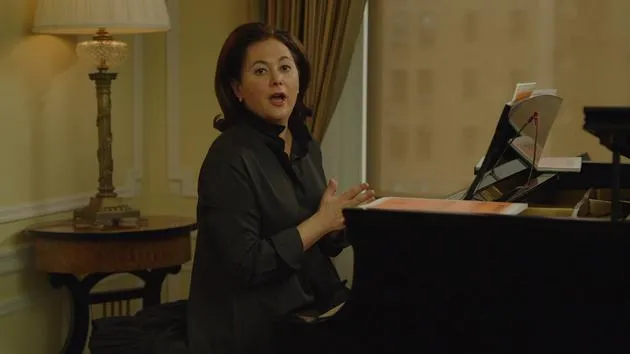
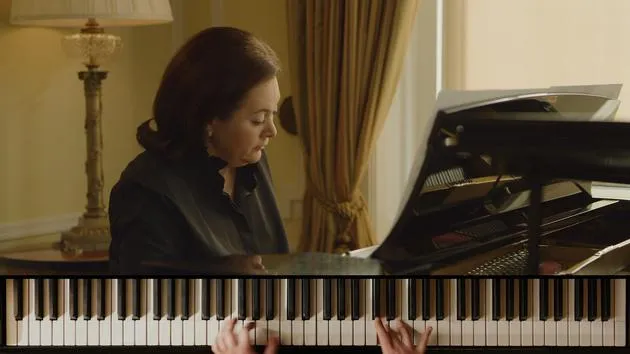
Julia Zilberquit prepara el terreno para 'The Seasons' de Tchaikovsky, situando el ciclo pianístico en su contexto histórico antes de que empieces a aprender las piezas.
Qué incluye el curso
27 lecciones (1h 57m) · 1 gratis
Transcripción de la lección
Discovering Tchaikovsky: The Maestro of Russian Music
Today, we will explore the world of the most respected and loved Russian composer, Pyotr Ilyich Tchaikovsky. I think he is one of the most performed Russian composers in the world. And I don't believe there is a single music lover who does not love and adore his operas, ballets, symphonies, chamber music, and, of course, solo piano music.
The Masterpiece: The Seasons
We will be discussing an absolute gem, a masterpiece from his piano miniatures cycle, The Seasons.
A Pioneering Composer
It's fair to say that not everybody knows that Tchaikovsky was the first Russian professional composer. He was born in 1840. By that time, composers like Bach, Beethoven, and Mozart had already lived their lives and created their masterpieces. But in Russia, as we know, things come later.
The Turning Point: 1861
1861 was a very important year for Russian history.
- Serfdom, or slavery, was abolished.
- Cultural and social growth began.
The outstanding Russian pianist and conductor Anton Rubinstein started music classes in St. Petersburg, initially called the Russian Musical Society. Tchaikovsky was one of the first students there.
In 1862, the Russian Musical Society was officially established. Just a year later, Anton Rubinstein opened the first Russian conservatory in St. Petersburg, and, of course, Tchaikovsky was a student there as well.
The Rise of Conservatories
Four years later, in 1866, Anton's younger brother, Nicholas Rubinstein, who was also a very famous composer, pianist, and conductor, opened the Moscow Conservatory. Tchaikovsky was very friendly with both brothers.
In 1861, a young man named Peter Jurgenson, born in Tallinn, Estonia, of Scandinavian descent, moved to Russia. He was so inspired by Nicholas Rubinstein that he started his own music publishing house.
- He began publishing musical scores and books about music.
- For half a century, it became the main Russian musical publishing house and one of the largest in the world.
Lifelong Friendship and Collaboration
In 1865, after Tchaikovsky graduated from the Conservatory, he and Jurgenson became lifelong friends. Jurgenson served as Tchaikovsky's advisor and confidant for the rest of his life.
After the 1917 October Revolution, the Bolshevik leader Vladimir Lenin nationalized Jurgenson's publishing house by decree, and it became a state publishing house called Musica or Music.
In 2008, the current owner and CEO of the publishing house, Mark Zilberquid, revitalized Peter Jurgenson's legacy, forming a conglomerate with Musica Music and Peter Jurgenson. One of the most important efforts was publishing the complete catalog of Tchaikovsky's works, similar to what KTripletchel did for Mozart.
Editions of The Seasons
I wanted to show you two editions today of The Seasons that we will be using:
-
First Edition:
- Contains Tchaikovsky's autograph or text for 11 pieces out of 12 (for some reason, the April piece did not survive).
- Includes an article about the creation of the cycle and details about each piece.
-
Second Edition:
- Features fingering options and numerous suggestions for switching hands to aid in learning.
27 lecciones
1h 57m de lecciones en vídeo estructuradas
Funciones de vídeo avanzadas
Ralentiza, repite un pasaje, sigue la partitura
Móvil, tablet y ordenador
Practica donde quieras
Garantía de satisfacción 100%
30 días de garantía de devolución
Conoce a tu gurú
Conoce a tu gurú
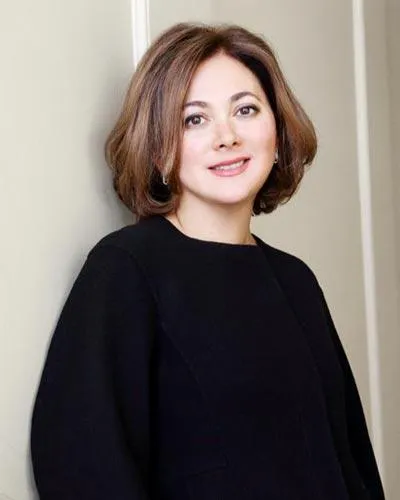
Nacida en Rusia y estadounidense de adopción, la pianista Julia Zilberquit ha cosechado el aplauso de la crítica como recitalista, música de cámara y artista de grabación. The New York Times la elogió como "una solista excepcional" tras su interpretación en el Carnegie Hall del poema sinfónico Les Djinns de Cesar Franck para piano y orquesta con Leon Botstein y la American Symphony Orchestra.
En 2014, Warner Classics publicó su CD Bach: Complete Solo Keyboard Concertos. Esta grabación presenta el estreno de dos Concerti Grossi de Bach-Vivaldi arreglados por la Sra. Zilberquit para piano y orquesta, y fue aclamada como una "magnífica interpretación" por la prestigiosa Gramophone Magazine. Su arreglo del Concertino para 2 pianos, Op. 94 de Shostakovich para piano y orquesta se estrenó en el Carnegie Hall; lo ha interpretado por todo el mundo con gran éxito de crítica y lo ha grabado con Vladimir Spivakov y los Moscow Virtuosi. Otras grabaciones incluyen un registro en solitario, The Mystery of Bagatelles, publicado por Naxos. El CD fue elogiado como una "soberbia interpretación" por The Washington Post, y descrito como un "programa audaz, que brilla con una claridad inusual y una luminosidad puntillista" en la Piano Magazine de Londres.
Sus recitales han tenido lugar en importantes salas de conciertos, entre ellas el Weill Recital Hall del Carnegie Hall de Nueva York, el 92nd Street Y y el Alice Tully Hall del Lincoln Center. Sus compromisos en grandes festivales internacionales de música incluyen actuaciones en Seattle, Colmar (Francia), Klangbogen (Viena), las "White Nights" de Valery Gergiev (San Petersburgo), las "December Nights" de Richter (Moscú), "The Palaces of St. Petersburg", el Bard Music Festival de Nueva York y el Penderecki Festival (Polonia).
Natural de Moscú, Julia Zilberquit nació en el seno de una familia de músicos. Se graduó en la Moscow Gnessin School of Music y en The Juilliard School (clase de Bella Davidovich). Vive en Nueva York con su marido, su hijo y su hija.
En este curso recurre a ese arte para guiarte a través de cuatro movimientos de "Las estaciones" de Chaikovski -Marzo, Abril, Junio y Octubre- para que puedas dar forma tú mismo a su poesía y su color al teclado.







