



Primera parte
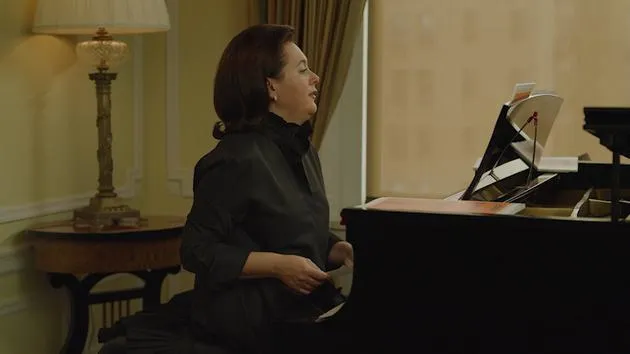
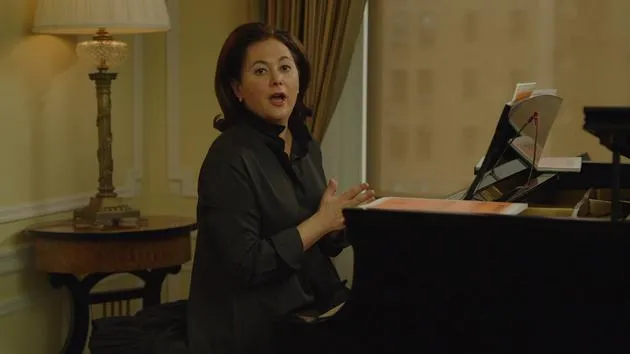
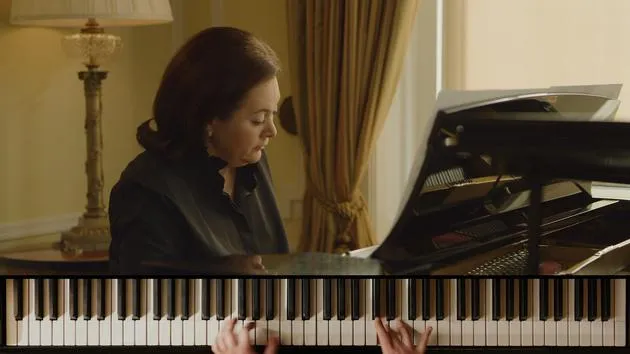
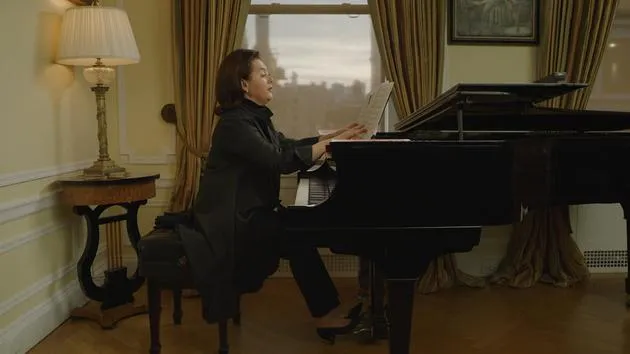
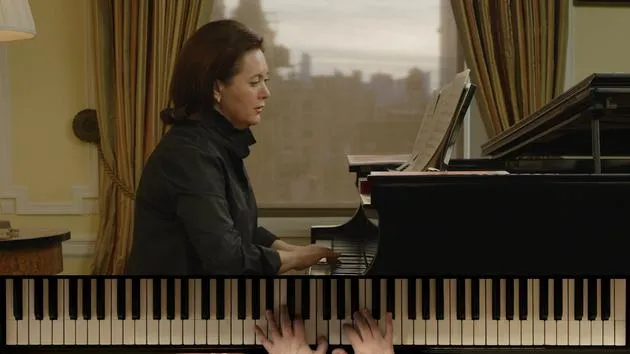
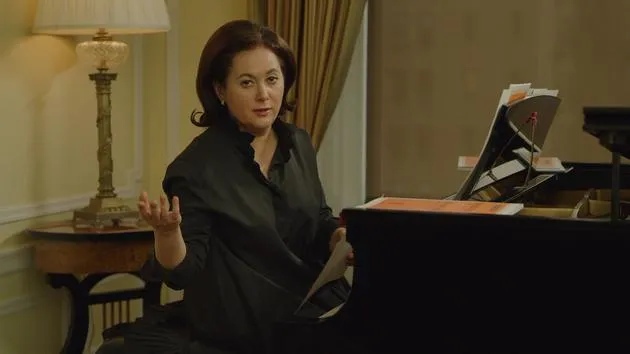
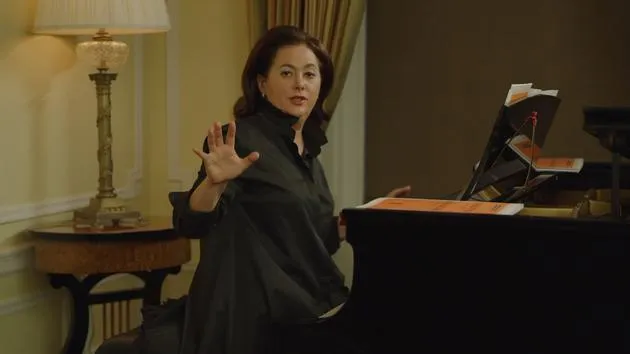
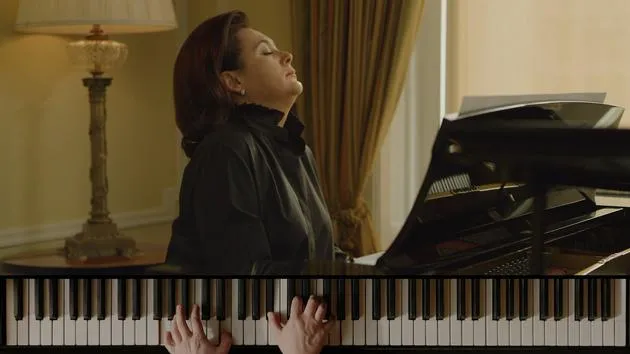
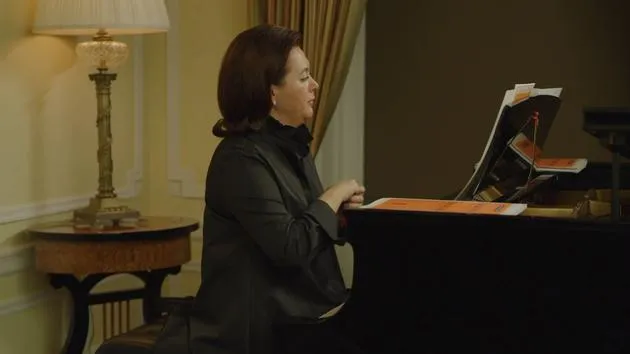
Julia Zilberquit te guía por el comienzo de 'October: Autumn Song' de Chaikovski, desde su melodía sencilla hasta el paso de legato a portamento y la polifonía en la mano izquierda.
Qué incluye el curso
27 lecciones (1h 57m) · 1 gratis
Transcripción de la lección
October Music Lesson: Exploring Tchaikovsky's Melody
So we start October with a very simple, pure melody, which is so beautiful. It goes on for the first four measures. Then Tchaikovsky does what he loves to do:
- He changes from legato to portamento.
- We absolutely must show this.
- He's doing a poco crescendo, just a little bit, a hint of the crescendo; it's not a real crescendo.
We also have to pay attention to:
- The moving descending bass
- The polyphony in the left hand
Again, there's a lot of polyphony here. We need to ensure we always hold the bass, as it forms that sonority with the lower note and the chord.
Crescendo and Diminuendo
As we come into the seventh measure, we see a bit of crescendo right away with diminuendo. You see those accents in measure eight, they're like sighs or breathing that Tchaikovsky does.
Now, there is a lot of rubato and ritardando in this piece, but there is a common danger: people often do a rubato or ritardando or slowing down every two measures. So, it's essential to keep one tempo in mind. Yes, some rubatos are good, but it's important to maintain your width and pace.
Shifting Melody
From measure nine, the melody transitions to the left hand, which has the difficult task of both accompanying and carrying the melody. I always ask my students to play the left hand in measures 9, 10, 11, and 12, and even further down with two hands.
Melody Breakdown
- Here's how it's going to sound: Only after we hear it can we do all three voices together.
- The left hand carries the melody in the middle voice, while the right hand presents a sort of question-and-answer or sub-melody, with accompaniment.
This means it all must be learned separately. I always want to hear the melody.
Hand Arrangement Techniques
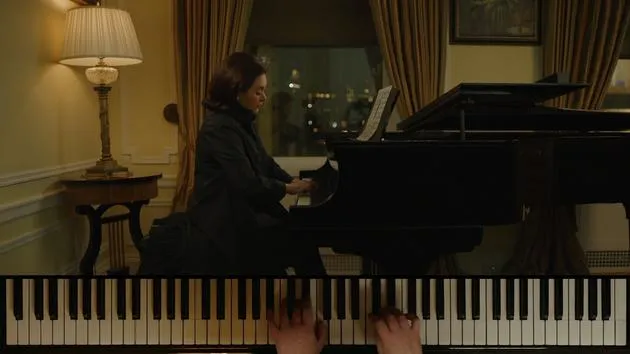
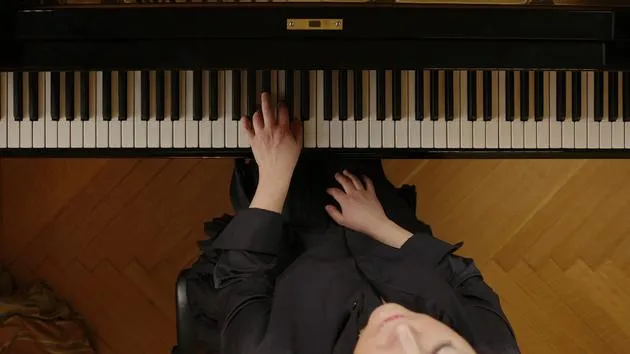
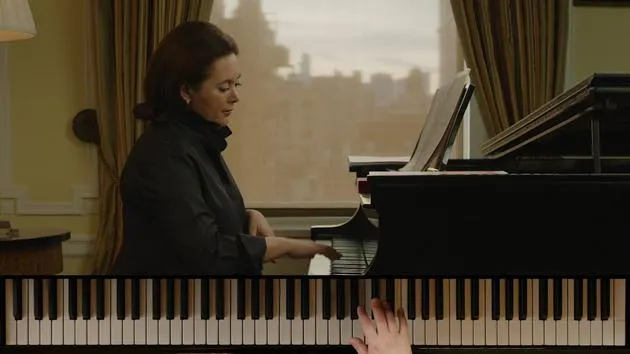
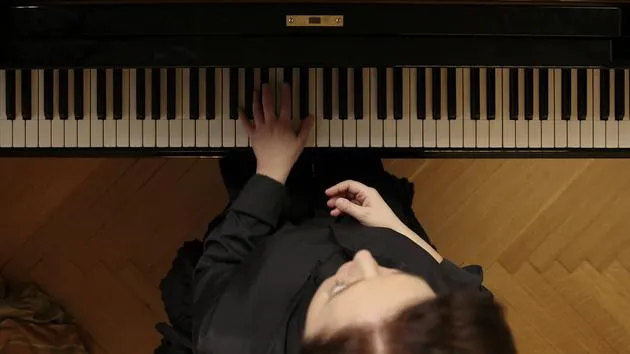
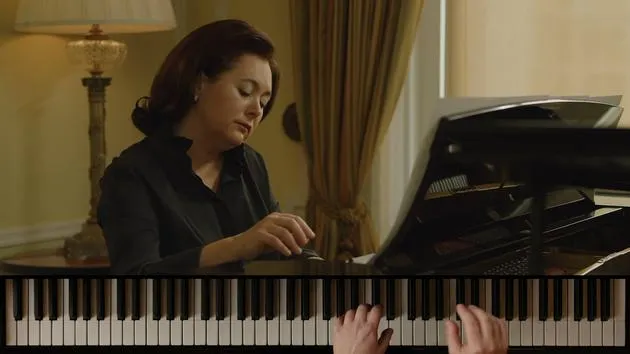
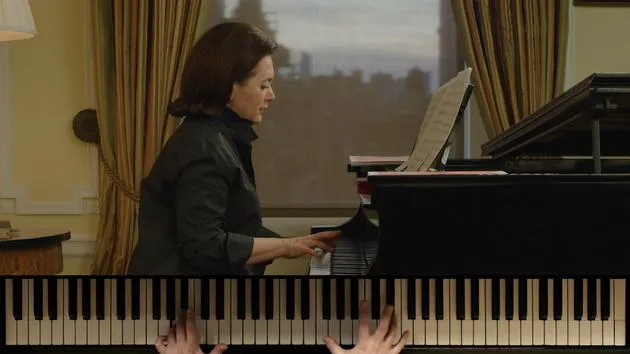
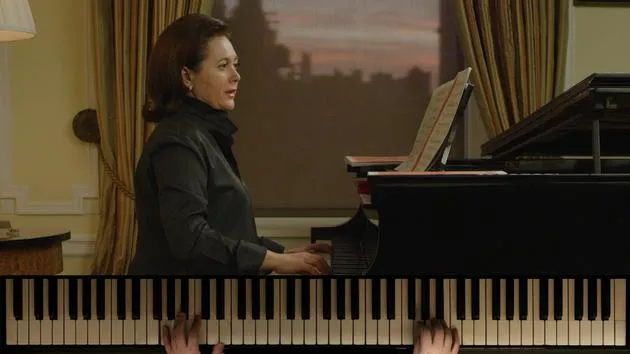
Now, here's something I want to share with you, and you probably saw me doing it: I rearrange the hands to play the melody better. Many elements that are written in the left hand, I take into the right hand, and I think it really helps to create that line.
Measure by Measure Analysis
I want to show you throughout the piece what I am doing, measure by measure:
- In measure ten, and especially in measure eleven, that arpeggiato: I always take the B flat in the right hand. Sometimes I even move the previous C from measure ten to the right hand. Therefore, I have two sixths which I will show you slowly.
- My arpeggiato is much faster and I can control the thumb of the right hand better.
For measure twelve, I take the second beat, two eighth notes, and then the third and fourth beat, the quarter notes, from the middle voice to the right hand. This way, it allows me to control it better, and also my left hand doesn't need to struggle.
The same technique applies in measures thirteen and fourteen: Here, I take the last two notes in the right hand and also the upper C in the left hand.
In measure fifteen, I also move that to the right hand. This really allows me to create much smoother lines.
Dynamics and Considerations
Now, since we stopped at measures thirteen and fourteen, he says "poco pi? forte." We see it's major; it's lighter, with that question-and-answer aspect and the portamento thing in minor, then again those psis.
In measure sixteen, I usually do this on the E at the end of the second beat: I use the third finger and change to the fifth finger just to hold the chord.
Before finishing with the first section, I want to emphasize one very important thing:
There is no forte in this section. When he says "poco pi? forte" in measure thirteen, he means more or louder than piano, so please bear that in mind.
27 lecciones
1h 57m de lecciones en vídeo estructuradas
Funciones de vídeo avanzadas
Ralentiza, repite un pasaje, sigue la partitura
Móvil, tablet y ordenador
Practica donde quieras
Garantía de satisfacción 100%
30 días de garantía de devolución
Conoce a tu gurú

Conoce a tu gurú
Nacida en Rusia y estadounidense de adopción, la pianista Julia Zilberquit ha cosechado el aplauso de la crítica como recitalista, música de cámara y artista de grabación. The New York Times la elogió como "una solista excepcional" tras su interpretación en el Carnegie Hall del poema sinfónico Les Djinns de Cesar Franck para piano y orquesta con Leon Botstein y la American Symphony Orchestra.
En 2014, Warner Classics publicó su CD Bach: Complete Solo Keyboard Concertos. Esta grabación presenta el estreno de dos Concerti Grossi de Bach-Vivaldi arreglados por la Sra. Zilberquit para piano y orquesta, y fue aclamada como una "magnífica interpretación" por la prestigiosa Gramophone Magazine. Su arreglo del Concertino para 2 pianos, Op. 94 de Shostakovich para piano y orquesta se estrenó en el Carnegie Hall; lo ha interpretado por todo el mundo con gran éxito de crítica y lo ha grabado con Vladimir Spivakov y los Moscow Virtuosi. Otras grabaciones incluyen un registro en solitario, The Mystery of Bagatelles, publicado por Naxos. El CD fue elogiado como una "soberbia interpretación" por The Washington Post, y descrito como un "programa audaz, que brilla con una claridad inusual y una luminosidad puntillista" en la Piano Magazine de Londres.
Sus recitales han tenido lugar en importantes salas de conciertos, entre ellas el Weill Recital Hall del Carnegie Hall de Nueva York, el 92nd Street Y y el Alice Tully Hall del Lincoln Center. Sus compromisos en grandes festivales internacionales de música incluyen actuaciones en Seattle, Colmar (Francia), Klangbogen (Viena), las "White Nights" de Valery Gergiev (San Petersburgo), las "December Nights" de Richter (Moscú), "The Palaces of St. Petersburg", el Bard Music Festival de Nueva York y el Penderecki Festival (Polonia).
Natural de Moscú, Julia Zilberquit nació en el seno de una familia de músicos. Se graduó en la Moscow Gnessin School of Music y en The Juilliard School (clase de Bella Davidovich). Vive en Nueva York con su marido, su hijo y su hija.
En este curso recurre a ese arte para guiarte a través de cuatro movimientos de "Las estaciones" de Chaikovski -Marzo, Abril, Junio y Octubre- para que puedas dar forma tú mismo a su poesía y su color al teclado.







