



Tercera sección
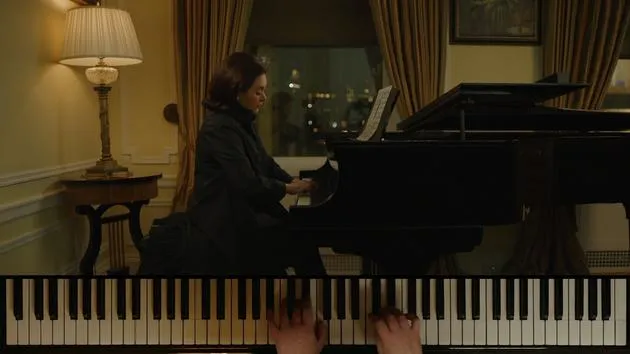
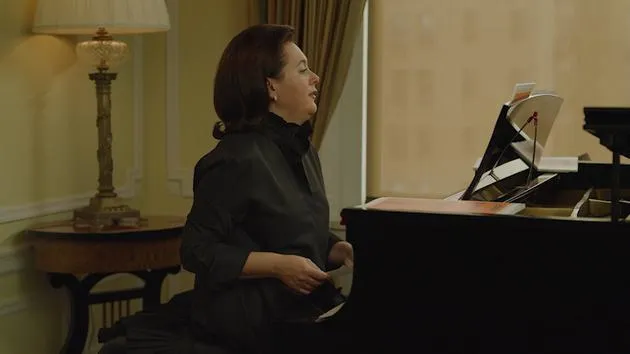
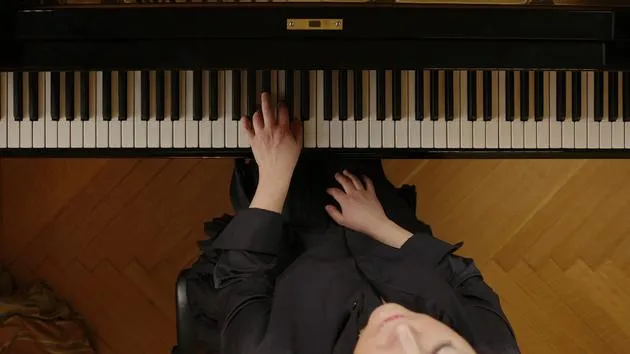
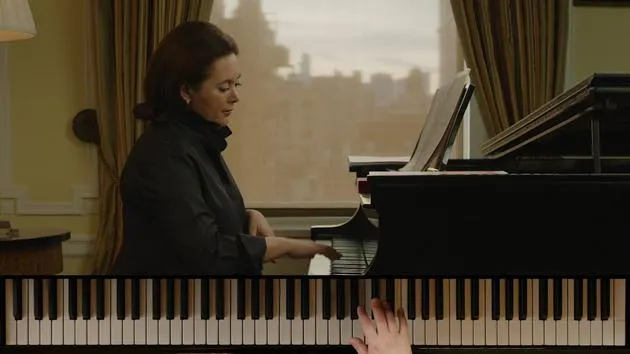
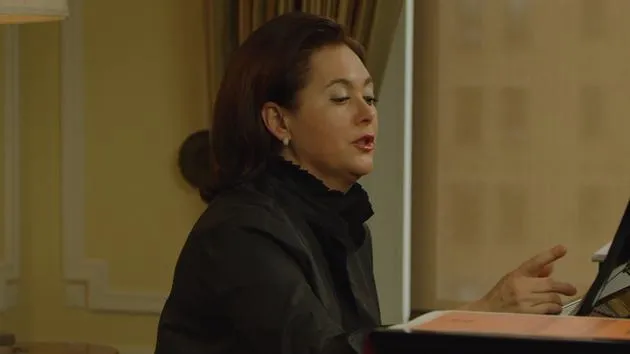
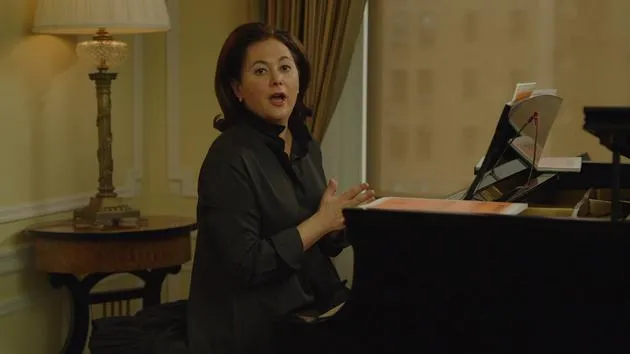
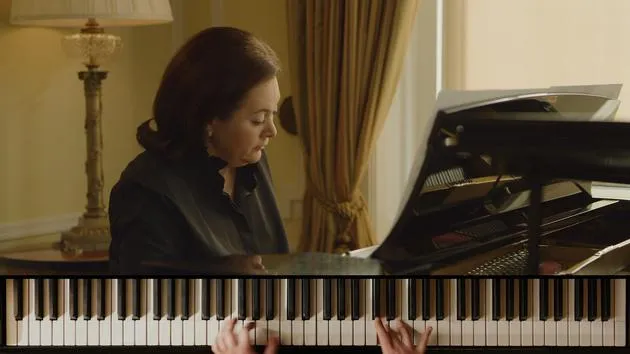
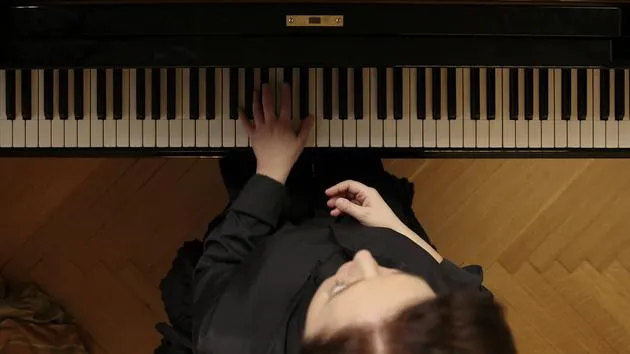
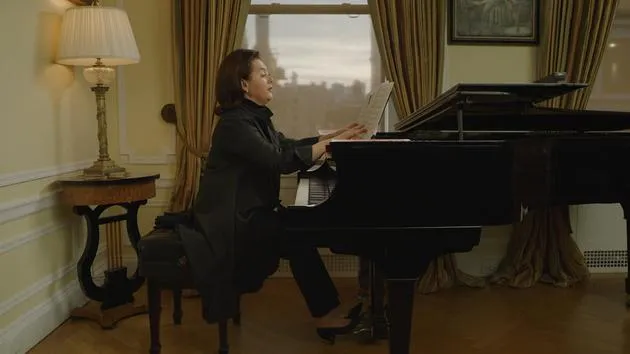
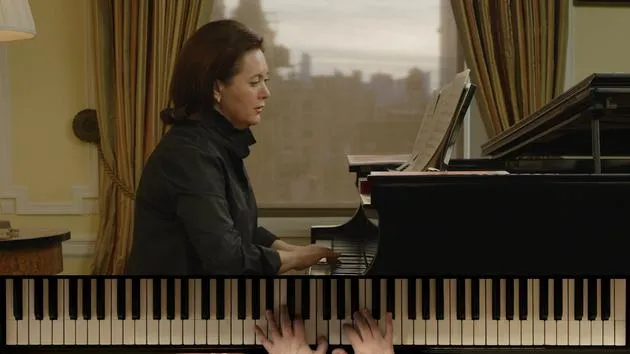
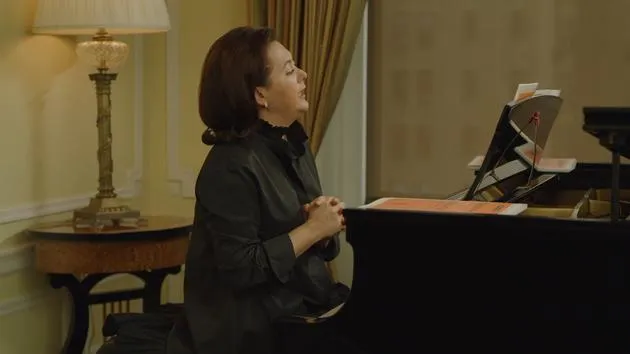
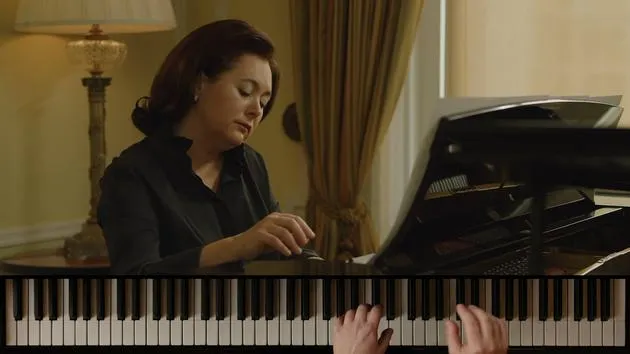
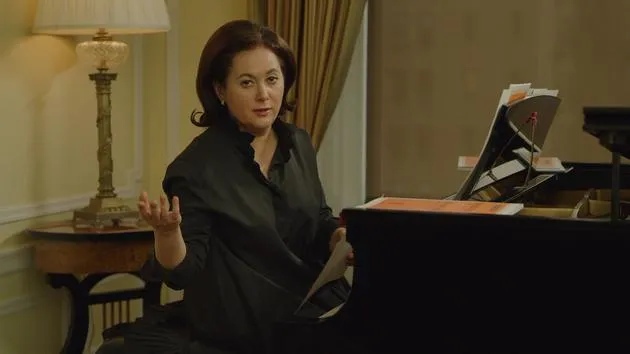
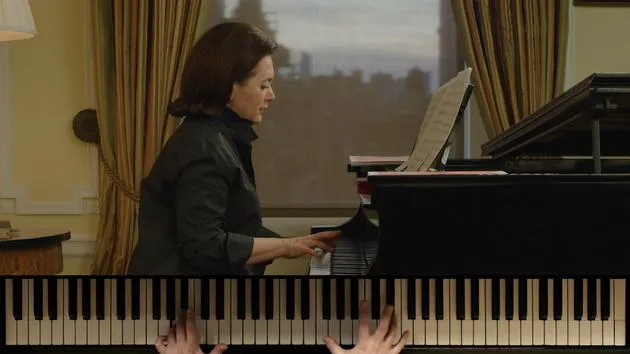
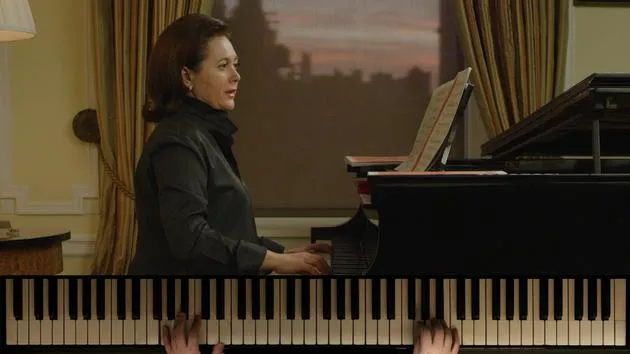
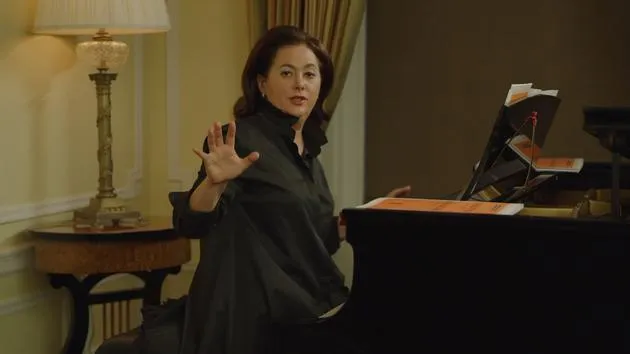
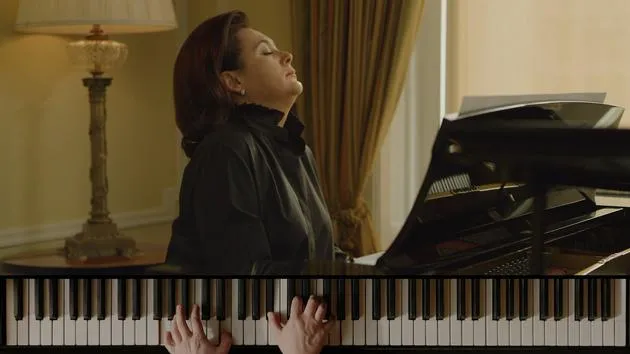
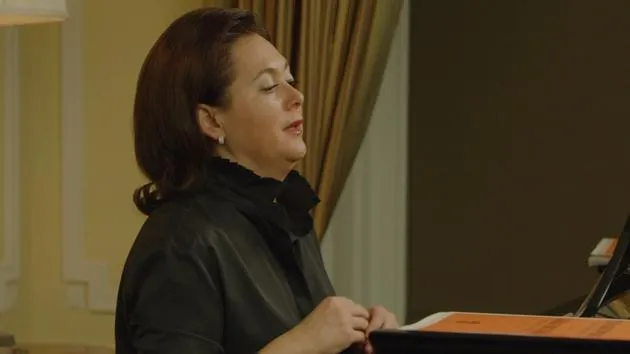
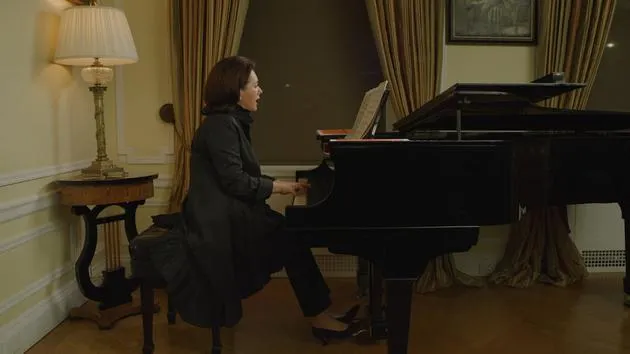
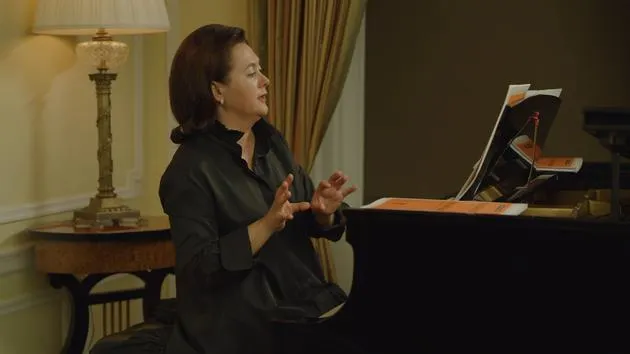
Julia Zilberquit toca la reexposición de la tercera sección de Octubre de Chaikovski, moldeándola en pianissimo a medida que avanza hacia la coda susurrada.
Qué incluye el curso
27 lecciones (1h 57m) · 1 gratis
Transcripción de la lección
Third Section Overview
Now, let's dive into the third section, which is exactly the same as the first.
Dynamics and Emotion
In this case, I strongly suggest my students to use double piano. It is such a sad and profound recollection.
- I always provide an example:
- Imagine something that happened to the person in the first part.
- As they remember it, it becomes even more sad.
For me, this is a very pianissimo section.
Transition to the Coda
We repeat it exactly, and then we reach the coda starting from measure 50.
- Again, Tchaikovsky instructs us to play it double piano.
- Then, we have a shift to mirando, followed by four pianos.
Four pianos can be quite challenging, as we have never encountered it before. Therefore, I recommend starting with either:
- One piano
- Or perhaps even mezzo piano to give yourself some room to grow dynamically.
Symbolism in Chords
The chords in this section are very symbolic:
- Count them: 1, 2, 3, ... up to 11 chords.
They evoke imagery reminiscent of either a funeral procession or church bells. Just like the sounds following a funeral, it's crucial to be able to execute a diminuendo at the end of this passage.
- Start again at mezzo piano, gradually moving down to piano and then even softer.
- The final recitative, which is truly a mirando, should imitate a gentle dying away of the music, accented more to enhance the intonation.
Pedal Technique
I want to take a moment to discuss the pedal technique, which I didn't cover in the previous pieces, as it's fairly consistent.
- Here, I use a regular pedal, also known as the belated Olay pedal, which comes right after the beat.
For example, I would execute:
- Up, down, up, down, up, down.
When I have a bass line, I try to apply one pedal across everything. However, I ensure clarity for my right hand by sometimes pedaling on the beat:
- Up, down, up, down, up, down, etc.
I always encourage my students to practice the left hand or the accompaniment with the pedal. This practice is particularly beneficial.
Memory Considerations
As we progress to the final stages of learning the piece, I want to address a common concern, especially among my adult students: memory issues.
- Some students prefer not to play from memory, while others do.
Performance Insights
It's perfectly acceptable to have the music on the stand:
- If you wish to look at it, feel free, but make sure you're aware of your place in the score to avoid getting lost.
Be cautious of the delicate dynamic plan; avoid any real fortes.
Connecting to the Music
Many people struggle with expression in pieces that lack a specific program.
Often, they choose to reflect on:
- Personal memories
- Associations with a movie, book, or painting
For me, this music connects deeply with personal experiences, evoking a sense of expressive loneliness, a profound beauty that is hard to describe with words.
Therefore, I always ask my students to consider:
- "What can you think or feel that will help you enter that particular mood?"
This connection is essential for delivering a heartfelt performance of this piece.
27 lecciones
1h 57m de lecciones en vídeo estructuradas
Funciones de vídeo avanzadas
Ralentiza, repite un pasaje, sigue la partitura
Móvil, tablet y ordenador
Practica donde quieras
Garantía de satisfacción 100%
30 días de garantía de devolución
Conoce a tu gurú
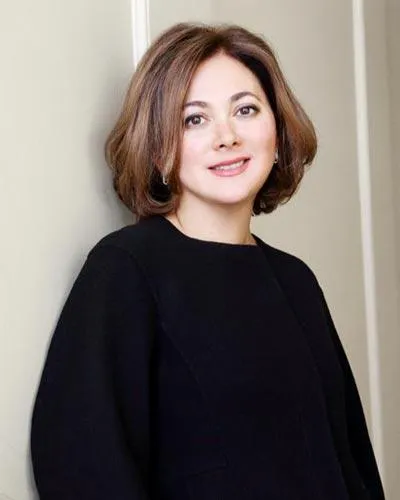
Conoce a tu gurú
Nacida en Rusia y estadounidense de adopción, la pianista Julia Zilberquit ha cosechado el aplauso de la crítica como recitalista, música de cámara y artista de grabación. The New York Times la elogió como "una solista excepcional" tras su interpretación en el Carnegie Hall del poema sinfónico Les Djinns de Cesar Franck para piano y orquesta con Leon Botstein y la American Symphony Orchestra.
En 2014, Warner Classics publicó su CD Bach: Complete Solo Keyboard Concertos. Esta grabación presenta el estreno de dos Concerti Grossi de Bach-Vivaldi arreglados por la Sra. Zilberquit para piano y orquesta, y fue aclamada como una "magnífica interpretación" por la prestigiosa Gramophone Magazine. Su arreglo del Concertino para 2 pianos, Op. 94 de Shostakovich para piano y orquesta se estrenó en el Carnegie Hall; lo ha interpretado por todo el mundo con gran éxito de crítica y lo ha grabado con Vladimir Spivakov y los Moscow Virtuosi. Otras grabaciones incluyen un registro en solitario, The Mystery of Bagatelles, publicado por Naxos. El CD fue elogiado como una "soberbia interpretación" por The Washington Post, y descrito como un "programa audaz, que brilla con una claridad inusual y una luminosidad puntillista" en la Piano Magazine de Londres.
Sus recitales han tenido lugar en importantes salas de conciertos, entre ellas el Weill Recital Hall del Carnegie Hall de Nueva York, el 92nd Street Y y el Alice Tully Hall del Lincoln Center. Sus compromisos en grandes festivales internacionales de música incluyen actuaciones en Seattle, Colmar (Francia), Klangbogen (Viena), las "White Nights" de Valery Gergiev (San Petersburgo), las "December Nights" de Richter (Moscú), "The Palaces of St. Petersburg", el Bard Music Festival de Nueva York y el Penderecki Festival (Polonia).
Natural de Moscú, Julia Zilberquit nació en el seno de una familia de músicos. Se graduó en la Moscow Gnessin School of Music y en The Juilliard School (clase de Bella Davidovich). Vive en Nueva York con su marido, su hijo y su hija.
En este curso recurre a ese arte para guiarte a través de cuatro movimientos de "Las estaciones" de Chaikovski -Marzo, Abril, Junio y Octubre- para que puedas dar forma tú mismo a su poesía y su color al teclado.







