



Primera parte
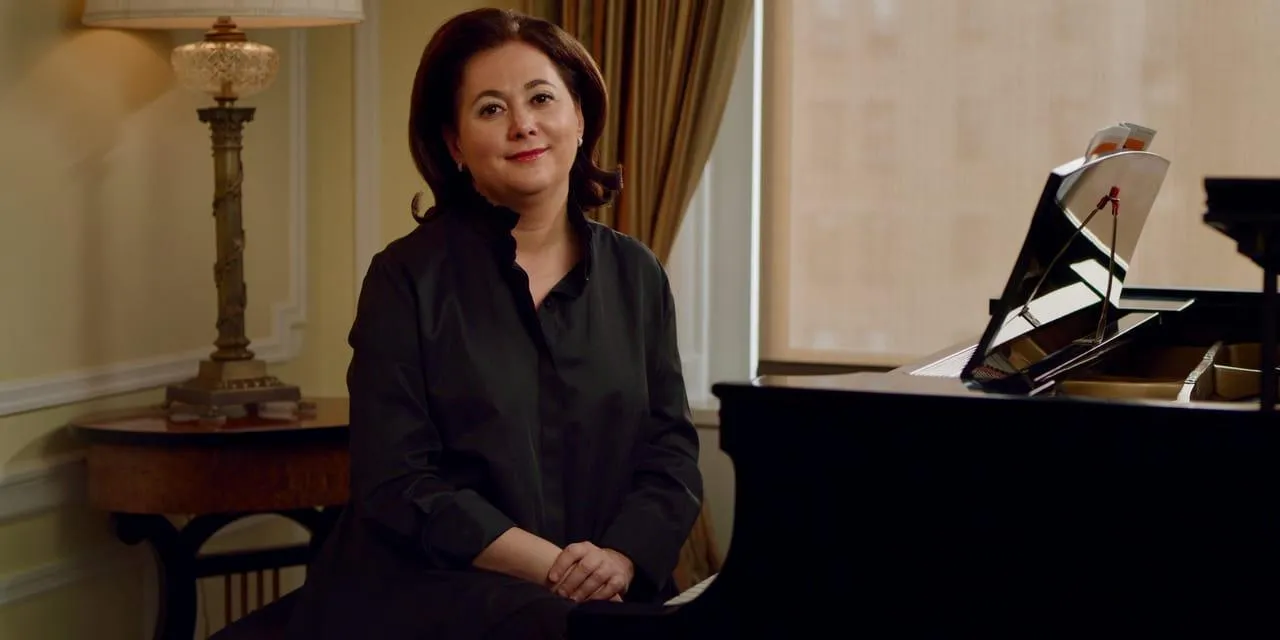
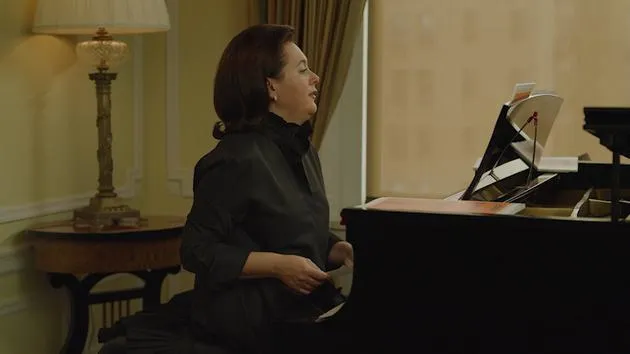
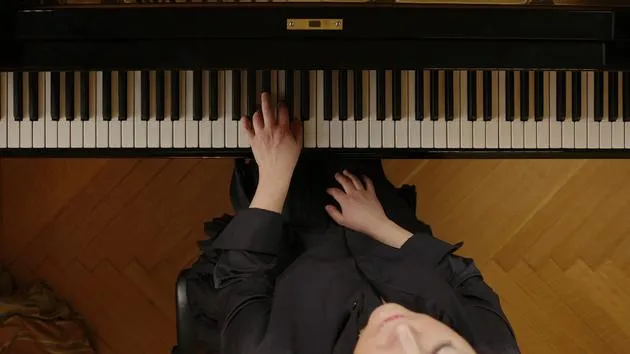
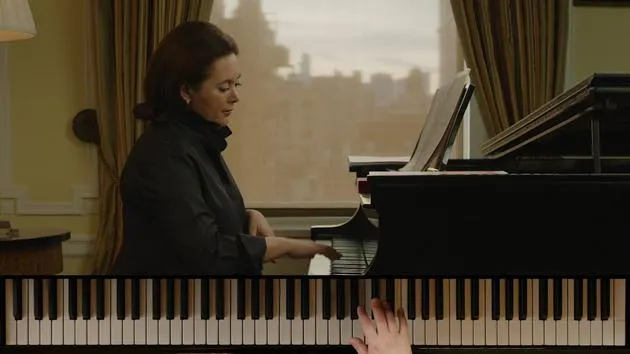
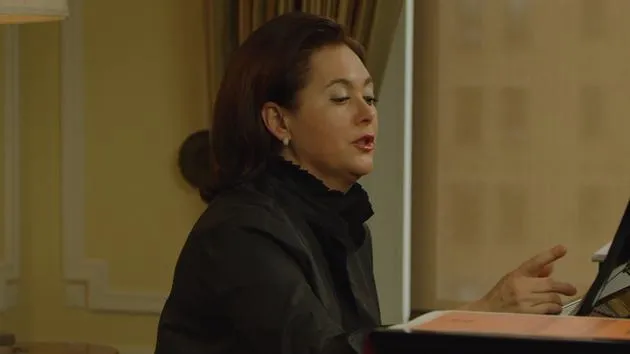
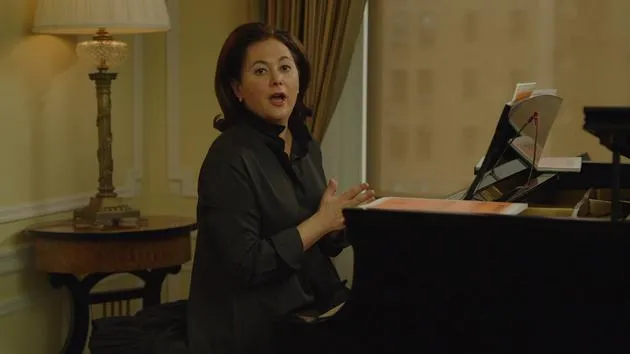
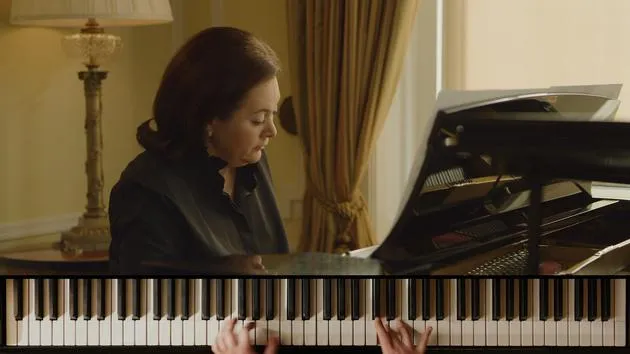
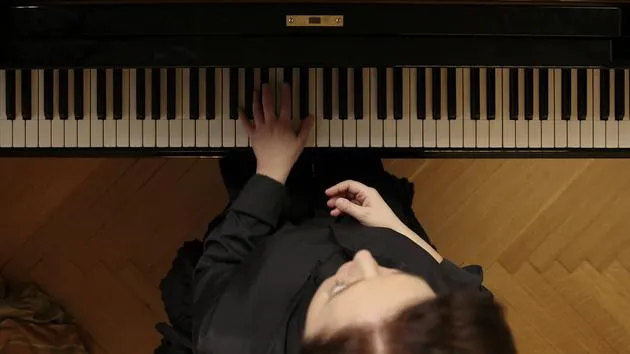
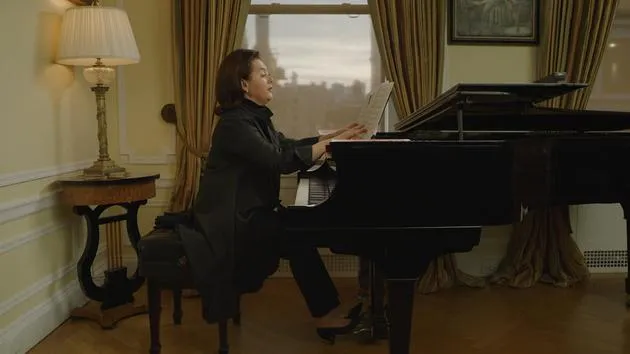
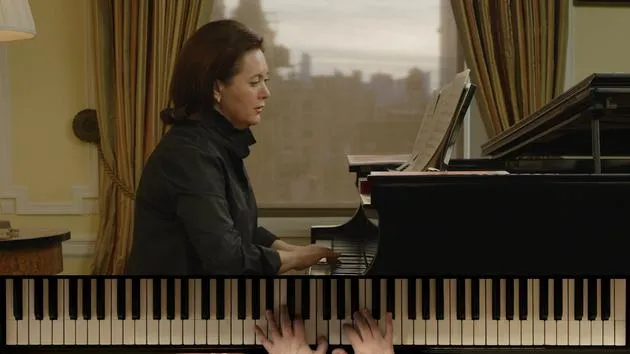
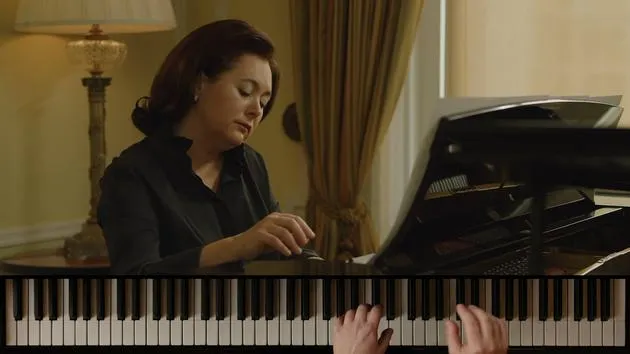
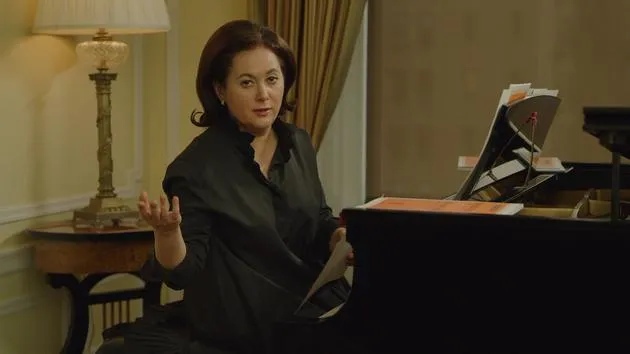
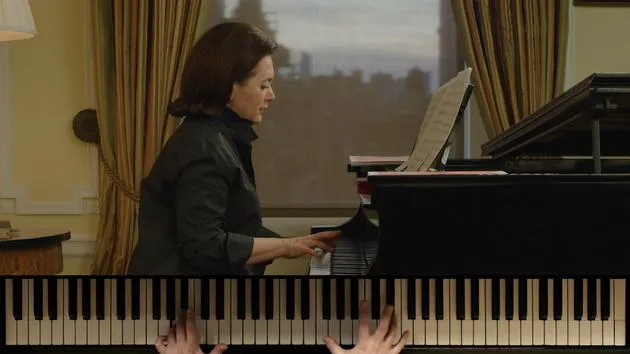
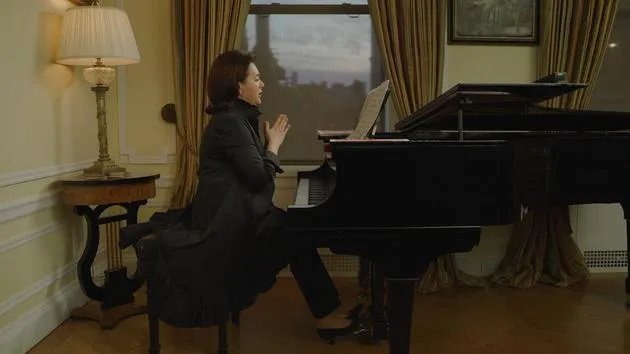
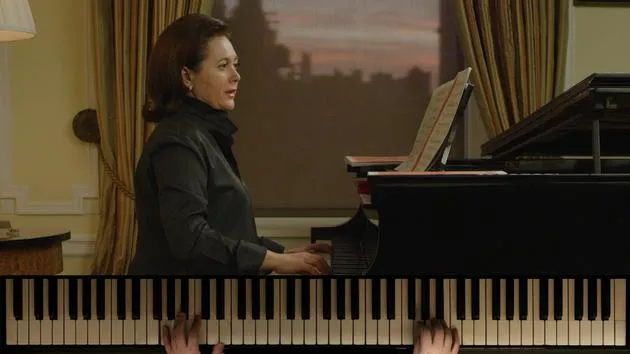
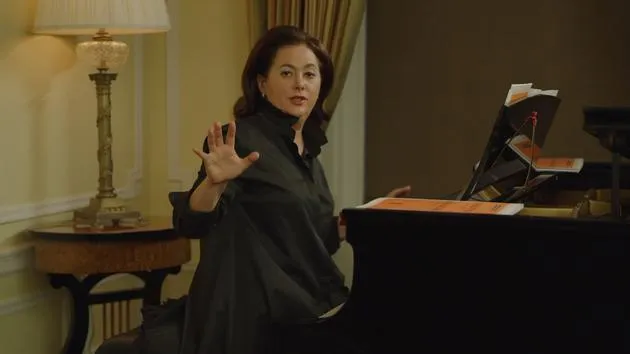
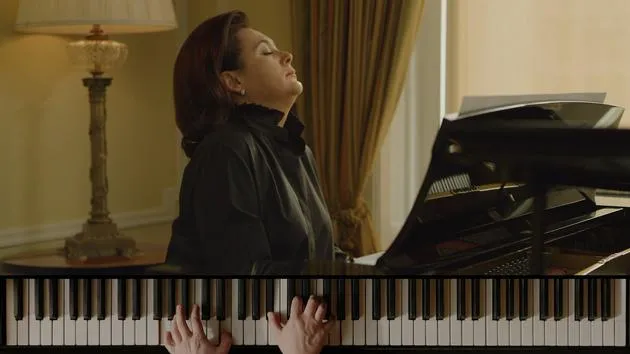
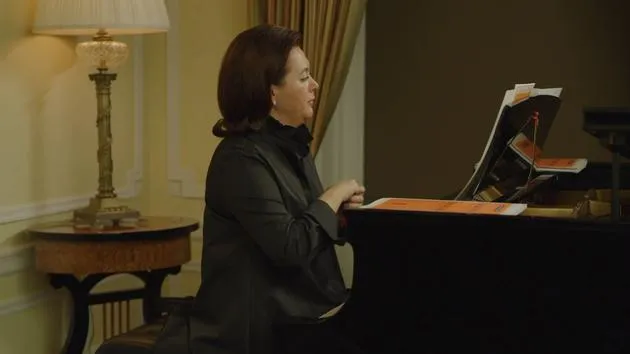
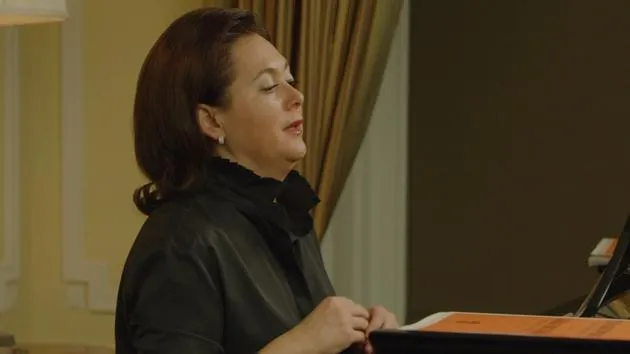
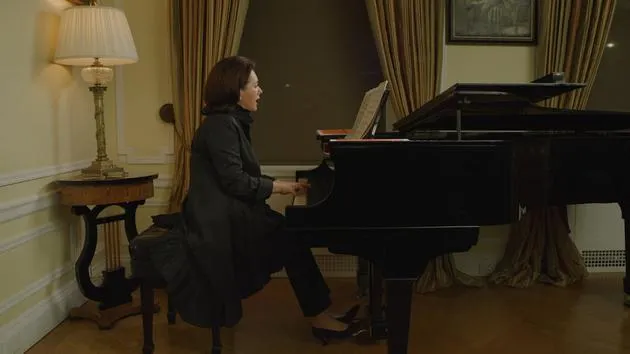
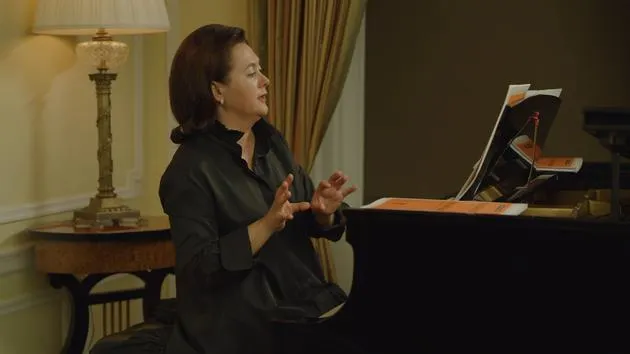
Julia Zilberquit enseña la primera parte de April: Snowdrop de Tchaikovsky, trabajando las manos por separado y mostrando cómo la mano izquierda lleva el crescendo y el diminuendo.
Qué incluye el curso
27 lecciones (1h 57m) · 1 gratis
Transcripción de la lección
Music Lesson
Introduction
I would start also, of course, with the left hand. You know, you could probably see I love doing separate hands. I think it brings a great perspective.
Importance of the Left Hand
There's one very important issue here with the left hand. As you know, the piano is a percussion instrument. Once we hit the sound, all it does is become softer. We cannot make the same crescendo on the sound as a voice can, or on a violin, cello, or wind instrument.
Supporting the Crescendo
So, what we can do is support the crescendo in a lonely right hand by having the left hand really provide this crescendo.
For example:
- We start with piano in the left hand.
- Then we see a crescendo in measures 3, 4, 5 and then diminuendo.
Throughout the piece, the left hand will be the most important part in creating that crescendo and diminuendo.
Technique for Left Hand
Now, regarding the repeating chords in the left hand:
- Again, the wrist is free and the elbow is out.
- We need to ensure that we hear all the notes, whether it's three or four.
The trick here is:
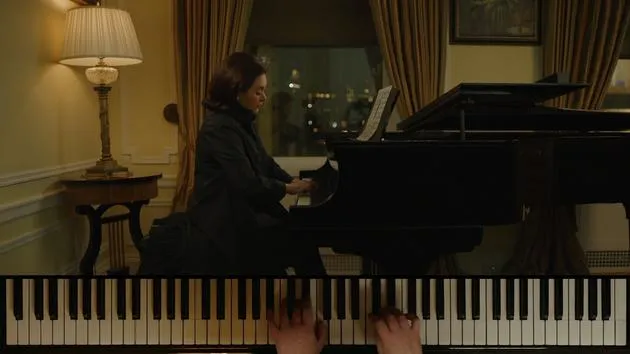
- Keep your fingers on the keyboard.
I'll show slowly. So you see, I'm keeping my fingers on the keyboard. As the text goes on, starting from measure nine when we have the accompaniment in both hands, I suggest practicing it separately, the same way we do with the right hand. This will be very helpful when you put the hands together.
Right Hand Focus
Now, when it comes to the right hand, Tchaikovsky puts in vocal slurs, which, of course, we're not going to be doing. However, we need a very long phrase.
Practice Strategy
What I like to do is ask my students to play the right hand for me with just one chord from the left hand. This could be:
- One thought,
- Second thought,
- Third thought.
As a result, it becomes one long phrase.
Emphasizing Melody
What we really need to accomplish here is to have a long melody that goes throughout eight measures, arriving at a certain point. Things become harder because, as I told you, Tchaikovsky loves his polyphony.
Clear Melody and Accompaniment
He wants to differentiate between parts. For example, let's say that was a soprano violin. Now, there's a cello or bass baritone turn. I always ask everyone to play that melody the way it's written, meaning between the hands, so you know exactly who is playing what.
This is a bit challenging for beginners, and we really need a clear melody with a clear accompaniment.
Musical Dynamics
There is also a perfect case of Tchaikovsky's beloved question and answer. He states, "pi? forte," meaning a little bit more, and "answer less." He then repeats the same thought and ends it in different ways.
Importance of Transition
This is very important for the future. When he comes back in the third part, he does not repeat the inner or middle voice melody twice; instead, he goes straight to the second ending.
It's crucial to keep this in mind, as it will make the third section shorter. Except, he writes a conclusion or a quarter part of the third movement, actually varying and making a variation on that very end.
Putting It All Together
Once you put together the first part, which is not very easy, you really need to capture that spring feeling, the feeling of the wind, of crescendos and diminuendos. Always ensure that you can hear your melody.
The Performer's Role
Now, there's a very simple rule:
- If the performer hears the melody, the audience will hear it.
- If you can't hear it clearly, nobody else will hear it.
Marking Tempo
I would also like to draw your attention to the composer's tempo marking: Allegretto con moto e poco rubato, meaning:
- Allegretto, not too fast, yet one of the faster tempos.
- Con moto means with movement.
We should make sure it moves.
Time Signature and Feel
Plus, the composer could have used three-quarter time but instead chose six-eighths. This always indicates it's a bit faster tempo, with molto rubato. He also mentions dolce, or gentle, reflecting the gentle idea of spring.
Conclusion: Mastering Polyphony
It's quite hard to master all these aspects together, especially when the polyphony starts. I love to compare Tchaikovsky's style of polyphony to a sort of 3D or three-dimensional printer.
We see things in different dimensions this way. When the melody appears, we must hear it between the voices, along with the accompaniment that is either on top or below.
So, it's a very interesting approach!
27 lecciones
1h 57m de lecciones en vídeo estructuradas
Funciones de vídeo avanzadas
Ralentiza, repite un pasaje, sigue la partitura
Móvil, tablet y ordenador
Practica donde quieras
Garantía de satisfacción 100%
30 días de garantía de devolución
Conoce a tu gurú
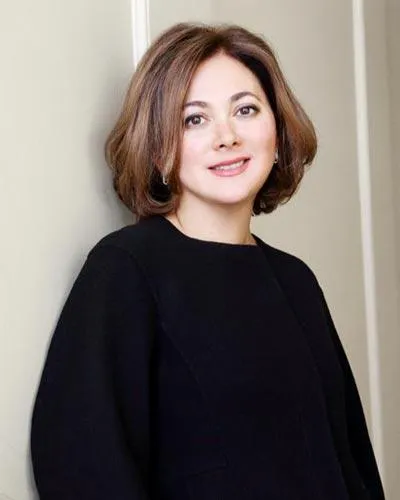
Conoce a tu gurú
Nacida en Rusia y estadounidense de adopción, la pianista Julia Zilberquit ha cosechado el aplauso de la crítica como recitalista, música de cámara y artista de grabación. The New York Times la elogió como "una solista excepcional" tras su interpretación en el Carnegie Hall del poema sinfónico Les Djinns de Cesar Franck para piano y orquesta con Leon Botstein y la American Symphony Orchestra.
En 2014, Warner Classics publicó su CD Bach: Complete Solo Keyboard Concertos. Esta grabación presenta el estreno de dos Concerti Grossi de Bach-Vivaldi arreglados por la Sra. Zilberquit para piano y orquesta, y fue aclamada como una "magnífica interpretación" por la prestigiosa Gramophone Magazine. Su arreglo del Concertino para 2 pianos, Op. 94 de Shostakovich para piano y orquesta se estrenó en el Carnegie Hall; lo ha interpretado por todo el mundo con gran éxito de crítica y lo ha grabado con Vladimir Spivakov y los Moscow Virtuosi. Otras grabaciones incluyen un registro en solitario, The Mystery of Bagatelles, publicado por Naxos. El CD fue elogiado como una "soberbia interpretación" por The Washington Post, y descrito como un "programa audaz, que brilla con una claridad inusual y una luminosidad puntillista" en la Piano Magazine de Londres.
Sus recitales han tenido lugar en importantes salas de conciertos, entre ellas el Weill Recital Hall del Carnegie Hall de Nueva York, el 92nd Street Y y el Alice Tully Hall del Lincoln Center. Sus compromisos en grandes festivales internacionales de música incluyen actuaciones en Seattle, Colmar (Francia), Klangbogen (Viena), las "White Nights" de Valery Gergiev (San Petersburgo), las "December Nights" de Richter (Moscú), "The Palaces of St. Petersburg", el Bard Music Festival de Nueva York y el Penderecki Festival (Polonia).
Natural de Moscú, Julia Zilberquit nació en el seno de una familia de músicos. Se graduó en la Moscow Gnessin School of Music y en The Juilliard School (clase de Bella Davidovich). Vive en Nueva York con su marido, su hijo y su hija.
En este curso recurre a ese arte para guiarte a través de cuatro movimientos de "Las estaciones" de Chaikovski -Marzo, Abril, Junio y Octubre- para que puedas dar forma tú mismo a su poesía y su color al teclado.







