



Etapa final del aprendizaje
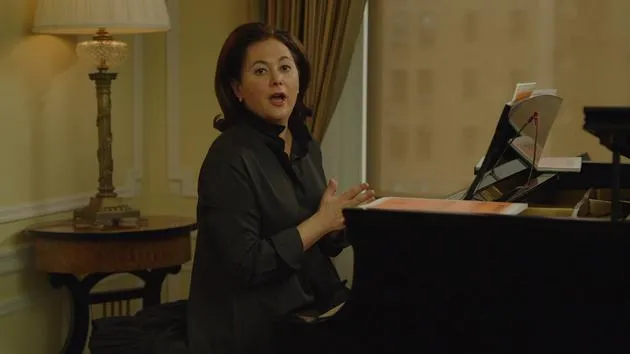
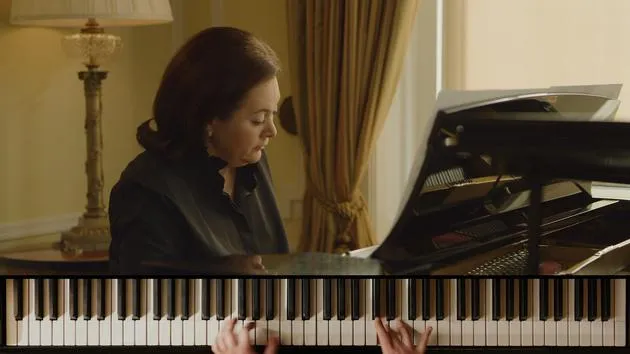
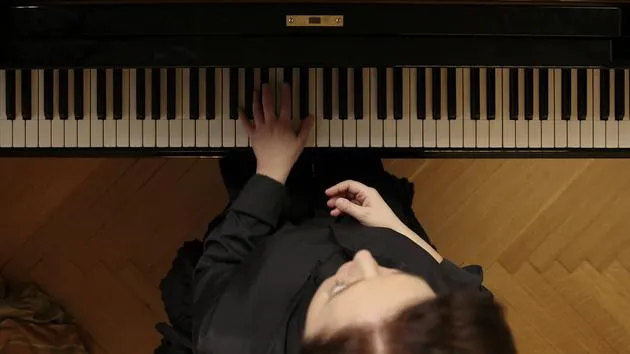
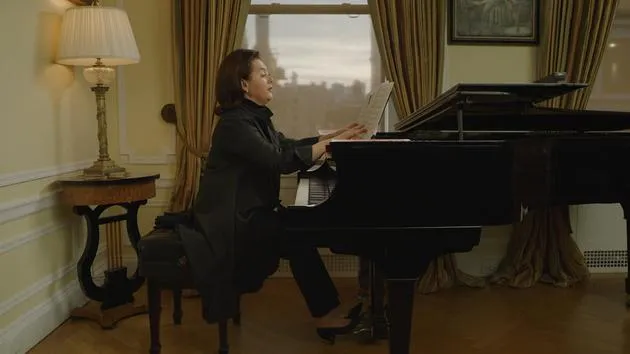
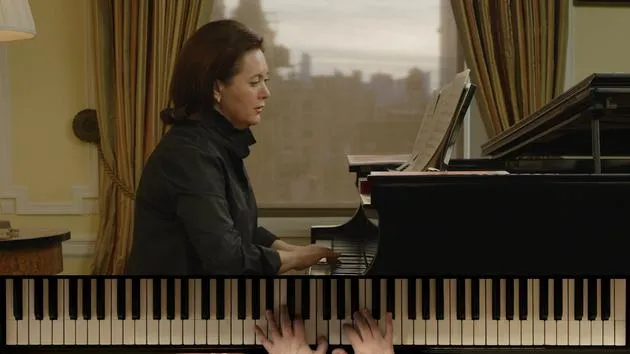
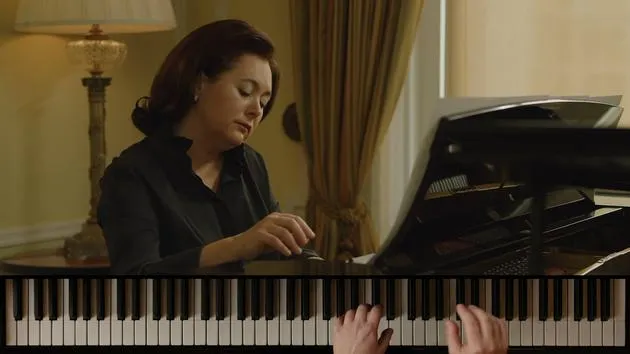
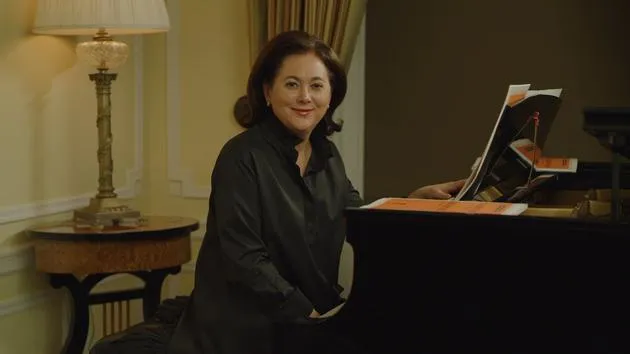
Julia Zilberquit comparte sus tres últimos pasos para pulir 'March' de The Seasons de Chaikovski: aprende las notas a la perfección, sigue las dinámicas y luego suéltate y disfrútalo.
Qué incluye el curso
27 lecciones (1h 57m) · 1 gratis

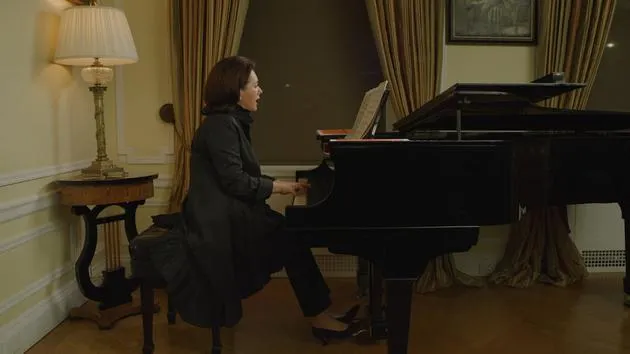
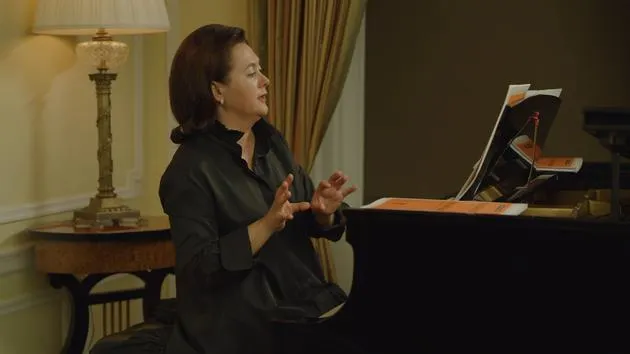
Transcripción de la lección
Final Stage of Your Musical Work
I would say three things are important for the so-called final stage of the work.
1. Learn the Text
- First, of course, is to learn a text and to play it without mistakes from beginning to end.
- You may choose to:
- Play it with the score
- Play by heart, from memory
- Or do something in between (for example, play by heart while keeping the score nearby)
2. Follow Dynamic Instructions
The second task, which is very important, is to follow the composer's dynamic instructions. Consider the following:
- The tempos
- The dynamics
- Crescendos
- Diminuendos
It's essential to have a dynamic plan, especially in a piano miniature.
3. Relax and Enjoy the Music
And number three, of course, is just to, as we say, relax and enjoy the music. You bring your own ideas and associations to your performance, so:
- Enjoy the process.
- Try to look at it from outside yourself.
I know it's very hard sometimes to play a piece from the beginning to the end, but it's essential and very important in completing your work.
Conclusion
I think the most rewarding stage of the work or performance is when you:
- Learn the text
- Know the dynamics
- Let go
It's very hard, but very important. Trust your musical instinct, perform, and enjoy it, your audience will, too.
And I hope, for those of you who haven't learned it yet, or who have played it before, that I brought a new perspective to the piece.
27 lecciones
1h 57m de lecciones en vídeo estructuradas
Funciones de vídeo avanzadas
Ralentiza, repite un pasaje, sigue la partitura
Móvil, tablet y ordenador
Practica donde quieras
Garantía de satisfacción 100%
30 días de garantía de devolución
Conoce a tu gurú

Conoce a tu gurú
Nacida en Rusia y estadounidense de adopción, la pianista Julia Zilberquit ha cosechado el aplauso de la crítica como recitalista, música de cámara y artista de grabación. The New York Times la elogió como "una solista excepcional" tras su interpretación en el Carnegie Hall del poema sinfónico Les Djinns de Cesar Franck para piano y orquesta con Leon Botstein y la American Symphony Orchestra.
En 2014, Warner Classics publicó su CD Bach: Complete Solo Keyboard Concertos. Esta grabación presenta el estreno de dos Concerti Grossi de Bach-Vivaldi arreglados por la Sra. Zilberquit para piano y orquesta, y fue aclamada como una "magnífica interpretación" por la prestigiosa Gramophone Magazine. Su arreglo del Concertino para 2 pianos, Op. 94 de Shostakovich para piano y orquesta se estrenó en el Carnegie Hall; lo ha interpretado por todo el mundo con gran éxito de crítica y lo ha grabado con Vladimir Spivakov y los Moscow Virtuosi. Otras grabaciones incluyen un registro en solitario, The Mystery of Bagatelles, publicado por Naxos. El CD fue elogiado como una "soberbia interpretación" por The Washington Post, y descrito como un "programa audaz, que brilla con una claridad inusual y una luminosidad puntillista" en la Piano Magazine de Londres.
Sus recitales han tenido lugar en importantes salas de conciertos, entre ellas el Weill Recital Hall del Carnegie Hall de Nueva York, el 92nd Street Y y el Alice Tully Hall del Lincoln Center. Sus compromisos en grandes festivales internacionales de música incluyen actuaciones en Seattle, Colmar (Francia), Klangbogen (Viena), las "White Nights" de Valery Gergiev (San Petersburgo), las "December Nights" de Richter (Moscú), "The Palaces of St. Petersburg", el Bard Music Festival de Nueva York y el Penderecki Festival (Polonia).
Natural de Moscú, Julia Zilberquit nació en el seno de una familia de músicos. Se graduó en la Moscow Gnessin School of Music y en The Juilliard School (clase de Bella Davidovich). Vive en Nueva York con su marido, su hijo y su hija.
En este curso recurre a ese arte para guiarte a través de cuatro movimientos de "Las estaciones" de Chaikovski -Marzo, Abril, Junio y Octubre- para que puedas dar forma tú mismo a su poesía y su color al teclado.







