



Etapa final del aprendizaje
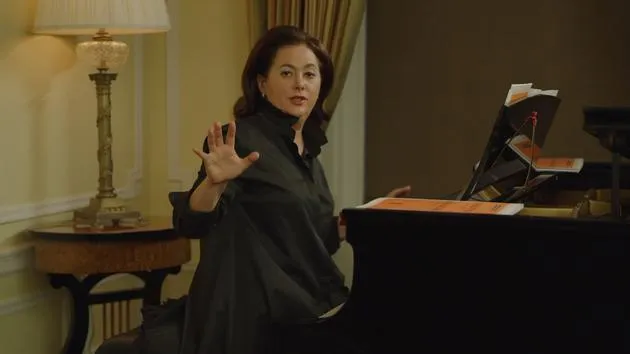
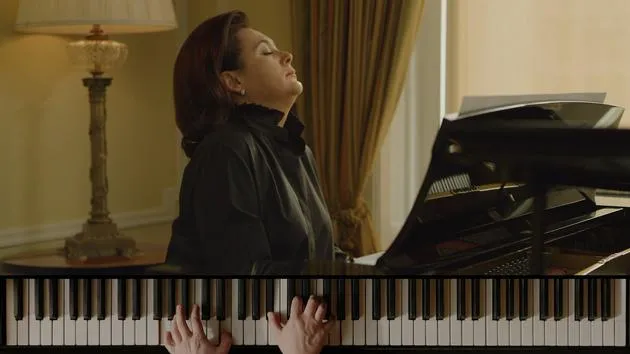
Julia Zilberquit comparte sus últimos consejos para pulir 'April: Snowdrop' de Tchaikovsky, desde seguir las dinámicas hasta encontrar libertad en este allegretto.
Qué incluye el curso
27 lecciones (1h 57m) · 1 gratis
Transcripción de la lección
Music Lesson: Preparing the Piece
As I stated before, the final stage of preparation is the same as it was in March. Here are the steps to effectively prepare:
1. Learn the Text
- Know the Structure: Familiarize yourself with the layout of the piece.
- Play from Beginning to End: Whether you choose to do this with the score or without is totally up to you.
2. Follow the Composer's Markings
-
It's crucial to adhere to all markings and dynamics.
-
This piece is composed of:
- Little crescendos
- Little diminuendos
- Innuendos
Everything is very, very important.
3. Separate Yourself from the Music
- Look at the piece from an outside perspective.
- Ensure you can perform it from beginning to end.
- Know your dynamic plan; understand what's going on.
- Have your ideas and allow yourself the freedom to enjoy the performance.
Additional Freedom in Performance
I want to share one more bonus about this piece in particular. Unlike the March, October, and June pieces, which are all on the slower side, this one is an allegretto. This gives us great performance freedom:
- Slower Side: Playing it slower will still sound beautiful.
- Middle Tempo: This is usually the tempo I prefer and like.
- Faster Tempo for Virtuosos: Those who enjoy showcasing their technique in the 16th notes of the middle section could play it a notch faster, but remember, the truth often lies somewhere in the middle.
I hope you love and enjoy April as much as I do, and I hope you're able to apply all my tips to make this piece a successful addition to your piano repertoire!
27 lecciones
1h 57m de lecciones en vídeo estructuradas
Funciones de vídeo avanzadas
Ralentiza, repite un pasaje, sigue la partitura
Móvil, tablet y ordenador
Practica donde quieras
Garantía de satisfacción 100%
30 días de garantía de devolución
Conoce a tu gurú

Conoce a tu gurú
Nacida en Rusia y estadounidense de adopción, la pianista Julia Zilberquit ha cosechado el aplauso de la crítica como recitalista, música de cámara y artista de grabación. The New York Times la elogió como "una solista excepcional" tras su interpretación en el Carnegie Hall del poema sinfónico Les Djinns de Cesar Franck para piano y orquesta con Leon Botstein y la American Symphony Orchestra.
En 2014, Warner Classics publicó su CD Bach: Complete Solo Keyboard Concertos. Esta grabación presenta el estreno de dos Concerti Grossi de Bach-Vivaldi arreglados por la Sra. Zilberquit para piano y orquesta, y fue aclamada como una "magnífica interpretación" por la prestigiosa Gramophone Magazine. Su arreglo del Concertino para 2 pianos, Op. 94 de Shostakovich para piano y orquesta se estrenó en el Carnegie Hall; lo ha interpretado por todo el mundo con gran éxito de crítica y lo ha grabado con Vladimir Spivakov y los Moscow Virtuosi. Otras grabaciones incluyen un registro en solitario, The Mystery of Bagatelles, publicado por Naxos. El CD fue elogiado como una "soberbia interpretación" por The Washington Post, y descrito como un "programa audaz, que brilla con una claridad inusual y una luminosidad puntillista" en la Piano Magazine de Londres.
Sus recitales han tenido lugar en importantes salas de conciertos, entre ellas el Weill Recital Hall del Carnegie Hall de Nueva York, el 92nd Street Y y el Alice Tully Hall del Lincoln Center. Sus compromisos en grandes festivales internacionales de música incluyen actuaciones en Seattle, Colmar (Francia), Klangbogen (Viena), las "White Nights" de Valery Gergiev (San Petersburgo), las "December Nights" de Richter (Moscú), "The Palaces of St. Petersburg", el Bard Music Festival de Nueva York y el Penderecki Festival (Polonia).
Natural de Moscú, Julia Zilberquit nació en el seno de una familia de músicos. Se graduó en la Moscow Gnessin School of Music y en The Juilliard School (clase de Bella Davidovich). Vive en Nueva York con su marido, su hijo y su hija.
En este curso recurre a ese arte para guiarte a través de cuatro movimientos de "Las estaciones" de Chaikovski -Marzo, Abril, Junio y Octubre- para que puedas dar forma tú mismo a su poesía y su color al teclado.







