



Primera parte
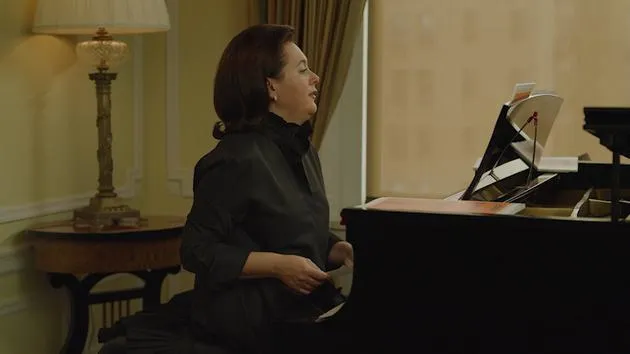
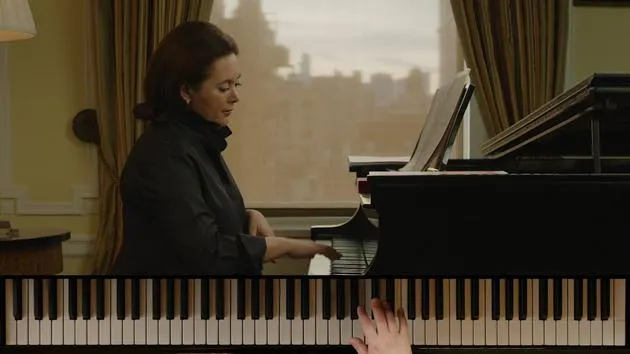
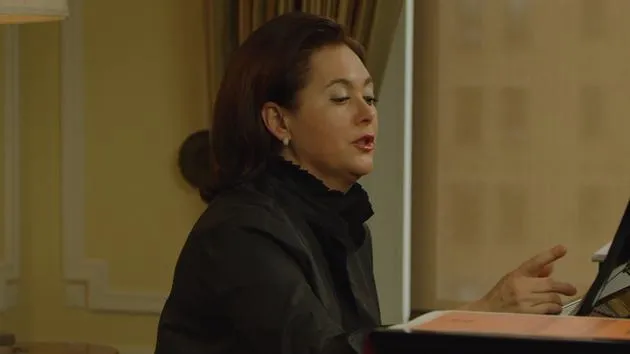
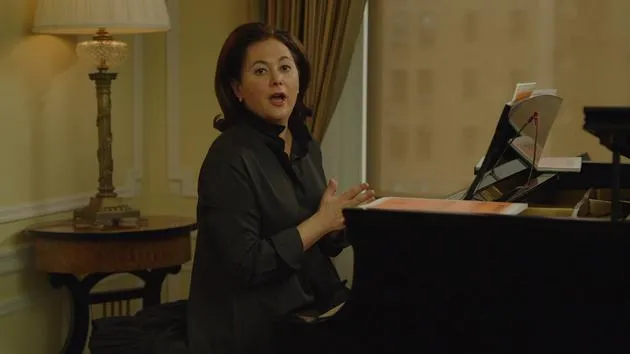
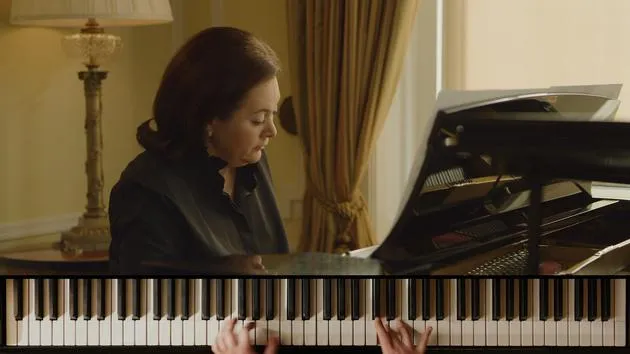
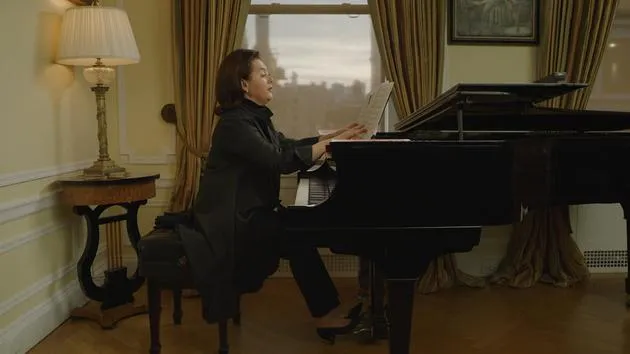
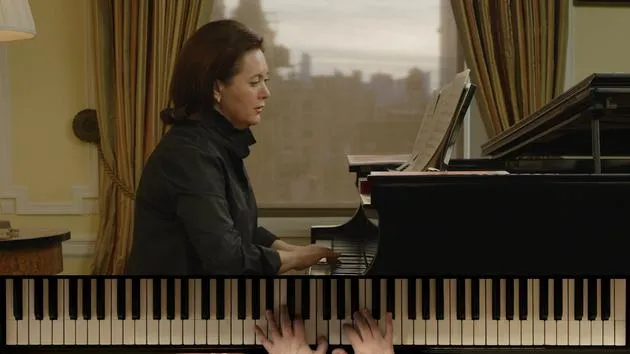
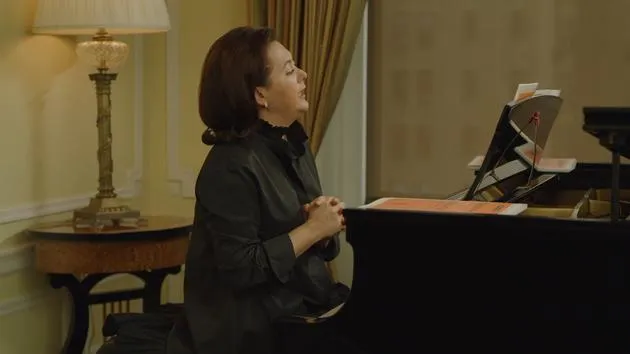
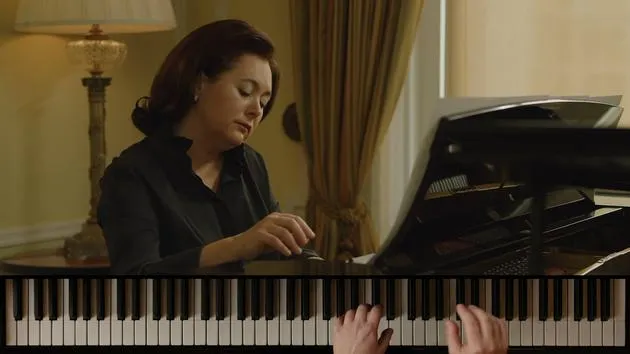
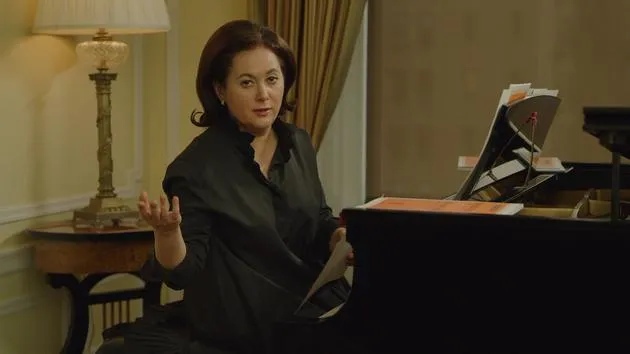
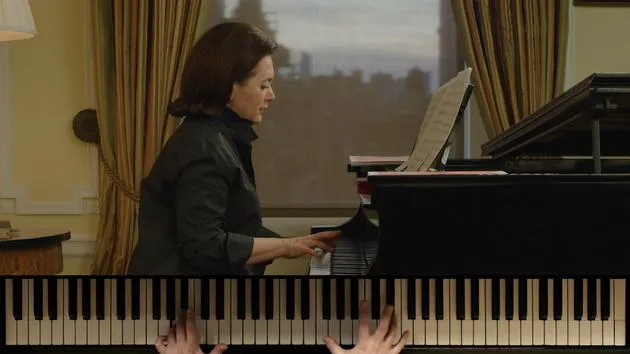
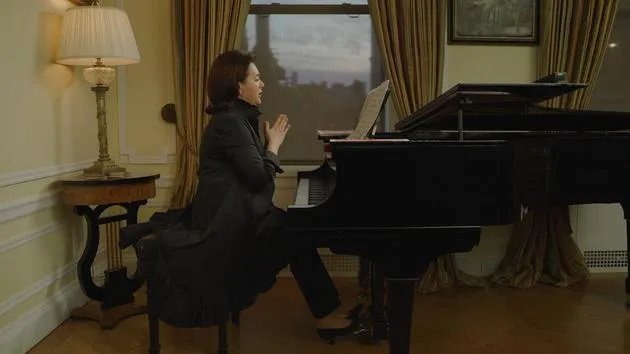
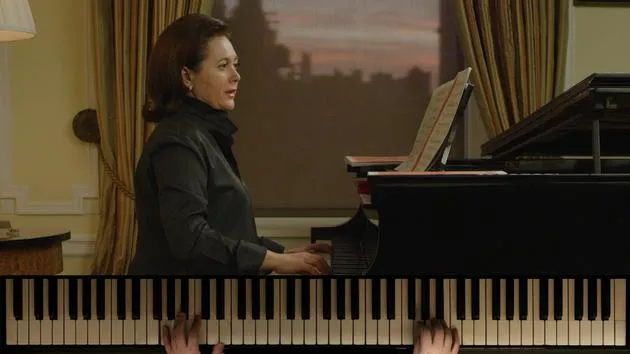
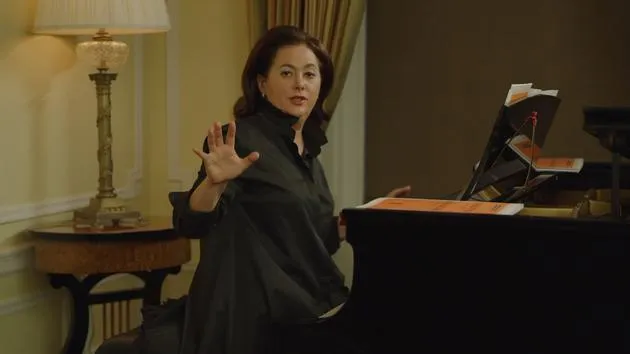
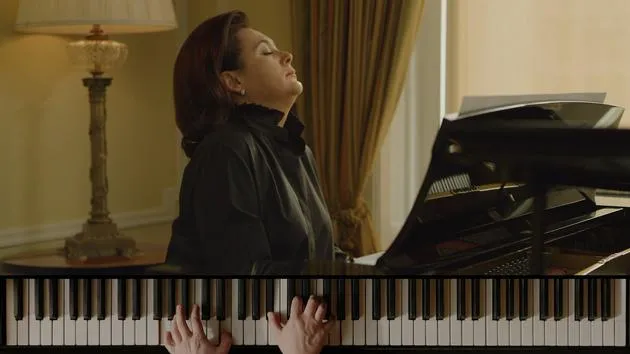
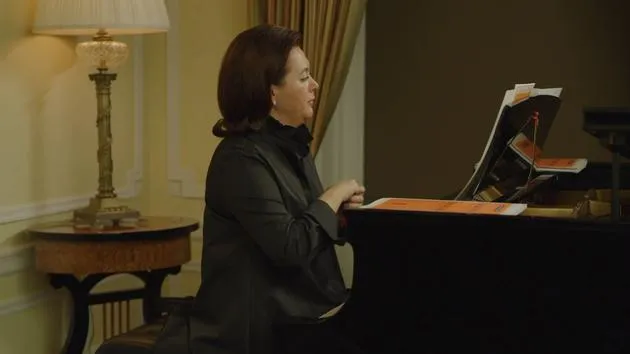
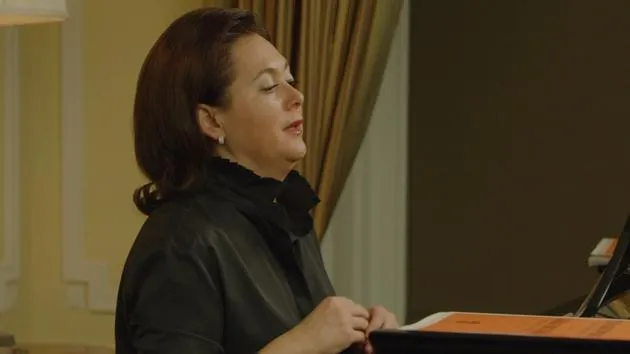
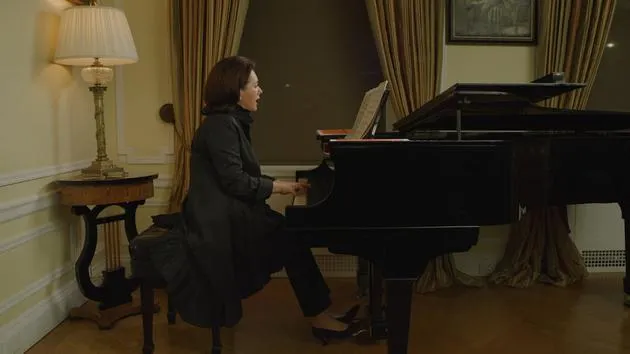
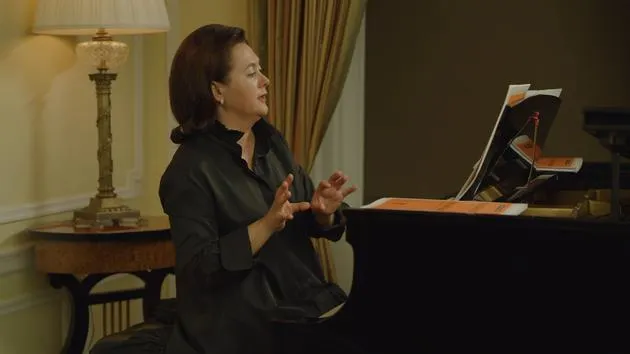
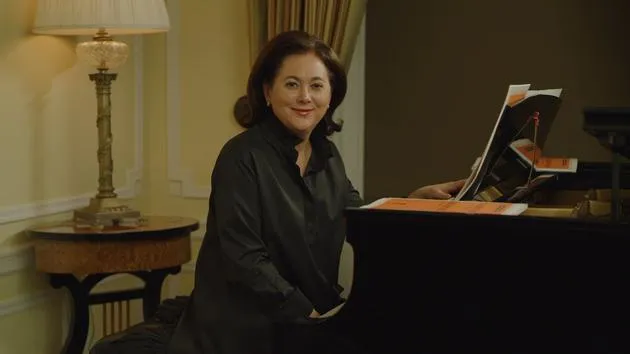
Julia Zilberquit trabaja la primera sección de la March de Las estaciones de Tchaikovsky, centrándose en una mano izquierda libre y relajada y en un fraseo legato.
Qué incluye el curso
27 lecciones (1h 57m) · 1 gratis
Transcripción de la lección
Music Lesson: Left Hand Techniques
Introduction
In this lesson, we will focus on the left hand and its role throughout the piece.
Practice Suggestions
-
Long Notes:
- Begin by taking a long note, whether it's a G in the first section or B flat in the second section.
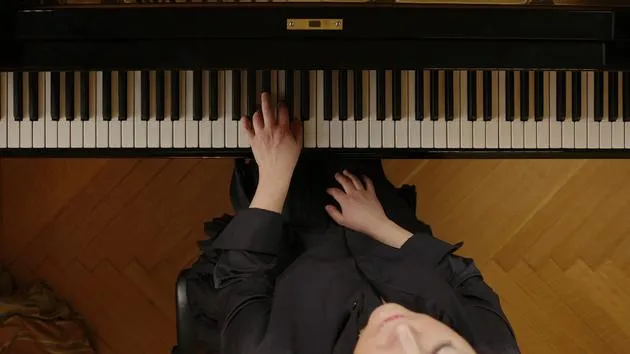
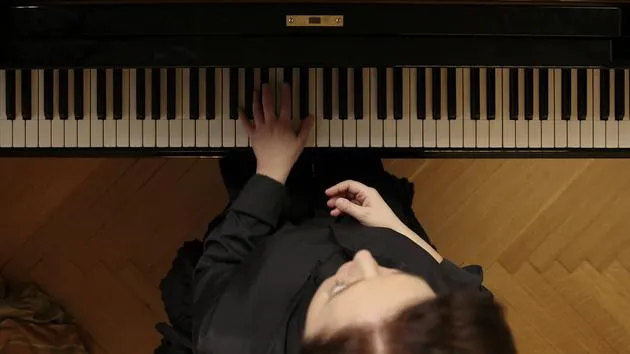
- Ensure your hand is very free:
- Your wrist should be relaxed.
- Your elbow should be out while you play the chords, holding the bass.
- This is a very good and useful practice.
-
Middle Section:
- Practice the middle voice separately.
- Create a sense of legato in the middle voice, especially when the harmony changes in the left hand.
- It's essential to hear that line in the middle part.
-
For Beginners:
- Once you've side-read the piece, work through the text.
- Practice the left hand in full, complete chords to gain a better understanding of the harmonies.
Right Hand Techniques
As we shift to the right hand, remember:
Legato & Relaxation
- Aim for a good legato.
- Keep your wrists free and elbows out.
- Tchaikovsky mimics a bird in this piece, which we will explore.
Bird Sounds
- There are two ways he mimics birds:
- A fast triplet that sounds almost like a mordant.
- Ensure your wrist is flexible and your elbow is out.
- Suggested exercise: play hands separately, then together.
Grace Notes
- In the middle part, you'll notice grace notes that sound like a bird. Focus on:
- Playing the interval first (whether a third or a fourth).
- Keeping your elbow out and relaxed while playing grace notes.
- Establish a "circle" where your wrists are free, and elbows are out.
Avoiding Short Note Dangers
- Watch for the danger of playing shorter notes too loudly.
- Maintain a controlled sound, even when mimicking a bird.
Breathing as a Singer
An essential aspect of this piece is "breathing" when you play:
- Observe the slurs that Tchaikovsky includes; they guide the phrasing.
- Ensure a long, very smooth phrase, particularly as you crescendo towards G.
- Remember, the left hand:
- Mimics and repeats the same phrasing.
Left Hand as an Equal Partner
In Tchaikovsky's compositions:
- The left hand is not merely accompaniment; it's an equal partner.
- Think in terms of dialogue, like between a violin and cello or soprano and bass.
- Echoing, imitation, and question-answer dynamics are crucial.
Important Considerations
- When playing the first phrase leading to G, the left hand should mirror this.
- Pay attention to the descending bass line in the left hand; it's structurally important.
- The left hand can also contribute to the melody, often termed the middle voice or sub voice.
- This section should create a crescendo to a note and then transition into a diminuendo to finish.
27 lecciones
1h 57m de lecciones en vídeo estructuradas
Funciones de vídeo avanzadas
Ralentiza, repite un pasaje, sigue la partitura
Móvil, tablet y ordenador
Practica donde quieras
Garantía de satisfacción 100%
30 días de garantía de devolución
Conoce a tu gurú

Conoce a tu gurú
Nacida en Rusia y estadounidense de adopción, la pianista Julia Zilberquit ha cosechado el aplauso de la crítica como recitalista, música de cámara y artista de grabación. The New York Times la elogió como "una solista excepcional" tras su interpretación en el Carnegie Hall del poema sinfónico Les Djinns de Cesar Franck para piano y orquesta con Leon Botstein y la American Symphony Orchestra.
En 2014, Warner Classics publicó su CD Bach: Complete Solo Keyboard Concertos. Esta grabación presenta el estreno de dos Concerti Grossi de Bach-Vivaldi arreglados por la Sra. Zilberquit para piano y orquesta, y fue aclamada como una "magnífica interpretación" por la prestigiosa Gramophone Magazine. Su arreglo del Concertino para 2 pianos, Op. 94 de Shostakovich para piano y orquesta se estrenó en el Carnegie Hall; lo ha interpretado por todo el mundo con gran éxito de crítica y lo ha grabado con Vladimir Spivakov y los Moscow Virtuosi. Otras grabaciones incluyen un registro en solitario, The Mystery of Bagatelles, publicado por Naxos. El CD fue elogiado como una "soberbia interpretación" por The Washington Post, y descrito como un "programa audaz, que brilla con una claridad inusual y una luminosidad puntillista" en la Piano Magazine de Londres.
Sus recitales han tenido lugar en importantes salas de conciertos, entre ellas el Weill Recital Hall del Carnegie Hall de Nueva York, el 92nd Street Y y el Alice Tully Hall del Lincoln Center. Sus compromisos en grandes festivales internacionales de música incluyen actuaciones en Seattle, Colmar (Francia), Klangbogen (Viena), las "White Nights" de Valery Gergiev (San Petersburgo), las "December Nights" de Richter (Moscú), "The Palaces of St. Petersburg", el Bard Music Festival de Nueva York y el Penderecki Festival (Polonia).
Natural de Moscú, Julia Zilberquit nació en el seno de una familia de músicos. Se graduó en la Moscow Gnessin School of Music y en The Juilliard School (clase de Bella Davidovich). Vive en Nueva York con su marido, su hijo y su hija.
En este curso recurre a ese arte para guiarte a través de cuatro movimientos de "Las estaciones" de Chaikovski -Marzo, Abril, Junio y Octubre- para que puedas dar forma tú mismo a su poesía y su color al teclado.







