



Coda
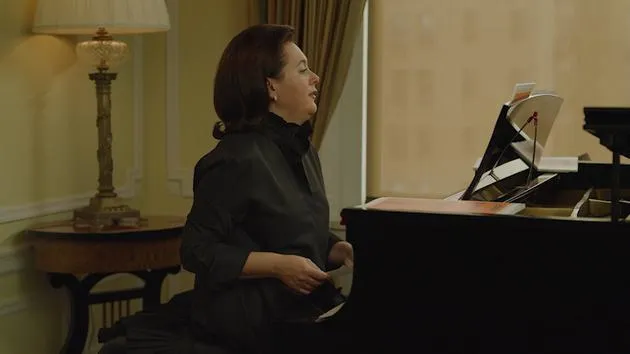
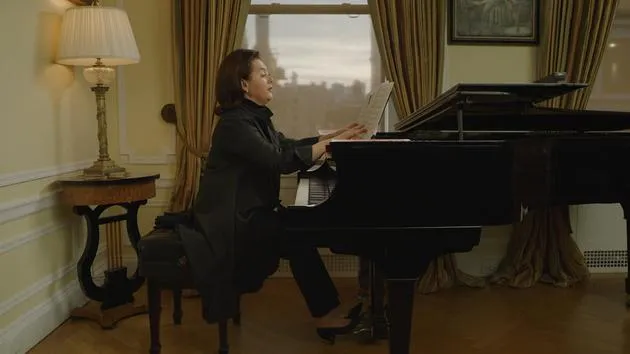
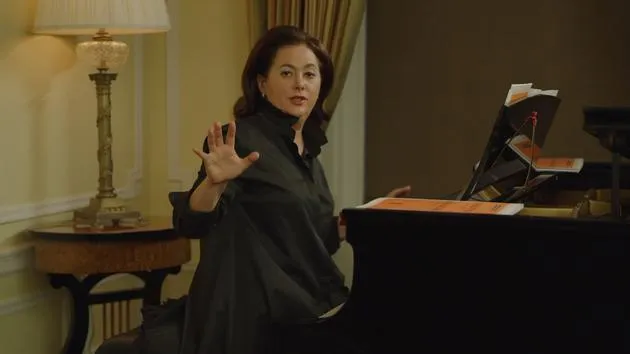
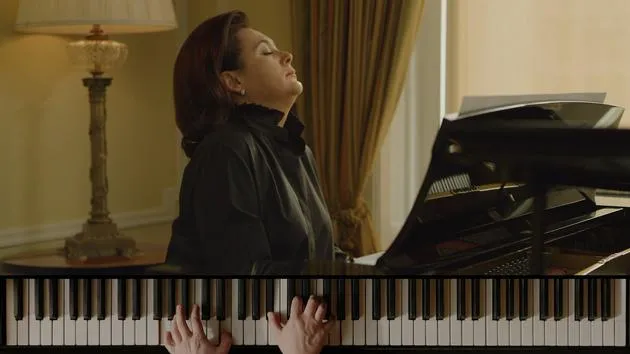
Julia Zilberquit te guía por la Coda de 'June: Barcarolle' de Chaikovski: dar voz a los acordes, sostener las notas graves y resaltar su sonoridad de cielo nocturno.
Qué incluye el curso
27 lecciones (1h 57m) · 1 gratis
Transcripción de la lección
Koda Exploration
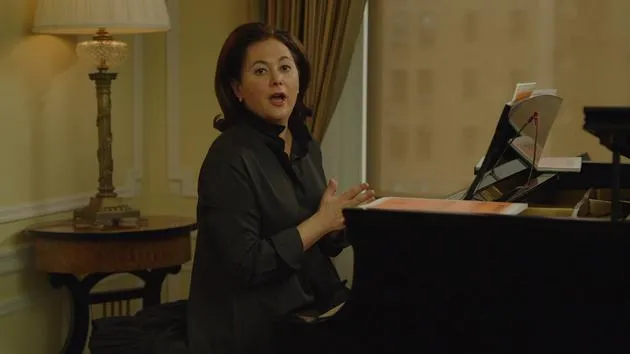
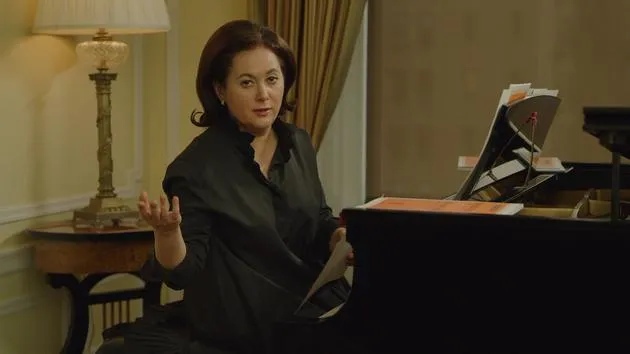
And then we arrive into the Koda.
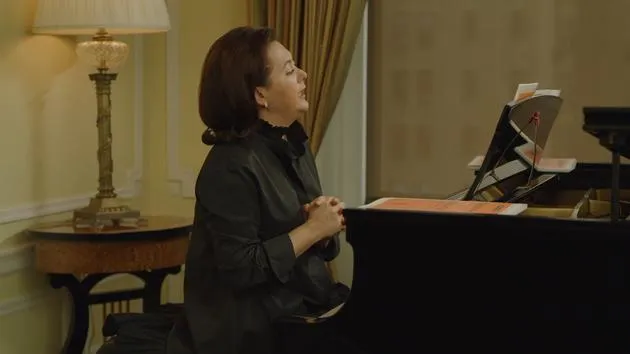
If you remember the poetry that I wrote to you, it says it was a beautiful summer night and the stars were shining or gazing upon them.
Importance of the Stars
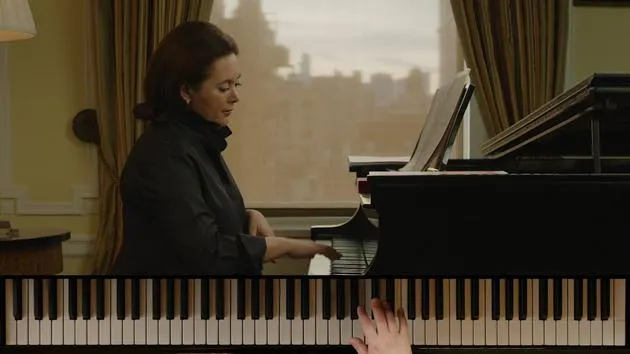
For me, it is very important to show those stars. And here they are, coming along in the lower register.
Students' Reaction
Now, some students become dazzled by this section for some odd reason. So, here's what I suggest we do:
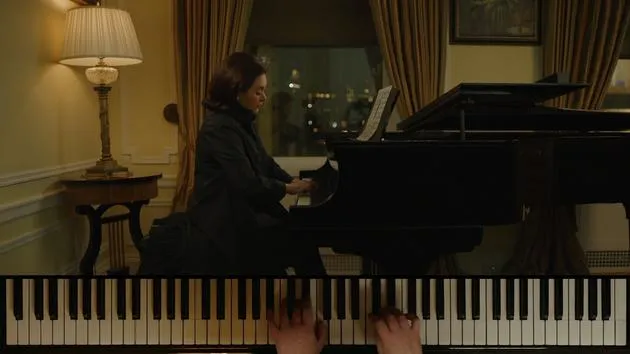
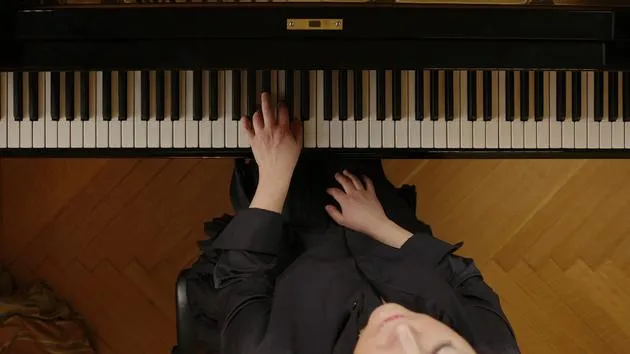
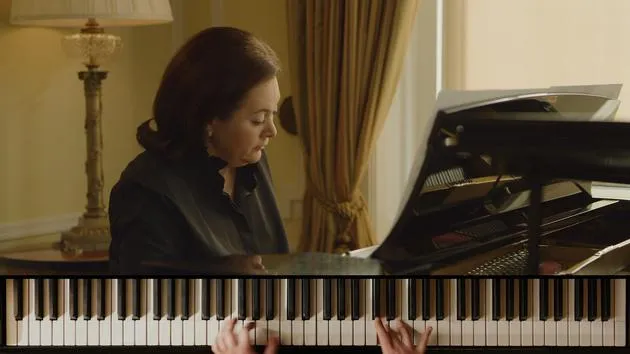
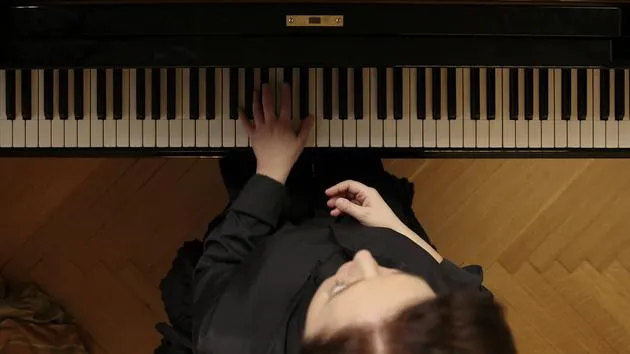
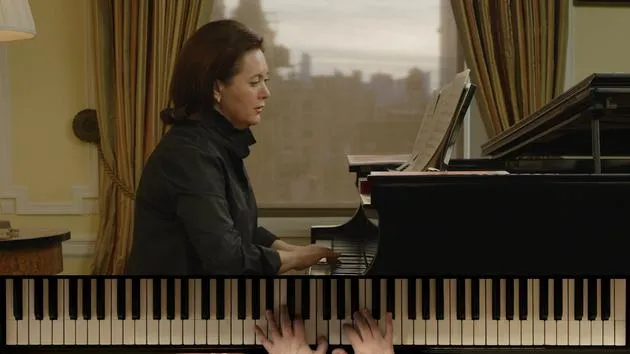
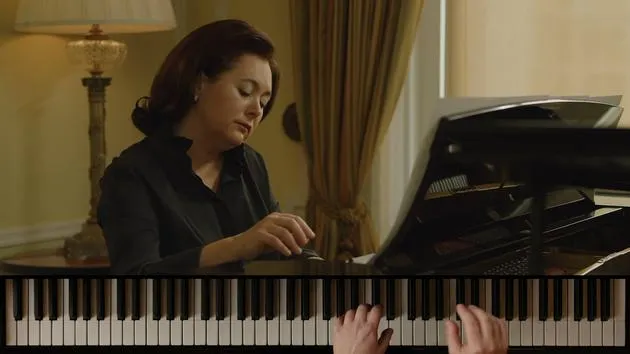
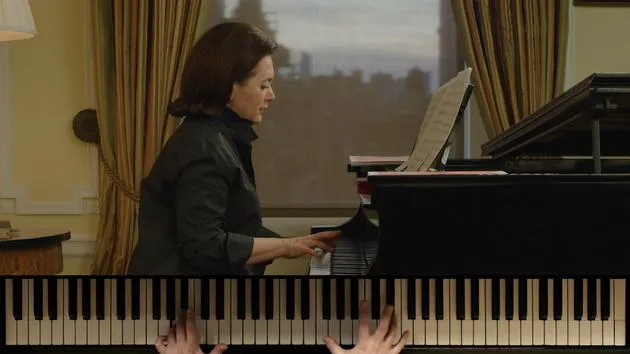
- Play the Chords: First of all, we play it as the chords, which is very useful. This will give you an idea of the hand position.
- Hold the Lower Note: We need to make sure that the lower note is held.
- Sonority of Notes: We always have a sonority of three notes or four notes. This is very important.
- Syncopation: There is some sort of syncopation as well.
- Beautiful Bass: I also want you to pay attention to the beautiful bass because it's holding it all together, and we need to hear this.
Measure 87 Insights
Now, there's a beautiful imitation. I want to also point out measure 87:
- First Edition: The first edition had an octave there instead of a second fifth.
- Tchaikovsky's Autograph: Tchaikovsky in his autograph had two fifths both times around.
- Common Practice: However, a lot of us play the octave in measure 87 just because we're so used to that. Both of them work.
Conclusion of the Koda
Now, we move to the conclusion of the Koda. The syncopated section reflects the first subsection , the so-called lullaby in the second part , which is this very soft double piano.
- Need to Hear the Line: I do need to know this; I need to hear this line.
- Crescendo: I would say it has a very small crescendo, and I do it just a little bit differently.
Arpeggiato Chords
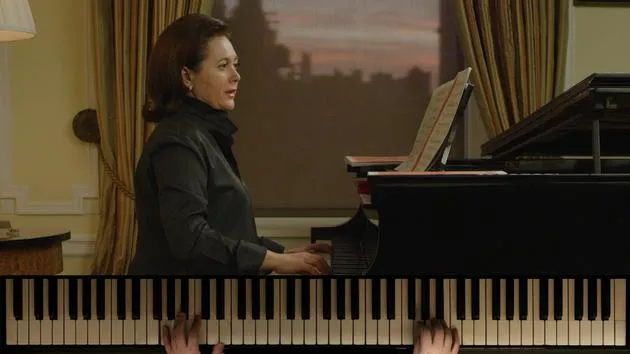
As you see, there are nine G minor arpeggiato chords at the end. So I usually do it this way:
- Starting the Crescendo: I start the crescendo a little bit later, and then I do the diminuendo.
For me, this is such a quintessential sunrise.
Ravello Music Festival
I don't know; some of you probably know that there's a famous music festival in Ravello. It's called the Ravello Music Festival, and they have the most amazing thing , a beautiful surrounding.
- Sunrise Concerts: They have what is called the sunrise concerts. When people come to listen to the concert, it's dark. Slowly, the sun rises, and by the time the program is done, it's beautiful sunshine.
For me, this is such a beautiful ending of that summer night.
27 lecciones
1h 57m de lecciones en vídeo estructuradas
Funciones de vídeo avanzadas
Ralentiza, repite un pasaje, sigue la partitura
Móvil, tablet y ordenador
Practica donde quieras
Garantía de satisfacción 100%
30 días de garantía de devolución
Conoce a tu gurú
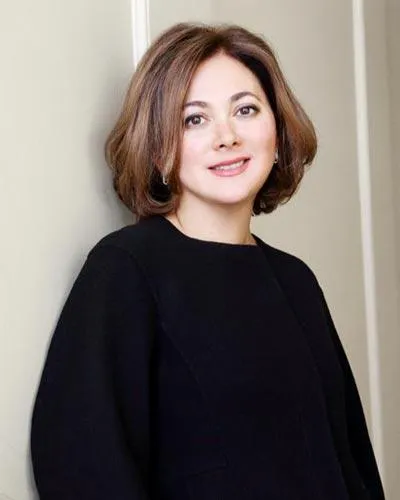
Conoce a tu gurú
Nacida en Rusia y estadounidense de adopción, la pianista Julia Zilberquit ha cosechado el aplauso de la crítica como recitalista, música de cámara y artista de grabación. The New York Times la elogió como "una solista excepcional" tras su interpretación en el Carnegie Hall del poema sinfónico Les Djinns de Cesar Franck para piano y orquesta con Leon Botstein y la American Symphony Orchestra.
En 2014, Warner Classics publicó su CD Bach: Complete Solo Keyboard Concertos. Esta grabación presenta el estreno de dos Concerti Grossi de Bach-Vivaldi arreglados por la Sra. Zilberquit para piano y orquesta, y fue aclamada como una "magnífica interpretación" por la prestigiosa Gramophone Magazine. Su arreglo del Concertino para 2 pianos, Op. 94 de Shostakovich para piano y orquesta se estrenó en el Carnegie Hall; lo ha interpretado por todo el mundo con gran éxito de crítica y lo ha grabado con Vladimir Spivakov y los Moscow Virtuosi. Otras grabaciones incluyen un registro en solitario, The Mystery of Bagatelles, publicado por Naxos. El CD fue elogiado como una "soberbia interpretación" por The Washington Post, y descrito como un "programa audaz, que brilla con una claridad inusual y una luminosidad puntillista" en la Piano Magazine de Londres.
Sus recitales han tenido lugar en importantes salas de conciertos, entre ellas el Weill Recital Hall del Carnegie Hall de Nueva York, el 92nd Street Y y el Alice Tully Hall del Lincoln Center. Sus compromisos en grandes festivales internacionales de música incluyen actuaciones en Seattle, Colmar (Francia), Klangbogen (Viena), las "White Nights" de Valery Gergiev (San Petersburgo), las "December Nights" de Richter (Moscú), "The Palaces of St. Petersburg", el Bard Music Festival de Nueva York y el Penderecki Festival (Polonia).
Natural de Moscú, Julia Zilberquit nació en el seno de una familia de músicos. Se graduó en la Moscow Gnessin School of Music y en The Juilliard School (clase de Bella Davidovich). Vive en Nueva York con su marido, su hijo y su hija.
En este curso recurre a ese arte para guiarte a través de cuatro movimientos de "Las estaciones" de Chaikovski -Marzo, Abril, Junio y Octubre- para que puedas dar forma tú mismo a su poesía y su color al teclado.







