



Welche Hammond-Techniken funktionieren auf Klonen?
Lesson time: (1min 50sec)
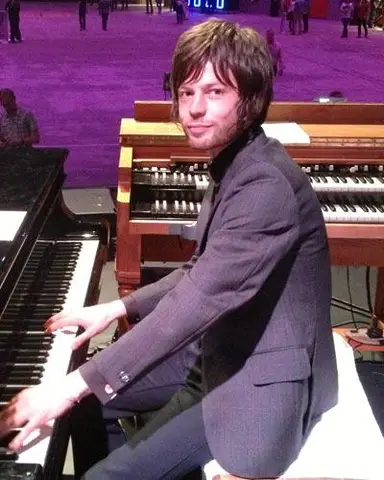
Joe Glossop zeigt, welche klassischen Hammond-Techniken sich auf digitale Klone übertragen lassen, und demonstriert dies auf dem eingeschränkteren Nord Electro 5D.
Course preview
This lesson is part of the course Spiele die Hammond-Orgel authentisch
Watch a preview of the full course below.
Lesson transcript:
Techniques for Hammond and Digital Clones
In our previous discussion, we explored specific techniques that are characteristic of Hammond organs, many of which can also be applied to digital clones. Let's review some of these techniques:
Key Techniques
-
Quickly Repeated Note with Percussion
This technique translates well to digital versions. The reproduction is quite faithful. -
Held Note with Drawbar Variations
The digital clones also handle this well.
Tip: If I set it to slow, without vibrato or percussion, you can really hear the drawbar variations. -
Leslie Simulation
The simulation isn't bad at all. While it can't replicate the physical act of moving air and placing a mic in front of it, you can get reasonably close.
Recommendation
If you have a chance to visit a studio or a friend who owns a real Hammond, I highly encourage you to give it a try. You'll have a lot of fun!
Conclusion
In the meantime, using digital clones is a very good starting point for practicing and exploring these techniques.
About the instructor
Joe Glossop ist ein Keyboarder aus Sheffield, der sich an der Hammond-Orgel einen Namen gemacht hat. Derzeit hat er den Orgelplatz in Tom Jones' Tourband inne und hat mit Van Morrison und James Hunter gespielt, ebenso an Klavier und Rhodes. Seine Kurse holen den echten Hammond-Sound aus jedem Keyboard heraus: die Zugriegel-Registrierung, das Leslie, den Walking Bass der linken Hand und das Begleit- und Solovokabular der Soul-Jazz-, Blues- und Rock-Orgeltraditionen, von Jimmy Smith bis Booker T. read more