



Die Welt des Sync

Mit
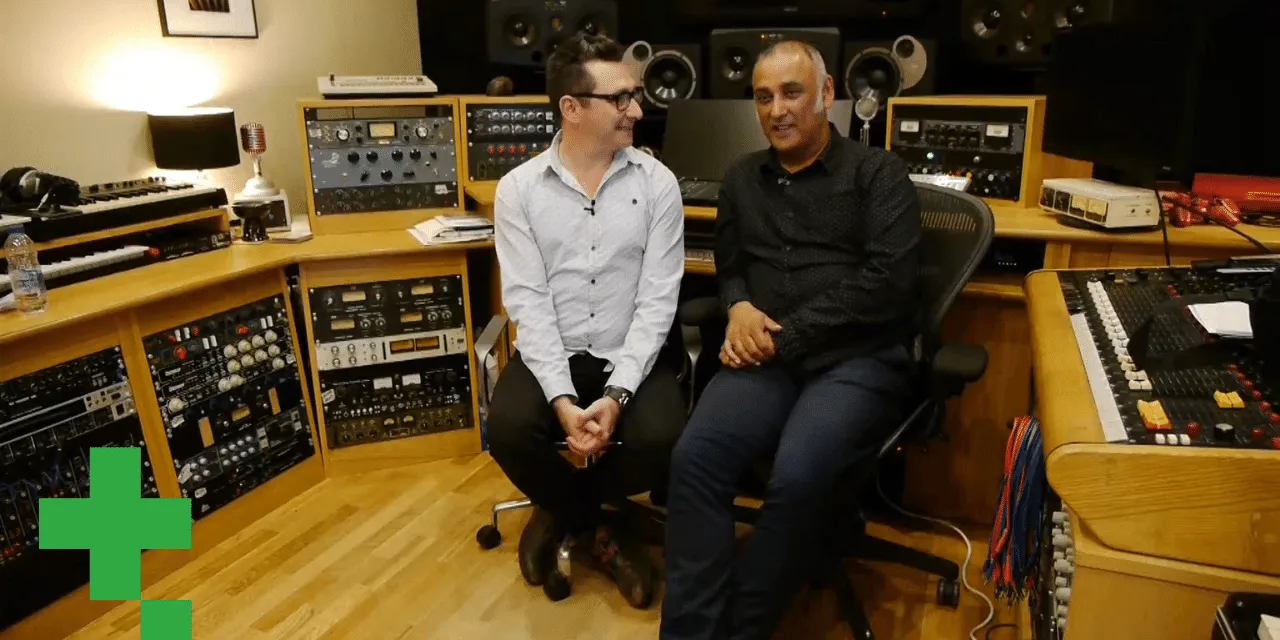
Jay MistryJay Mistry erklärt Sync, die kommerzielle Verbindung von Musik und bewegtem Bild, wie Lizenzierung funktioniert und welche Rolle MCPS und Library-Musik dabei spielen.
Das steckt im Kurs
21 Lektionen (4h 21m) · 1 gratis
01. Einführung mit Harry Leckstein und Jay Mistry
11:37
02. Eine kurze Geschichte des Musikverlags
6:10
03. Copyright (Arten von Rechten) & Tantiemen
Gratis-Lektion11:19
04. Rat für Künstler: bezahlt werden & mit Verlagen arbeiten
15:35
05. Vorschüsse, Exklusivität und Arten von Verlagsverträgen
14:27
06. Auf eigene Faust loslegen
3:01

07. Der Games-Markt
2:55
08. Verlagsverträge verstehen
11:51
09. Die Welt des Sync
Du bist hier8:23
10. Sonic Branding und was ein Brief ist. Fallstudie: Ollie Raphael
3:54

11. Sync-Jargon-Entschlüssler & Mythen-Aufklärer
8:38

12. Die Rollen in der TV- und Filmbranche verstehen
11:43
13. Letzte Ratschläge
9:43

01. Interview mit Ollie Raphael – Delicious Digital & die Arbeit mit dem Radio
11:38

02. Interview mit Dan Mallender (Phase Music) - Musik, Promos und Trailer für die TV-, Radio-, Film- und Gaming-Branche
16:04

03. Interview mit Rachel Menzies - Musiksupervision
11:19
04. Interview mit Richard Ford (Anger Music) - Arbeiten mit Komponisten
16:23

05. Interview mit Stuart Belsham - PRS entdecken
37:15
06. Interview mit Alessio Nanni (via Skype) - Pianist & Komponist
15:02
07. Interview mit Rob Manning (per Skype) - Film- und TV-Komponist
15:23

08. Interview mit Xiaotian Shi (via Skype) - Film- & TV-Komponist
18:40
Transkript der Lektion
Understanding Sync and Licensing in Music
Definition of Sync
Synchronization, or sync, is essentially the commercial marriage of music to moving images.
Licensing Explained
Licensing, on the other hand, encompasses various scenarios:
- Within a record company: Licensing a song for a compilation.
- TV programs or films: The use of a song in different media.
In essence, licensing is the legal process you go through to allow someone to use your music in another context.
Commercial and Ethical Considerations
When discussing sync, we also need to consider:
- Commercial considerations: How your music will be used and associated.
- Ethical considerations: Some artists may have specific brands they prefer not to be associated with.
Quote: "In publishing contracts, you often find clauses that allow you to specify certain brands you don't want to sync your music with."
Syncing and Library Music
Differences Between Commercial Tracks and Library Music
- Commercial tracks are existing recordings licensed for use in various projects.
- Library music is specially composed for TV, film, or media, making it readily available for sync.
Instrumental vs. Vocal Music
What Percentage is Synced?
- Approximately 80% of synced music is instrumental.
- About 20% is vocal.
Typically, themes in media may include vocals for interest, but background music, especially during dialogue, tends to be instrumental to avoid distraction.
Composing for the Sync Market
Getting Started
To showcase your work in the sync market:
- Research briefs: Some websites offer opportunities to submit compositions.
- Write to existing footage: Use film or trailer clips to create original music without listening to existing scores.
Tip: Always credit your work appropriately, and if you showcase music and visuals together, ensure you have permission if you intend to monetize it.
Collaboration with Film Schools
Reaching out to film schools is a great way to find opportunities:
- Team up with students working on short films to create original scores.
Balance Between MCPS and Library Music
Understanding Royalties
In the UK:
- Joining MCPS (Mechanical-Copyright Protection Society) provides access to a network of broadcasters.
- If you're part of MCPS, you're bound by their rate card, which means you cannot negotiate your own rates.
Criteria for Being a Library:
- Typically requires a minimum of around 30 tracks.
Publishers and Libraries
An individual can function as a library by joining as a publisher, but:
- Being a non-MCPS member allows you to negotiate your fees directly with networks, though it may require significant effort.
Broadcaster Preferences
From a broadcaster's perspective:
- They tend to prefer MCPS libraries due to the streamlined negotiation process and the efficiency it offers in selecting music.
Closing Thought: It ultimately hinges on the desirability of your music. If it's in high demand, broader negotiations may take place, but MCPS offers a simpler solution for many broadcasters.
21 Lektionen
4 Std. 21 Min. strukturierte Videolektionen
Erweiterte Videofunktionen
Verlangsamen, Passagen loopen, mitlesen
Handy, Tablet & Desktop
Üben, wo du willst
100 % Zufriedenheitsgarantie
30 Tage Geld-zurück-Garantie
Lern deinen Guru kennen
Lern deinen Guru kennen
Jay Mistry ist ein Veteran der Musikbranche mit 30 Jahren Erfahrung und beherrscht die meisten Aspekte des Musikgeschäfts.
Jay begann seine Laufbahn bei der Performing Right Society, bevor er zu BMG Music Publishing wechselte, wo er gebeten wurde, die Abteilung für die Nachverfolgung von Einnahmen von Grund auf aufzubauen. 2003 gründete er Musical Sleuth Ltd, den ersten unabhängigen Royalty-Tracking-Dienst seiner Art, der Kunden wie Eric Clapton und The Beatles zählte.
Nachdem er die Feinheiten von Urheberrecht und Tantiemen gemeistert hatte, wurde Jay 2009 gebeten, Director of Music Services bei The Discovery Channel zu werden. Sein Erfolg bei Discovery bewog die New Yorker Unternehmer Jingle Punks, ihn zu holen, um ihr US-Verlagsgeschäft aufzubauen und zu stabilisieren und zugleich ihr globales Inkasso-Netzwerk auszubauen. Jay berät heute eine Reihe hochkarätiger Komponisten, Musikbibliotheken, Filmproduzenten, Verlage und Tech-Plattformen.
In A Guide To Music Publishing And Synchronization bringt Jay drei Jahrzehnte aus dem Innersten des Geschäfts auf klare, praxisnahe Ratschläge und zeigt dir, wie Verlagswesen, Urheberrecht, Tantiemen und Sync-Deals wirklich funktionieren – und wie du sie für dich arbeiten lässt.







