



Sync-Jargon-Entschlüssler & Mythen-Aufklärer

Mit
Jay Mistry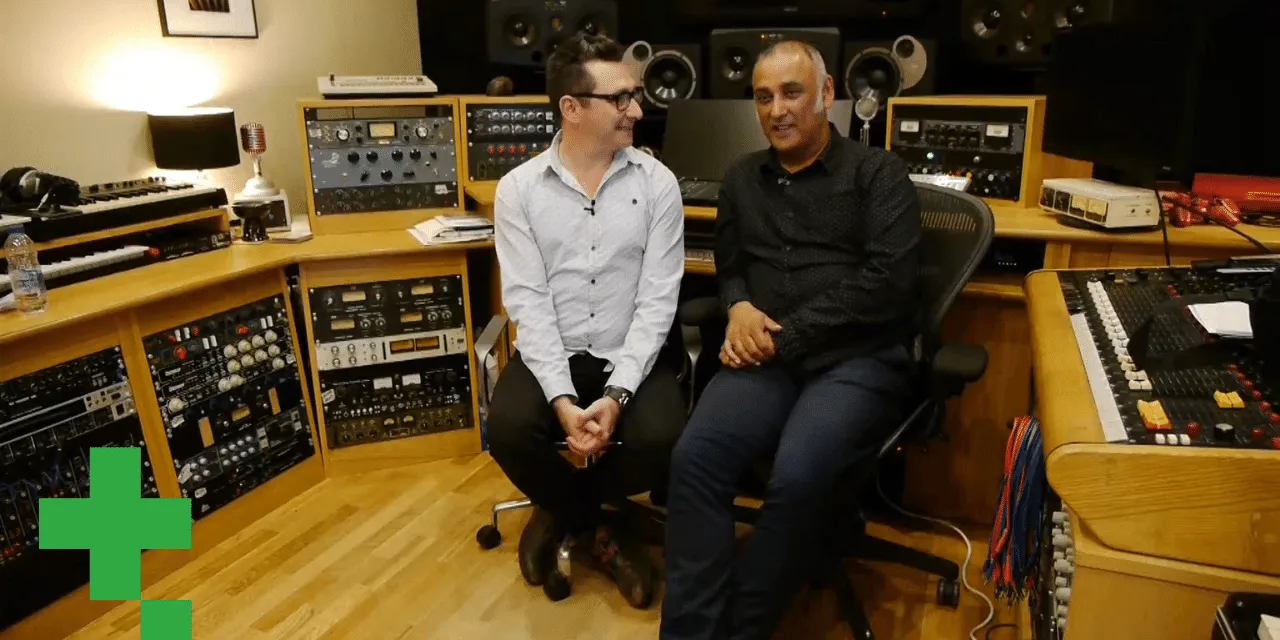
Das steckt im Kurs
21 Lektionen (4h 21m) · 1 gratis
01. Einführung mit Harry Leckstein und Jay Mistry
11:37
02. Eine kurze Geschichte des Musikverlags
6:10
03. Copyright (Arten von Rechten) & Tantiemen
Gratis-Lektion11:19
04. Rat für Künstler: bezahlt werden & mit Verlagen arbeiten
15:35
05. Vorschüsse, Exklusivität und Arten von Verlagsverträgen
14:27
06. Auf eigene Faust loslegen
3:01
07. Der Games-Markt
2:55
08. Verlagsverträge verstehen
11:51
09. Die Welt des Sync
8:23
10. Sonic Branding und was ein Brief ist. Fallstudie: Ollie Raphael
3:54
11. Sync-Jargon-Entschlüssler & Mythen-Aufklärer
Du bist hier8:38
12. Die Rollen in der TV- und Filmbranche verstehen
11:43
13. Letzte Ratschläge
9:43
01. Interview mit Ollie Raphael – Delicious Digital & die Arbeit mit dem Radio
11:38

02. Interview mit Dan Mallender (Phase Music) - Musik, Promos und Trailer für die TV-, Radio-, Film- und Gaming-Branche
16:04
03. Interview mit Rachel Menzies - Musiksupervision
11:19
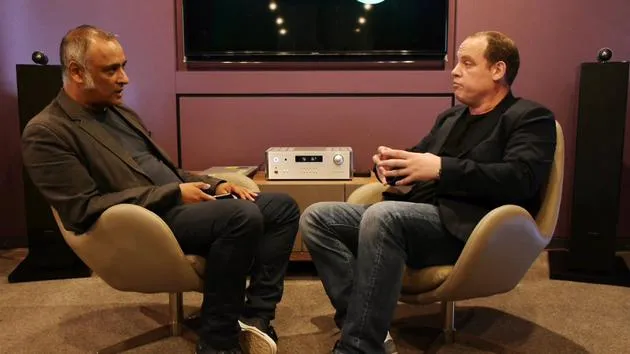
04. Interview mit Richard Ford (Anger Music) - Arbeiten mit Komponisten
16:23
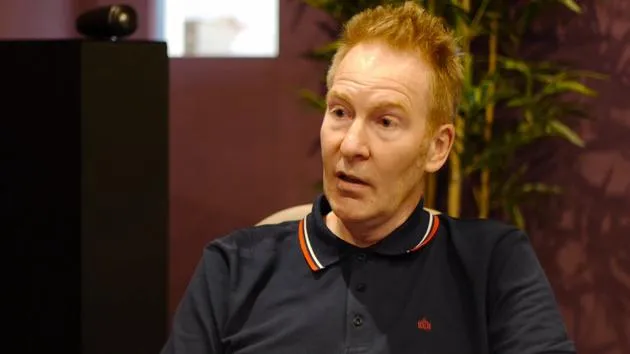
05. Interview mit Stuart Belsham - PRS entdecken
37:15
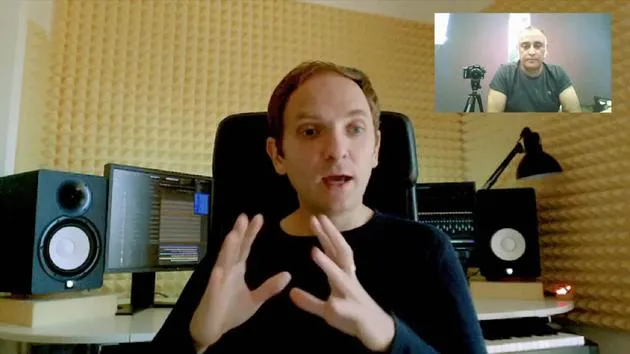
06. Interview mit Alessio Nanni (via Skype) - Pianist & Komponist
15:02
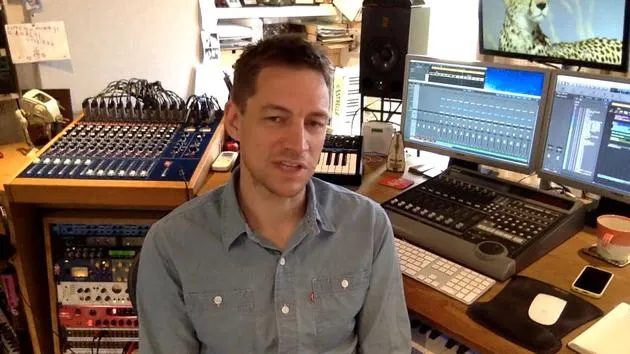
07. Interview mit Rob Manning (per Skype) - Film- und TV-Komponist
15:23

08. Interview mit Xiaotian Shi (via Skype) - Film- & TV-Komponist
18:40
Transkript der Lektion
Music Terminology Explained
Promo
A promo is a promotional tool used by TV channels or film studios to generate interest in shows or films. For example, a network might create a trailer for a popular series like Game of Thrones to draw viewers in.
- Purpose: Tease upcoming episodes or films.
- Music: Promos often incorporate various pieces of music to enhance appeal. Trailer houses, companies that produce these trailers, vary in quality and resources, with successful ones investing significant time in crafting a compelling promo.
Music in Trailers
- Composers may spend considerable time creating short pieces (30 seconds to 2 minutes) specifically for trailers.
- Multiple music tracks can be mixed in a single trailer, combining different sounds or themes to create an exciting auditory experience.
Components of Trailers
- Trailers frequently use rapid cuts and edits, especially in high-energy genres like thrillers or action films, showcasing various scenes backed by diverse musical elements.
- Tips for Aspiring Composers:
- Watch and Listen: Analyze the music in trailers to identify different components.
- Showreel Diversity: Include various sync pieces, such as background scores and promos.
- Three-Part Structure: Consider a trailer as a mini orchestration, typically featuring:
- Introduction: Starts quietly.
- Build: Gradually intensifies.
- Crescendo & Drop: Concludes dramatically, leaving viewers eager for more.
Ident
An ident (or identifier) refers to the short piece of music and visuals that represent a TV channel.
- Purpose: Create brand recognition.
- Seasonal Themes: Channels often modify idents with the seasons, aligning them with specific events like motorsports or tennis.
Beds
Beds are underlying music pieces used to set the mood in a TV show or film.
- Types: They vary in prominence, from subtle background scores to more noticeable accompaniments.
- Mood Setting: Even a repetitive or minimalist line from a single instrument, like a cello, can evoke emotions, enhancing the visual experience.
The Power of Silence
Sometimes, leaving out music entirely can be more impactful.
- Tension Beds: A single note from a violin, for example, can build tension without overwhelming the scene.
Edits
Edits refer to different versions of the same piece of music created for various uses, often outlined in contracts with publishers.
- Examples:
- Instrumental tracks.
- Vocal versions with different edits (e.g., 10 seconds, 30 seconds, or 1 minute).
Showreel Advice
For a showreel, brevity is key.
- Focus on Relevance: Highlight the most impactful segments of your work rather than showcasing an entire track with a lengthy introduction.
- Recommended Length: 10 to 20 seconds per clip is ideal to maintain viewer engagement and showcase variety.
By understanding these terms, aspiring composers can effectively navigate the intricacies of creating and promoting music for visual media.
21 Lektionen
4 Std. 21 Min. strukturierte Videolektionen
Erweiterte Videofunktionen
Verlangsamen, Passagen loopen, mitlesen
Handy, Tablet & Desktop
Üben, wo du willst
100 % Zufriedenheitsgarantie
30 Tage Geld-zurück-Garantie
Lern deinen Guru kennen
Lern deinen Guru kennen
Jay Mistry ist ein Veteran der Musikbranche mit 30 Jahren Erfahrung und beherrscht die meisten Aspekte des Musikgeschäfts.
Jay begann seine Laufbahn bei der Performing Right Society, bevor er zu BMG Music Publishing wechselte, wo er gebeten wurde, die Abteilung für die Nachverfolgung von Einnahmen von Grund auf aufzubauen. 2003 gründete er Musical Sleuth Ltd, den ersten unabhängigen Royalty-Tracking-Dienst seiner Art, der Kunden wie Eric Clapton und The Beatles zählte.
Nachdem er die Feinheiten von Urheberrecht und Tantiemen gemeistert hatte, wurde Jay 2009 gebeten, Director of Music Services bei The Discovery Channel zu werden. Sein Erfolg bei Discovery bewog die New Yorker Unternehmer Jingle Punks, ihn zu holen, um ihr US-Verlagsgeschäft aufzubauen und zu stabilisieren und zugleich ihr globales Inkasso-Netzwerk auszubauen. Jay berät heute eine Reihe hochkarätiger Komponisten, Musikbibliotheken, Filmproduzenten, Verlage und Tech-Plattformen.
In A Guide To Music Publishing And Synchronization bringt Jay drei Jahrzehnte aus dem Innersten des Geschäfts auf klare, praxisnahe Ratschläge und zeigt dir, wie Verlagswesen, Urheberrecht, Tantiemen und Sync-Deals wirklich funktionieren – und wie du sie für dich arbeiten lässt.







