



Auf eigene Faust loslegen

Mit
Jay Mistry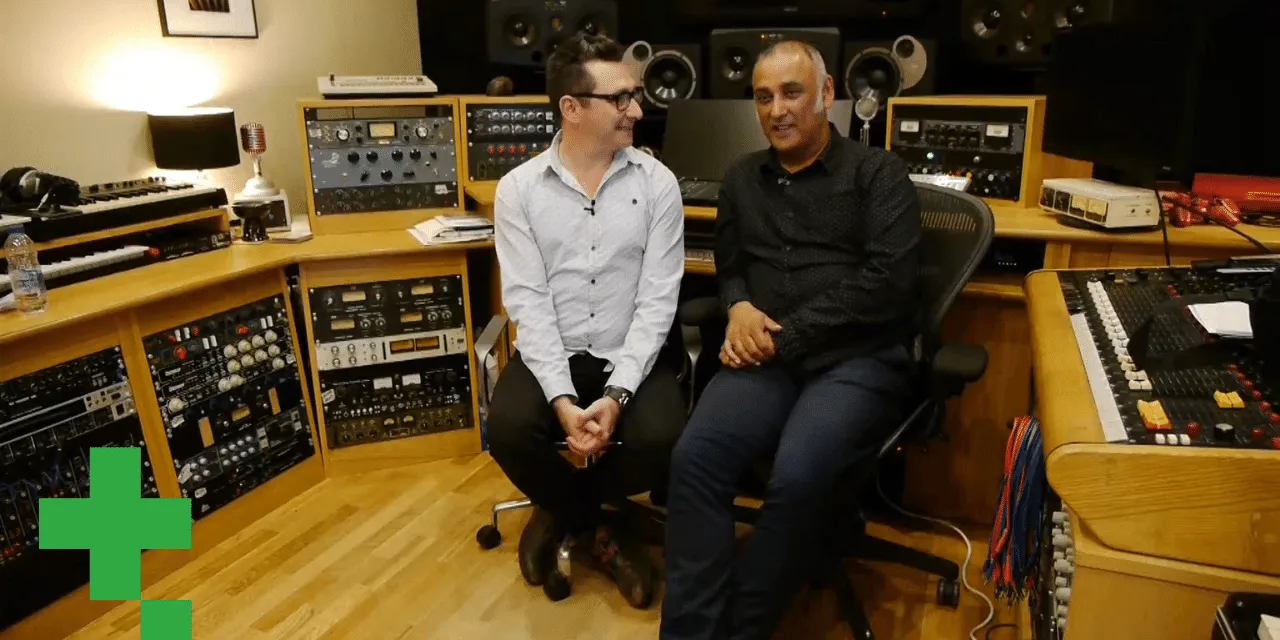
Das steckt im Kurs
21 Lektionen (4h 21m) · 1 gratis
01. Einführung mit Harry Leckstein und Jay Mistry
11:37
02. Eine kurze Geschichte des Musikverlags
6:10
03. Copyright (Arten von Rechten) & Tantiemen
Gratis-Lektion11:19
04. Rat für Künstler: bezahlt werden & mit Verlagen arbeiten
15:35
05. Vorschüsse, Exklusivität und Arten von Verlagsverträgen
14:27
06. Auf eigene Faust loslegen
Du bist hier3:01
07. Der Games-Markt
2:55
08. Verlagsverträge verstehen
11:51
09. Die Welt des Sync
8:23
10. Sonic Branding und was ein Brief ist. Fallstudie: Ollie Raphael
3:54
11. Sync-Jargon-Entschlüssler & Mythen-Aufklärer
8:38
12. Die Rollen in der TV- und Filmbranche verstehen
11:43
13. Letzte Ratschläge
9:43
01. Interview mit Ollie Raphael – Delicious Digital & die Arbeit mit dem Radio
11:38
02. Interview mit Dan Mallender (Phase Music) - Musik, Promos und Trailer für die TV-, Radio-, Film- und Gaming-Branche
16:04
03. Interview mit Rachel Menzies - Musiksupervision
11:19
04. Interview mit Richard Ford (Anger Music) - Arbeiten mit Komponisten
16:23
05. Interview mit Stuart Belsham - PRS entdecken
37:15
06. Interview mit Alessio Nanni (via Skype) - Pianist & Komponist
15:02
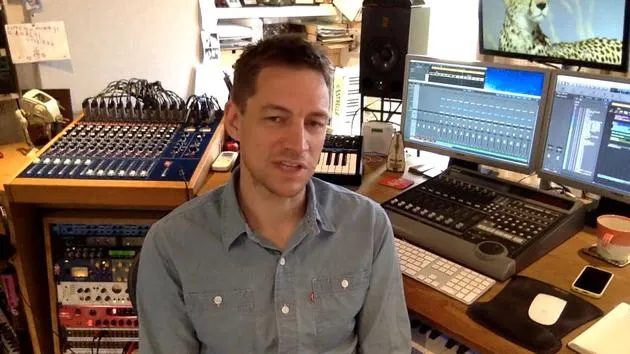
07. Interview mit Rob Manning (per Skype) - Film- und TV-Komponist
15:23
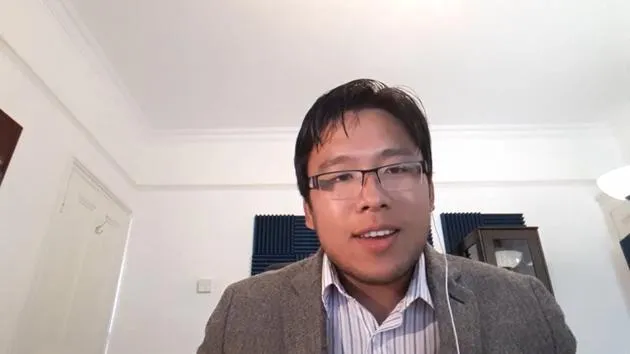
08. Interview mit Xiaotian Shi (via Skype) - Film- & TV-Komponist
18:40
Transkript der Lektion
Taking Initiative in Songwriting
I suppose, you know, just taking your own initiative. If people are listening to this and thinking, "Well, that's amazing, but I'm not signed to a publisher," let me tell you:
- Form a Collective: You can get together with some mates or other people you know who write music.
- Diverse Collaboration: If you've spent all of your time writing hip hop, consider collaborating with somebody who writes folk, or whatever genre inspires you.
You can absolutely do this independently. You don't necessarily need to be signed to attend a songwriting camp.
Creative Process
Oh, right, right! It's really more about the creative process. For example, if we mentioned Notting Hill and John Saunderson is there:
- If you give him something he likes, he's likely to introduce you to other songwriters to elevate your skills.
- You'll be writing with people who do this day in and day out.
- And keep in mind, he hasn't shelled out an advance for you initially.
If you write a great track, he might say, "Well, let's do a single song assignment," as we discussed earlier. Then, you can work from there.
It's a great way to start your research. Earlier, we spoke about researching publishing companies. You might want to find out what kind of sub-publishing deals they offer.
Hallmark of a Good Publisher
Surely, that's a hallmark of a good publisher, someone who organizes lots of songwriter camps and networking events.
- Yes, absolutely! To me, that's what defines a proactive publisher.
We talked about collection deals and admin deals, those where you're basically just registering and collecting. This is one type of publisher.
Behind the Scenes vs. Proactive Publishers
- Behind the Scenes: Almost like the behind-the-scenes publishers.
- Proactive Publishers: Then you have someone like Notting Hill or Downtown, or other firms that are very proactive.
It really depends on what sort of composer you are. If you enjoy an environment where you can do co-writes, that's fantastic.
Do Your Homework
But remember to do your homework, find out what these publishers do.
The other side to consider is the inbox side. A good publisher should have connections with:
- Broadcasters
- Filmmakers
- Ad agencies
Important Note: They should be receiving plenty of briefs and subsequently sending them out.
A&R Departments
Your A&R (Artist & Repertoire) department within a publishing company should know which brief to send to you. They should be familiar with your style and capabilities.
- For instance, if a brief comes in for some folk music or techno, they should know just the right person in their roster to send it to.
This is really important as well, having a good A&R person at a publishing company can make a significant difference in your career.
21 Lektionen
4 Std. 21 Min. strukturierte Videolektionen
Erweiterte Videofunktionen
Verlangsamen, Passagen loopen, mitlesen
Handy, Tablet & Desktop
Üben, wo du willst
100 % Zufriedenheitsgarantie
30 Tage Geld-zurück-Garantie
Lern deinen Guru kennen
Lern deinen Guru kennen
Jay Mistry ist ein Veteran der Musikbranche mit 30 Jahren Erfahrung und beherrscht die meisten Aspekte des Musikgeschäfts.
Jay begann seine Laufbahn bei der Performing Right Society, bevor er zu BMG Music Publishing wechselte, wo er gebeten wurde, die Abteilung für die Nachverfolgung von Einnahmen von Grund auf aufzubauen. 2003 gründete er Musical Sleuth Ltd, den ersten unabhängigen Royalty-Tracking-Dienst seiner Art, der Kunden wie Eric Clapton und The Beatles zählte.
Nachdem er die Feinheiten von Urheberrecht und Tantiemen gemeistert hatte, wurde Jay 2009 gebeten, Director of Music Services bei The Discovery Channel zu werden. Sein Erfolg bei Discovery bewog die New Yorker Unternehmer Jingle Punks, ihn zu holen, um ihr US-Verlagsgeschäft aufzubauen und zu stabilisieren und zugleich ihr globales Inkasso-Netzwerk auszubauen. Jay berät heute eine Reihe hochkarätiger Komponisten, Musikbibliotheken, Filmproduzenten, Verlage und Tech-Plattformen.
In A Guide To Music Publishing And Synchronization bringt Jay drei Jahrzehnte aus dem Innersten des Geschäfts auf klare, praxisnahe Ratschläge und zeigt dir, wie Verlagswesen, Urheberrecht, Tantiemen und Sync-Deals wirklich funktionieren – und wie du sie für dich arbeiten lässt.







