



Die Rollen in der TV- und Filmbranche verstehen

Mit
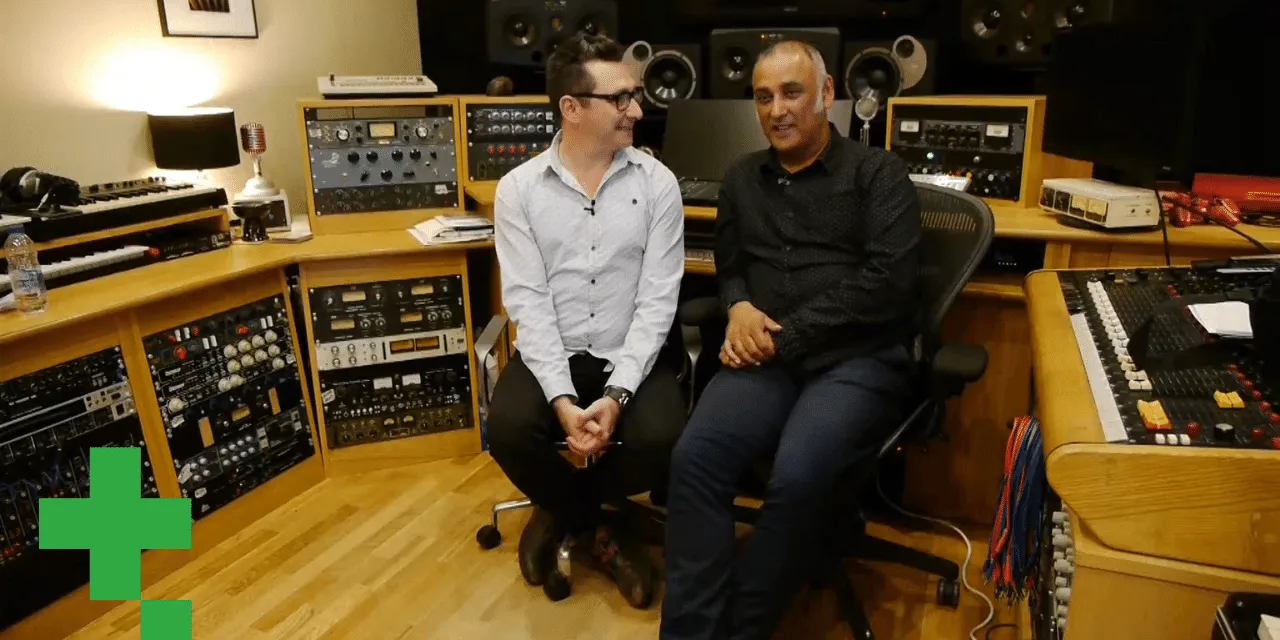
Jay MistryJay Mistry stellt die fünf Personen vor, die du in der Musik für TV und Film kennen musst - Produzent, Regisseur, Executive Producer, Cutter und Music Supervisor - und wie du mit jedem zusammenarbeitest.
Das steckt im Kurs
21 Lektionen (4h 21m) · 1 gratis
01. Einführung mit Harry Leckstein und Jay Mistry
11:37
02. Eine kurze Geschichte des Musikverlags
6:10
03. Copyright (Arten von Rechten) & Tantiemen
Gratis-Lektion11:19
04. Rat für Künstler: bezahlt werden & mit Verlagen arbeiten
15:35
05. Vorschüsse, Exklusivität und Arten von Verlagsverträgen
14:27
06. Auf eigene Faust loslegen
3:01
07. Der Games-Markt
2:55
08. Verlagsverträge verstehen
11:51
09. Die Welt des Sync
8:23
10. Sonic Branding und was ein Brief ist. Fallstudie: Ollie Raphael
3:54
11. Sync-Jargon-Entschlüssler & Mythen-Aufklärer
8:38
12. Die Rollen in der TV- und Filmbranche verstehen
Du bist hier11:43
13. Letzte Ratschläge
9:43

01. Interview mit Ollie Raphael – Delicious Digital & die Arbeit mit dem Radio
11:38

02. Interview mit Dan Mallender (Phase Music) - Musik, Promos und Trailer für die TV-, Radio-, Film- und Gaming-Branche
16:04

03. Interview mit Rachel Menzies - Musiksupervision
11:19
04. Interview mit Richard Ford (Anger Music) - Arbeiten mit Komponisten
16:23
05. Interview mit Stuart Belsham - PRS entdecken
37:15
06. Interview mit Alessio Nanni (via Skype) - Pianist & Komponist
15:02
07. Interview mit Rob Manning (per Skype) - Film- und TV-Komponist
15:23

08. Interview mit Xiaotian Shi (via Skype) - Film- & TV-Komponist
18:40
Transkript der Lektion
Understanding the Roles in Music for Media
In addition to understanding and developing your techniques for style and different range, it's essential to know the various roles in the TV and film industry that connect with the music side of things.
Key Roles in Production
- Producer
- Director
- EP (Executive Producer)
- Editor
- Music Supervisor
These are the primary roles you will likely encounter when dealing with music for media.
The Music Supervisor's Role
Let's focus on the Music Supervisor, the first logical connection point in production.
Responsibilities:
- Find the right piece of music from a library.
- Work with a composer to create bespoke music.
- Review the film script while considering budget possibilities.
Types of Music Supervisors:
- In film, they license existing music and arrange for original compositions.
- In TV, they typically curate tracks from libraries for placement.
The Producer and Director Dynamics
The Director:
- Holds the creative vision for the entire film or show.
- Looks for music that seamlessly fits the project's aesthetic.
The Producer:
- Focuses on the production aspect, budget, feasibility, and overall organization.
- Collaborates closely with the director but from a more practical standpoint.
Music in Advertising
In the advertising world, the dynamics change slightly:
- Music Advisors: Agencies often employ music advisors.
- Focus is on rapid, impactful branding.
- Ads require music that is quick to license and often involves commercial tunes or unique cover versions of iconic songs, as seen in campaigns like John Lewis ads.
The Role of Music in Digital and In-store Spaces
Music is also used strategically in the digital realm and in retail environments:
- Websites: Music can promote websites or enhance a brand's digital presence.
- In-store Displays: High-end stores, like Harrods, may use music to complement product displays.
- Events: Companies creating holograms for events will often incorporate music to enhance the audience experience.
The Opportunities in Music and Sync
With so many aspects of media touched by music and sync, there's significant potential for those starting out or looking to grow their careers.
The Importance of Networking
A crucial step for newcomers is networking, which connects you to opportunities. Many aspiring professionals ask about starting costs, but:
- 30% will go toward running the company.
- 70% should be allocated to marketing.
Building Connections:
- Attend industry lunches and dinners.
- Join clubs like The Groucho or The Hospital Club to meet media professionals.
- Engage in events that promote networking with key figures in production.
Practical Steps for Newcomers
-
Create a Showreel:
- Keep it concise: 3 to 5 minutes.
- Feature clips of 10 to 20 seconds from various projects (adverts, dramas, trailers).
- Ensure smooth transitions between clips for a cohesive flow.
-
Maximize Your Time:
- If possible, spend at least two weeks to a month in LA, the heart of film and advertising.
- Attend events like the SYNC mission funded by organizations promoting UK composers.
-
Consider Local Opportunities:
- If LA isn't feasible, research local broadcasters.
- Look for internships or volunteer positions to gain insider experience.
-
Do Your Research:
- Identify suitable companies for your music style.
- Tailor your approach, don't send a ballad demo to a rock label.
-
Network Strategically:
- Find and attend relevant industry events.
- Build relationships with individuals who are likely to be interested in your music.
Conclusion
Success in music for media relies on understanding the industry's dynamics, actively networking, and being prepared with a strong portfolio. Connect, promote, and position yourself where opportunities arise!
21 Lektionen
4 Std. 21 Min. strukturierte Videolektionen
Erweiterte Videofunktionen
Verlangsamen, Passagen loopen, mitlesen
Handy, Tablet & Desktop
Üben, wo du willst
100 % Zufriedenheitsgarantie
30 Tage Geld-zurück-Garantie
Lern deinen Guru kennen
Lern deinen Guru kennen
Jay Mistry ist ein Veteran der Musikbranche mit 30 Jahren Erfahrung und beherrscht die meisten Aspekte des Musikgeschäfts.
Jay begann seine Laufbahn bei der Performing Right Society, bevor er zu BMG Music Publishing wechselte, wo er gebeten wurde, die Abteilung für die Nachverfolgung von Einnahmen von Grund auf aufzubauen. 2003 gründete er Musical Sleuth Ltd, den ersten unabhängigen Royalty-Tracking-Dienst seiner Art, der Kunden wie Eric Clapton und The Beatles zählte.
Nachdem er die Feinheiten von Urheberrecht und Tantiemen gemeistert hatte, wurde Jay 2009 gebeten, Director of Music Services bei The Discovery Channel zu werden. Sein Erfolg bei Discovery bewog die New Yorker Unternehmer Jingle Punks, ihn zu holen, um ihr US-Verlagsgeschäft aufzubauen und zu stabilisieren und zugleich ihr globales Inkasso-Netzwerk auszubauen. Jay berät heute eine Reihe hochkarätiger Komponisten, Musikbibliotheken, Filmproduzenten, Verlage und Tech-Plattformen.
In A Guide To Music Publishing And Synchronization bringt Jay drei Jahrzehnte aus dem Innersten des Geschäfts auf klare, praxisnahe Ratschläge und zeigt dir, wie Verlagswesen, Urheberrecht, Tantiemen und Sync-Deals wirklich funktionieren – und wie du sie für dich arbeiten lässt.







