



Interview mit Ollie Raphael – Delicious Digital & die Arbeit mit dem Radio

Mit
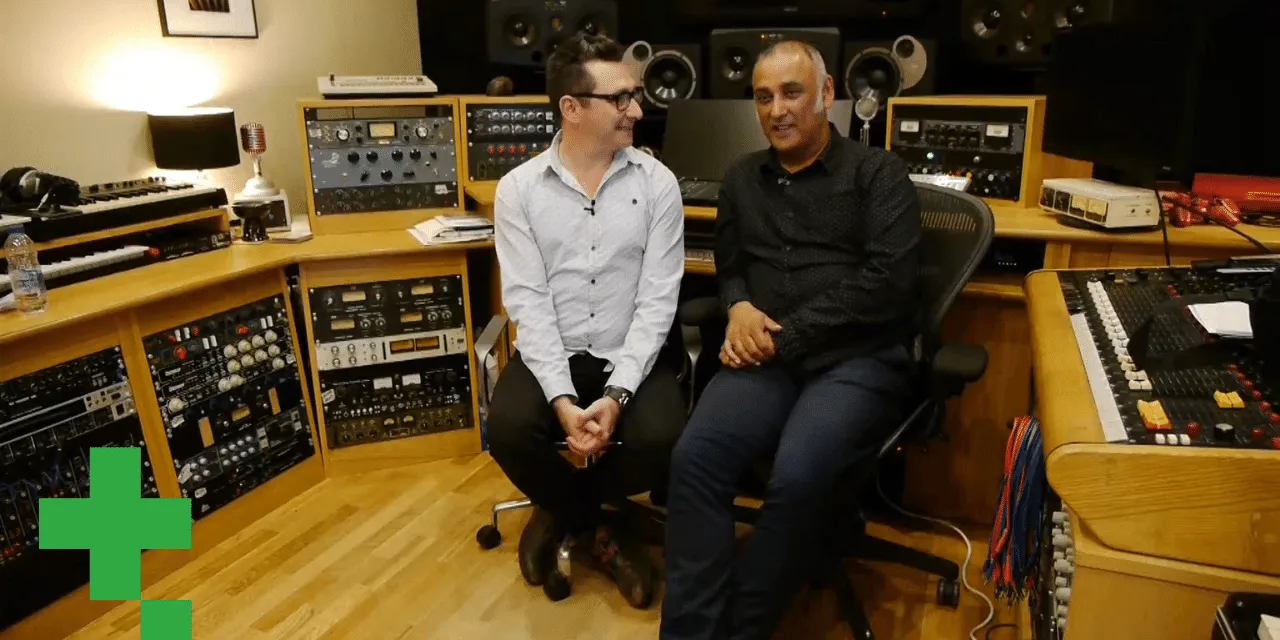
Jay MistryJay Mistry interviewt Ollie Raphael von Delicious Digital über das Komponieren von Musik fürs Radio – das Arbeiten nach Briefing, den Sound der BBC-Sender, Honorare und das Studio-Equipment dahinter.
Das steckt im Kurs
21 Lektionen (4h 21m) · 1 gratis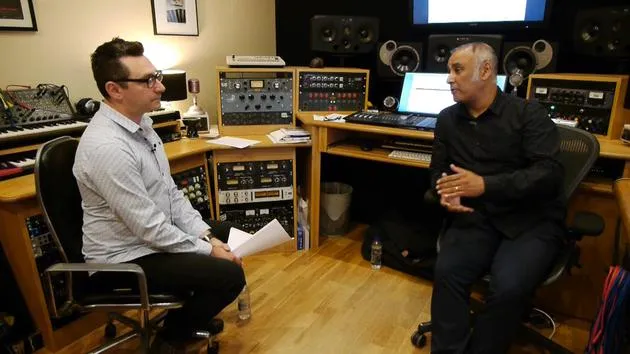
01. Einführung mit Harry Leckstein und Jay Mistry
11:37
02. Eine kurze Geschichte des Musikverlags
6:10
03. Copyright (Arten von Rechten) & Tantiemen
Gratis-Lektion11:19
04. Rat für Künstler: bezahlt werden & mit Verlagen arbeiten
15:35
05. Vorschüsse, Exklusivität und Arten von Verlagsverträgen
14:27
06. Auf eigene Faust loslegen
3:01
07. Der Games-Markt
2:55
08. Verlagsverträge verstehen
11:51
09. Die Welt des Sync
8:23
10. Sonic Branding und was ein Brief ist. Fallstudie: Ollie Raphael
3:54
11. Sync-Jargon-Entschlüssler & Mythen-Aufklärer
8:38
12. Die Rollen in der TV- und Filmbranche verstehen
11:43
13. Letzte Ratschläge
9:43
01. Interview mit Ollie Raphael – Delicious Digital & die Arbeit mit dem Radio
Du bist hier11:38
02. Interview mit Dan Mallender (Phase Music) - Musik, Promos und Trailer für die TV-, Radio-, Film- und Gaming-Branche
16:04
03. Interview mit Rachel Menzies - Musiksupervision
11:19
04. Interview mit Richard Ford (Anger Music) - Arbeiten mit Komponisten
16:23
05. Interview mit Stuart Belsham - PRS entdecken
37:15
06. Interview mit Alessio Nanni (via Skype) - Pianist & Komponist
15:02
07. Interview mit Rob Manning (per Skype) - Film- und TV-Komponist
15:23

08. Interview mit Xiaotian Shi (via Skype) - Film- & TV-Komponist
18:40
Transkript der Lektion
Interview with Olly Rafael: Founder of Delicious Digital
Introduction
Hello, Ollie. First of all, thank you for coming in.
My pleasure.
Who Are You?
Can you just let everyone know who you are and what you do?
I'm Olly Rafael. I'm the founder of Delicious Digital.
What Does Delicious Digital Do?
And what does Delicious Digital do?
We're a custom music house writing music to brief for broadcast media and advertising. We focus on:
- Themes
- Idents
- Sonic logos
- Trailers
- Music for radio
Focus on Radio
It's of particular interest. I want to talk to you about radio. Which companies do you work with?
On the radio side, our biggest client is the BBC. We started our business working for Six Music, then moved to Radio 2, and currently, we write music for Radio 1. Our biggest radio client is Radio 5 Live.
How Does It Work?
And how does that work? When you get the brief? Do you get a brief? Do you have to get a bunch of music together and then give that to Radio 5? How does that work?
Well, we tend to get briefed by the BBC. They're interested in commissioning some new music for a particular project. For example, it might be Radio 1 commissioning music for the official chart show, or Radio 5 commissioning an entire station branding package for the network.
Getting the Job
And how did you get that job? How does that work?
There tends to be a pitch process. The BBC will put up a pitch document on their website and then you're invited to submit your pitches to be considered for the project work.
Who Do You Work With?
So when you get the job, who do you deal with at the BBC? Is it like a producer, a director, or a combination?
Within BBC Radio, all the individual networks have an executive producer who's in charge of the station sound. They look after the imaging, jingles, idents, and the music used for promos and in-program use. It's generally a combination of the executive producer for station sound and the managing editor of the network. For 5 Live, for instance, the pitch process happened in front of the controller of the network and the head of marketing for the network. It's quite a wide board of people that have to make a decision, especially for brand projects.
Understanding Station Sound
You mentioned the station sound. What exactly does that mean?
It's the idents, jingles, music beds, news beds, and the general on-air identity of the station. For different networks, that can mean different things. For music stations, it tends to be jingles. For news and sport networks, it tends to be a custom package that will work for newsbeds, travel, weather, and sport.
Building Sonic Identity
Especially with 5 Live, the key thing about the new project has been building a new sonic identity for the network, a musical mnemonic that represents Radio 5 Live, which will serve as the basis for all the music made for the package.
How Many Pieces of Music?
So, how many different pieces of music are involved here?
We tend to focus on the mnemonic first, which usually represents the station. Following that, there could be a package of 25 or 30 different pieces of music, mixes and edits for various uses across the network.
Length of Process
So it's quite a long process, is it? How long does it take?
Yeah, it's a pretty long process. You can make decisions about how much you want to pitch at the early stage. Usually, clients will request three to six pieces as part of the pitch process. We decided to pitch more than that because we wanted to demonstrate our knowledge of the network as a whole. We also understand that often time is of the essence, so the quicker you can get your idea into a broadcast-ready package, the better for us.
Researching the Station
Did you have to do a lot of research on the actual station before submitting the music?
Absolutely, yeah. It's essential to know what you're dealing with. Radio stations, TV channels, and broadcast media are brands in their own right. You must understand the audience listening to the station, the programs and content featured, and the aims and desires for the network moving forward. This is about an ongoing relationship where, as a music company, we're supplying music over a long time to keep the station sounding fresh and to raise the bar in news branding and sport branding.
Payment Structure
In terms of how you get paid, is that negotiated up front, or do you rely on royalties at the back end? How does that work?
The BBC is slightly different from commercial clients. The BBC works out what they see their rate as for various projects. It's not a case of us delivering a price to them; it's what the BBC offers for the project. We earn our money from a commission fee for writing the music. The BBC publishes the music themselves, so there's no publishing royalties coming back to us, but the writers earn their share from their PRS royalties.
Studio and Equipment
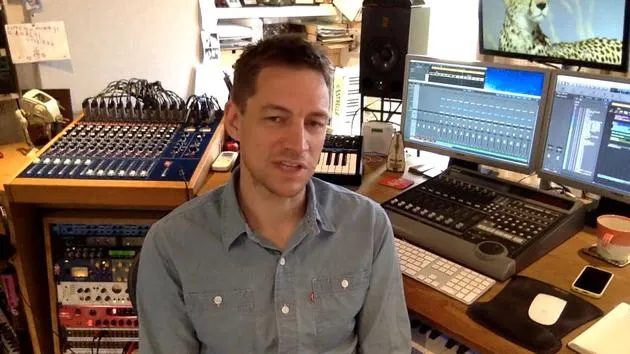
So, Ollie, tell us a little bit about your studio and the number of people working there.
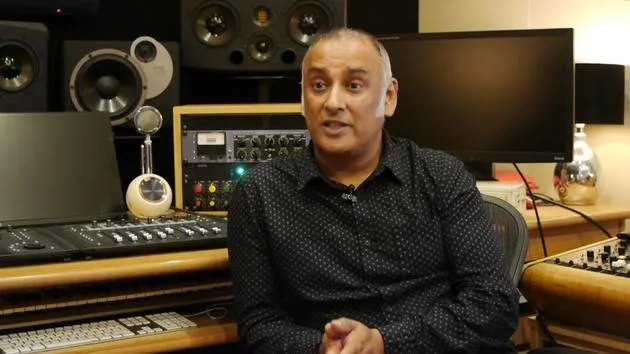
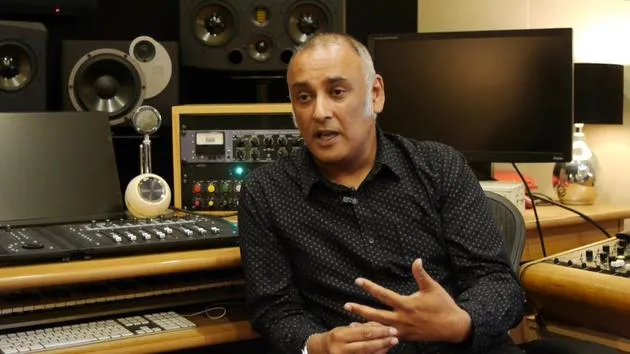
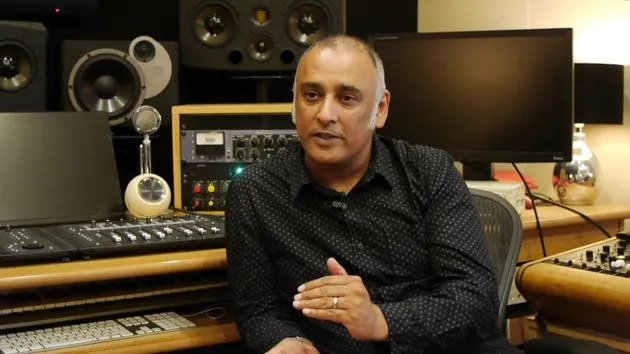
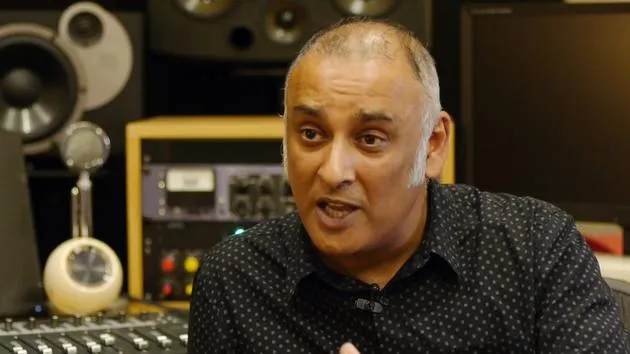
Well, we have two main rooms at Delicious, with a lovely fusion of vintage equipment. We focus on great monitor speakers, great microphones, and we collect vintage synthesizers and compressors. We balance that with the latest technology for recording, running all our music through various fantastic analog kit. Having live rooms to record as much music as possible is a significant advantage; it sets us apart from those just working digitally on computers.
Unique Selling Proposition
Our USP is live recording, great musicianship, and a lot of focus on production style to ensure our sound is just a little bit better than our opposition.
Favorite Equipment
Is there a particular piece of equipment or software that you particularly like using?
Our key piece is our Neve desk, which is a vintage Neve console used for the Eurovision Song Contest in 1973. It gives a very natural, warm sound to everything we do.
Difference Between Vintage and New Equipment
What is the difference between vintage and brand-new equipment?
One example of where we benefited from high-quality recording and vintage sound was a reggae soundtrack we made for a TV ad for JWT. Our clients wanted a really authentic 70s reggae sound, which is challenging to recreate using just a computer. We set up a full band and recorded everything as it would have been in the 1970s, using the same microphones, positioning, instrumentation, and playing as a band. If you can recreate the vintage you're trying to record, you end up with a special way of creating the perfect sound.
Getting Into the Business
How did you get into the business in the first place?
I had a parallel career working in music and radio for about 20 years, playing drums professionally, doing recording sessions, gigs, and tours. At the same time, I worked in radio studios, handling imaging and production work for various stations. The idea of Delicious was to combine both interests. After spending 10 years in radio using other people's music, I believed that making our own music could enhance the station's sound. Fifteen years later, that's where we are.
Advice for Aspiring Musicians
And finally, what advice would you give to anybody trying to get into this business?
Do your research and understand what you're pitching fully. You must grasp not just the music but also the objectives of the network. From a composition point of view, specialize in something original. The world today has many writers doing a bit of everything. To stand out, you need a specialization that makes a difference for clients.
Favorite Projects
Is there a particular favorite from projects you've worked on over the years?
Yes, absolutely. We work in many areas. Last year, we had a piece of music in "The Good Dinosaur" for Disney Pixar, a very exciting project. For Radio 2, we wrote the music for "Popmaster" for ten years, which was a great achievement. For television, we've composed fantastic scores for the BBC Natural World Series, and we're thrilled to have an International Music and Sound Award nomination this year for a trailer piece we created for "Assassin's Creed Syndicate." This track was a re-recording of a Noel Gallagher song, and we're excited to see if we win that.
Conclusion
Ollie, thank you very much for your time, and good luck with your future projects.
My pleasure. Cheers, mate.
21 Lektionen
4 Std. 21 Min. strukturierte Videolektionen
Erweiterte Videofunktionen
Verlangsamen, Passagen loopen, mitlesen
Handy, Tablet & Desktop
Üben, wo du willst
100 % Zufriedenheitsgarantie
30 Tage Geld-zurück-Garantie
Lern deinen Guru kennen
Lern deinen Guru kennen
Jay Mistry ist ein Veteran der Musikbranche mit 30 Jahren Erfahrung und beherrscht die meisten Aspekte des Musikgeschäfts.
Jay begann seine Laufbahn bei der Performing Right Society, bevor er zu BMG Music Publishing wechselte, wo er gebeten wurde, die Abteilung für die Nachverfolgung von Einnahmen von Grund auf aufzubauen. 2003 gründete er Musical Sleuth Ltd, den ersten unabhängigen Royalty-Tracking-Dienst seiner Art, der Kunden wie Eric Clapton und The Beatles zählte.
Nachdem er die Feinheiten von Urheberrecht und Tantiemen gemeistert hatte, wurde Jay 2009 gebeten, Director of Music Services bei The Discovery Channel zu werden. Sein Erfolg bei Discovery bewog die New Yorker Unternehmer Jingle Punks, ihn zu holen, um ihr US-Verlagsgeschäft aufzubauen und zu stabilisieren und zugleich ihr globales Inkasso-Netzwerk auszubauen. Jay berät heute eine Reihe hochkarätiger Komponisten, Musikbibliotheken, Filmproduzenten, Verlage und Tech-Plattformen.
In A Guide To Music Publishing And Synchronization bringt Jay drei Jahrzehnte aus dem Innersten des Geschäfts auf klare, praxisnahe Ratschläge und zeigt dir, wie Verlagswesen, Urheberrecht, Tantiemen und Sync-Deals wirklich funktionieren – und wie du sie für dich arbeiten lässt.







