



Copyright (Arten von Rechten) & Tantiemen

Mit
Jay Mistry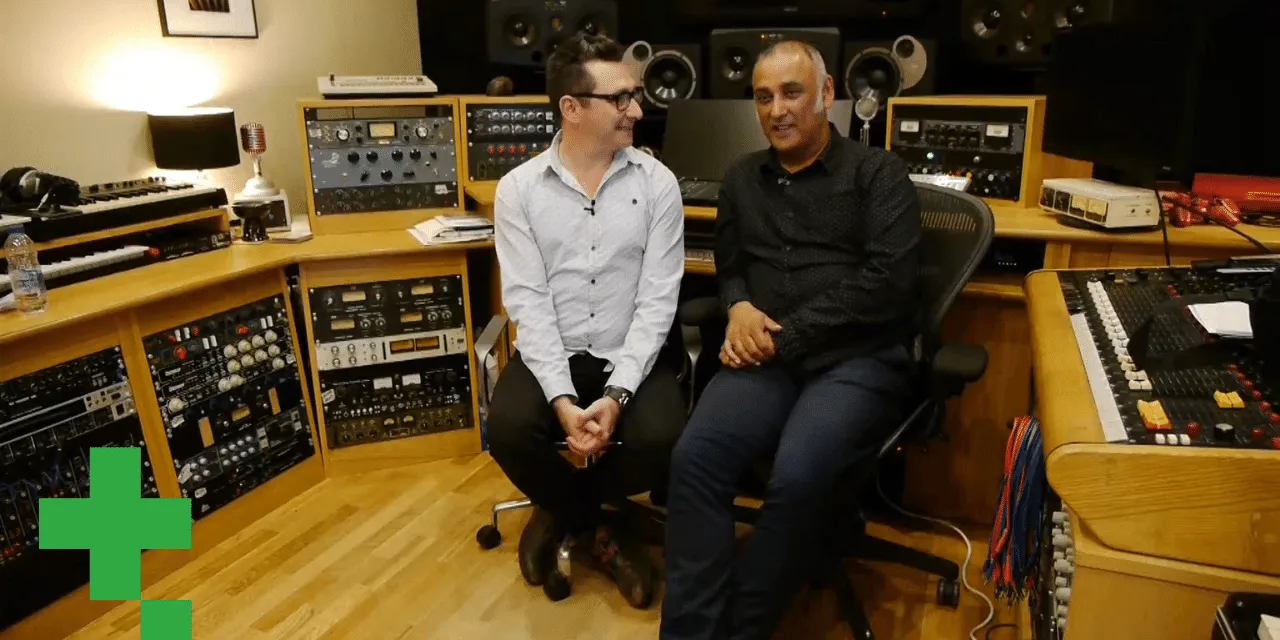
Das steckt im Kurs
21 Lektionen (4h 21m) · 1 gratis
01. Einführung mit Harry Leckstein und Jay Mistry
11:37
02. Eine kurze Geschichte des Musikverlags
6:10
03. Copyright (Arten von Rechten) & Tantiemen
Du bist hier11:19
04. Rat für Künstler: bezahlt werden & mit Verlagen arbeiten
15:35
05. Vorschüsse, Exklusivität und Arten von Verlagsverträgen
14:27
06. Auf eigene Faust loslegen
3:01
07. Der Games-Markt
2:55
08. Verlagsverträge verstehen
11:51
09. Die Welt des Sync
8:23
10. Sonic Branding und was ein Brief ist. Fallstudie: Ollie Raphael
3:54
11. Sync-Jargon-Entschlüssler & Mythen-Aufklärer
8:38
12. Die Rollen in der TV- und Filmbranche verstehen
11:43
13. Letzte Ratschläge
9:43
01. Interview mit Ollie Raphael – Delicious Digital & die Arbeit mit dem Radio
11:38
02. Interview mit Dan Mallender (Phase Music) - Musik, Promos und Trailer für die TV-, Radio-, Film- und Gaming-Branche
16:04
03. Interview mit Rachel Menzies - Musiksupervision
11:19
04. Interview mit Richard Ford (Anger Music) - Arbeiten mit Komponisten
16:23
05. Interview mit Stuart Belsham - PRS entdecken
37:15
06. Interview mit Alessio Nanni (via Skype) - Pianist & Komponist
15:02
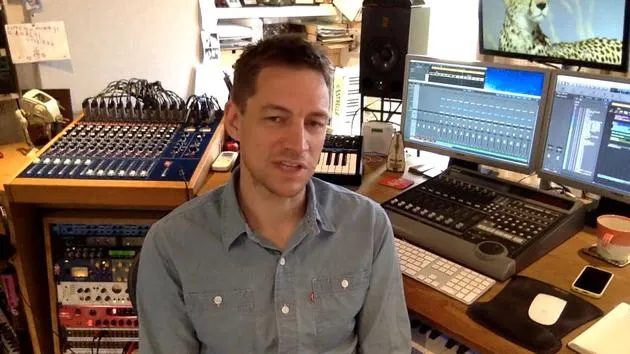
07. Interview mit Rob Manning (per Skype) - Film- und TV-Komponist
15:23

08. Interview mit Xiaotian Shi (via Skype) - Film- & TV-Komponist
18:40
Transkript der Lektion
Understanding Copyright and Royalties in Music
What is Copyright?
Copyright is fundamentally the right to copy. It encompasses:
- The intellectual property rights associated with writing, composing, or creating a work.
- Ownership of the copyright resides with the creator from the moment the work is made, provided it is original.
When you wish to duplicate your work, you can grant rights to others, such as:
- Publishers, who can exploit the music under a publishing deal.
- Record companies, which can record and distribute your music.
When Does Copyright Occur?
Copyright occurs at the moment your work is fixed in some way.
Common Questions:
- Do I need to send a copy of it to myself?
- No, sending a dated copy was a method used pre-digital revolution but is no longer necessary.
- Do I need to register my copyright with a website?
- Not required. Basic electronic dating is sufficient for proof of ownership.
Ownership of Copyright
You retain ownership of your music unless you decide to sell it or assign rights.
- Leasing Copyright: Typically during a publishing deal which lasts for a specific period (e.g., 2-3 years).
- Retention Periods: Some agreements allow for eventual return of rights to the creator.
Types of Rights within Copyright
Two distinct types of rights are inherent in copyright:
- Performance Rights: Usually belong to the publisher or composer.
- Mechanical Rights: Typically owned by a record company or artist.
Distinction Explained:
- If you cover someone else's song, you receive mechanical royalties from that recording.
- If you write and perform your own song, you benefit from performance royalties, which can also come from recordings of that song.
Mechanical vs. Performance Rights
- Mechanical Rights: Link to the recording of a song.
- Performance Rights: Link to the performance of a song.
Importance of Agreements:
When recording in a studio, ensure you have a contract that specifies:
- Your payment for recording.
- Your ownership of the master recording.
Collecting Royalties
Royalties can be collected in several ways:
Types of Royalties:
- Performance Royalties: Generated from live performances, radio play, etc.
- Mechanical Royalties: Collected from sales of physical or digital products.
- Streaming Royalties: For music played on platforms. This is primarily performance-based.
- Sync Licensing: Fees for the use of your music in videos or films.
Sync Licensing
Sync licensing has become increasingly popular because it offers:
- An upfront fee for licensing music.
- Ongoing royalties for each use of the music in TV, film, etc.
Importance of Sync:
As traditional music sales decline, composers and artists look to sync as a profitable avenue. The growth of channels creates opportunities for widespread music use.
Understanding Performance Royalties from TV
With the growth of channels, performance royalties can vary greatly:
- Cue Sheets: Outline which songs are played and are crucial for accurate royalties tracking.
- Licensing: The performance income depends heavily on factors like viewership and whether the use is properly licensed.
Key Points to Remember:
- Not all plays equate to guaranteed royalties.
- Broadcasters negotiate fees based on expected music usage and viewer statistics.
Summary
Understanding copyright and royalties is essential for anyone in the music industry:
- Differentiate between performance and mechanical rights.
- Ensure proper agreements are in place when recording.
- Explore sync licensing as a lucrative alternative revenue stream.
By grasping the mechanics of copyright ownership and royalty collection, you can better navigate the complexities of the music industry.
21 Lektionen
4 Std. 21 Min. strukturierte Videolektionen
Erweiterte Videofunktionen
Verlangsamen, Passagen loopen, mitlesen
Handy, Tablet & Desktop
Üben, wo du willst
100 % Zufriedenheitsgarantie
30 Tage Geld-zurück-Garantie
Lern deinen Guru kennen
Lern deinen Guru kennen
Jay Mistry ist ein Veteran der Musikbranche mit 30 Jahren Erfahrung und beherrscht die meisten Aspekte des Musikgeschäfts.
Jay begann seine Laufbahn bei der Performing Right Society, bevor er zu BMG Music Publishing wechselte, wo er gebeten wurde, die Abteilung für die Nachverfolgung von Einnahmen von Grund auf aufzubauen. 2003 gründete er Musical Sleuth Ltd, den ersten unabhängigen Royalty-Tracking-Dienst seiner Art, der Kunden wie Eric Clapton und The Beatles zählte.
Nachdem er die Feinheiten von Urheberrecht und Tantiemen gemeistert hatte, wurde Jay 2009 gebeten, Director of Music Services bei The Discovery Channel zu werden. Sein Erfolg bei Discovery bewog die New Yorker Unternehmer Jingle Punks, ihn zu holen, um ihr US-Verlagsgeschäft aufzubauen und zu stabilisieren und zugleich ihr globales Inkasso-Netzwerk auszubauen. Jay berät heute eine Reihe hochkarätiger Komponisten, Musikbibliotheken, Filmproduzenten, Verlage und Tech-Plattformen.
In A Guide To Music Publishing And Synchronization bringt Jay drei Jahrzehnte aus dem Innersten des Geschäfts auf klare, praxisnahe Ratschläge und zeigt dir, wie Verlagswesen, Urheberrecht, Tantiemen und Sync-Deals wirklich funktionieren – und wie du sie für dich arbeiten lässt.







