



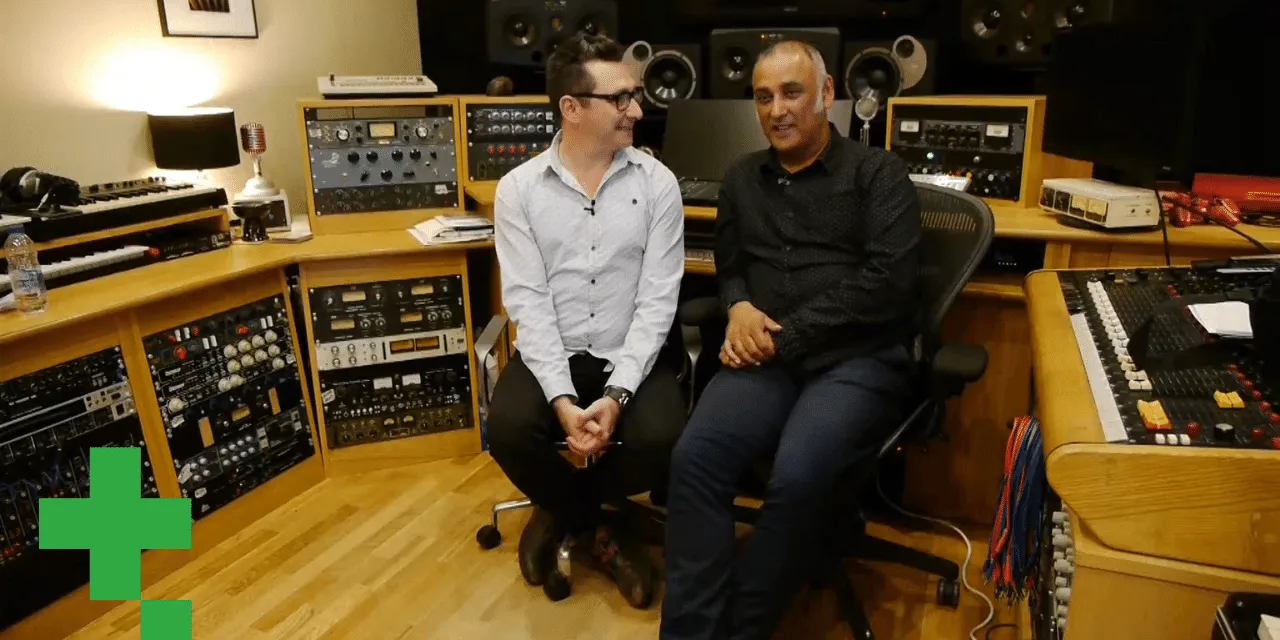
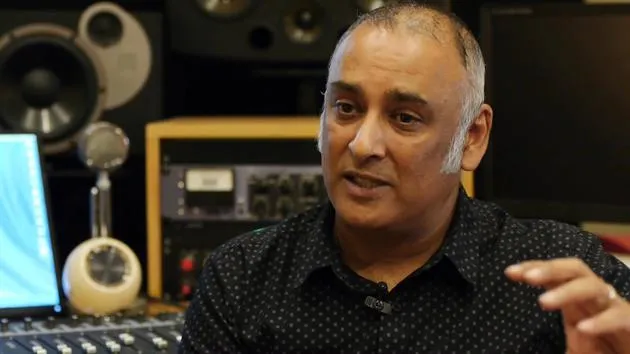
Interview mit Xiaotian Shi (via Skype) - Film- & TV-Komponist

Mit
Jay MistryDer Film- und TV-Komponist Xiaotian Shi erzählt, wie er die Musik zu seinem Thriller Servants Quarter geschrieben hat – vom Erhalt des Drehbuchs bis zur Ablieferung der letzten Cue – samt Tipps, wie man in der Branche Fuß fasst.
Das steckt im Kurs
21 Lektionen (4h 21m) · 1 gratis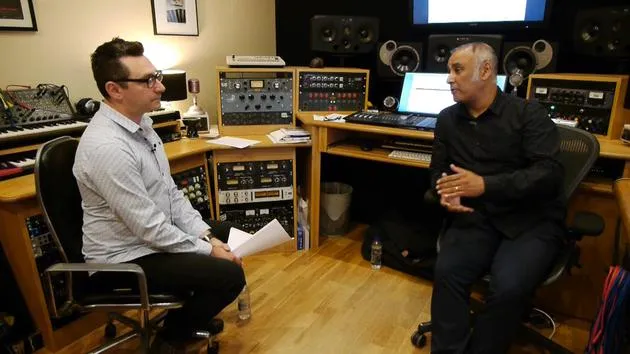
01. Einführung mit Harry Leckstein und Jay Mistry
11:37
02. Eine kurze Geschichte des Musikverlags
6:10
03. Copyright (Arten von Rechten) & Tantiemen
Gratis-Lektion11:19
04. Rat für Künstler: bezahlt werden & mit Verlagen arbeiten
15:35
05. Vorschüsse, Exklusivität und Arten von Verlagsverträgen
14:27
06. Auf eigene Faust loslegen
3:01
07. Der Games-Markt
2:55
08. Verlagsverträge verstehen
11:51
09. Die Welt des Sync
8:23
10. Sonic Branding und was ein Brief ist. Fallstudie: Ollie Raphael
3:54
11. Sync-Jargon-Entschlüssler & Mythen-Aufklärer
8:38
12. Die Rollen in der TV- und Filmbranche verstehen
11:43
13. Letzte Ratschläge
9:43
01. Interview mit Ollie Raphael – Delicious Digital & die Arbeit mit dem Radio
11:38
02. Interview mit Dan Mallender (Phase Music) - Musik, Promos und Trailer für die TV-, Radio-, Film- und Gaming-Branche
16:04
03. Interview mit Rachel Menzies - Musiksupervision
11:19
04. Interview mit Richard Ford (Anger Music) - Arbeiten mit Komponisten
16:23
05. Interview mit Stuart Belsham - PRS entdecken
37:15
06. Interview mit Alessio Nanni (via Skype) - Pianist & Komponist
15:02
07. Interview mit Rob Manning (per Skype) - Film- und TV-Komponist
15:23
08. Interview mit Xiaotian Shi (via Skype) - Film- & TV-Komponist
Du bist hier18:40
Transkript der Lektion
Music Lesson: Interview with Film Composer Xiaotian Shi
Introduction
Jay: Hello, Xiaotian.
Xiaotian: Hi.
Jay: Hi, Xiaotian, can you just explain to everyone who you are and what you do?
Xiaotian: Sure. My name is Xiaotian Shi and I'm a film composer. I've been working in the media music field for quite a few years, writing scores for feature films, TV shows, library music, and TV commercials, a range of different mediums.
How Xiaotian Got Started
Jay: How did you get into the business in the first place? What was the process?
Xiaotian: I was trained classically as a pianist. Growing up, I wished to be a concert pianist. However, around 14 years old, I discovered the music of John Barry. His scores, like Out of Africa, Dances with Wolves, and Somewhere in Time, really touched me. I became fascinated with his music and even queued up outside the Albert Hall in the pouring rain just to see him perform. I've loved film music ever since.
Jay: What was your first break?
Xiaotian: My first break was working professionally on a Discovery Channel show, Stephen Hawking's Universe, where I collaborated with composer Sheridan Tongue. I was truly inspired by the experience and motivated to continue my work.
Current Projects
Jay: What are you working on currently?
Xiaotian: Most recently, I completed a feature film called Servants Quarter. It's a psychological thriller that features a blend of jump scares, emotional trauma, tension-building moments, and surprising twists. It encompasses a variety of scoring styles, from horror-thriller elements to epic hybrids with emotional undertones, as well as gentle, subtle writing.
The Process of Working on Servants Quarter
Jay: Can you tell us about the process of working on Servants Quarter?
Xiaotian: This was an unusual process for me. Usually, as a composer, I work on a fairly finished cut of the film. However, in this case, I was sent the script early on, before shooting began. The directors wanted me to compose a piece of music so they could choreograph a dance to it, reflecting the main character's emotional changes and traumas.
Inspiration and Composition
Jay: How did you find inspiration?
Xiaotian: I had several chats and coffee meetings with the director before they started shooting. I worked under a specific deadline to complete the score for the dance sequence, along with the main piano theme that recurs throughout the film. It acts like a leitmotif in classical music, showcasing the character's evolving emotional state.
Time and Effort
Jay: How much time did you spend writing the whole score?
Xiaotian: The amount of time spent revising each cue is significantly longer than the initial writing process. I received the script last year and completed the dance sequence by October. I started working on the music for the early cut of the film at the beginning of the year, which took about two months from start to finish.
Balancing Multiple Projects
Jay: While working on a film, do you work on other projects as well?
Xiaotian: I wish I could focus solely on one film at a time. However, sometimes there are delays in film production, which means I have to wait weeks before continuing. During those periods, I work on different projects but try to plan ahead to avoid major clashes.
Advice for Young Composers
Jay: What advice would you give to young composers aspiring to create film scores?
Xiaotian: Writing for film is not just about creating beautiful music that enhances the scene; it's a collaborative experience. You need to work closely with directors and understand the artistic vision of the entire team. This requires flexibility and strong communication skills, as there are many stakeholders whose input can greatly influence the score.
Influence of Temp Scores
Jay: How much influence do you really have over the music?
Xiaotian: Often, directors have a temp score, music they've selected from existing films that they feel fits their project. This can be both beneficial and limiting. While it provides guidance on what the team envisions, it can also lead to "temp love," where they become attached to the original music, making it challenging to propose alternatives.
Software Tips
Jay: Any top tips regarding software for scoring?
Xiaotian: It's not about how much software you have, but how well you know it. Understanding the different sounds and colors available in software is crucial. You can have the best tools, but without the knowledge of utilizing them effectively, the production quality may suffer. My early work with Sound Iron and their sample libraries taught me a lot about production techniques.
Closing Remarks
Jay: Thank you for your time, Xiaotian. Any future projects on the horizon?
Xiaotian: I'm finishing a film called Sinkhole, an American sci-fi adventure featuring Andrew Wilson and a team of promising young stars. The story involves a group of kids who discover a sinkhole.
Jay: Good luck with everything!
Xiaotian: Thank you very much, Jay!
21 Lektionen
4 Std. 21 Min. strukturierte Videolektionen
Erweiterte Videofunktionen
Verlangsamen, Passagen loopen, mitlesen
Handy, Tablet & Desktop
Üben, wo du willst
100 % Zufriedenheitsgarantie
30 Tage Geld-zurück-Garantie
Lern deinen Guru kennen
Lern deinen Guru kennen
Jay Mistry ist ein Veteran der Musikbranche mit 30 Jahren Erfahrung und beherrscht die meisten Aspekte des Musikgeschäfts.
Jay begann seine Laufbahn bei der Performing Right Society, bevor er zu BMG Music Publishing wechselte, wo er gebeten wurde, die Abteilung für die Nachverfolgung von Einnahmen von Grund auf aufzubauen. 2003 gründete er Musical Sleuth Ltd, den ersten unabhängigen Royalty-Tracking-Dienst seiner Art, der Kunden wie Eric Clapton und The Beatles zählte.
Nachdem er die Feinheiten von Urheberrecht und Tantiemen gemeistert hatte, wurde Jay 2009 gebeten, Director of Music Services bei The Discovery Channel zu werden. Sein Erfolg bei Discovery bewog die New Yorker Unternehmer Jingle Punks, ihn zu holen, um ihr US-Verlagsgeschäft aufzubauen und zu stabilisieren und zugleich ihr globales Inkasso-Netzwerk auszubauen. Jay berät heute eine Reihe hochkarätiger Komponisten, Musikbibliotheken, Filmproduzenten, Verlage und Tech-Plattformen.
In A Guide To Music Publishing And Synchronization bringt Jay drei Jahrzehnte aus dem Innersten des Geschäfts auf klare, praxisnahe Ratschläge und zeigt dir, wie Verlagswesen, Urheberrecht, Tantiemen und Sync-Deals wirklich funktionieren – und wie du sie für dich arbeiten lässt.







