



Der Games-Markt

Mit
Jay Mistry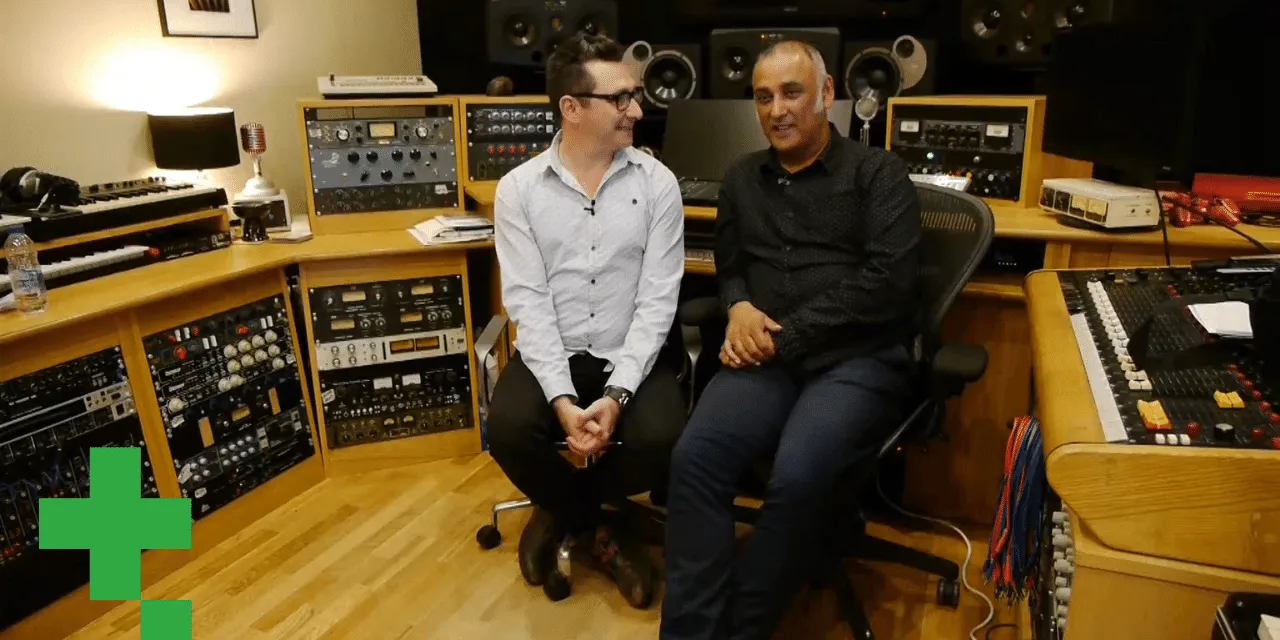
Das steckt im Kurs
21 Lektionen (4h 21m) · 1 gratis
01. Einführung mit Harry Leckstein und Jay Mistry
11:37
02. Eine kurze Geschichte des Musikverlags
6:10
03. Copyright (Arten von Rechten) & Tantiemen
Gratis-Lektion11:19
04. Rat für Künstler: bezahlt werden & mit Verlagen arbeiten
15:35
05. Vorschüsse, Exklusivität und Arten von Verlagsverträgen
14:27
06. Auf eigene Faust loslegen
3:01
07. Der Games-Markt
Du bist hier2:55
08. Verlagsverträge verstehen
11:51
09. Die Welt des Sync
8:23
10. Sonic Branding und was ein Brief ist. Fallstudie: Ollie Raphael
3:54
11. Sync-Jargon-Entschlüssler & Mythen-Aufklärer
8:38
12. Die Rollen in der TV- und Filmbranche verstehen
11:43
13. Letzte Ratschläge
9:43
01. Interview mit Ollie Raphael – Delicious Digital & die Arbeit mit dem Radio
11:38
02. Interview mit Dan Mallender (Phase Music) - Musik, Promos und Trailer für die TV-, Radio-, Film- und Gaming-Branche
16:04
03. Interview mit Rachel Menzies - Musiksupervision
11:19
04. Interview mit Richard Ford (Anger Music) - Arbeiten mit Komponisten
16:23
05. Interview mit Stuart Belsham - PRS entdecken
37:15
06. Interview mit Alessio Nanni (via Skype) - Pianist & Komponist
15:02
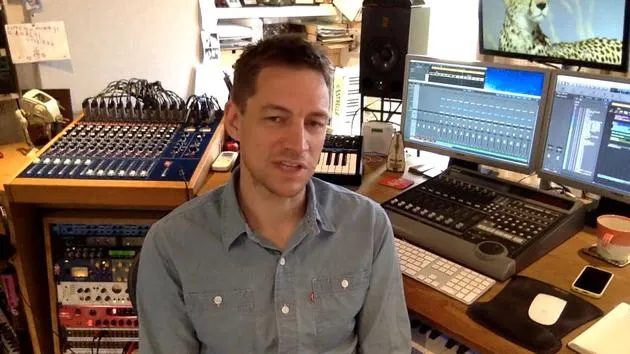
07. Interview mit Rob Manning (per Skype) - Film- und TV-Komponist
15:23

08. Interview mit Xiaotian Shi (via Skype) - Film- & TV-Komponist
18:40
Transkript der Lektion
Music in the Games Market
I know we're just going to take a little aside here, but we've spoken a lot about film, TV, and ads.
The Importance of Music in Gaming
Music and Its Evolution
Tell me about the games market. A lot of music goes into the games market. How important is that?
Good publishers are connecting with game manufacturers.
-
Historical Context:
- About 15 years ago, they stopped paying royalties on sales because:
- Sales were minimal at first.
- Then, they skyrocketed into the millions and tens of millions.
- Popular titles like PS4 games and Grand Theft Auto changed the landscape.
- About 15 years ago, they stopped paying royalties on sales because:
-
Shift in Compensation:
- Suddenly, manufacturers thought, "Oops, we can't keep paying royalties."
- It shifted to more of an upfront payment model.
Cinematic Music
The music within games is becoming more cinematic due to advancements in technology:
- Visuals are nearing lifelike quality.
- The music must reflect this high standard.
- There is significant financial opportunity if you can get in.
The Volume of Music Needed
In terms of volume, video games require far more music than other mediums:
-
Music Duration:
- Advertisements might last a few seconds.
- TV programs are typically much shorter.
- Video games can go on for hours.
-
Production Time:
- Some games have minimal music loops, while others need unique pieces for different scenes.
- I've known people to work on one Hollywood trailer for three months.
Licensing vs. Bespoke Music
But, you know, I've always been aware of games like Grand Theft Auto that had a radio station in the car. This introduced opportunities to play artist-based music, which is licensed.
- Key Differences:
- This is different than bespoke music.
- In licensing scenarios, game manufacturers hold all the cards.
Market Dynamics
- They were going to sell millions of these games.
- They acted as gatekeepers in this market.
- Consequently, they could even ask for payment from artists because of the expected massive audience.
Conclusion
It's a bit like YouTube now; the focus is on exploitation and reaching as many eyes and ears as possible with your music. That's what games do nowadays.
21 Lektionen
4 Std. 21 Min. strukturierte Videolektionen
Erweiterte Videofunktionen
Verlangsamen, Passagen loopen, mitlesen
Handy, Tablet & Desktop
Üben, wo du willst
100 % Zufriedenheitsgarantie
30 Tage Geld-zurück-Garantie
Lern deinen Guru kennen
Lern deinen Guru kennen
Jay Mistry ist ein Veteran der Musikbranche mit 30 Jahren Erfahrung und beherrscht die meisten Aspekte des Musikgeschäfts.
Jay begann seine Laufbahn bei der Performing Right Society, bevor er zu BMG Music Publishing wechselte, wo er gebeten wurde, die Abteilung für die Nachverfolgung von Einnahmen von Grund auf aufzubauen. 2003 gründete er Musical Sleuth Ltd, den ersten unabhängigen Royalty-Tracking-Dienst seiner Art, der Kunden wie Eric Clapton und The Beatles zählte.
Nachdem er die Feinheiten von Urheberrecht und Tantiemen gemeistert hatte, wurde Jay 2009 gebeten, Director of Music Services bei The Discovery Channel zu werden. Sein Erfolg bei Discovery bewog die New Yorker Unternehmer Jingle Punks, ihn zu holen, um ihr US-Verlagsgeschäft aufzubauen und zu stabilisieren und zugleich ihr globales Inkasso-Netzwerk auszubauen. Jay berät heute eine Reihe hochkarätiger Komponisten, Musikbibliotheken, Filmproduzenten, Verlage und Tech-Plattformen.
In A Guide To Music Publishing And Synchronization bringt Jay drei Jahrzehnte aus dem Innersten des Geschäfts auf klare, praxisnahe Ratschläge und zeigt dir, wie Verlagswesen, Urheberrecht, Tantiemen und Sync-Deals wirklich funktionieren – und wie du sie für dich arbeiten lässt.







