



Eine kurze Geschichte des Musikverlags

Mit
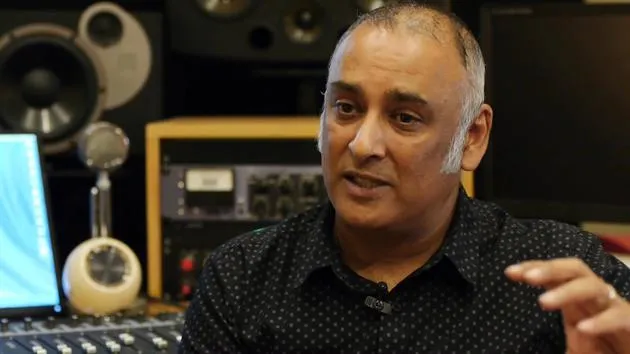
Jay Mistry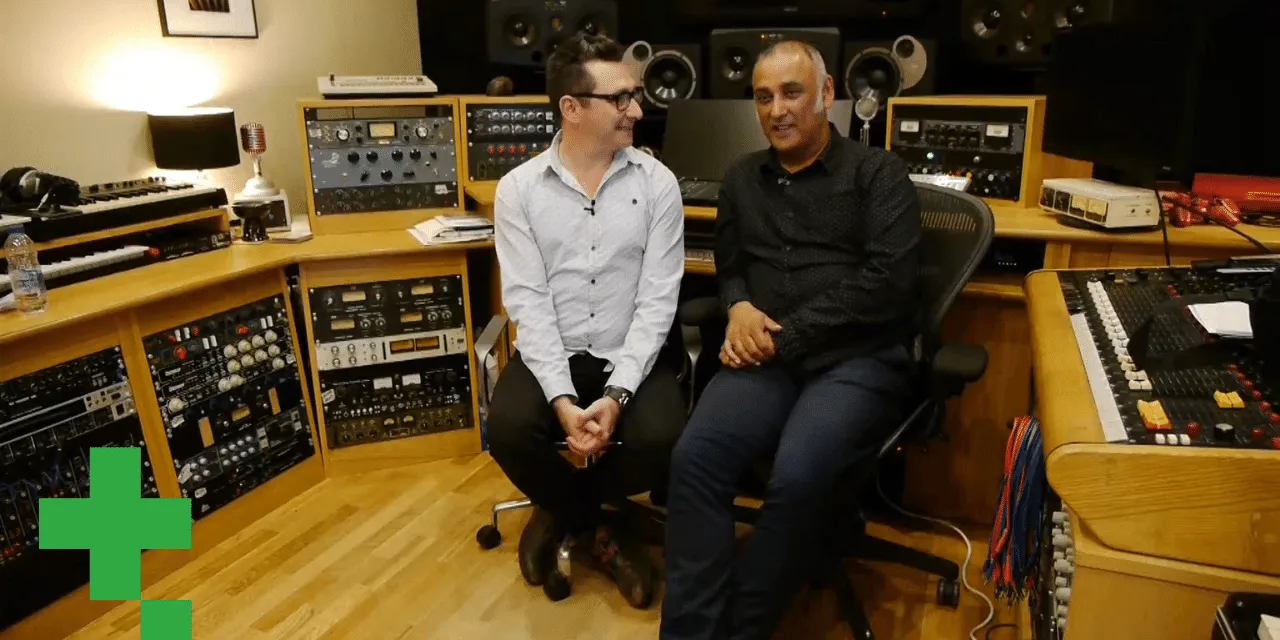
Das steckt im Kurs
21 Lektionen (4h 21m) · 1 gratis
01. Einführung mit Harry Leckstein und Jay Mistry
11:37
02. Eine kurze Geschichte des Musikverlags
Du bist hier6:10
03. Copyright (Arten von Rechten) & Tantiemen
Gratis-Lektion11:19

04. Rat für Künstler: bezahlt werden & mit Verlagen arbeiten
15:35

05. Vorschüsse, Exklusivität und Arten von Verlagsverträgen
14:27
06. Auf eigene Faust loslegen
3:01

07. Der Games-Markt
2:55

08. Verlagsverträge verstehen
11:51
09. Die Welt des Sync
8:23
10. Sonic Branding und was ein Brief ist. Fallstudie: Ollie Raphael
3:54

11. Sync-Jargon-Entschlüssler & Mythen-Aufklärer
8:38
12. Die Rollen in der TV- und Filmbranche verstehen
11:43
13. Letzte Ratschläge
9:43

01. Interview mit Ollie Raphael – Delicious Digital & die Arbeit mit dem Radio
11:38

02. Interview mit Dan Mallender (Phase Music) - Musik, Promos und Trailer für die TV-, Radio-, Film- und Gaming-Branche
16:04

03. Interview mit Rachel Menzies - Musiksupervision
11:19
04. Interview mit Richard Ford (Anger Music) - Arbeiten mit Komponisten
16:23

05. Interview mit Stuart Belsham - PRS entdecken
37:15
06. Interview mit Alessio Nanni (via Skype) - Pianist & Komponist
15:02
07. Interview mit Rob Manning (per Skype) - Film- und TV-Komponist
15:23

08. Interview mit Xiaotian Shi (via Skype) - Film- & TV-Komponist
18:40
Transkript der Lektion
A Brief History of the Modern Day Music Industry
The Beginnings
So let's go back and look at a very short history of the modern music industry. Where did it begin and what triggered it?
-
Music has been around for thousands of years.
-
It wasn't until the Renaissance period and the birth of printing that music and music publishing really came to the fore.
This was primarily because:
-
Before printing, music was handwritten, making it difficult to duplicate and access.
The Impact of Printing
- With the advent of printing, music became easier to reproduce.
- This led to the monetization of selling sheet music, essentially forming the basis of music publishing.
- The beginnings of copyright emerged around the time of Queen Anne and Henry VII when creators received recognition and royalties for their printed works.
Notable Figures
- King Henry VIII was a pioneer in protecting music printing, asserting that access to sheet music required payment.
- Copyright applies to a number of areas, including music, written words, and art.
Advances in Music Publishing
Originally, the focus was on the written word, as printing music was quite complex due to the scales and notations. However, as printing technology improved (through lithography, brass, and metal printing), duplicating music became more efficient and led to the establishment of a business model.
The Early 20th Century
Evolution of Music Monetization
Now, let's track forward to the early 20th century. In the last hundred years, several factors impacted publishing and copyright:
- With sheet music more accessible, music traveled further.
- Composers sought to monetize their work, leading to the formation of partnerships.
- The first notable partnerships were established by composers like Sassen from France and others from Italy and Germany.
The Rise of Copyright Importance
Copyright became essential for ensuring that creators were paid for their works.
"Music publishing or music is no different to a widget. If you invent it normally, there's a royalty involved whenever it comes to selling that widget."
Industrialization of the Music Industry
In the early part of the 20th century:
- The invention of shellac and vinyl propelled music's accessibility.
- This brought about the concept of duplication; for the first time, single recordings were manufactured in multiple copies.
Establishment of MCPS
- The Mechanical Copyright Protection Society (MCPS) was created, focusing on the royalties tied to the replication of records.
- It applies to various formats like CDs, 8-tracks, and MP3s today.
The Role of Broadcasting
This evolution meant that music could be disseminated widely, especially with the advent of radio and television.
- Music exposure increased through different media: radio, TV, and eventually online platforms.
Performance Royalties
-
The broadcasting of music introduced another royalty payment known as the performance rate.
-
Initially centered around live performances (like string quartets), this concept expanded to include various formats of music consumption today:
- Live performances
- Broadcast music
- Radio
As we move forward, the ways of generating performance income have diversified, reflecting the evolving landscape of the music industry.
21 Lektionen
4 Std. 21 Min. strukturierte Videolektionen
Erweiterte Videofunktionen
Verlangsamen, Passagen loopen, mitlesen
Handy, Tablet & Desktop
Üben, wo du willst
100 % Zufriedenheitsgarantie
30 Tage Geld-zurück-Garantie
Lern deinen Guru kennen
Lern deinen Guru kennen
Jay Mistry ist ein Veteran der Musikbranche mit 30 Jahren Erfahrung und beherrscht die meisten Aspekte des Musikgeschäfts.
Jay begann seine Laufbahn bei der Performing Right Society, bevor er zu BMG Music Publishing wechselte, wo er gebeten wurde, die Abteilung für die Nachverfolgung von Einnahmen von Grund auf aufzubauen. 2003 gründete er Musical Sleuth Ltd, den ersten unabhängigen Royalty-Tracking-Dienst seiner Art, der Kunden wie Eric Clapton und The Beatles zählte.
Nachdem er die Feinheiten von Urheberrecht und Tantiemen gemeistert hatte, wurde Jay 2009 gebeten, Director of Music Services bei The Discovery Channel zu werden. Sein Erfolg bei Discovery bewog die New Yorker Unternehmer Jingle Punks, ihn zu holen, um ihr US-Verlagsgeschäft aufzubauen und zu stabilisieren und zugleich ihr globales Inkasso-Netzwerk auszubauen. Jay berät heute eine Reihe hochkarätiger Komponisten, Musikbibliotheken, Filmproduzenten, Verlage und Tech-Plattformen.
In A Guide To Music Publishing And Synchronization bringt Jay drei Jahrzehnte aus dem Innersten des Geschäfts auf klare, praxisnahe Ratschläge und zeigt dir, wie Verlagswesen, Urheberrecht, Tantiemen und Sync-Deals wirklich funktionieren – und wie du sie für dich arbeiten lässt.







