



Metal Introduction - Playing Two Drum Voices
With
Sophie Alloway
What's in the course
114 lessons (3h 47m) · 1 free
01. Rock Drumming Introduction
7:55
02. Example 1 - Single Strokes
2:44
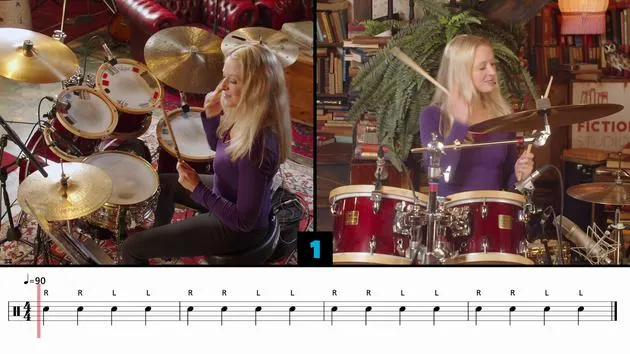
03. Example 2 - Double Strokes
1:28
04. Example 3 - Paradiddles
2:37
05. Bonus - Combining Singles, Doubles, and Paradiddles
2:22
06. Rock Lesson 2 - Adding Rests
1:48
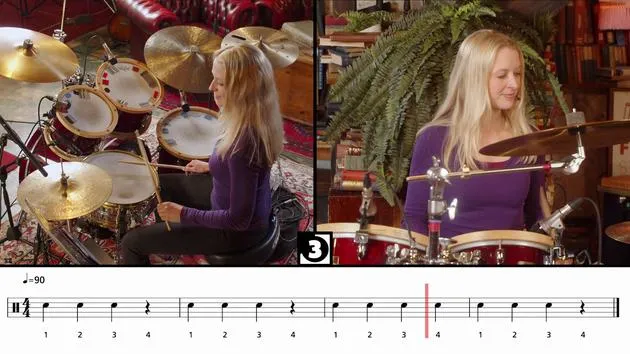
07. Example 1 - Rest on Beat 4
1:56
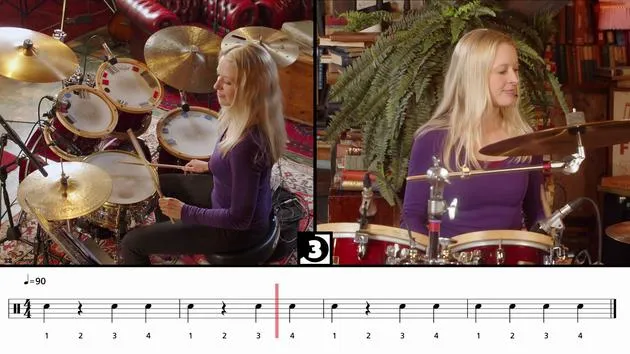
08. Example 2 - Rest on Beat 2
1:36
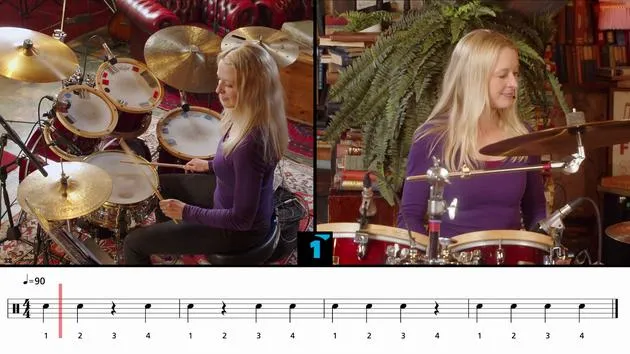
09. Example 3 - Moving Rests
1:05
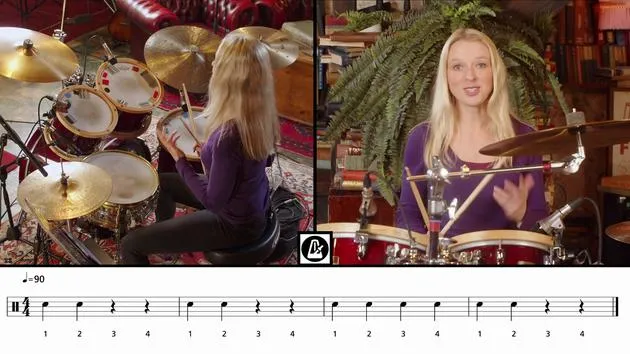
10. Example 4 - Piston Bars 12-16
1:56
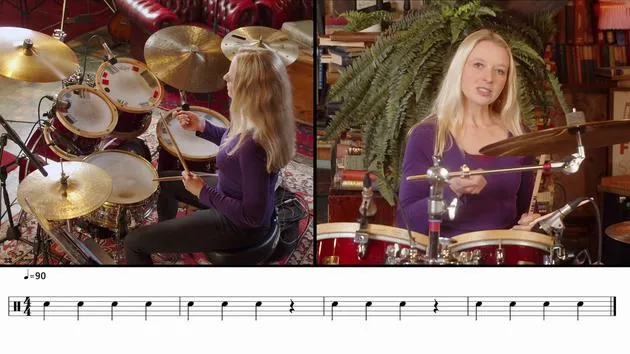
11. Bonus Exercise 1
1:49
12. Bonus Exercise 2
1:02
13. Rock Section Summary
1:50
01. Pop - Adding the Hi-Hat
1:31
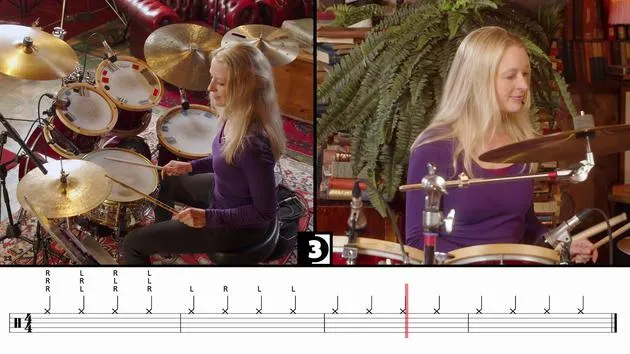
02. Example 1 - Quarter Notes on Hi-Hat
1:40
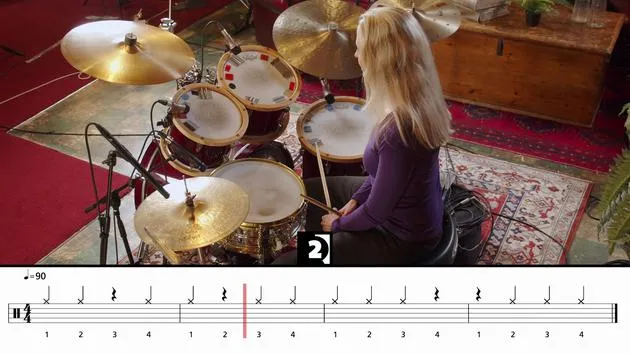
03. Example 2 - Resting on Beat 1
1:42
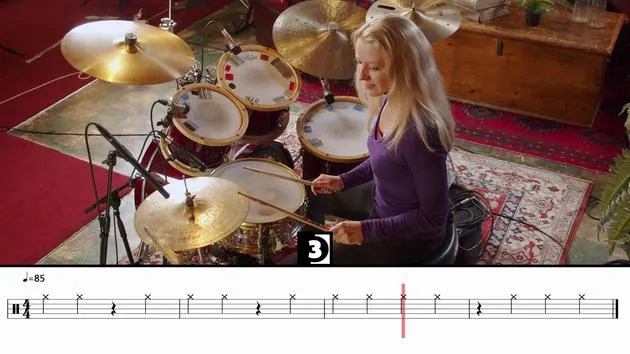
04. Example 3 - Two Consecutive Quarter Note Rests
1:28
05. Bonus Exercise 1
1:11
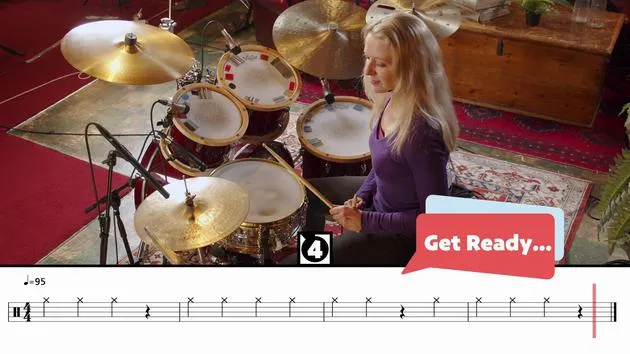
06. Bonus Exercise 2
1:10
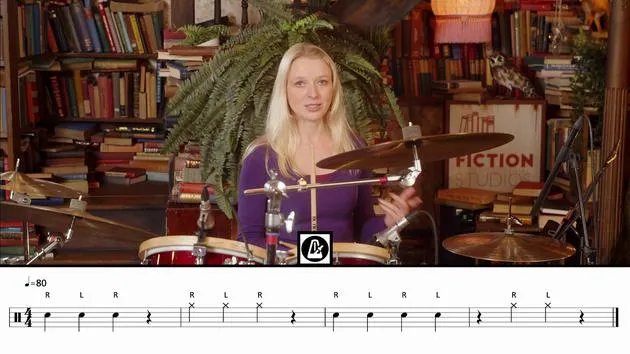
07. Pop Lesson 2 Example 1 - Combining the Hi-Hat & Snare
1:11
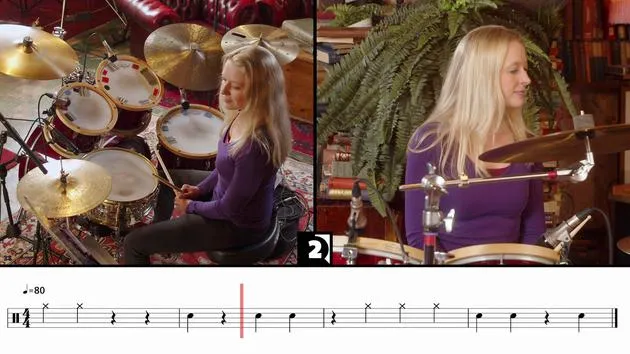
08. Example 2 - Moving Quickly Between Drum Voices
1:17
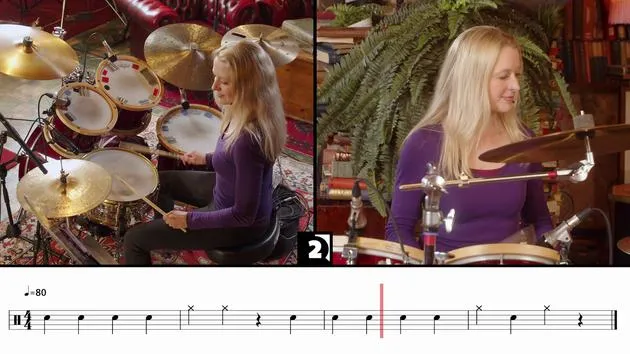
09. Example 3 - Two Drum Voices in One Bar
0:59
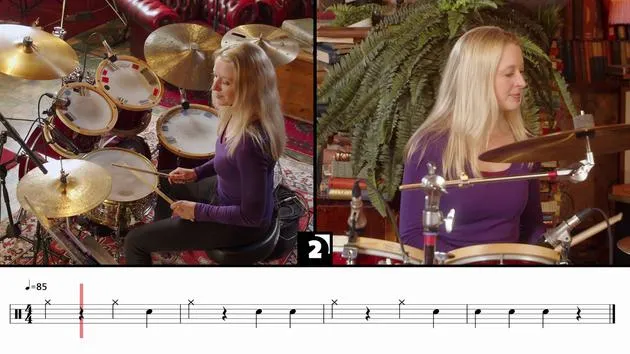
10. Example 4 - Take It to the Top Bars 1-4
1:10
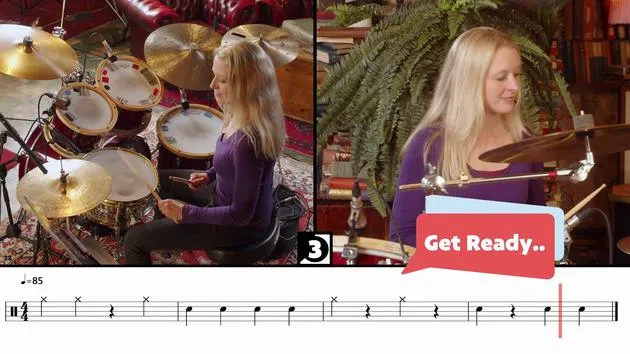
11. Bonus Exercise 1
1:08
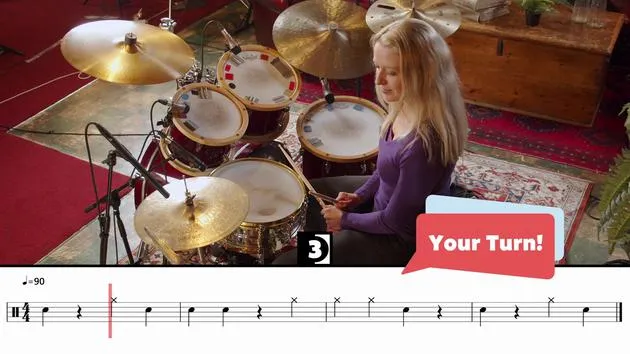
12. Bonus Exercise 2
1:04
13. Pop Music Section Summary
0:51
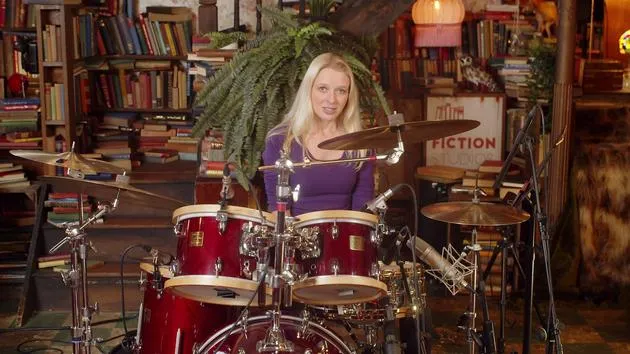
01. Introduction to Country Music
4:13
02. Skills Checkpoint
1:54
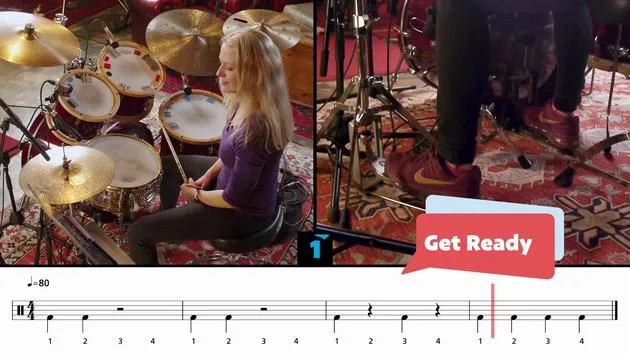
03. Example 1 - Half-Note Rest
1:18
04. Example 2 - Placing of the Half-Note Rest
1:31
05. Example 3 - Bass Drum Phrases
1:29
06. Bonus Exercise 1
1:27
07. Bonus Exercise 2
1:10
08. Country Lesson 2 - Combining Bass Drum, Snare, and Hi-Hat
3:07
09. Example 1 - Combining the Bass Drum & Hi-Hat
1:40
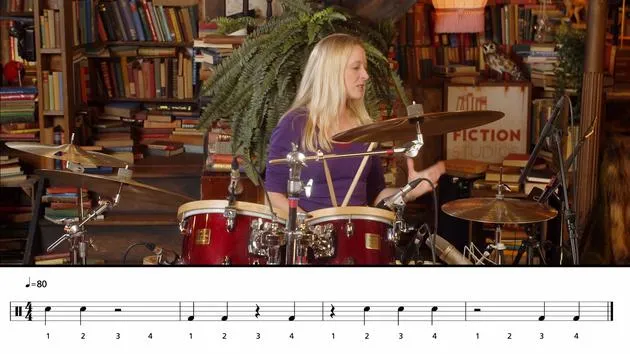
10. Example 2 - Adding the Half-Note Rest in Various Positions
1:10
11. Example 3 - Moving Quickly Between Drum Voices
1:10
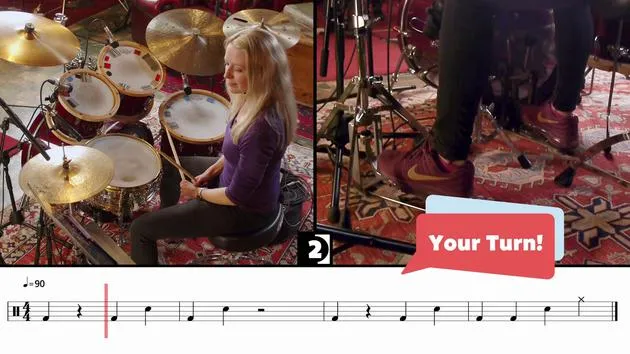
12. Example 4 - Borderlands Bars 1-4
1:06
13. Bonus Exercise 1
1:30
14. Bonus Exercise 2
0:56
15. Country Music Section Summary
0:26
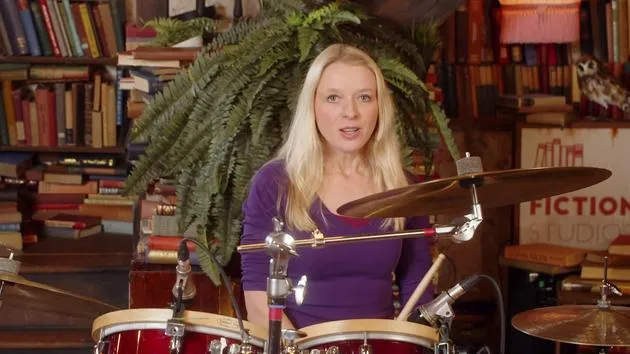
01. Metal Introduction - Playing Two Drum Voices
You are here3:35
02. Example 1 - Focusing on Coordination
2:19
03. Example 2 - Bass Drum Variations
1:16
04. Example 3 - Coordinating the Hands
1:09
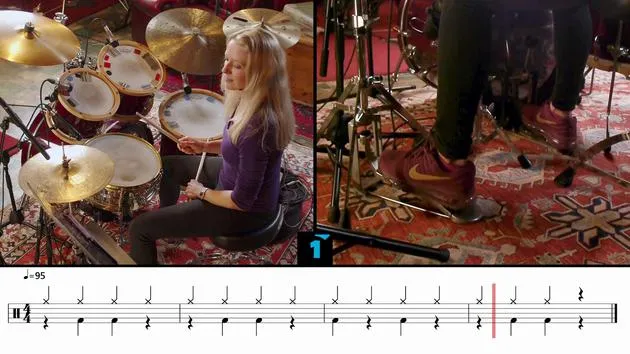
05. Bonus Exercise 1
1:05
06. Bonus Exercise 2
0:50
07. Metal Lesson 1 Summary
0:25
08. Metal Lesson 2 - Playing Your First Full Beat
1:56
09. Example 1 - Basic Rock Beat Hi-Hat Pattern
1:08
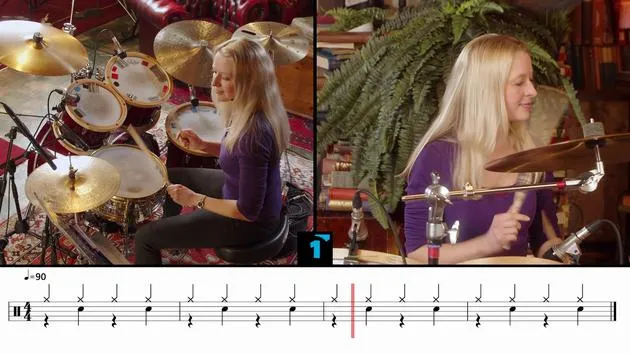
10. Example 2 - Adding the Back Beat
0:58
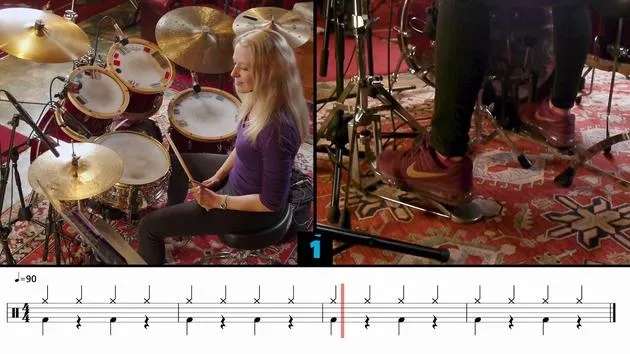
11. Example 3 - Adding the Bass Drum
0:59
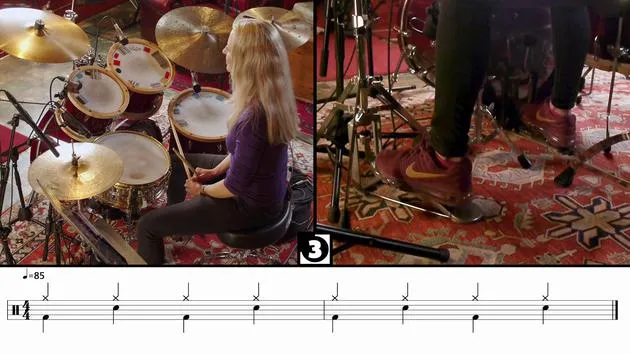
12. Example 4 - Power Trip Bars 13-14
1:32
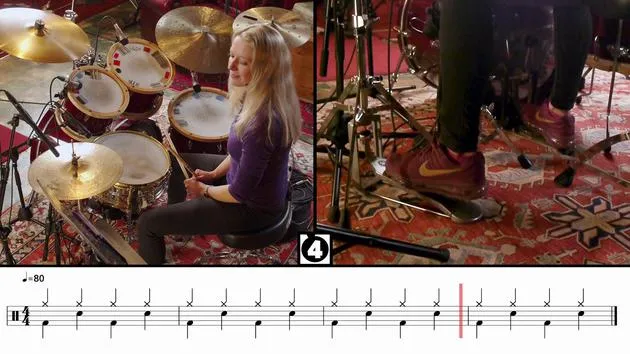
13. Bonus Exercise 1
1:10
14. Bonus Exercise 2
0:53
15. Metal Section Summary
1:05
01. Indie - Introduction to the Style
1:26
02. Example 1 - Resting on Beat Three
1:01
03. Example 2 - More Variations
1:00
04. Example 3 - Coordinating the Limbs
2:16
05. Bonus Exercise 1
1:10
06. Bonus Exercise 2
0:50
07. Indie Lesson 1 Summary
0:25
08. Indie Checkpoint - Mallets
2:46
09. Indie Lesson 2 - Introducing 8th Note Bass Drum and Snare
1:25
10. Example 1 - Eighth-Note Snare
1:36
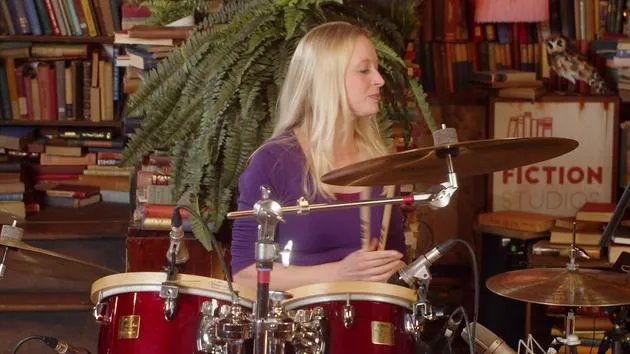
11. Example 2 - Eighth-Note Bass Drum
1:04
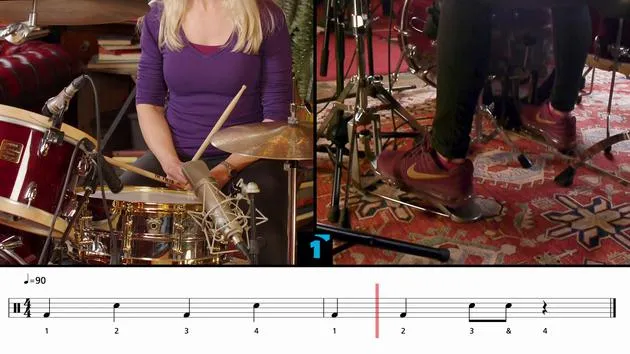
12. Example 3 - Eighth Note Phrase
0:59
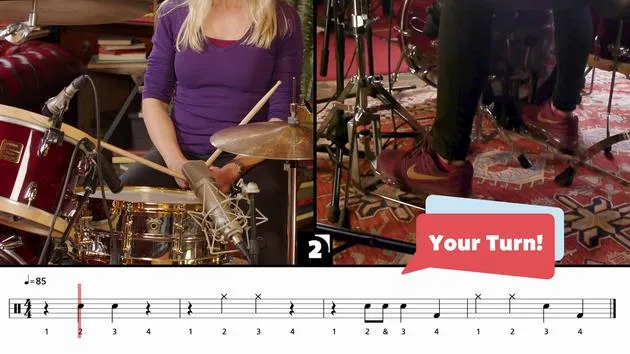
13. Example 4 - 'Big Mouth' Bars 1-4
1:48
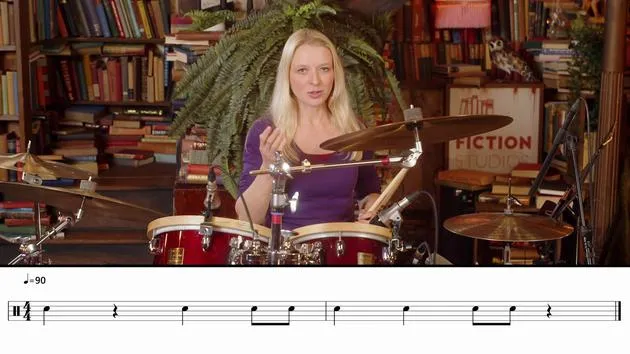
14. Bonus Exercise 1
0:38
15. Bonus Exercise 2
0:59
16. Indie Section Summary
0:34
01. Hip-Hop Introduction - Basic Beats and Fills
1:33
02. Example 1 - Snare & Bass Drum Fill
1:10
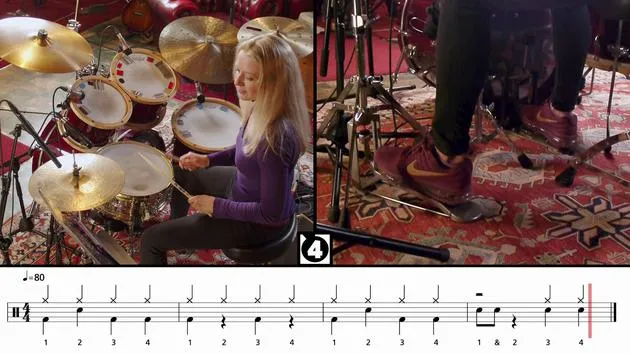
03. Example 2 - Snare & Hi-Hat Fill
1:08
04. Example 3 - Fill Using Snare, Hi-Hat & Bass Drum
1:09
05. Bonus Exercise 1
1:38
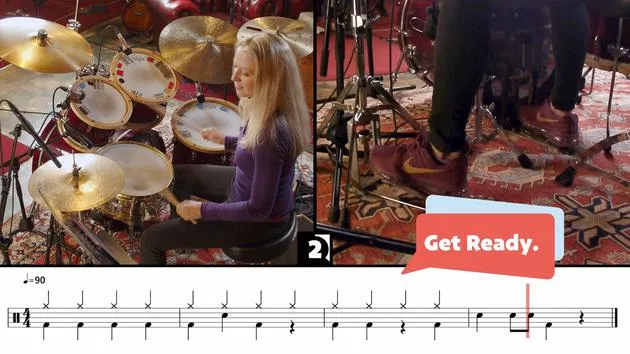
06. Bonus Exercise 2
0:47
07. Hip-Hop Lesson 1 Summary
0:32
08. Hip Hop Lesson 2 - Introduction to Eighth Note Beats
3:53
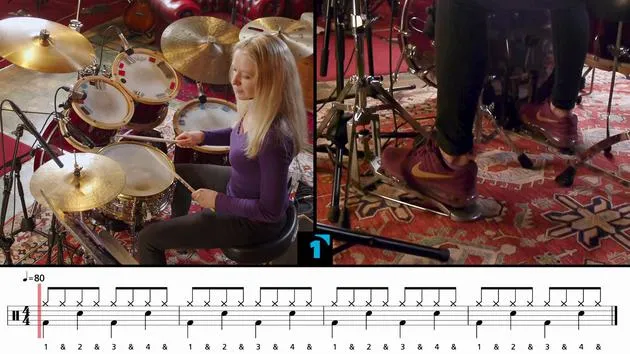
09. Example 1 - The Basic Eighth-Note Beat
1:19
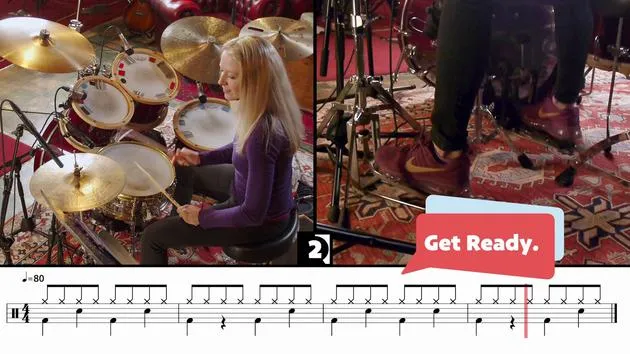
10. Example 2 - Snare Drum Variations
1:28
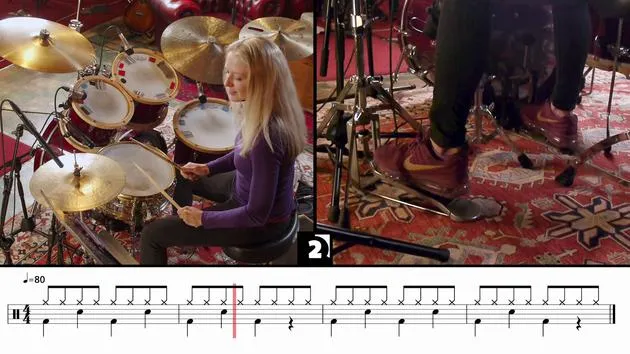
11. Example 3 - Bass Drum Variations
1:09
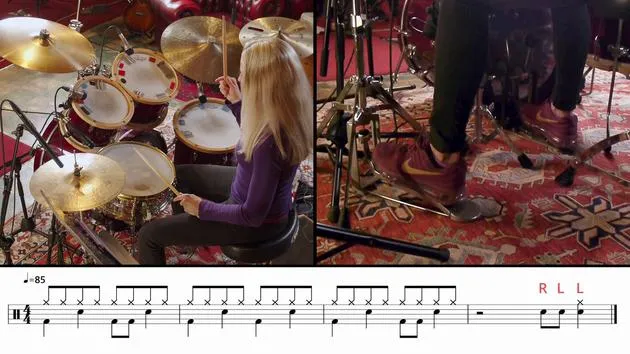
12. Example 4 - 'The Dogg' Bars 13-16
1:56
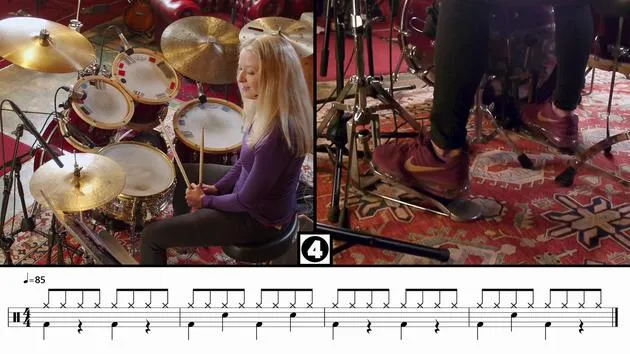
13. Bonus Exercise 1
1:04
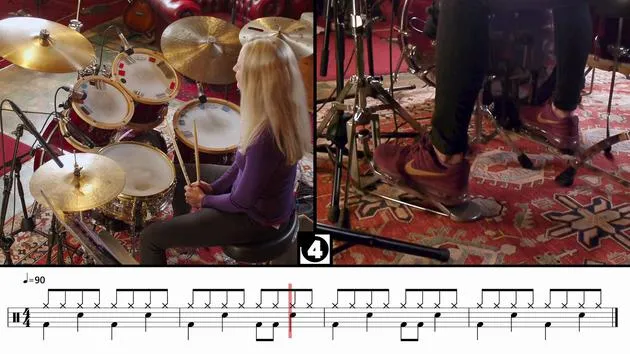
14. Bonus Exercise 2
1:09
15. Hip-Hop Section Summary
0:32
01. Introduction to the Pieces
1:04
02. Piston (Rock) - Walkthrough
4:57
03. Piston (Rock) - Performance
0:46
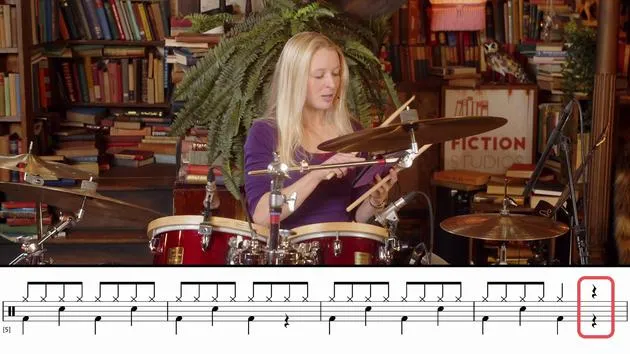
04. Take it to the Top (Pop) - Walkthrough
3:58
05. Take it to the Top (Pop) - Performance
0:50
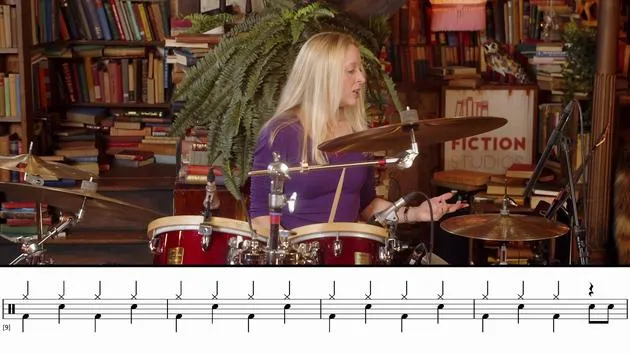
06. Borderlands (Country) - Walkthrough
3:49
07. Borderlands (Country) - Performance
0:48
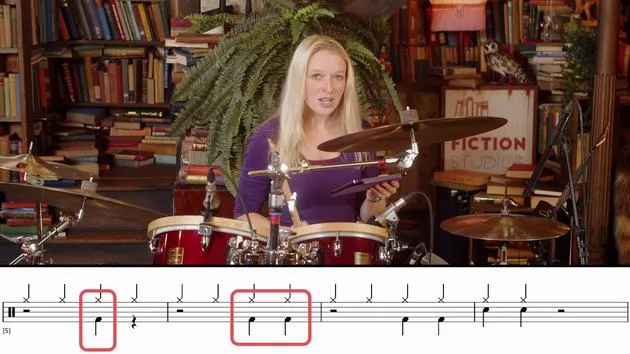
08. Power Trip - Walkthrough
5:04
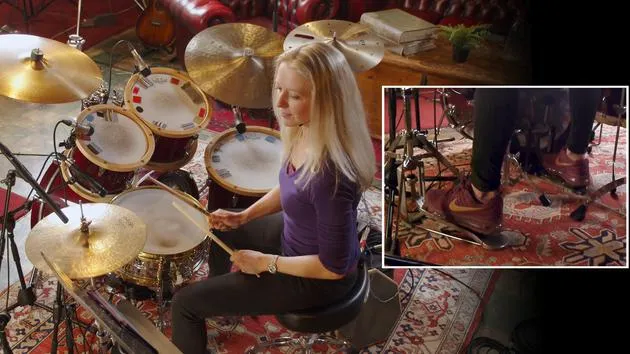
09. Power Trip (Metal) - Performance
0:51
10. Big Mouth (Indie) - Walkthrough
5:26
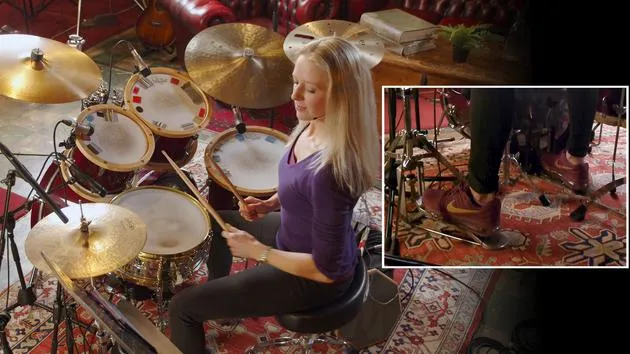
11. Big Mouth (Indie) - Performance
0:52
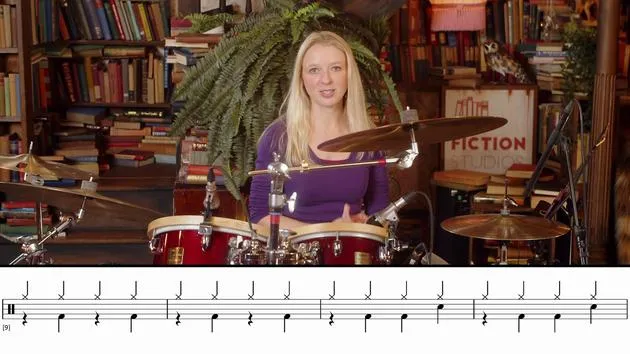
12. The Dogg (Hip Hop) - Walkthrough
6:14
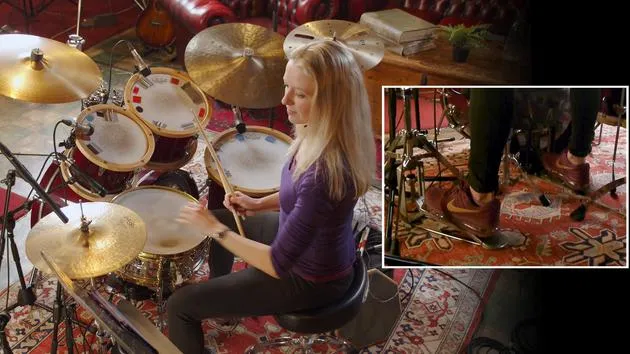
13. The Dogg (Hip Hop) - Performance
0:51
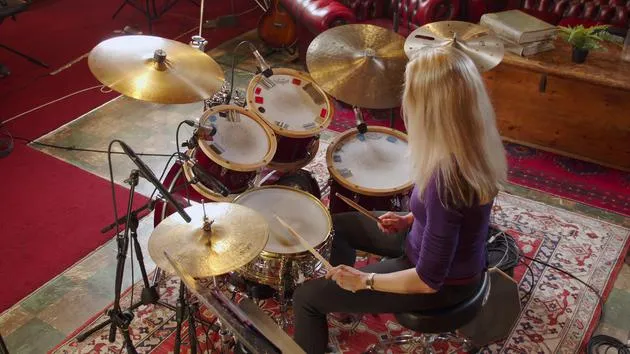
14. Overload (Rock) - Walkthrough
5:23
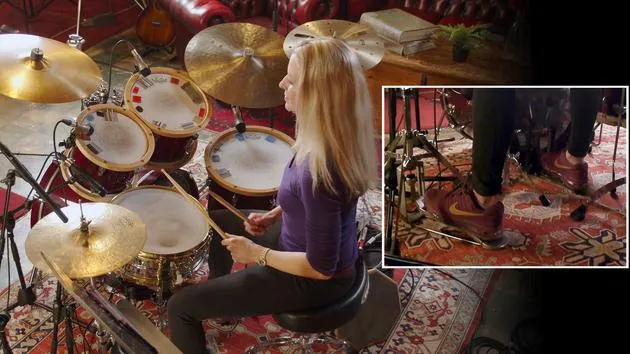
15. Overload (Rock) - Performance
0:50
16. Slam (Metal) - Walkthrough
4:28
17. Slam (Metal) - Performance
0:51
18. Under the Radar (Indie) - Walkthrough
5:02
19. Under the Radar (Indie) - Performance
0:50
Lesson transcript
Metal Drumming: An Introduction
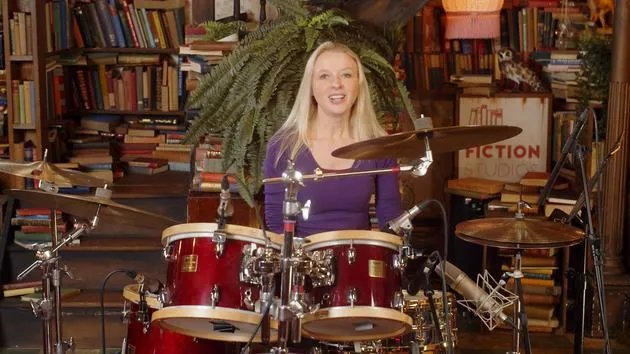
Okay, so now we're going to start thinking about metal drumming.
Origin of Metal Drumming
Metal drumming originated as a sort of extension of rock. In the 1970s, many rock bands began to develop a heavier style. Bands like:
- Led Zeppelin
- Black Sabbath
These groups were essentially rock bands, but they took the genre to a slightly different level. Later, other bands like Metallica and Slayer took it even further. Music is always developing, and today, genres are perhaps a little more blurred.
The Excitement of Blended Genres
This blending of influences is exciting, as it allows for a variety of sounds and styles. One song I often mention to my students when discussing heavier rock is:
"Immigrant Song" by Led Zeppelin
The reason I bring this up is that it includes quite a lot of fast bass drum patterns, making it great for developing bass drum technique.
Heel Up vs. Heel Down
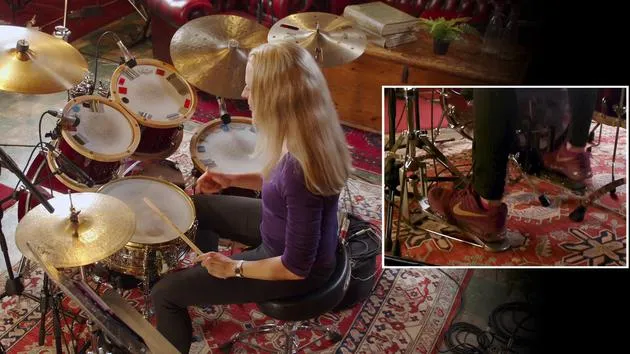
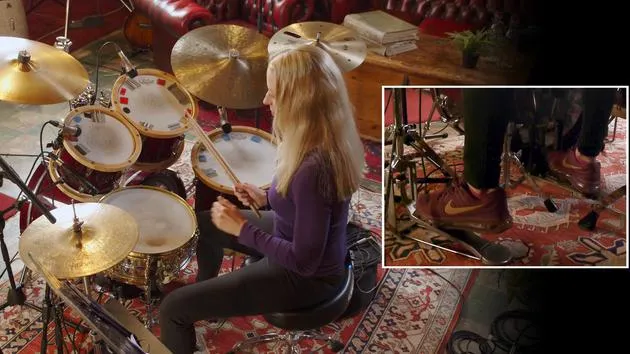
I talked a little bit about heel-up versus heel-down techniques, as well as the heel-toe method, where you combine both. For me, playing this type of groove, I definitely prefer the heel-up position to achieve speed and maintain a more even volume in all those bass drum notes.
However, some may successfully use the heel-down technique—it's ultimately up to you.
Sound Dynamics in Metal Drumming
Other elements that affect the sound we aim to achieve include:
- Loud music: You might want to have the hi-hat slightly open.
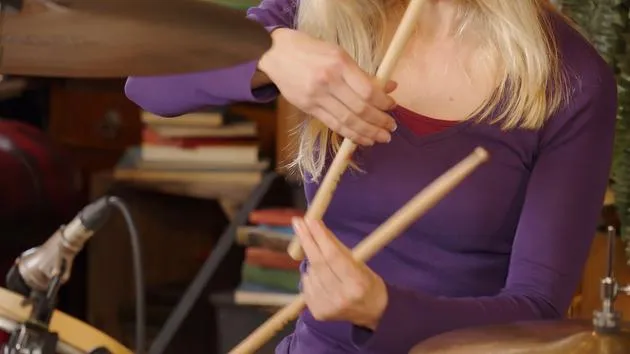
- Snare technique: Play the snare harder and louder. You might even want to turn the stick over, as discussed previously. A lot of rock players use this for a very consistent backbeat.
The snare drums typically land on beats two and four.
John Bonham: A Drumming Legend
Now, about this Led Zeppelin groove—I'll do my best to do it justice. John Bonham was a brilliant drummer, and we owe a lot to him. Here’s my little version of it:
- Hit the hi-hats with a bit more attack.
- Play the snare louder.
- Keep the bass drums consistent.
Naturally, when playing multiple 16th note bass drums in a row, the volume may vary slightly. However, with this style of music, we want to keep everything as even as possible—both in volume and in power.
Developing Coordination
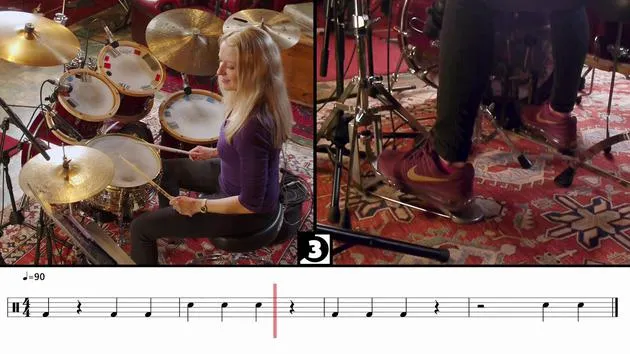
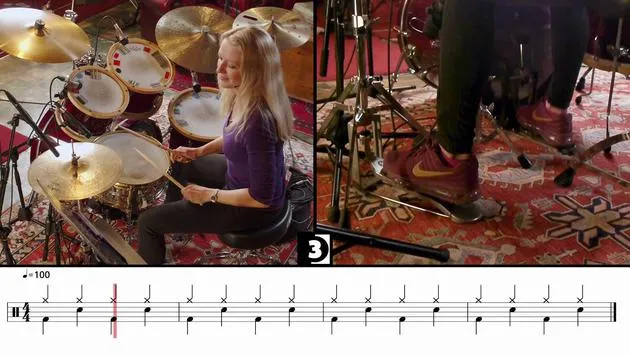
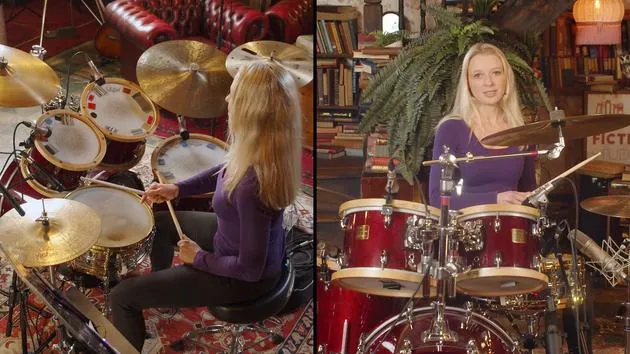
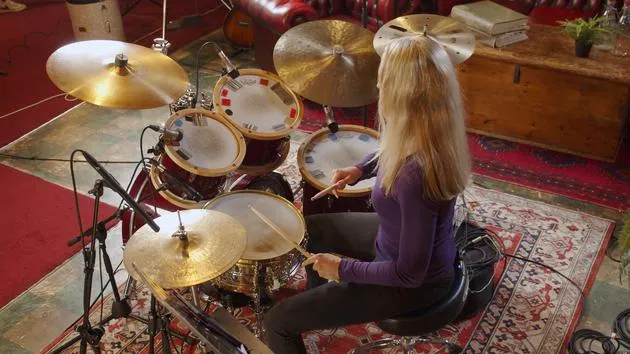
We're going to focus on developing coordination by playing different voices in unison, which we haven't done yet. It’s important to ensure that when we play a hi-hat and bass drum together, they really land together—avoiding any flams.
What is a Flam?
A flam is a rudiment where we play intentionally slightly out of time. For grooves like this, we want to maintain a solid pulse. So, let’s make sure everything is landing together.
Now, let's get on with the examples!
114 lessons
3h 47m of structured video lessons
Advanced video features
Slow down, loop a passage, follow along
Mobile, tablet & desktop
Practise wherever you are
100% satisfaction guarantee
30-day money-back guarantee
Meet your guru
Meet your guru
Sophie Alloway is a session and touring drummer at the heart of the London jazz scene. She has performed with Jason Rebello, Yazz Ahmed, Laurence Cottle and Tony Allen, and notably played for Prince Charles at Buckingham Palace shortly before he became King.
Touring credits include Roots Manuva, the Thriller musical and Paul Stacey (Oasis / The Black Crowes). She is also the drummer in original fusion band Lydian Collective, with over six million Spotify streams.
Sophie has recorded sessions at Abbey Road, AIR and Angel studios, and her television appearances include Later… with Jools Holland, Glastonbury and two series of Adrian Dunbar’s drama Ridley. She is featured on Abbey Road Masters: The Drum Sessions and performed for the BBC Young Jazz Musician 2024 finalists, broadcast on BBC TV and Radio. Jon Newey of Jazz FM dubbed her the “goddess of groove”.







