



Using a Metronome
With
Sophie Alloway
What's in the course
114 lessons (3h 47m) · 1 free
01. Rock Drumming Introduction
7:55
02. Example 1 - Single Strokes
2:44
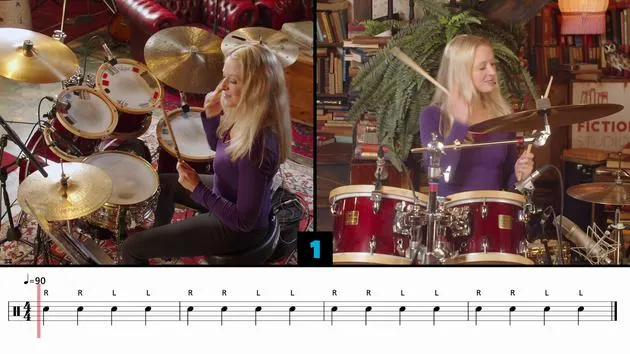
03. Example 2 - Double Strokes
1:28
04. Example 3 - Paradiddles
2:37
05. Bonus - Combining Singles, Doubles, and Paradiddles
2:22
06. Rock Lesson 2 - Adding Rests
1:48
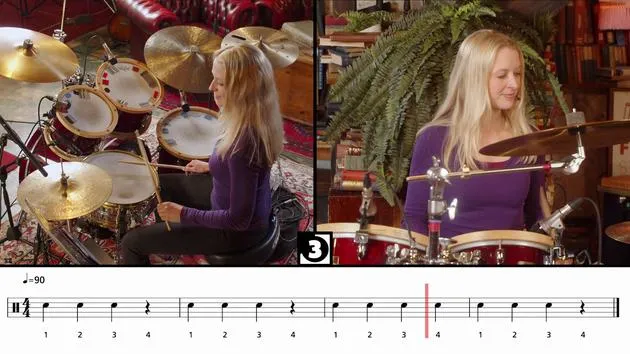
07. Example 1 - Rest on Beat 4
1:56
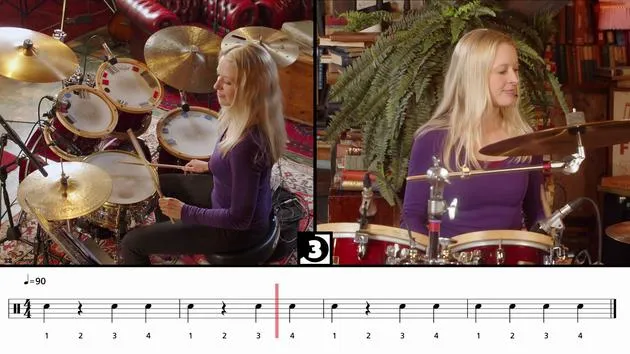
08. Example 2 - Rest on Beat 2
1:36
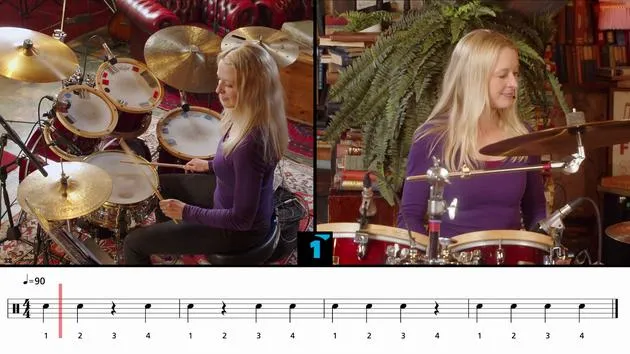
09. Example 3 - Moving Rests
1:05
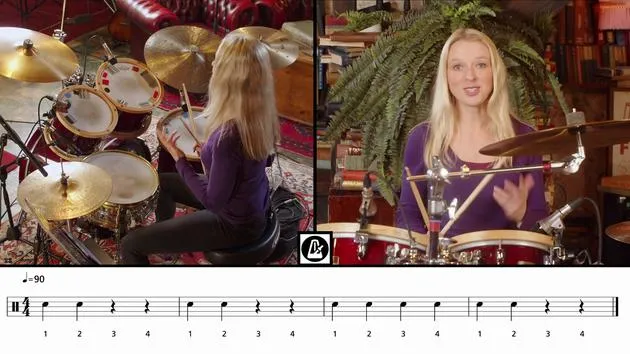
10. Example 4 - Piston Bars 12-16
1:56
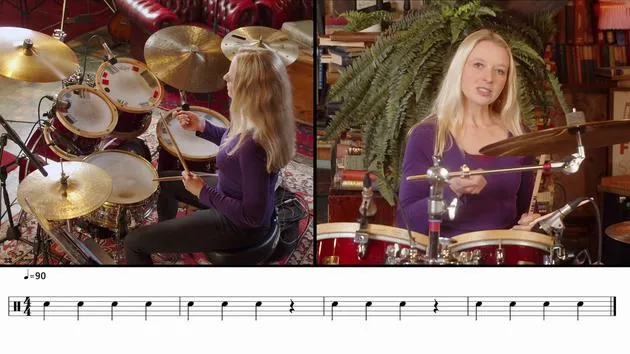
11. Bonus Exercise 1
1:49
12. Bonus Exercise 2
1:02
13. Rock Section Summary
1:50
01. Pop - Adding the Hi-Hat
1:31
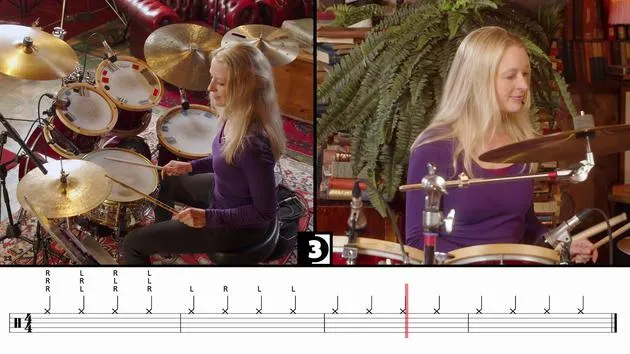
02. Example 1 - Quarter Notes on Hi-Hat
1:40
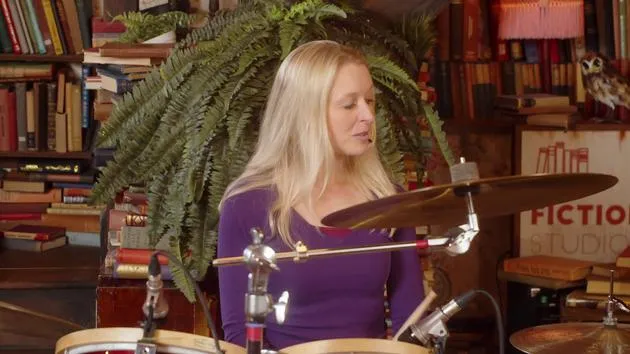
03. Example 2 - Resting on Beat 1
1:42
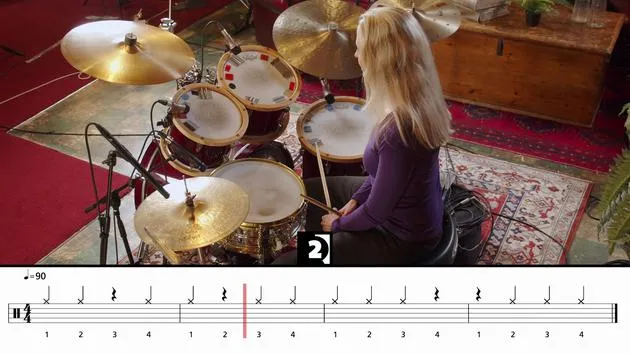
04. Example 3 - Two Consecutive Quarter Note Rests
1:28
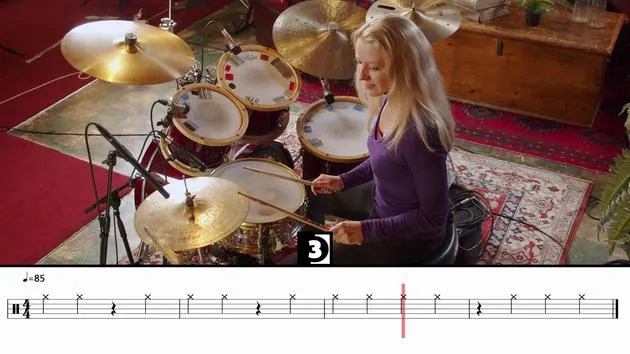
05. Bonus Exercise 1
1:11
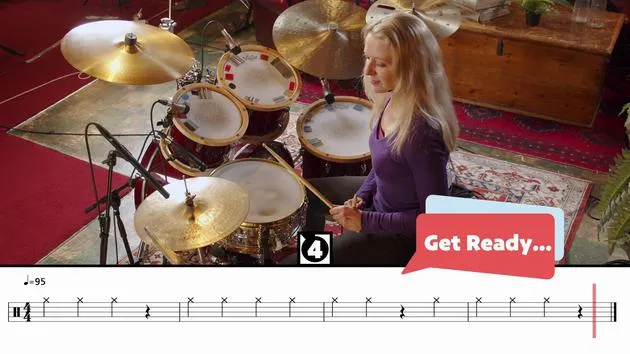
06. Bonus Exercise 2
1:10
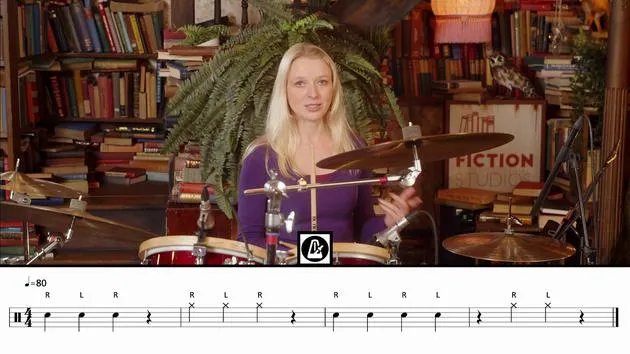
07. Pop Lesson 2 Example 1 - Combining the Hi-Hat & Snare
1:11
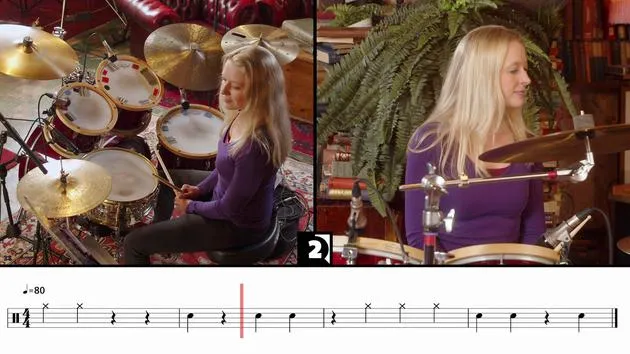
08. Example 2 - Moving Quickly Between Drum Voices
1:17
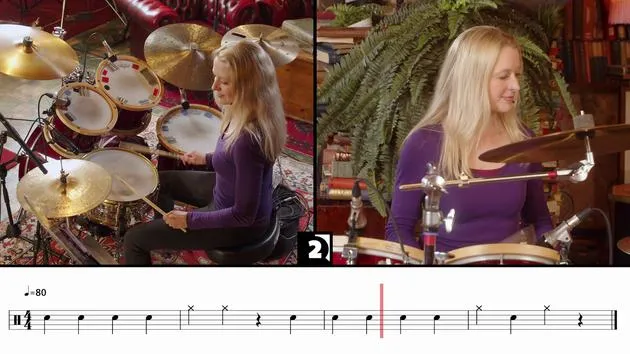
09. Example 3 - Two Drum Voices in One Bar
0:59
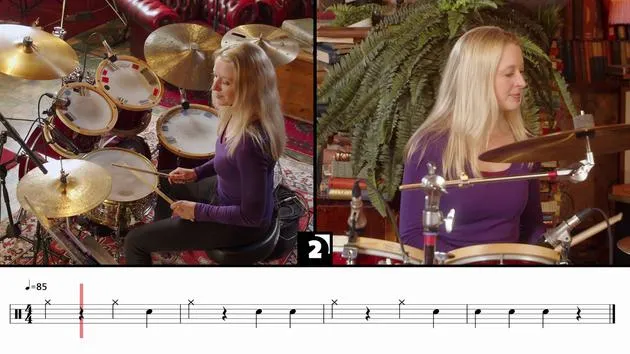
10. Example 4 - Take It to the Top Bars 1-4
1:10
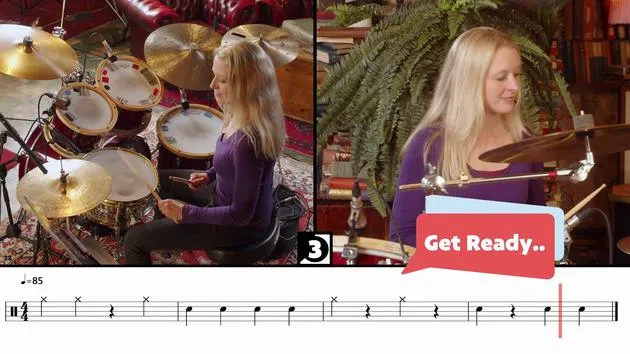
11. Bonus Exercise 1
1:08
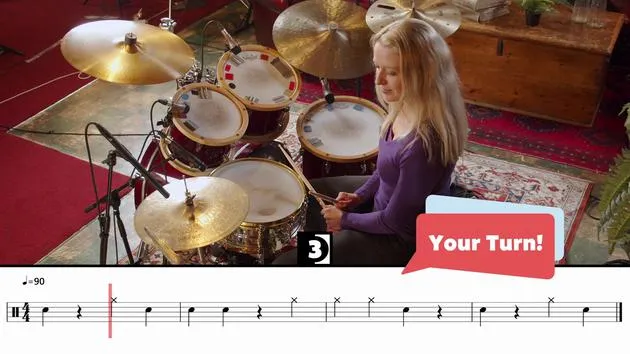
12. Bonus Exercise 2
1:04
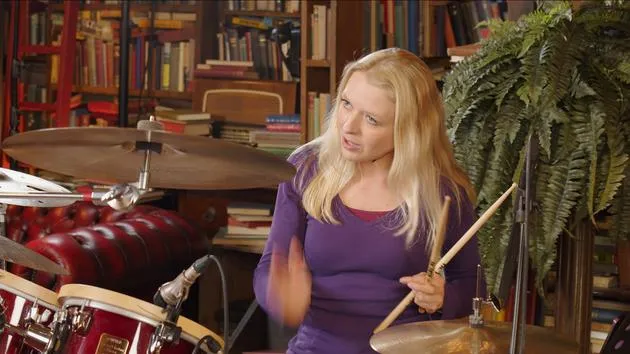
13. Pop Music Section Summary
0:51
01. Introduction to Country Music
4:13
02. Skills Checkpoint
1:54
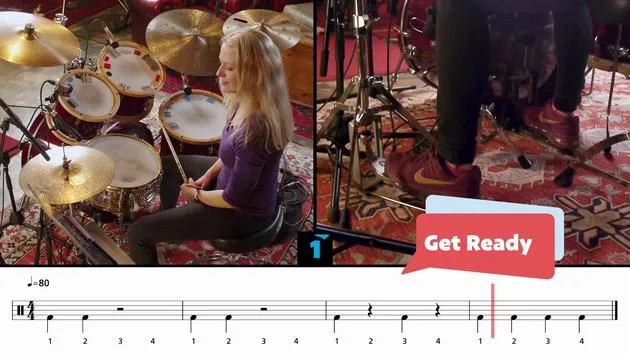
03. Example 1 - Half-Note Rest
1:18
04. Example 2 - Placing of the Half-Note Rest
1:31
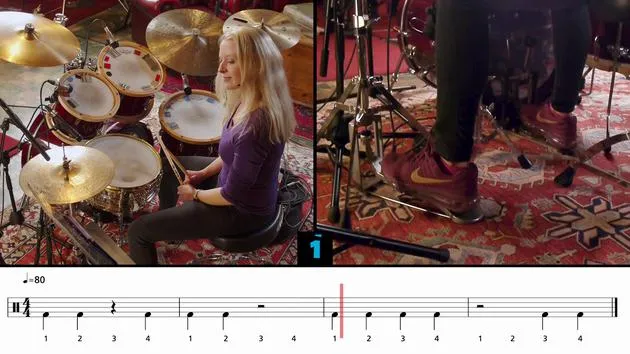
05. Example 3 - Bass Drum Phrases
1:29
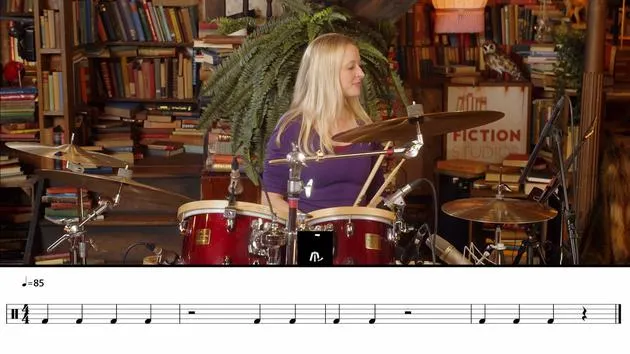
06. Bonus Exercise 1
1:27
07. Bonus Exercise 2
1:10
08. Country Lesson 2 - Combining Bass Drum, Snare, and Hi-Hat
3:07
09. Example 1 - Combining the Bass Drum & Hi-Hat
1:40
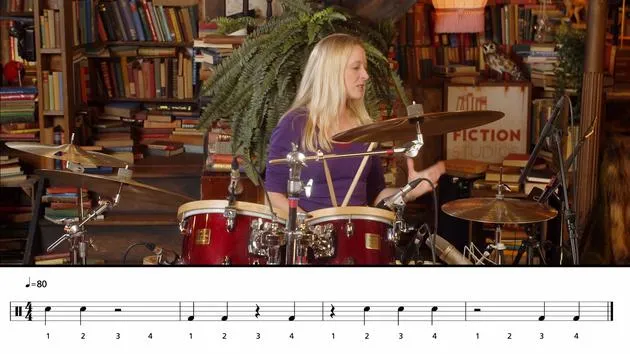
10. Example 2 - Adding the Half-Note Rest in Various Positions
1:10
11. Example 3 - Moving Quickly Between Drum Voices
1:10
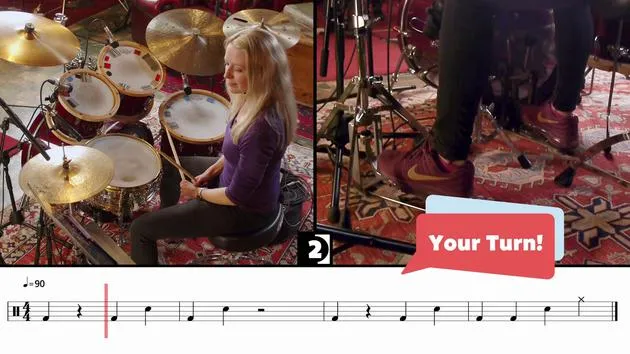
12. Example 4 - Borderlands Bars 1-4
1:06
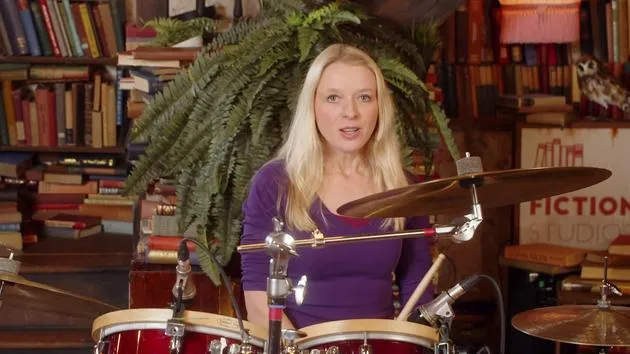
13. Bonus Exercise 1
1:30
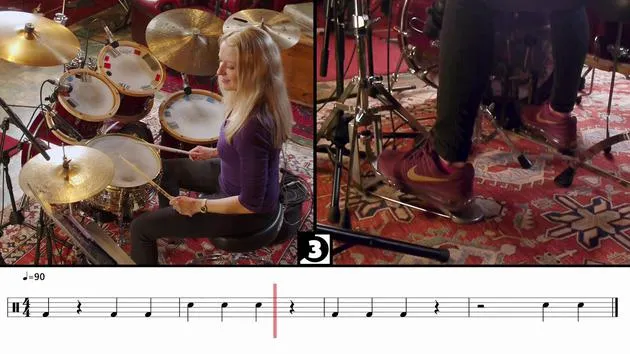
14. Bonus Exercise 2
0:56
15. Country Music Section Summary
0:26
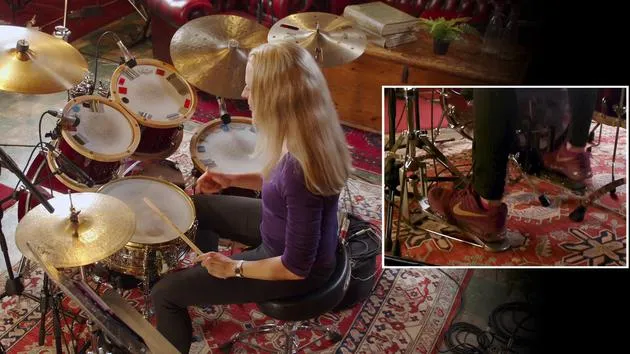
01. Metal Introduction - Playing Two Drum Voices
3:35
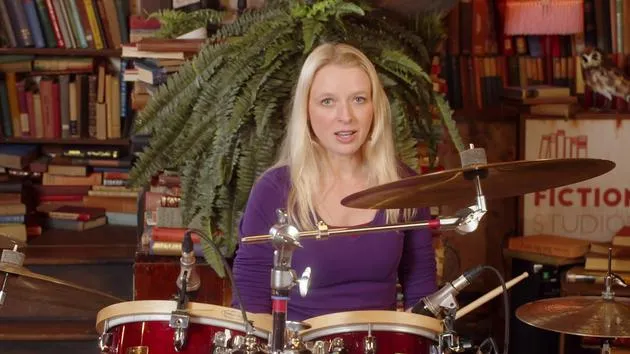
02. Example 1 - Focusing on Coordination
2:19
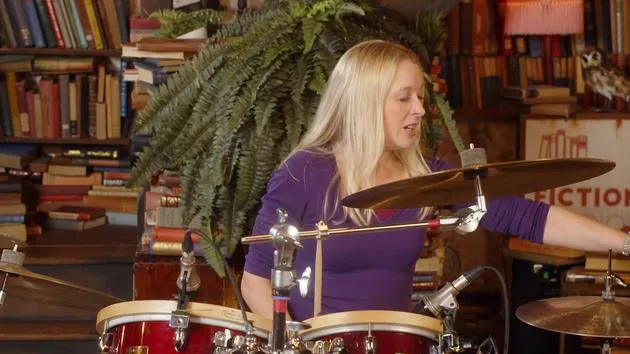
03. Example 2 - Bass Drum Variations
1:16
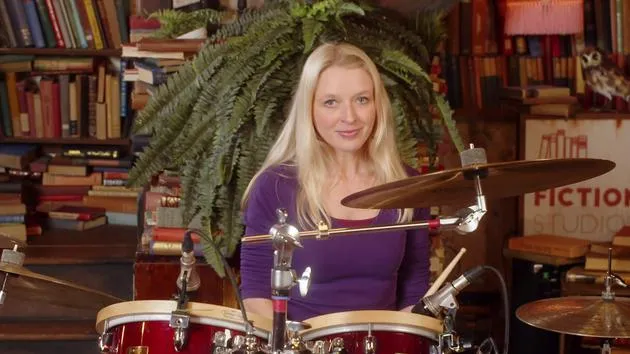
04. Example 3 - Coordinating the Hands
1:09
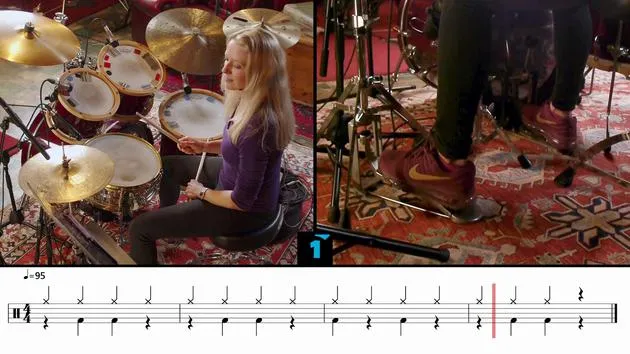
05. Bonus Exercise 1
1:05
06. Bonus Exercise 2
0:50
07. Metal Lesson 1 Summary
0:25
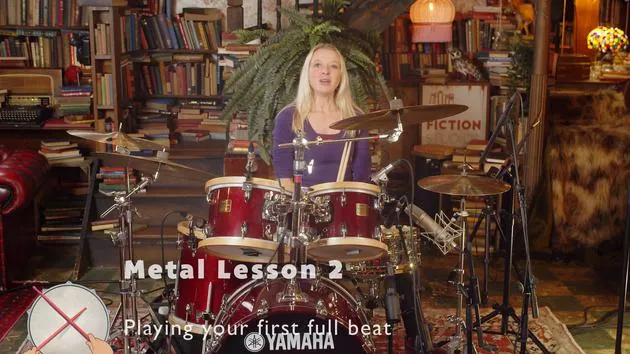
08. Metal Lesson 2 - Playing Your First Full Beat
1:56
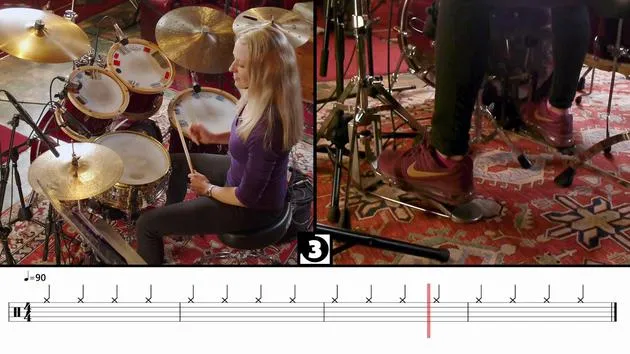
09. Example 1 - Basic Rock Beat Hi-Hat Pattern
1:08
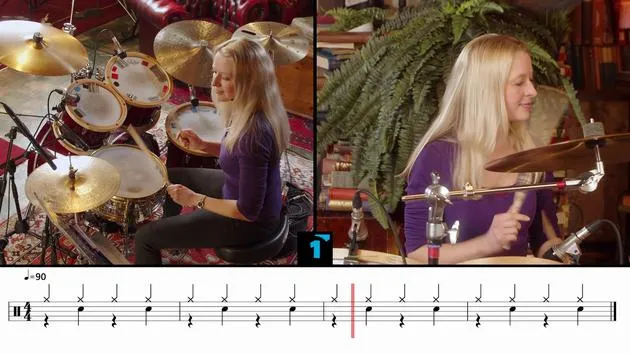
10. Example 2 - Adding the Back Beat
0:58
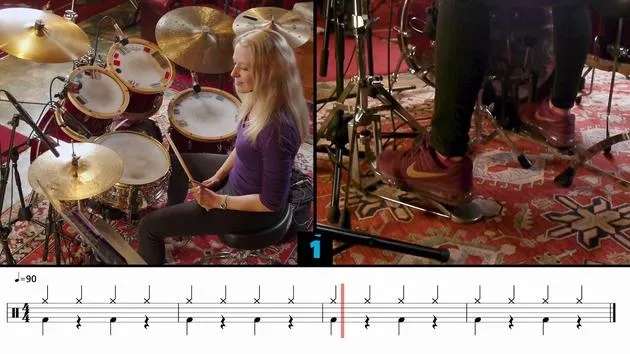
11. Example 3 - Adding the Bass Drum
0:59
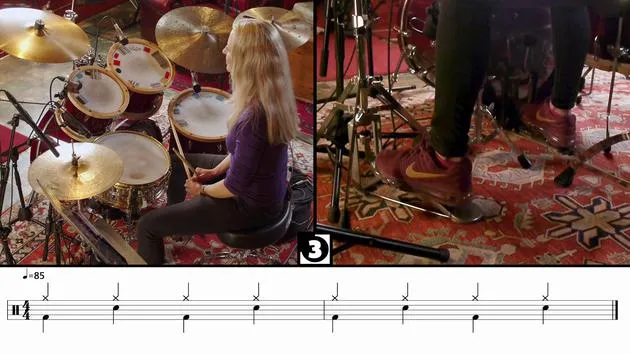
12. Example 4 - Power Trip Bars 13-14
1:32
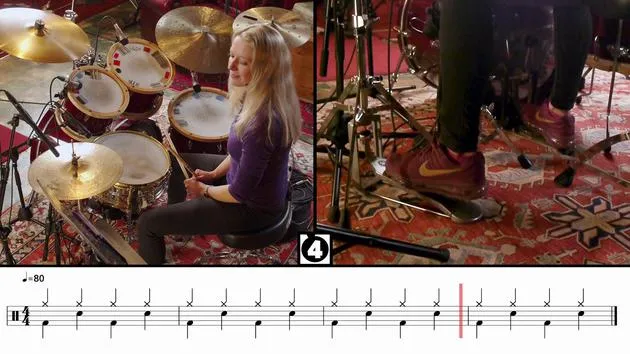
13. Bonus Exercise 1
1:10
14. Bonus Exercise 2
0:53
15. Metal Section Summary
1:05
01. Indie - Introduction to the Style
1:26
02. Example 1 - Resting on Beat Three
1:01
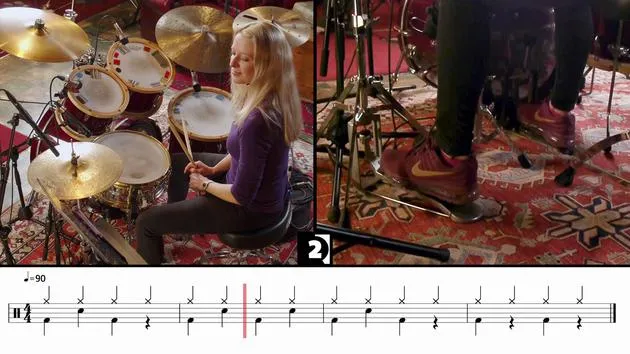
03. Example 2 - More Variations
1:00
04. Example 3 - Coordinating the Limbs
2:16
05. Bonus Exercise 1
1:10
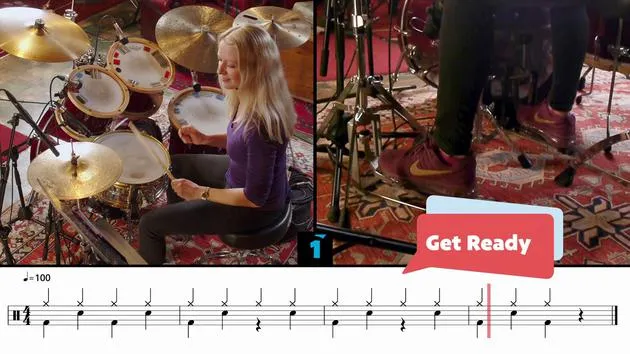
06. Bonus Exercise 2
0:50
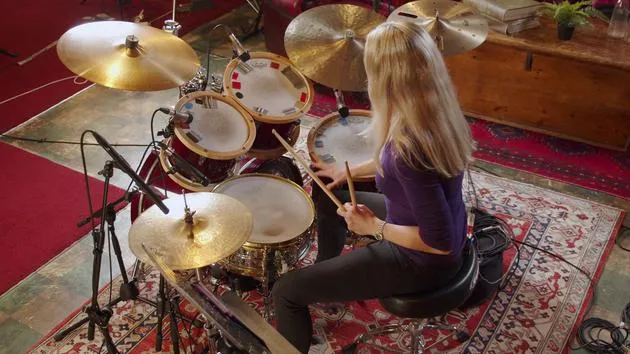
07. Indie Lesson 1 Summary
0:25
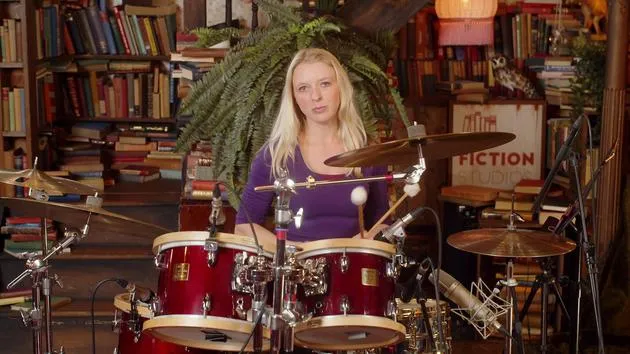
08. Indie Checkpoint - Mallets
2:46
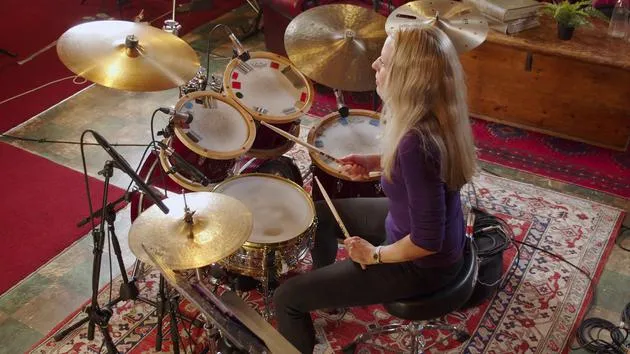
09. Indie Lesson 2 - Introducing 8th Note Bass Drum and Snare
1:25
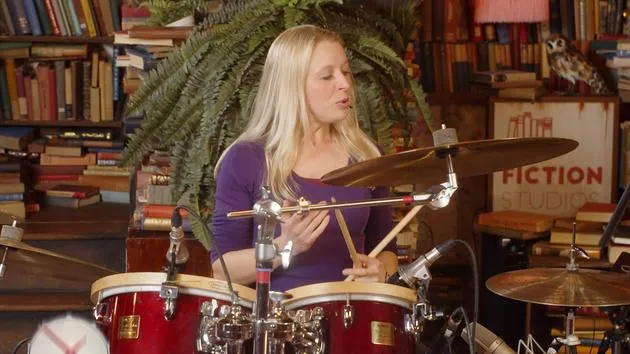
10. Example 1 - Eighth-Note Snare
1:36
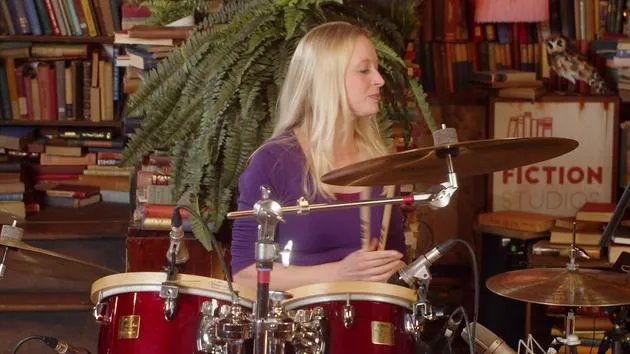
11. Example 2 - Eighth-Note Bass Drum
1:04
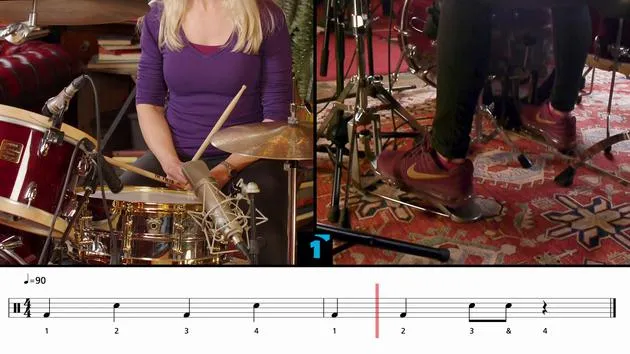
12. Example 3 - Eighth Note Phrase
0:59
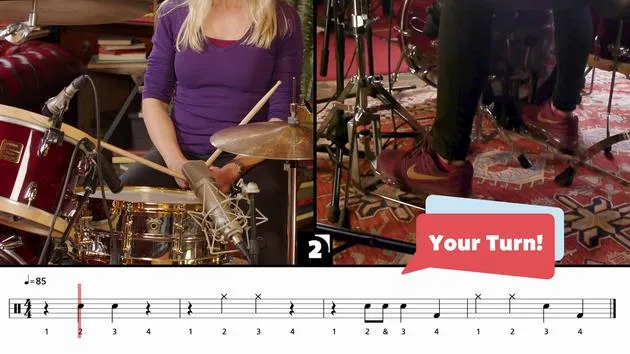
13. Example 4 - 'Big Mouth' Bars 1-4
1:48
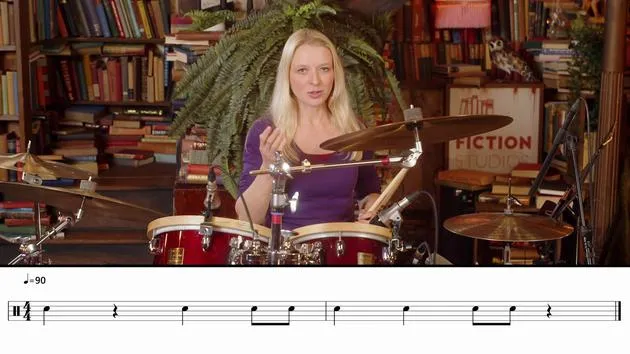
14. Bonus Exercise 1
0:38
15. Bonus Exercise 2
0:59
16. Indie Section Summary
0:34
01. Hip-Hop Introduction - Basic Beats and Fills
1:33
02. Example 1 - Snare & Bass Drum Fill
1:10
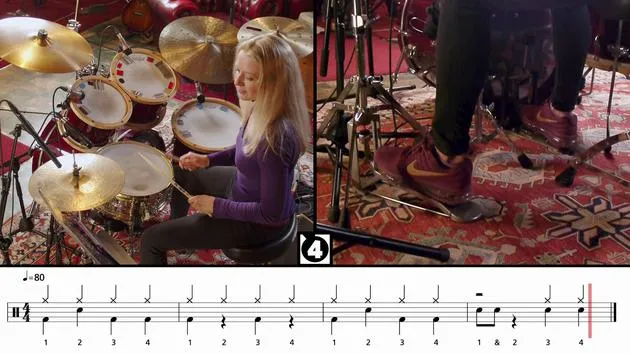
03. Example 2 - Snare & Hi-Hat Fill
1:08
04. Example 3 - Fill Using Snare, Hi-Hat & Bass Drum
1:09
05. Bonus Exercise 1
1:38
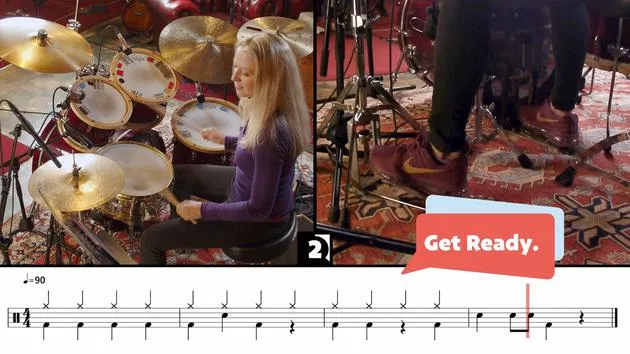
06. Bonus Exercise 2
0:47
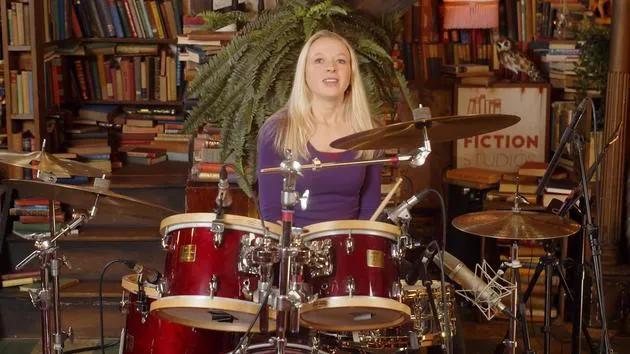
07. Hip-Hop Lesson 1 Summary
0:32
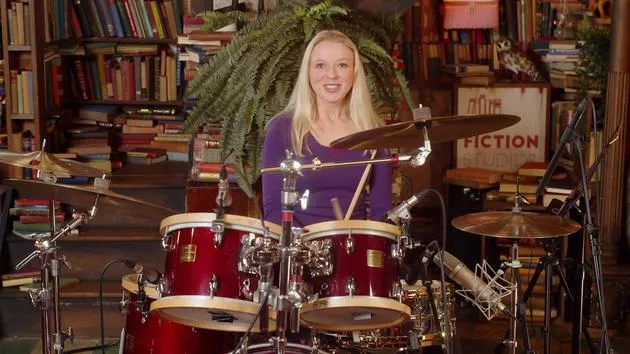
08. Hip Hop Lesson 2 - Introduction to Eighth Note Beats
3:53
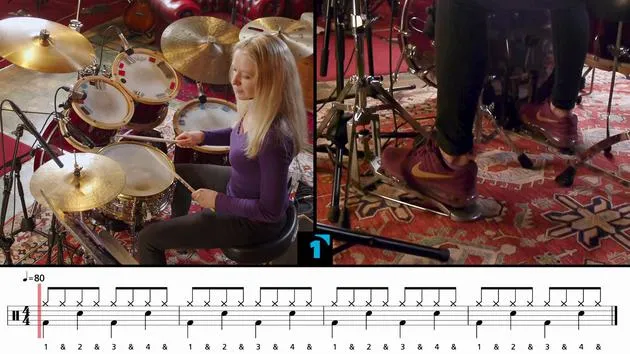
09. Example 1 - The Basic Eighth-Note Beat
1:19
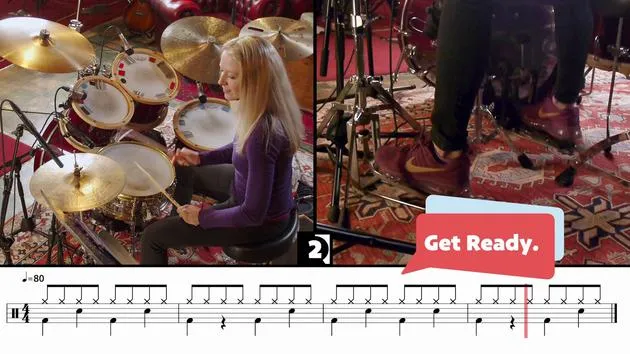
10. Example 2 - Snare Drum Variations
1:28
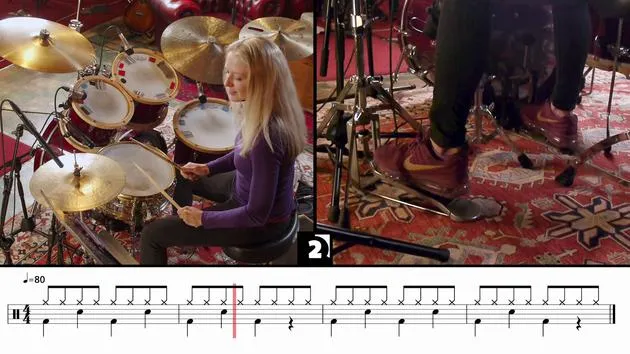
11. Example 3 - Bass Drum Variations
1:09
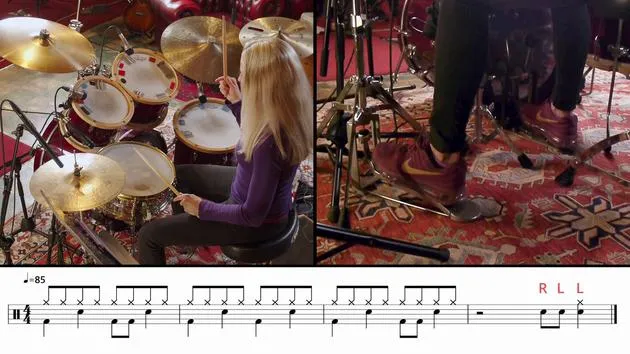
12. Example 4 - 'The Dogg' Bars 13-16
1:56
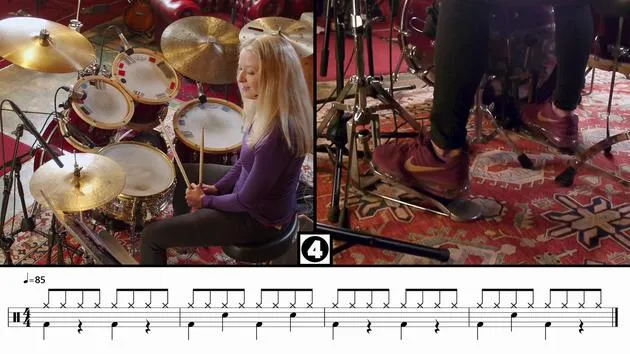
13. Bonus Exercise 1
1:04
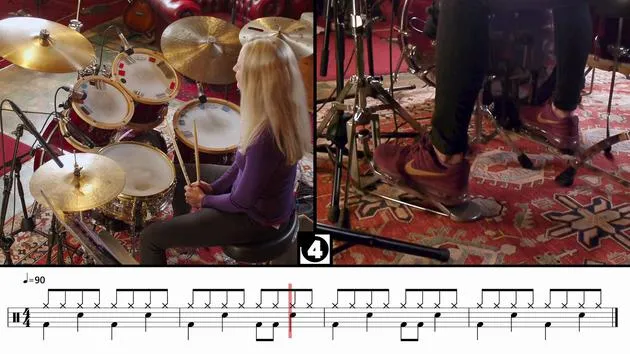
14. Bonus Exercise 2
1:09
15. Hip-Hop Section Summary
0:32
01. Introduction to the Pieces
1:04
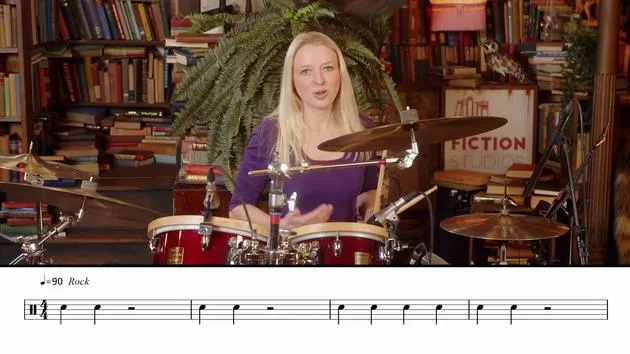
02. Piston (Rock) - Walkthrough
4:57
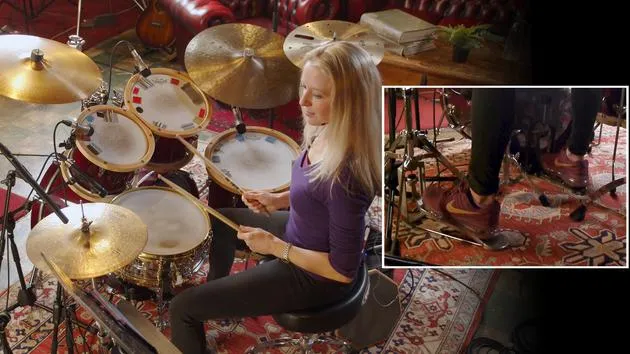
03. Piston (Rock) - Performance
0:46
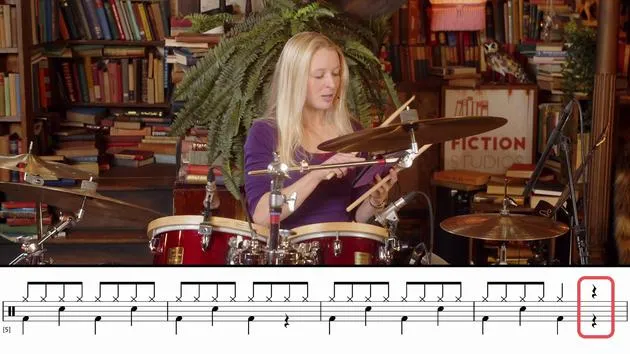
04. Take it to the Top (Pop) - Walkthrough
3:58
05. Take it to the Top (Pop) - Performance
0:50
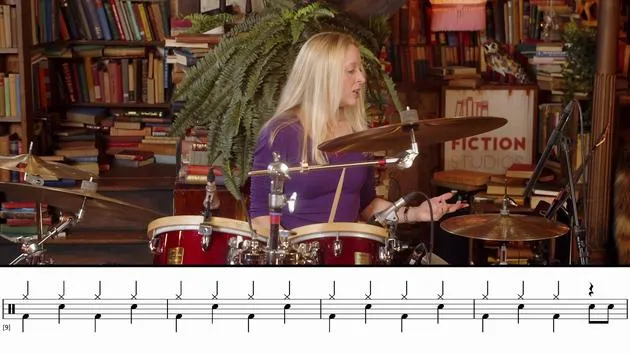
06. Borderlands (Country) - Walkthrough
3:49
07. Borderlands (Country) - Performance
0:48
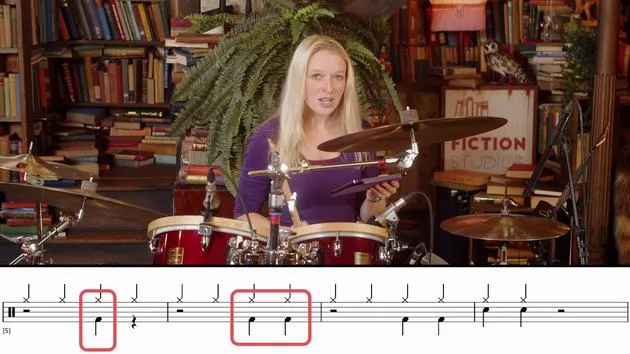
08. Power Trip - Walkthrough
5:04
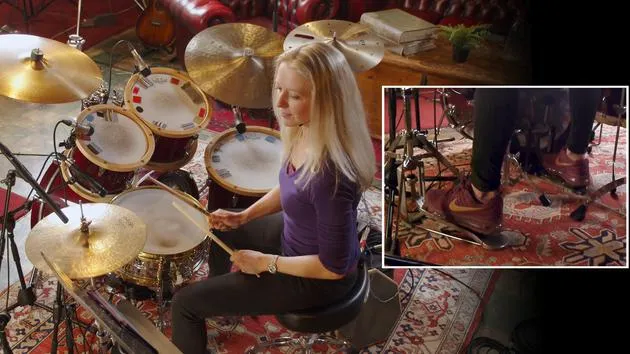
09. Power Trip (Metal) - Performance
0:51
10. Big Mouth (Indie) - Walkthrough
5:26
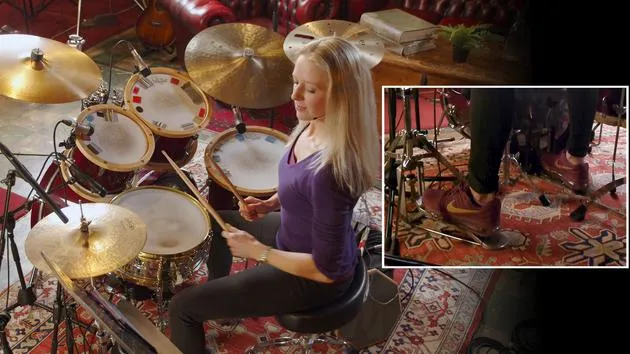
11. Big Mouth (Indie) - Performance
0:52
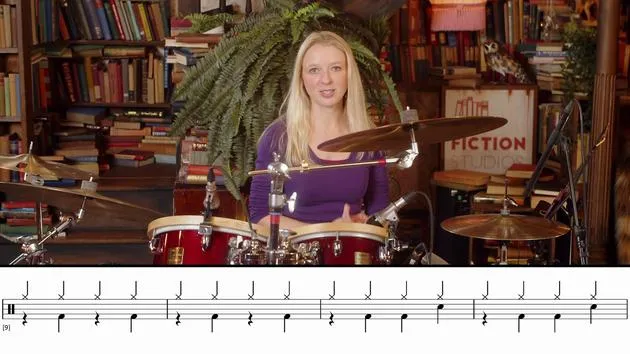
12. The Dogg (Hip Hop) - Walkthrough
6:14
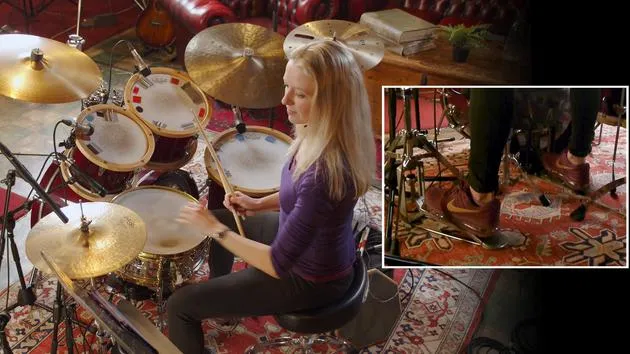
13. The Dogg (Hip Hop) - Performance
0:51
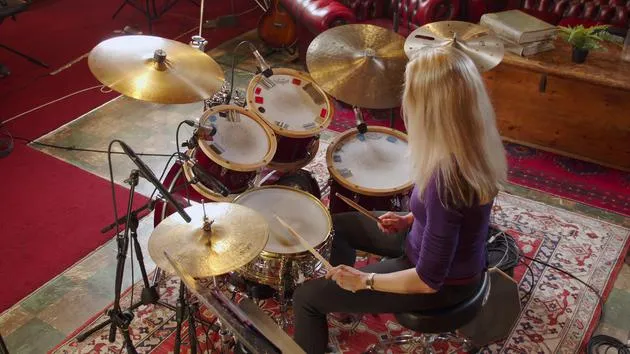
14. Overload (Rock) - Walkthrough
5:23
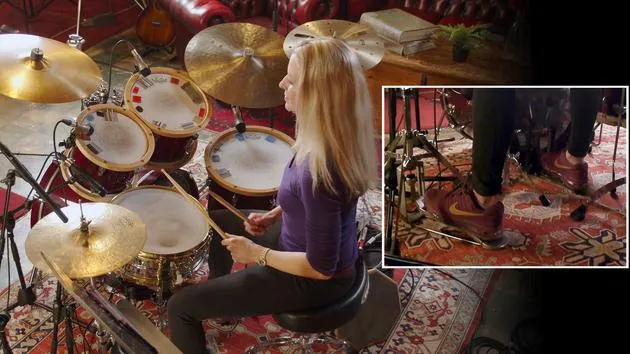
15. Overload (Rock) - Performance
0:50
16. Slam (Metal) - Walkthrough
4:28
17. Slam (Metal) - Performance
0:51
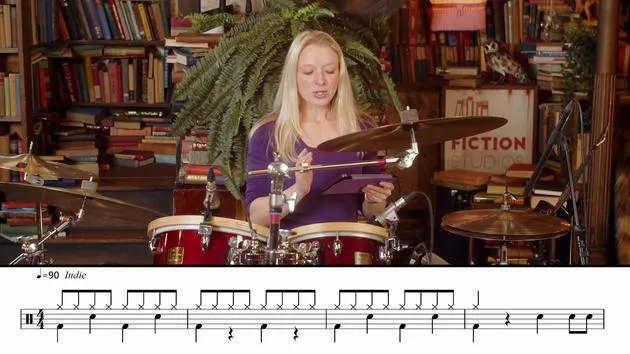
18. Under the Radar (Indie) - Walkthrough
5:02
19. Under the Radar (Indie) - Performance
0:50
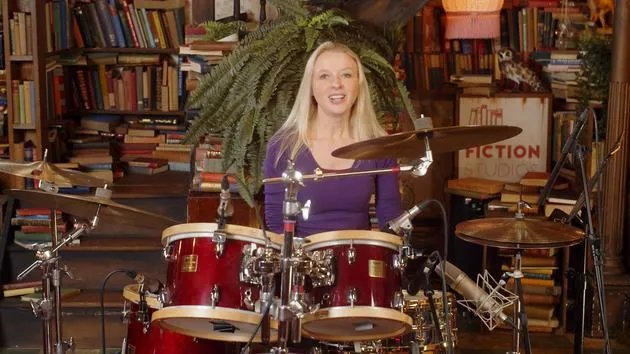
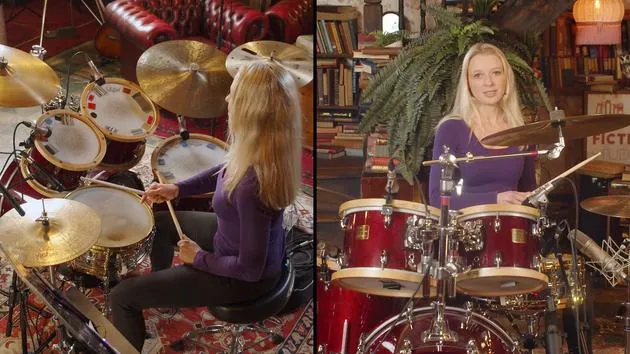
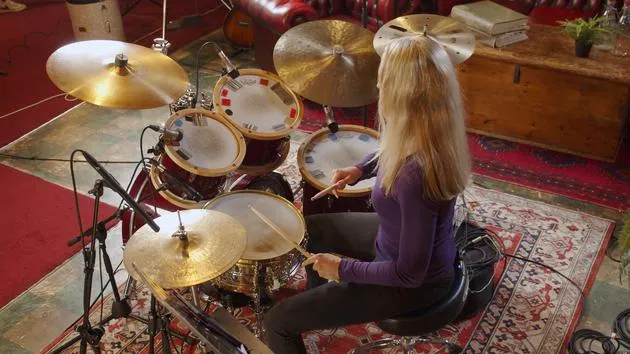
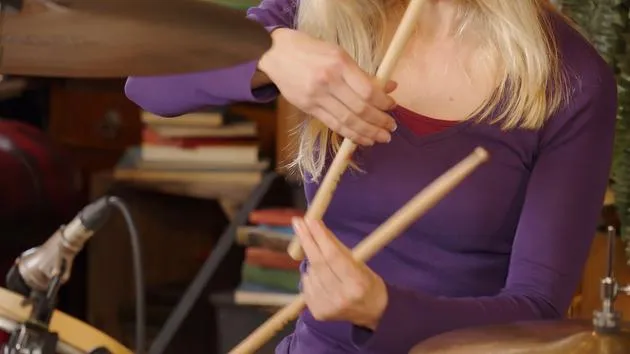
Lesson transcript
The Metronome: A Timekeeping Friend
So just to talk a little bit about our timekeeping friend, the metronome.
A Brief History
- It always used to be the case that we'd have an actual metronome.
- Maybe some of you remember the wooden ones that used to be on a piano with the tick, tock, tick.
- They had a weight at the bottom and they never quite stayed in time.
- Or maybe that was just me. Maybe I'm blaming the metronome for going out of time.
The weighted ones weren't great for drummers for a couple of reasons:
- They weren't loud enough.
- They didn't really keep consistent time.
Modern Solutions
We are very lucky now that we have super duper digital metronomes, either available on your device or you can definitely buy a metronome and plug in some headphones to it.
My Favorite Metronome
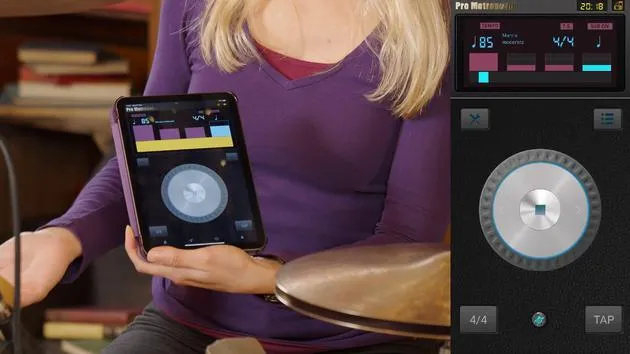
Let me show you the one that I use. There are lots of metronome apps out there:
- Free ones
- Paid ones
I really like Prometronome, mainly because it has a voice counting mode. Check this out:
"1, 2, 3, 4. 1, 2, 3."
I can go to eighth notes, or even sixteenth notes.
Okay, maybe that's enough of that. That one drives my students a little crazy when I put it onto sixteenth notes, but it provides a lot of laughter as well.
The Purpose of the Metronome
The primary function of the metronome is to help us develop good timekeeping.
- Each of us has our own natural sense of time that's built into us.
- Some of us are lucky and have a good natural sense of time.
- Others may have a tendency to speed up, especially with the adrenaline of playing or if we're nervous about performing.
Managing Performance Anxiety
If you're doing a drum exam or something similar, it's normal to feel a little nervous or excited. This can cause us to speed up unintentionally, or if we're tired, we might slow down a bit.
It's all variable.
Using one of these and practicing with a metronome is essential for fine-tuning our timekeeping.
Practical Tips for Using the Metronome
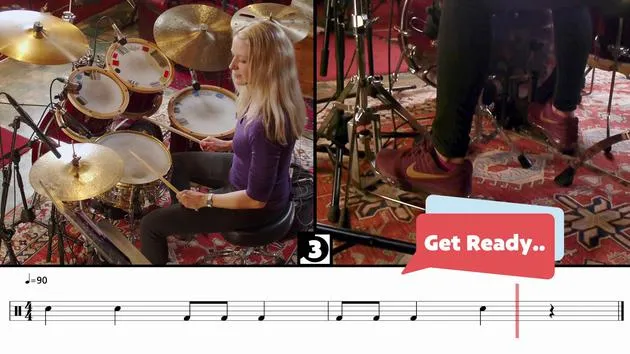
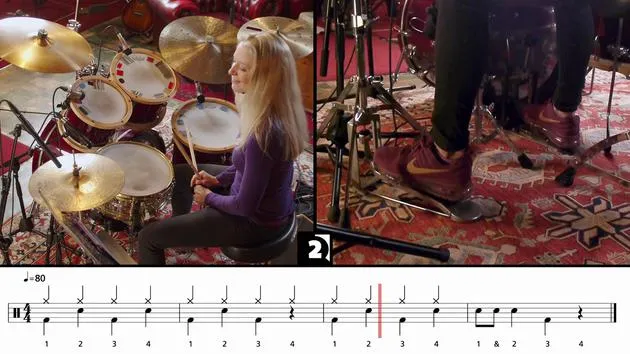
I should possibly do this more often, but I'm always very busy working and playing live. I do need to remind myself occasionally to put the metronome on at various tempos, especially those out of our comfort zone—those that feel really slow.
- Our comfortable speed might be about 85 or 90 beats per minute, which is featured a lot in this course.
- There are tempos of 80, 85, and 90 beats per minute.
Understanding the Pulse
- That's the quarter note pulse.
- If we were looking at our watches, 60 beats per minute would be just like watching that second hand go round.
However, that's quite slow for the kind of music we're playing.
Using the Metronome Effectively
So, how do we use the metronome?
-
Adjusting the Dial: You can change the tempo, for example, from 80 to about 90.
- If you're feeling brave, you can go all the way up to 200 or 300, but let’s stick to around 80 or 85 for now, as some of our exercises are set to that speed.
-
Listening for the Beat: It sounds like this:
"1, 2, 3, 4."
I like to have a different pitch on beat one because, if I'm playing something challenging and might get lost, it's comforting to identify that higher tone as beat one.
- You can also set it to quavers or eighth notes, which would sound like:
"1 and 2 and 3 and 4."
This is particularly helpful if you’ve been playing quarter notes on the hi-hat and want to practice locking in eighth notes.
A Balanced Approach
Now, we don’t want to get too neurotic or specific, chasing the metronome and worrying about not meeting it at the right time.
- Music is about feeling and expression.
- While it’s true that a lot of digitally produced music is very precise, there's something special about humans getting together in a room to play music.
Remember: If you get excited during a performance, it might speed up a little or slow down. That's okay—it's all natural.
Don’t be too hard on yourself if you’re trying to play exercises and they aren’t exactly in sync with the metronome. We’re all just doing our best, and that’s good enough.
114 lessons
3h 47m of structured video lessons
Advanced video features
Slow down, loop a passage, follow along
Mobile, tablet & desktop
Practise wherever you are
100% satisfaction guarantee
30-day money-back guarantee
Meet your guru
Meet your guru
Sophie Alloway is a session and touring drummer at the heart of the London jazz scene. She has performed with Jason Rebello, Yazz Ahmed, Laurence Cottle and Tony Allen, and notably played for Prince Charles at Buckingham Palace shortly before he became King.
Touring credits include Roots Manuva, the Thriller musical and Paul Stacey (Oasis / The Black Crowes). She is also the drummer in original fusion band Lydian Collective, with over six million Spotify streams.
Sophie has recorded sessions at Abbey Road, AIR and Angel studios, and her television appearances include Later… with Jools Holland, Glastonbury and two series of Adrian Dunbar’s drama Ridley. She is featured on Abbey Road Masters: The Drum Sessions and performed for the BBC Young Jazz Musician 2024 finalists, broadcast on BBC TV and Radio. Jon Newey of Jazz FM dubbed her the “goddess of groove”.







