



Converting Audio To MIDI

With
Madeleine BloomMadeleine Bloom walks through Ableton Live's four audio-to-MIDI functions, including Slice to New MIDI Track and slicing by transients.
What's in the course
36 lessons (5h 28m) · 1 free
Lesson transcript
Audio to MIDI Functions in Live
In this video, you'll be learning about the four different converting audio to MIDI functions in Live.
Overview of Functions
Three of those functions are new, but I'll start with the one that is not new:
1. Slice to New MIDI Track
- You can access this function by:
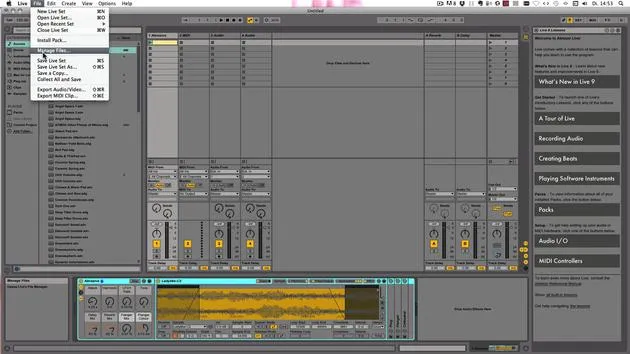
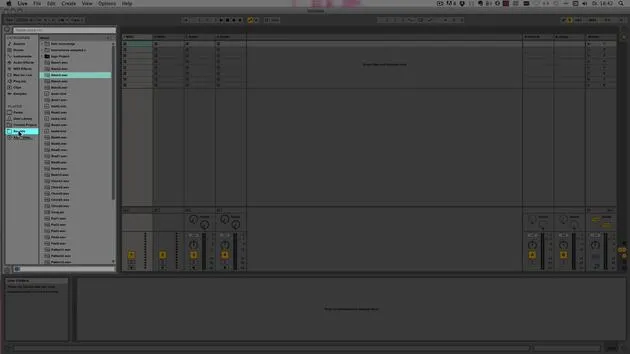
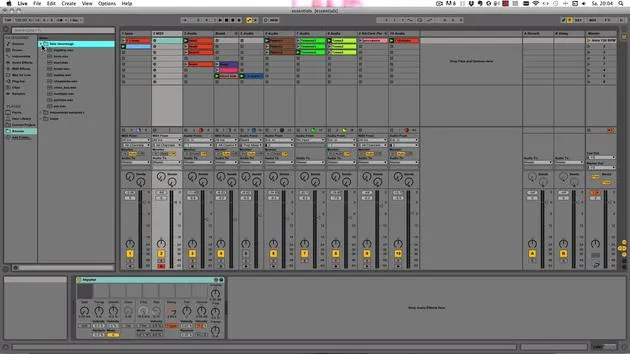
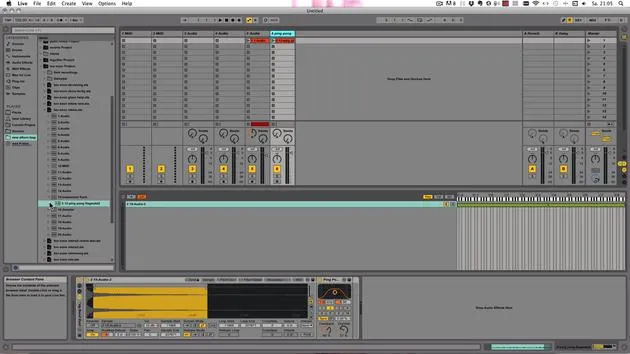
- Right-clicking on any sample in the browser and selecting Slice to New MIDI Track.
- Dragging and dropping a sample in, then right-clicking and choosing Slice to New MIDI Track again.
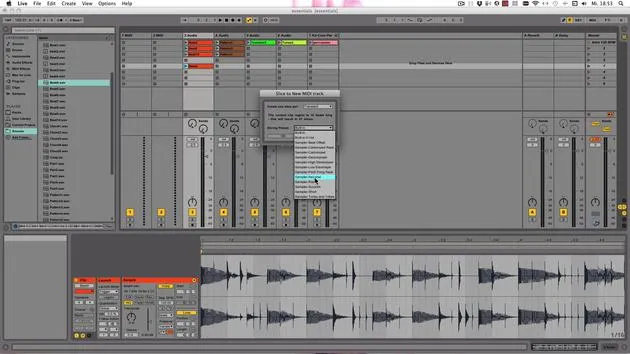
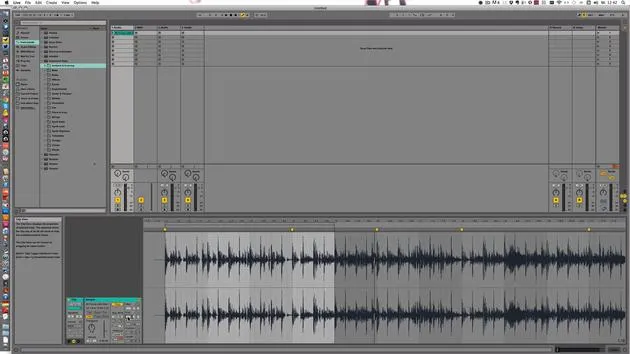
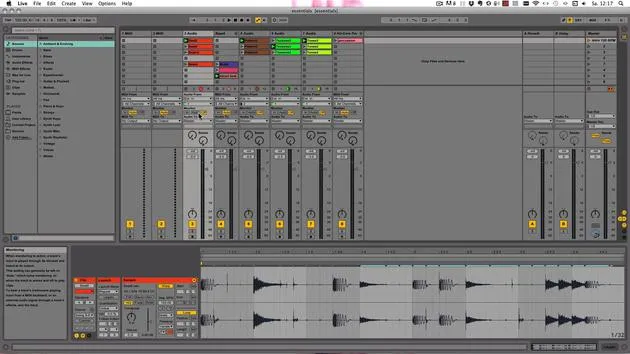
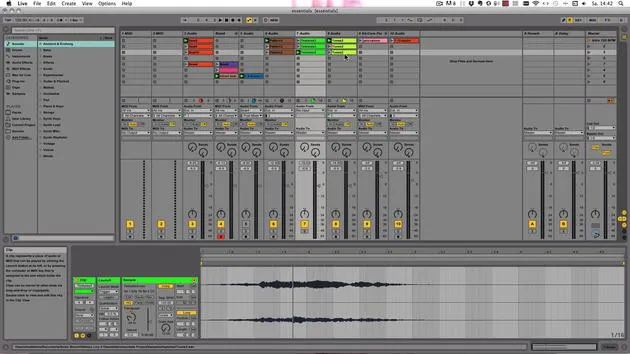
When you click on it, a window appears where you can choose how you want to slice the audio. The options available include:
-
Slice per Warp Markers: This would create just one slice if there is only one warp marker in the whole clip, which doesn't make much sense.
-
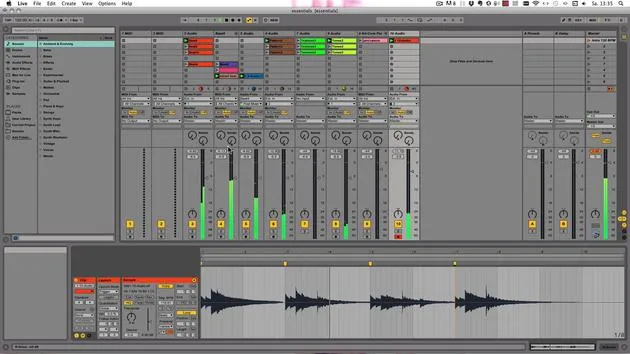
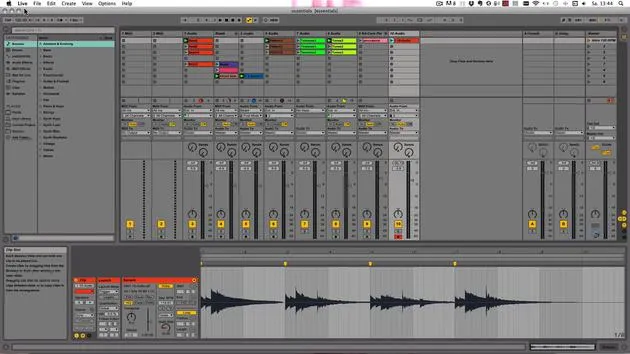
Transients: This option would result in 41 slices based on all the transients detected in the clip.
-
Different Measures: You can choose from various measures as well.
Recommended Choice: I'm going to go with Transients because that looks quite nice.
Functionality
What this function does is it cuts audio into predefined chunks, with each chunk assigned to a single MIDI note on a MIDI track.
- Maximum Slice Limit: The maximum number of slices that can be created is 128, as that's the maximum number of MIDI notes available.
Slicing Presets
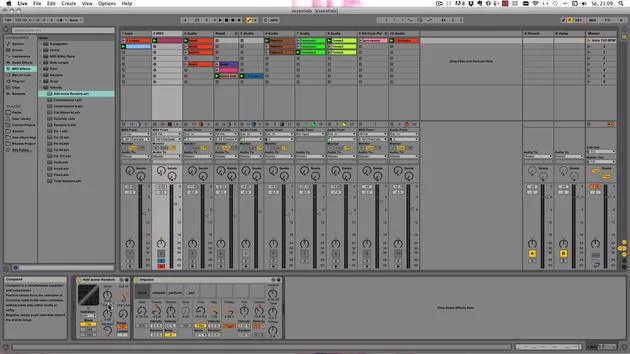
There are also slicing presets built-in, which simply create a drum rack with a simpler for each slice. Many of these include effects and can be quite useful. For example, using the Sampler Reverse option will automatically reverse all the samples, which is quite nice.
Creating Slices
- I'm going to stick with built-in presets and click OK.
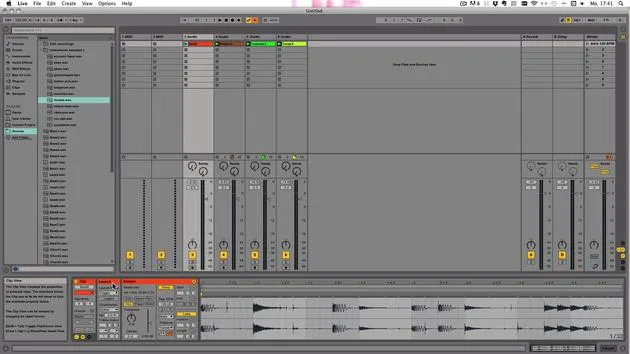
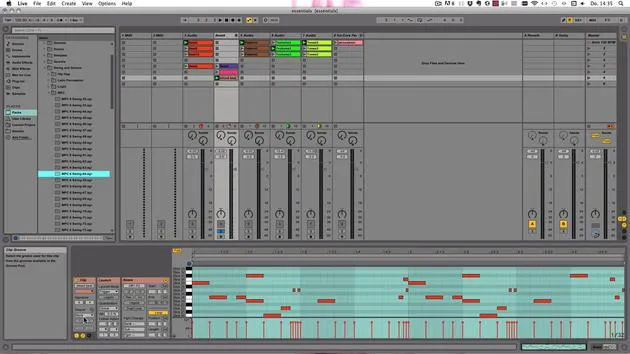
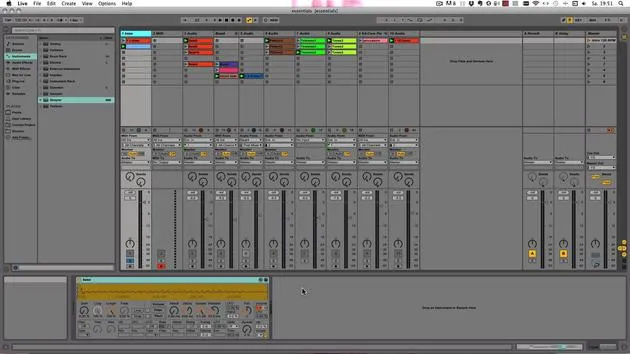
- Now, 41 slices are created as well as a MIDI track.
- You'll see the drum rack and all the slices within it.
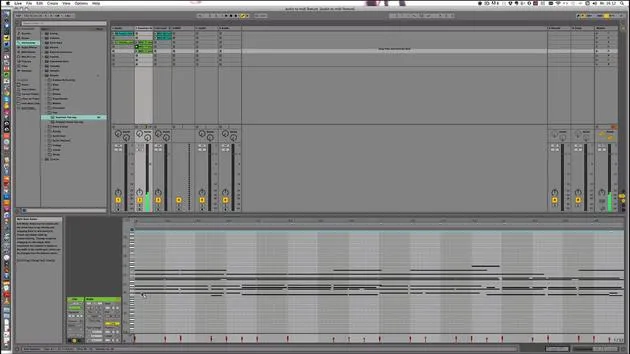
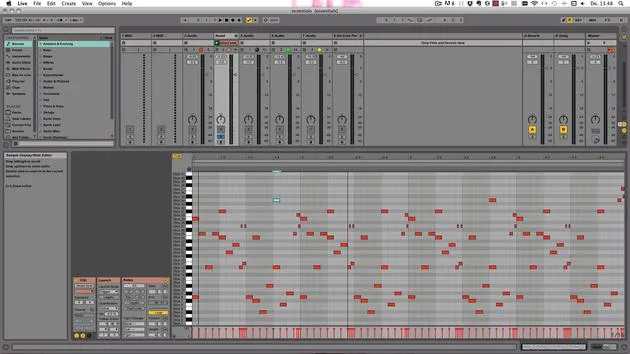
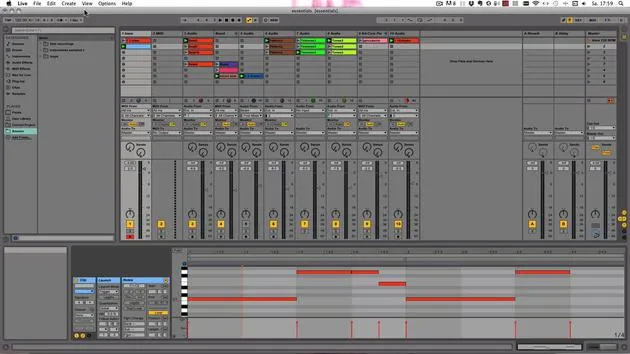
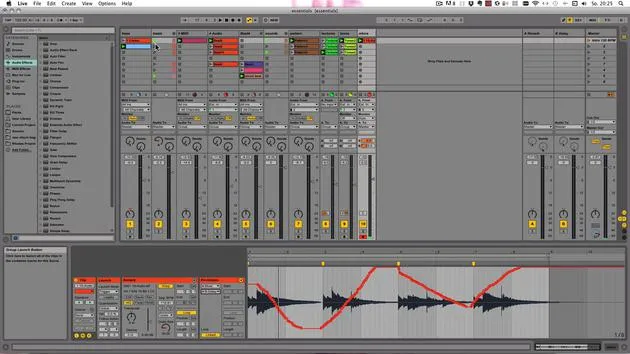
When you double-click on the clip, you'll see in the clip view that there are all 41 slices displayed in the piano roll with MIDI notes of the original length.
Playing the Clip
If we stop all clips by clicking on the Back to Arrangement button and start this clip, it plays exactly like the sample did.
Creating Variations
You can create variations in the following way:
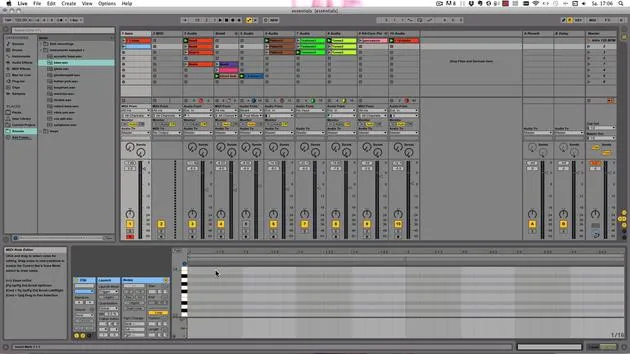
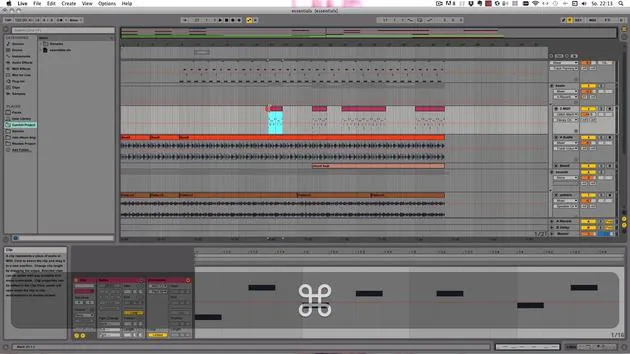
- Double-click to create a MIDI clip that by default is one bar long and looped.
- You can make the view smaller and enlarge the clip view.
- Randomly click or draw by using the Draw tool (activated by pressing B).
Now, you've got an interesting variation!
- If you have any sample that is just a couple of beats long and you like the sound but it gets boring, you can slice it to a new MIDI track and create variations that way.
Grid Settings
You can also use the Grid Settings commands in the MIDI clip, which work just like in an audio clip. For example, you can narrow the grid to create more variations.
Creative Possibilities
You can slice beats, but that's not the only option. You could use any kind of sample, really, just try stuff and get creative!
New Functions in Live 9
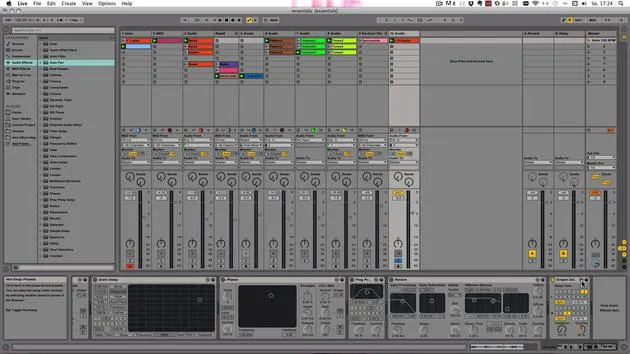
The new functions in Live 9 can convert sounds to a new MIDI track:
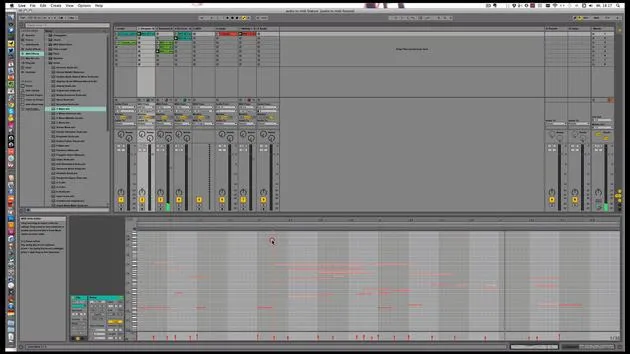
- Convert Harmony to New MIDI Track: Best for polyphonic sounds.
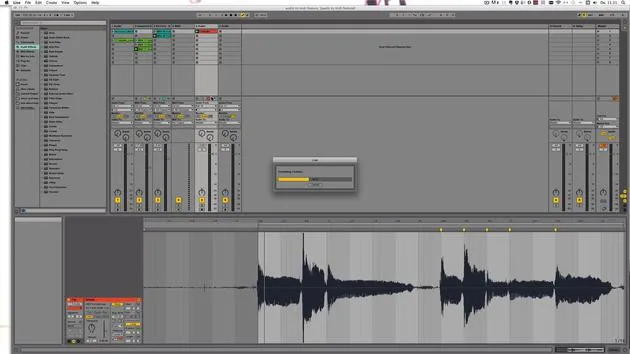
- Convert Melody to New MIDI Track: Great for monophonic sounds like vocals or bass lines.
- Convert Drums to New MIDI Track: Ideal for everything percussive.
I will delve into each of these in detail in the next four videos, and I'm excited to show you how you can use them very creatively!
36 lessons
5h 28m of structured video lessons
Advanced video features
Slow down, loop a passage, follow along
Mobile, tablet & desktop
Practise wherever you are
100% satisfaction guarantee
30-day money-back guarantee
Meet your guru
Meet your guru
Madeleine Bloom is a classically trained musician, producer, multi-instrumentalist and singer from Berlin, and founder of the label Quixotica Records. She studied electroacoustic music at the Franz Liszt Conservatory under Prof. Robin Minard, and brings those methods to her own blend of electronica pop. Her music has earned praise from producers Guy Sigsworth and Rupert Hine, and a personal invitation from Imogen Heap, whose tour she opened.
A former Ableton technical support agent, she founded the online platform Sonic Bloom in 2012, where she teaches Ableton Live and music production through courses, workshops and one-to-one classes. She has helped people around the world with Ableton Live, Push and Max for Live, as well as audio engineering, music theory, composition and sound design.







