



Converting Harmony To MIDI

With
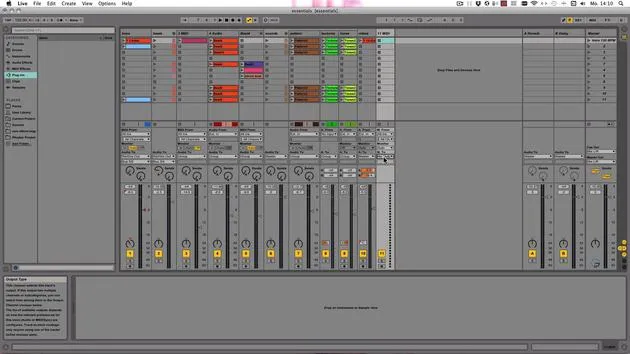
Madeleine BloomMadeleine Bloom shows how to use Ableton Live 9's Harmony to MIDI to turn a polyphonic recording - here a ukulele part - into MIDI you can play back as a pad or any sound.
What's in the course
36 lessons (5h 28m) · 1 free
Lesson transcript
Tutorial Number Two: Audio to MIDI in Live 9
Welcome to tutorial number two in my series on my favorite Live 9 feature: Audio to MIDI. In the last tutorial, I demonstrated how to create beats using the Drum to MIDI function.
Result from Previous Tutorial
- Original Audio: Quite different from the result you can create.
Today's Focus: Harmony to MIDI
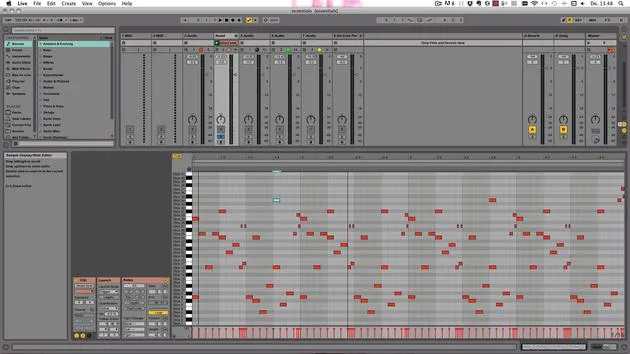
In this video, I want to show you how to use the Harmony to MIDI function creatively. We'll create a pad sound.
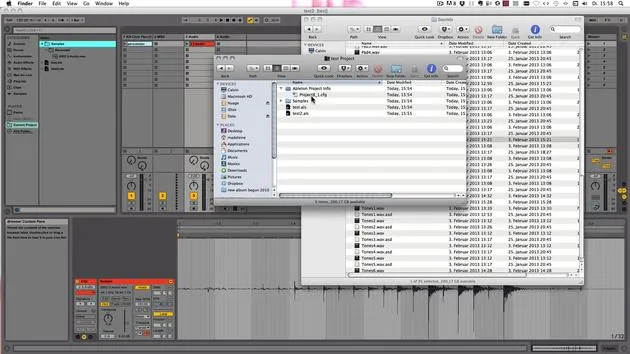
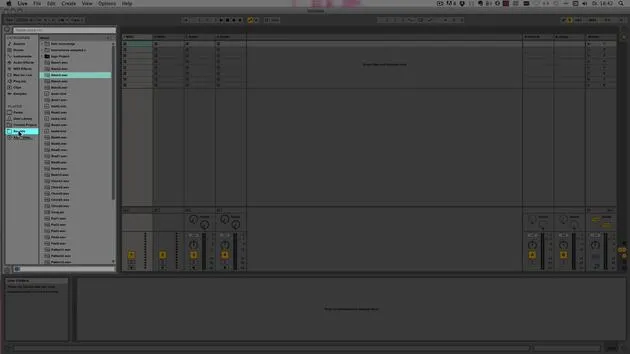
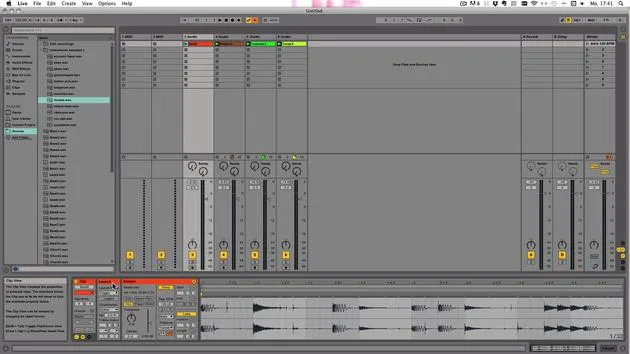
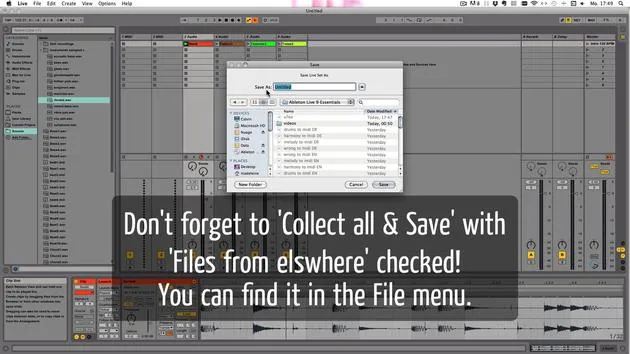
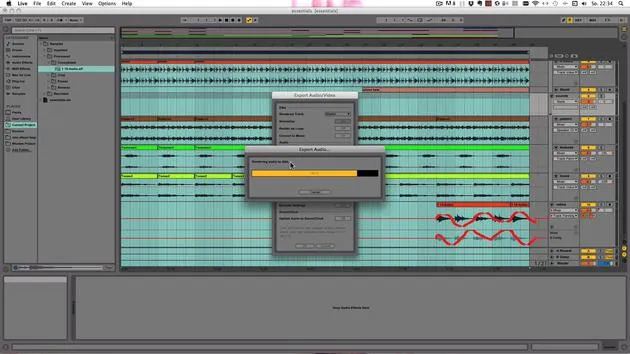
Step 1: Choose Your Audio File
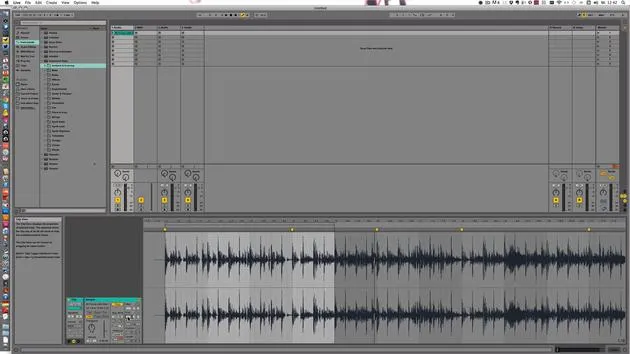
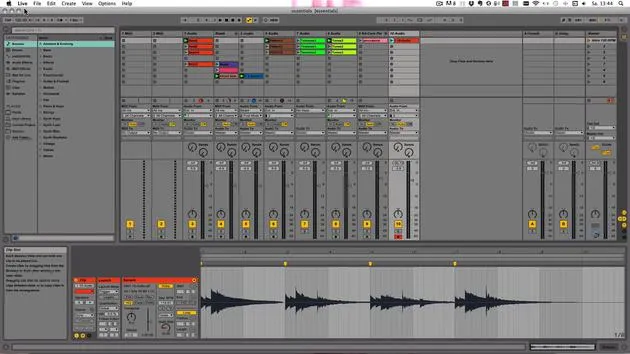
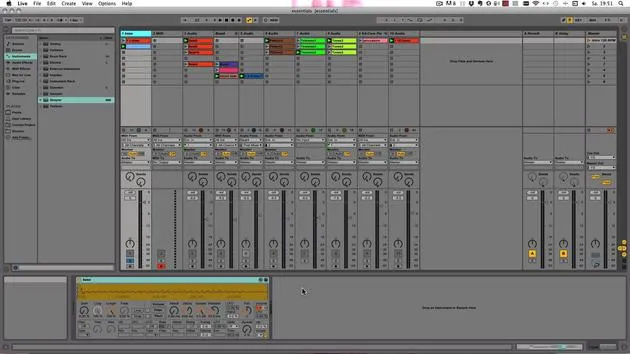
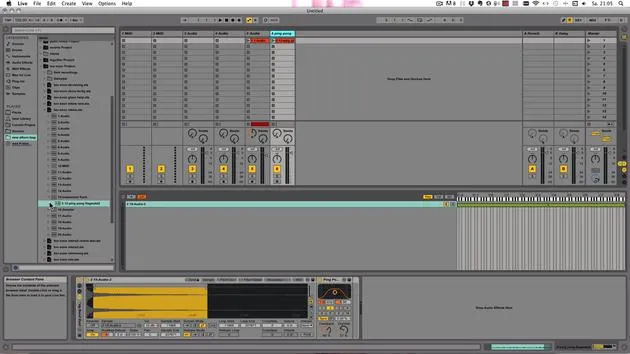
- I've already chosen an audio file to save time.
- This is me playing the ukulele.
- Starting Point: I'm moving the start point to bar five, as that's where it begins.
- Duration: Four bars should be enough.
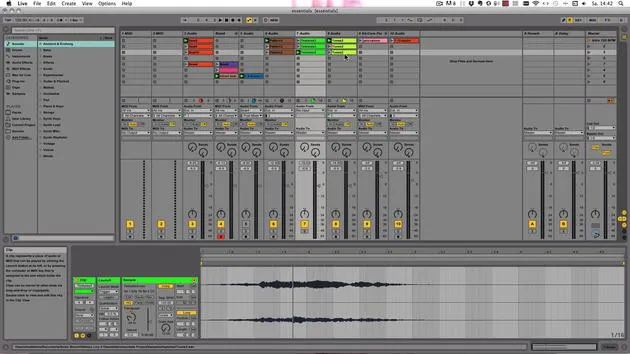
Step 2: Quick Playback
Let's quickly hear it.
- Change in Sound: A bit better and more complex.
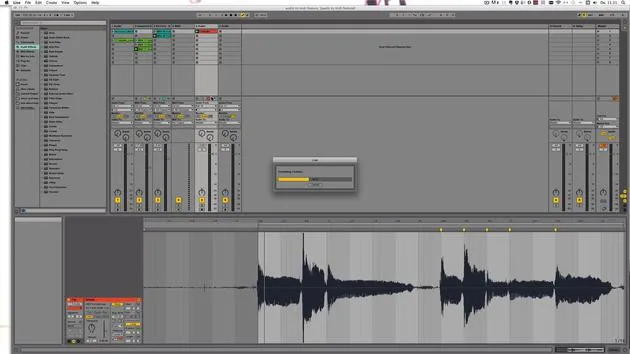
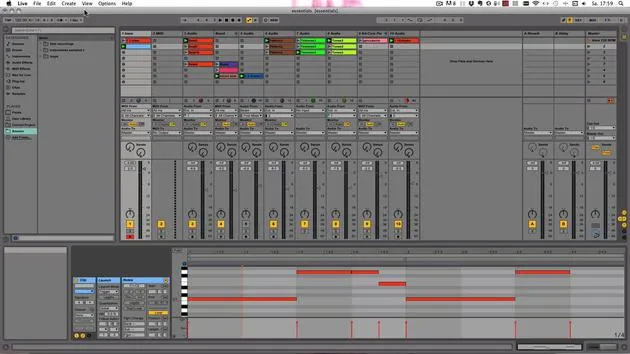
Step 3: Convert Harmony to MIDI Track
To ensure the Harmony to MIDI function works well:
- Use only chords, no beats or vocals.
- If you can play an instrument, even if just a little, you can record that, perhaps warp it beforehand, and then quantize it.
Step 4: Default Sound and First Adjustments
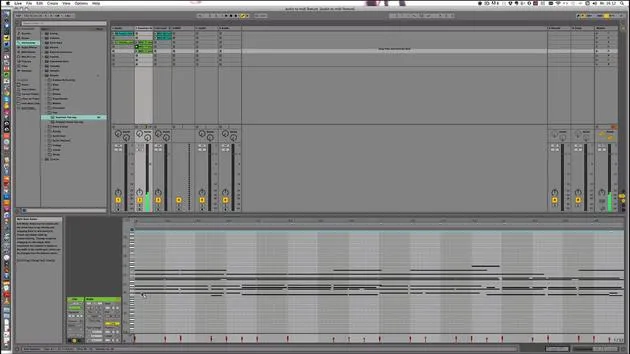
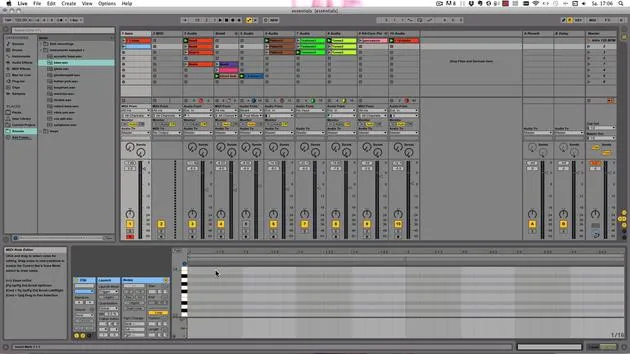
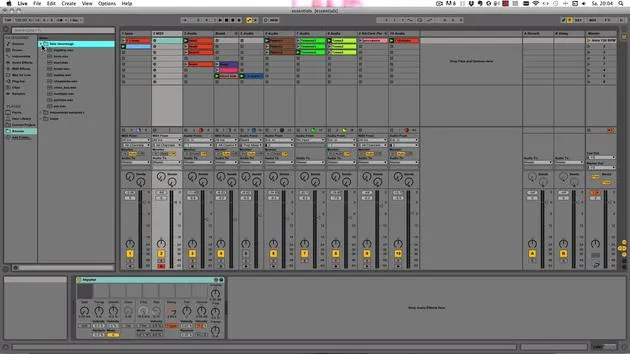
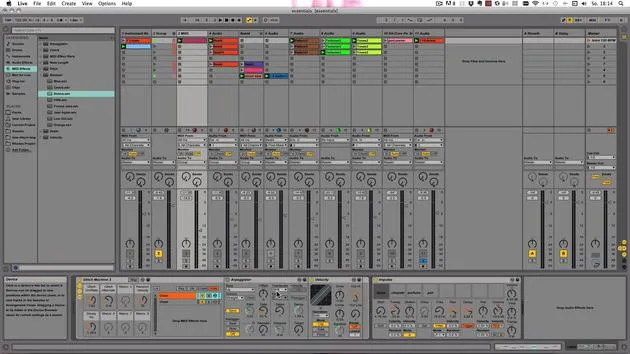
By default, a grand piano sound is loaded, which you can change.
- Let's listen to the default sound:
- Turn Off Other Sounds: Not really too exciting yet.
Step 5: Quantizing
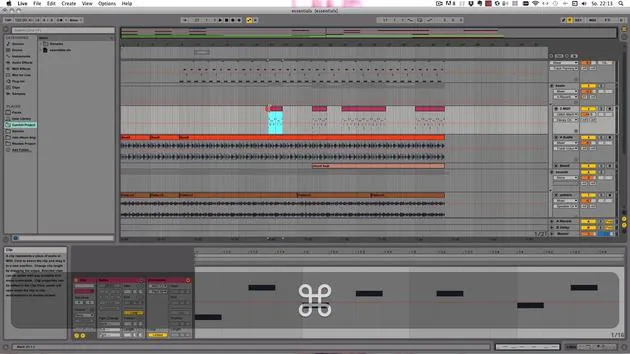
The first thing I'm going to do is quantize it.
Choosing a New Instrument
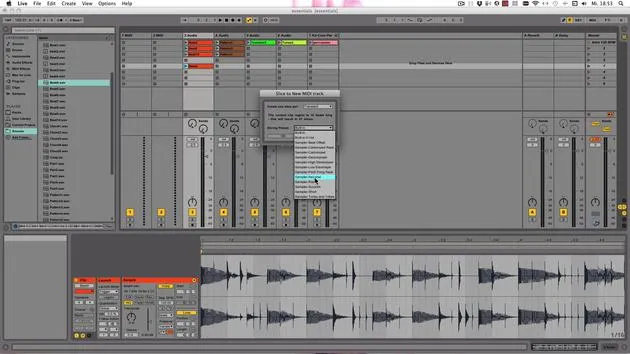
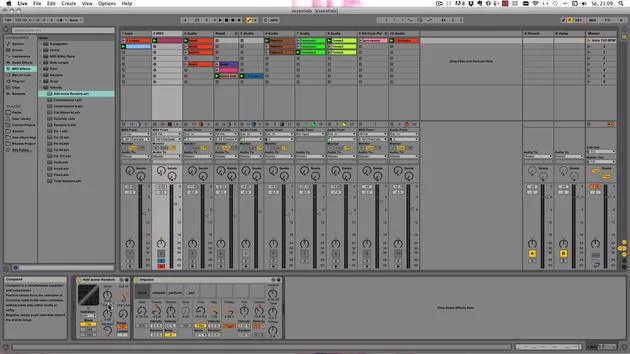
Now we need to choose a different sound since grand piano doesn't fit well here.
- Suggested Sound:
- Simpler pads work well for this.
- Let's take the first pad sound.
Step 6: Playback Adjustments
Let's play it:
- Volume Adjustment: It's quite loud, so let's turn it down by 6 dB.
- Feedback: Sounds pretty good like that!
Step 7: Create Variations
To illustrate quick variations:
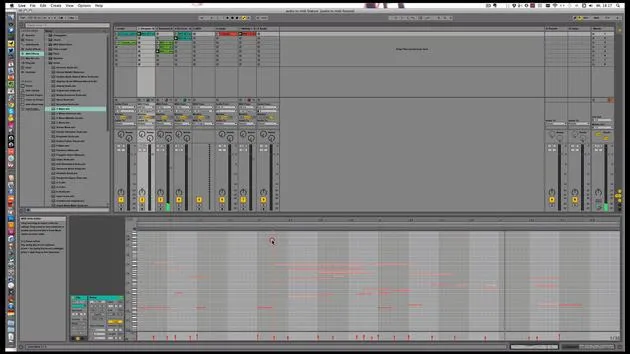
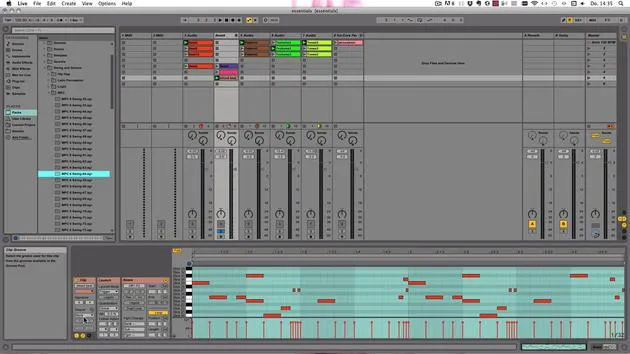
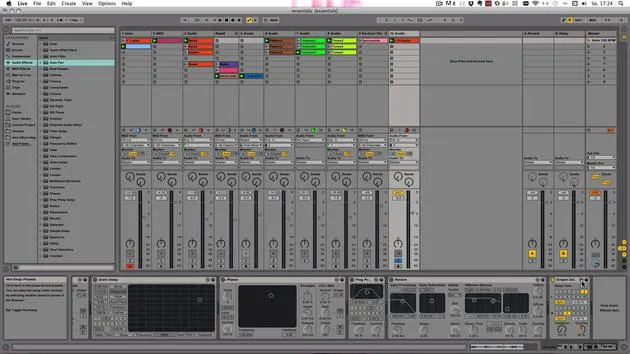
- Duplicate the Track: Make it an octave higher.
- Further Duplication: Let's duplicate the track again.
Step 8: Finalizing the Pad Sound
Now you already have a nice pad sound. You can thin it out if you like.
- Example of thinning it out: Remove some sounds to achieve the desired effect.
Coming Up Next
In the next tutorial, I'll show you how to use Melody to MIDI to get a starting point for a bass track.
Closing
See you next time! Bye!
36 lessons
5h 28m of structured video lessons
Advanced video features
Slow down, loop a passage, follow along
Mobile, tablet & desktop
Practise wherever you are
100% satisfaction guarantee
30-day money-back guarantee
Meet your guru
Meet your guru
Madeleine Bloom is a classically trained musician, producer, multi-instrumentalist and singer from Berlin, and founder of the label Quixotica Records. She studied electroacoustic music at the Franz Liszt Conservatory under Prof. Robin Minard, and brings those methods to her own blend of electronica pop. Her music has earned praise from producers Guy Sigsworth and Rupert Hine, and a personal invitation from Imogen Heap, whose tour she opened.
A former Ableton technical support agent, she founded the online platform Sonic Bloom in 2012, where she teaches Ableton Live and music production through courses, workshops and one-to-one classes. She has helped people around the world with Ableton Live, Push and Max for Live, as well as audio engineering, music theory, composition and sound design.







