



Evolution of New Orleans Piano
With
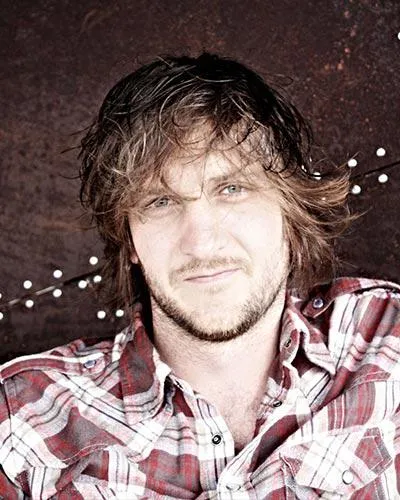
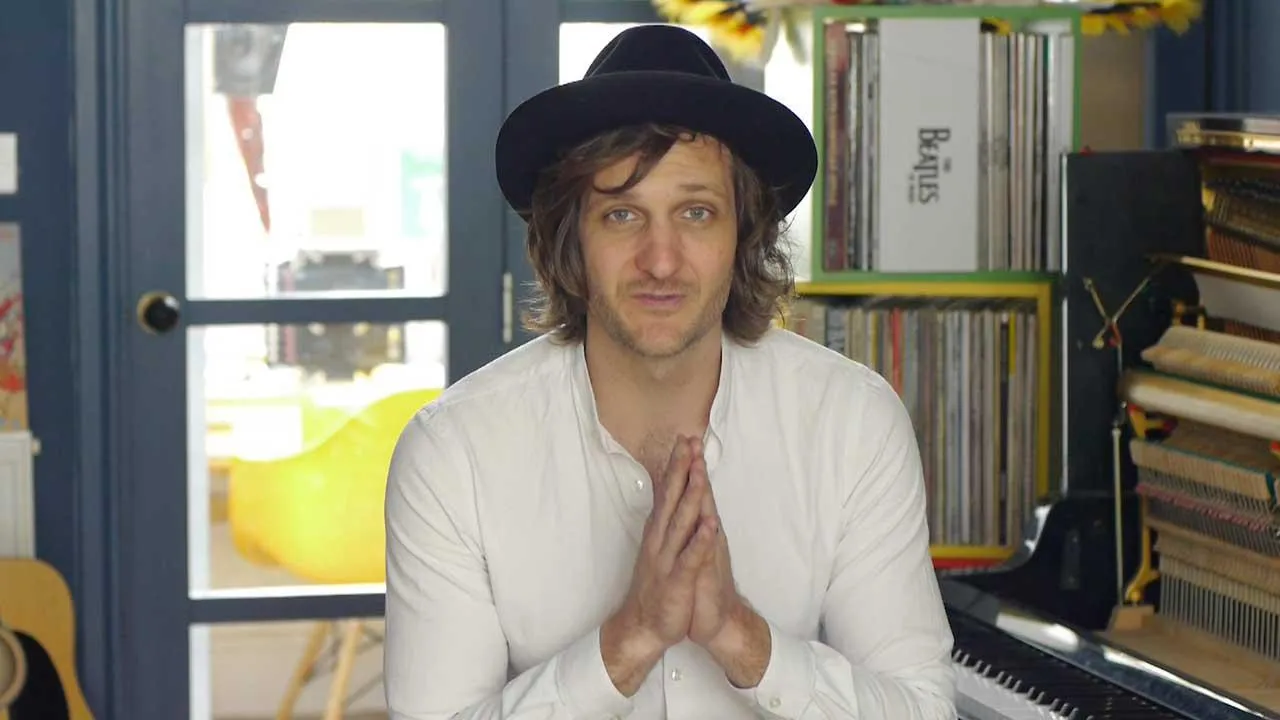
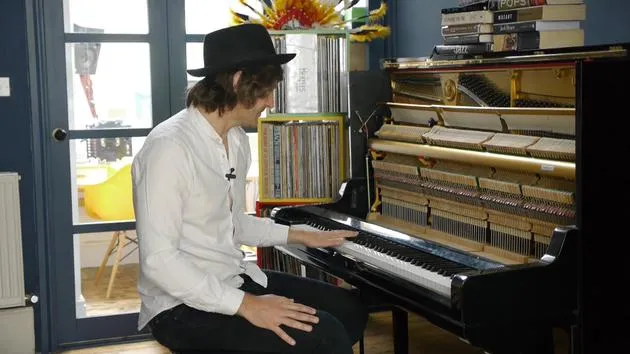
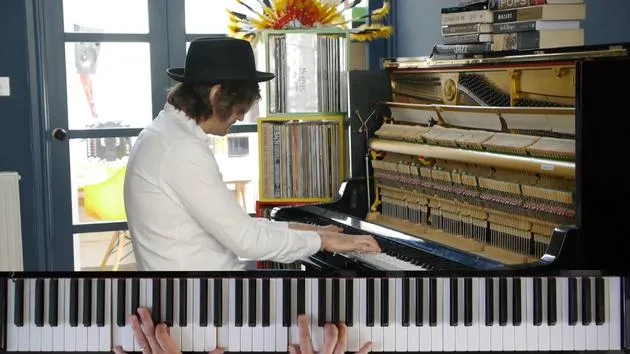
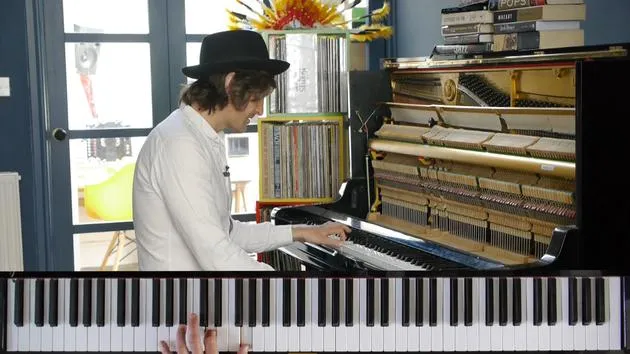
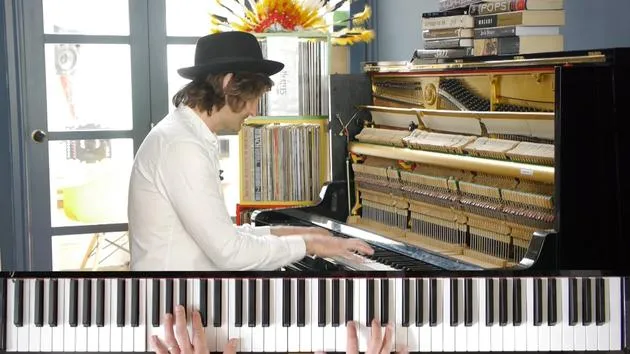
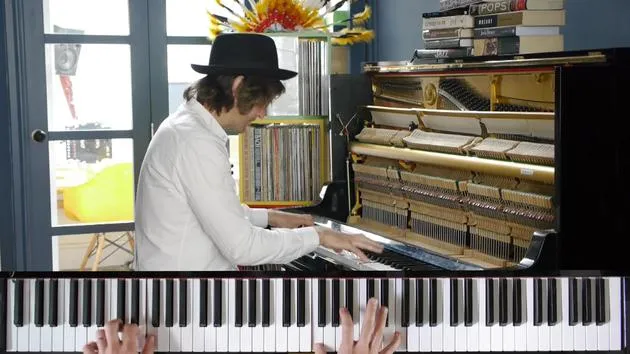
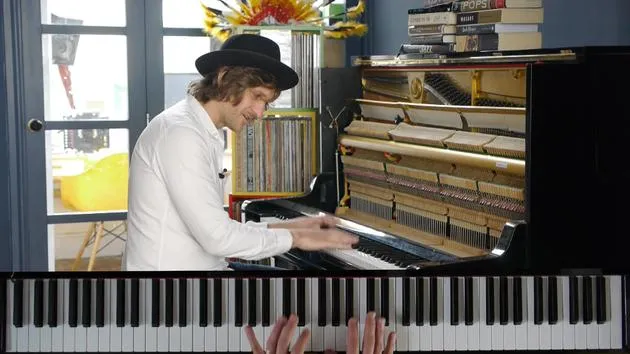
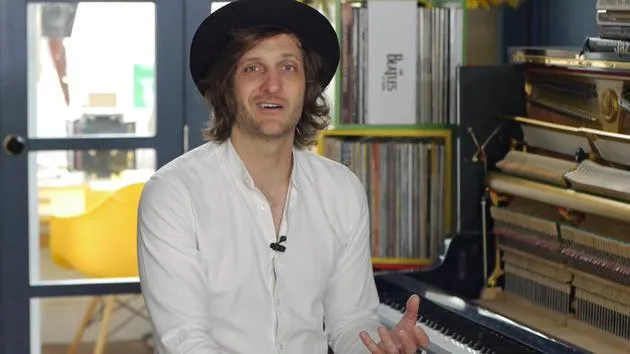
Paddy MilnerPaddy gives an overview of how the 'founding fathers' of New Orleans piano, musicians like Jelly Roll Morton and Professor Longhair, developed the style by absorbing the latin influences into the american blues and rag time tradition.
What's in the course
40 lessons (2h 57m) · 1 free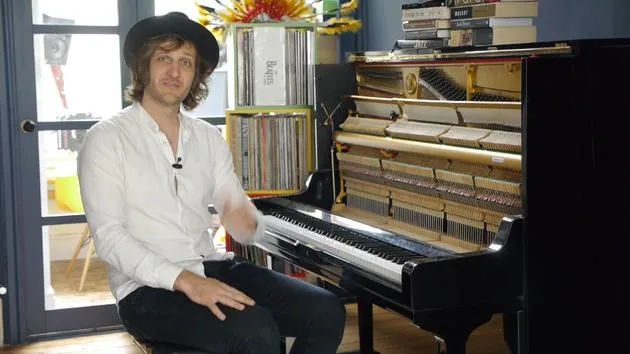
01. Overview
1:08
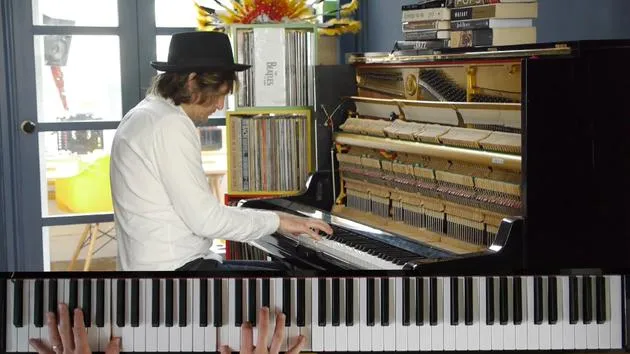
02. Performance
3:02
03. Form and Introduction - Professor Longhair Octaves
4:45
04. Form & Feel
5:22
05. Right hand
2:30
06. Turnaround Ideas
2:59
07. Solo Section Ideas
4:16
08. Nailing the groove
4:00
09. Making it funkier
Free lesson7:56
10. Towards a latin feel
1:42
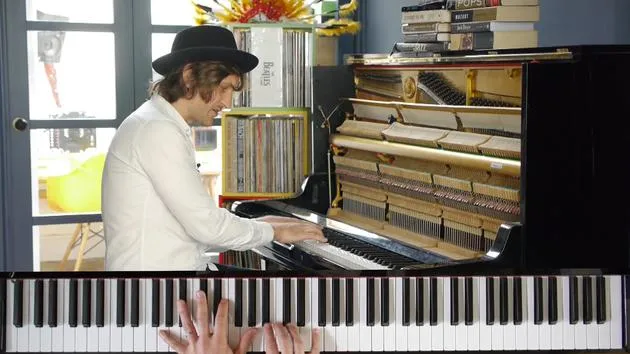
11. Straight against swung & Harmonic Variations
5:46
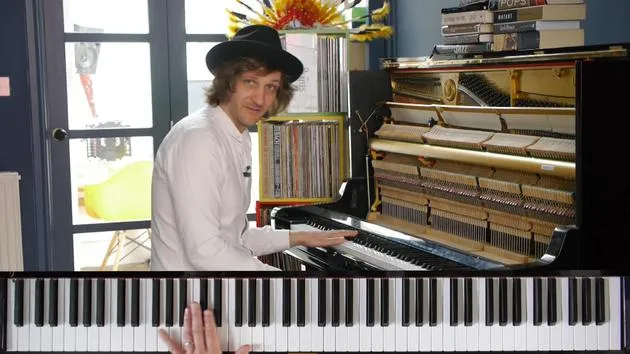
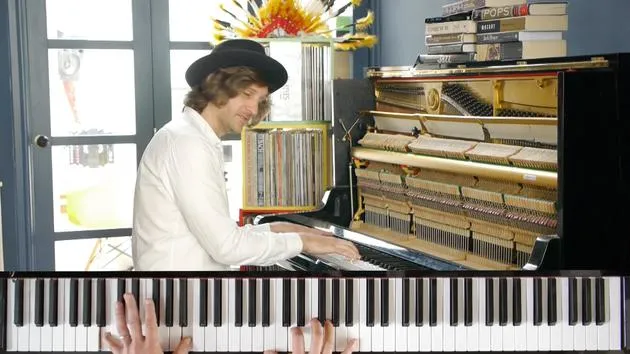
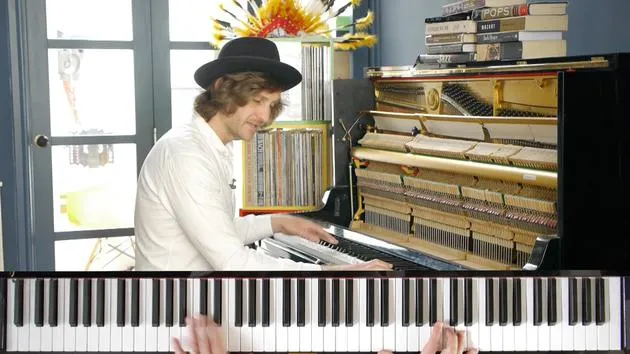
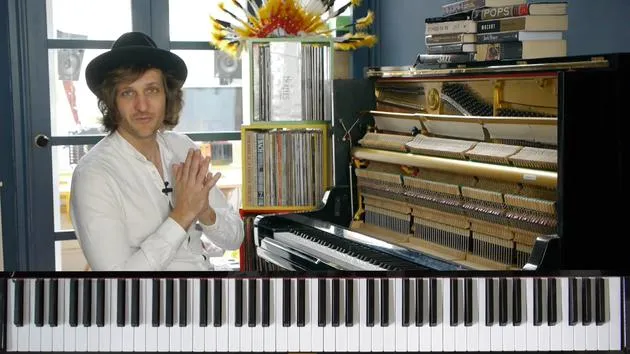
Lesson transcript
Exploring New Orleans Piano: The Influence of Jelly Roll Morton
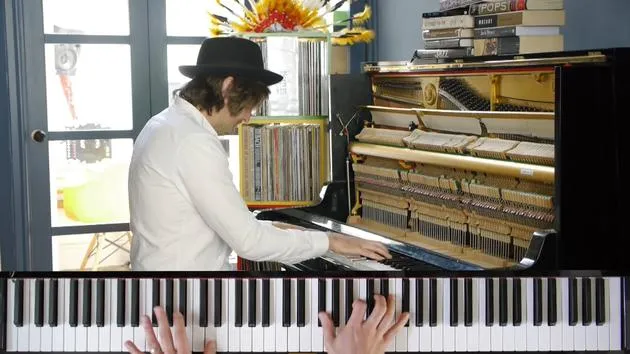
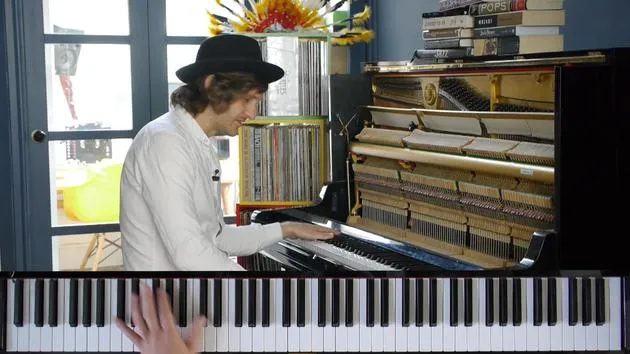
So if you look at Jelly Roll Morton, who was one of the first musicians to really develop the New Orleans style of piano playing, we can hear these kind of anticipations of the bar happening all the time. This is definitely an influence of Afro-Hispanic music.
Anticipations in Jelly Roll Morton's Music
We get something like this, which he does at the end of "King Port Ostomp."
- In the left hand, he's really anticipating these beats:
- Not necessarily just the bar line, but other beats too.
So, let's slow it down a bit. This kind of anticipation is very much a step on from the ragtime of Scott Joplin, who was definitely paving the way in this direction. Joplin was ragging those melodies by adding syncopations, something they were doing in New Orleans as well.
-
Whereas Scott Joplin might do something like this (kind of straight), it feels like a left-right sequence:
"left, right, left, right, um, cha umcha." -
Jelly Roll would do something different in the left hand. For example:
"etc."
He's adding these anticipations which keep the music edgy and moving forward, which I find incredibly exciting.
Professor Longhair's Influence
We can see similar elements in the works of Professor Longhair. For example, in "Tipitina," he's really got this accented, pushing feel in the left hand:
1, 2, 3, 4.
- It has a strong sense of anticipation into the one, which is something that runs through much of the New Orleans musical output.
A lot of Professor Longhair's stuff is based on the rumba rhythm:
1, 2 (which has that very strong 2 and T).
You might get something like this, which is very strongly rooted in that kind of Caribbean spirit.
Similarities with Cuban Music
There are many things you can do with this rhythm that Professor Longhair uses.
- Looking at New Orleans piano, we identify all these similarities with Cuban music:
- Rhythmically
- Voicings
There's a common usage of voicings based on octaves and fifths in both musical traditions.
Dr. John's Gumbo
Another example of similarities between Cuban music and New Orleans piano can be found in Dr. John's Gumbo album.
- Listen to his version of "Junko Partner."
- There's a little break, a sax break after the first few verses, and behind it, Dr. John is playing these octave patterns that would sound perfectly at home on a Cuban record:
- These kinds of sounds and rhythms.
Conclusion
So, we see these similarities popping up all over the world of New Orleans piano.
Having briefly looked at this melting pot of New Orleans, particularly the marriage of African, European, and Hispanic culture, I think we can move on and look at some tunes to get you playing New Orleans piano!
40 lessons
2h 57m of structured video lessons
Advanced video features
Slow down, loop a passage, follow along
Mobile, tablet & desktop
Practise wherever you are
100% satisfaction guarantee
30-day money-back guarantee
Meet your guru
Meet your guru
Paddy Milner is recognised as one of the leading blues piano players in the world - he is currently keyboard player of choice for Sir Tom Jones, following several years with the late, great Jack Bruce - but he is also a superb original songwriter and a distinctive singer. Just read the praise from the likes of Dave Brubeck below! His playing was featured on the soundtrack for the hit 2019 film 'Rocketman'.
He has twice won the award for Best Keyboard Player in the British Blues Awards, and he holds a long-standing residency as a founder member of the Ronnie Scott's Blues Explosion at the world-renowned Ronnie Scott's club.
His current group LONDONOLA plays homegrown British music with a strong dose of New Orleans spirit, and his collaborative group JAWBONE goes from strength to strength following the release of their self-titled debut album.
- "I love it... there's a guy who can really play the piano" - Dave Brubeck
- "I highly recommend it. Somehow things start to feel much better!" - Jack Bruce
- "The best blues piano player in Europe..." - Blues Access, USA
- "Impressive & original" - The Times
- "Dazzling" - The Independent
Across his courses, Paddy breaks down authentic blues shuffle, slow blues, boogie-woogie, rock 'n' roll and New Orleans piano - right down to three classic boogie-woogie songs - so you can learn these styles from one of the very best in the business.







