



Dominant seventh rolled chords
With
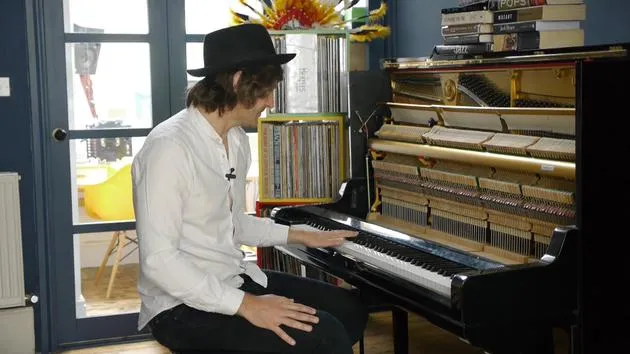
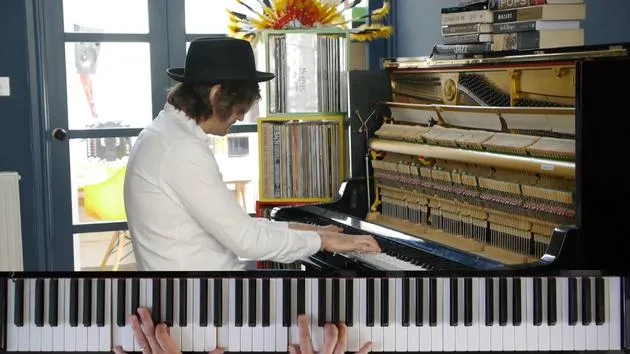
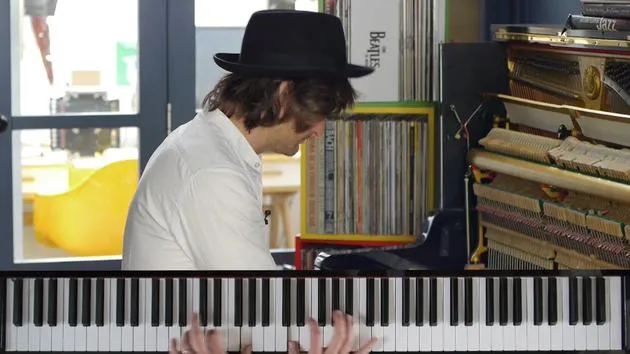
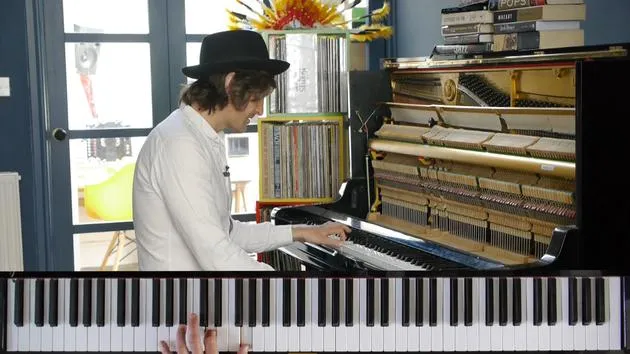
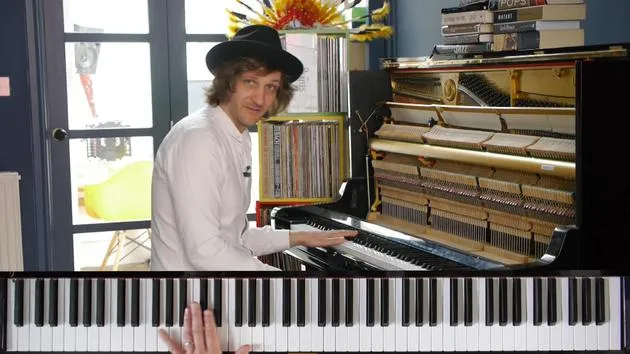
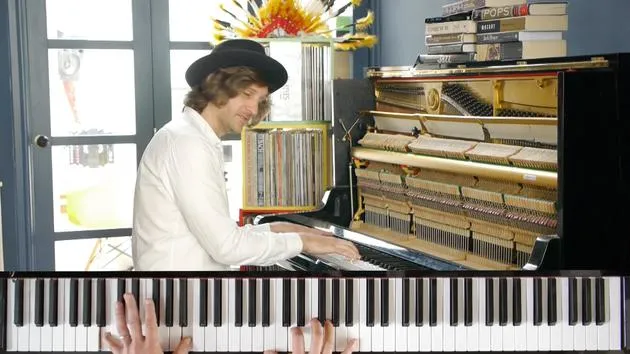
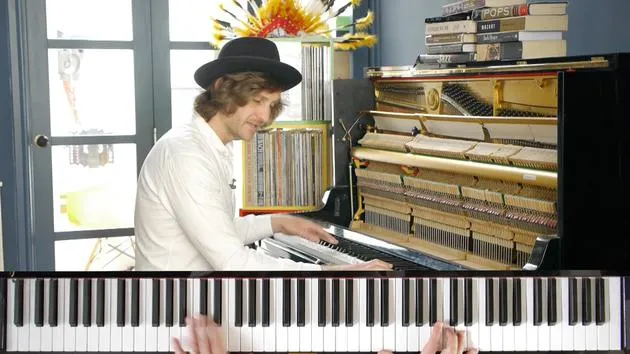
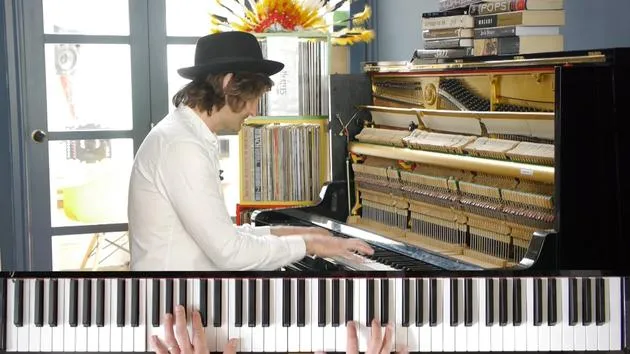
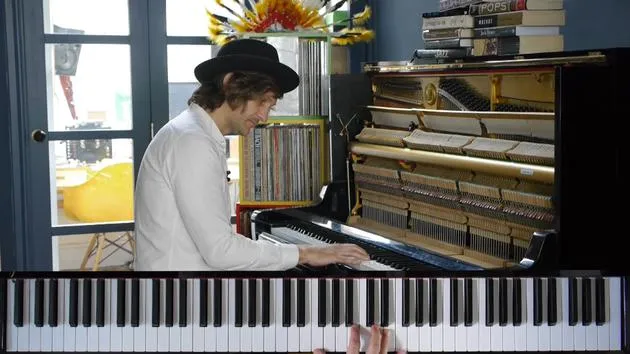
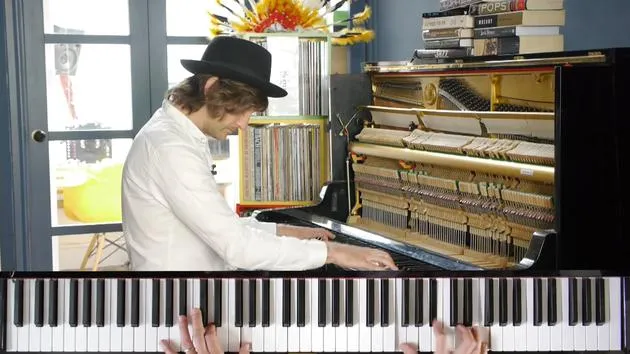
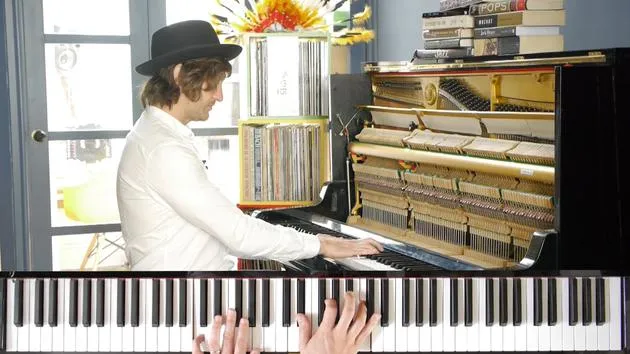
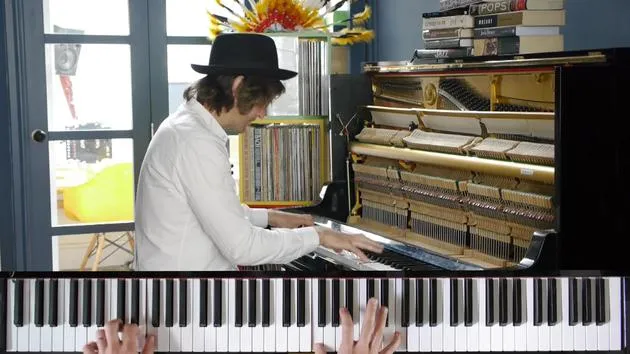
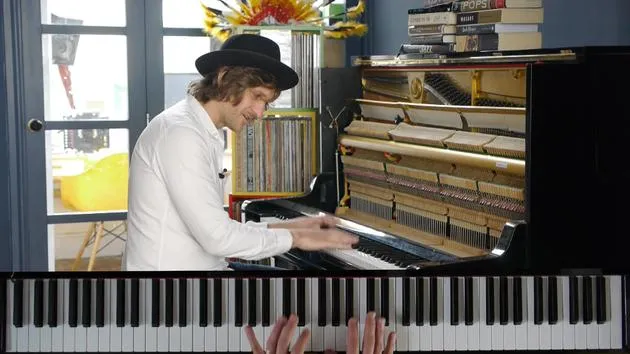
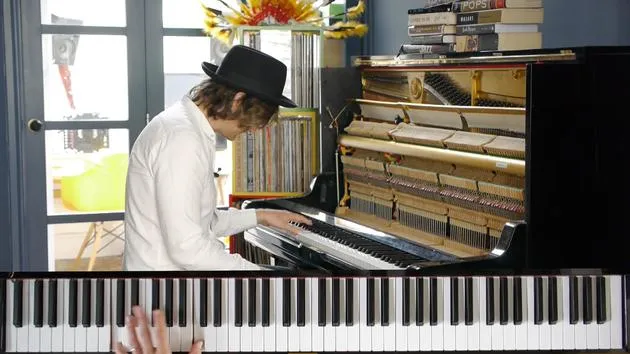
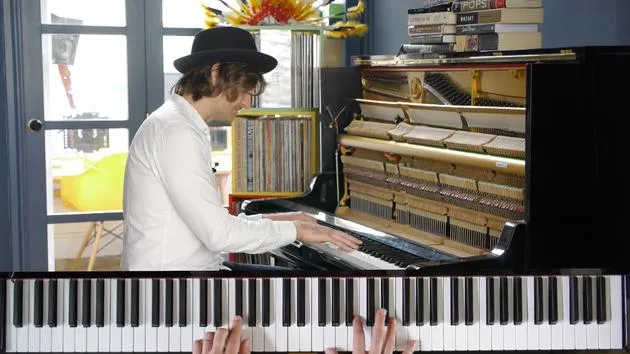
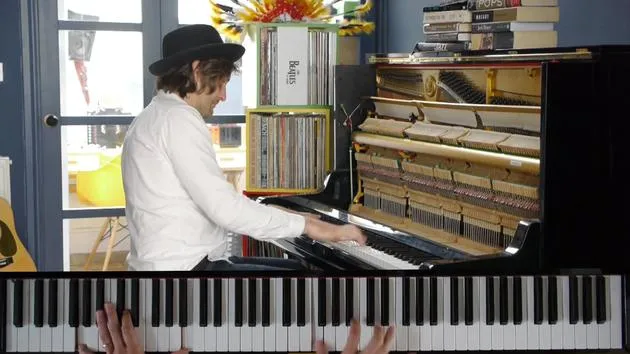
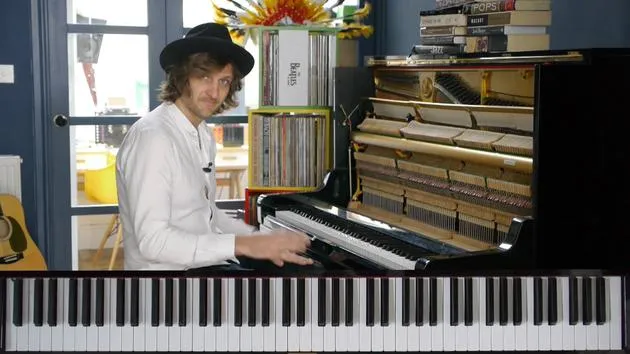
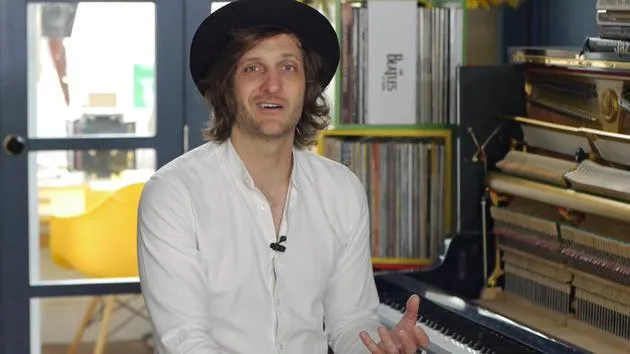
Paddy MilnerPaddy looks at an idea Booker uses across his body of work, which involves outlining the G7 with a rolled motif. It's used in Come Rain or Shine and Papa was a Rascal
What's in the course
40 lessons (2h 57m) · 1 free
01. Overview
1:08
02. Performance
3:02
03. Form and Introduction - Professor Longhair Octaves
4:45
04. Form & Feel
5:22
05. Right hand
2:30
06. Turnaround Ideas
2:59
07. Solo Section Ideas
4:16
08. Nailing the groove
4:00
09. Making it funkier
Free lesson7:56
10. Towards a latin feel
1:42
11. Straight against swung & Harmonic Variations
5:46
Lesson transcript
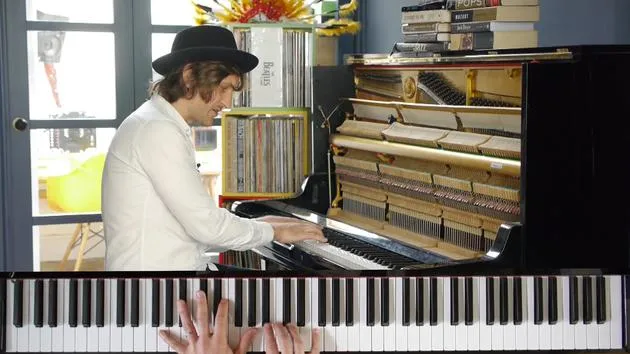
James Booker's Dominant Seventh Idea
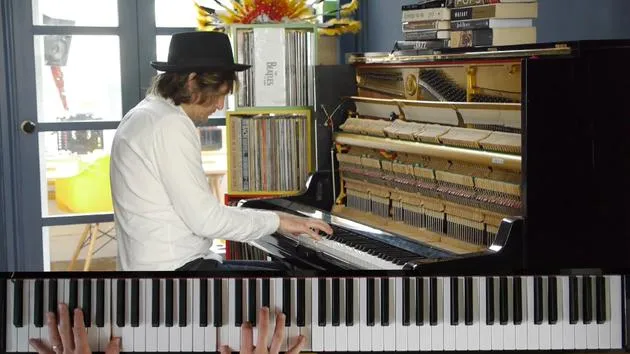
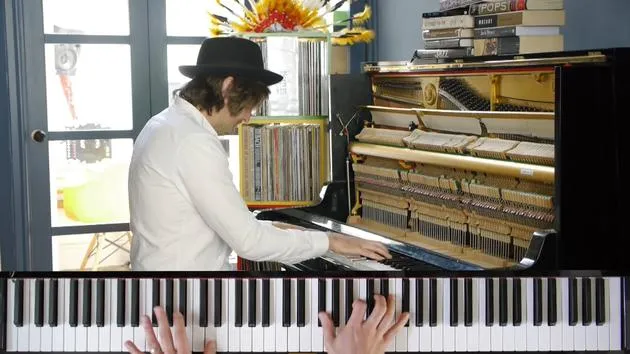
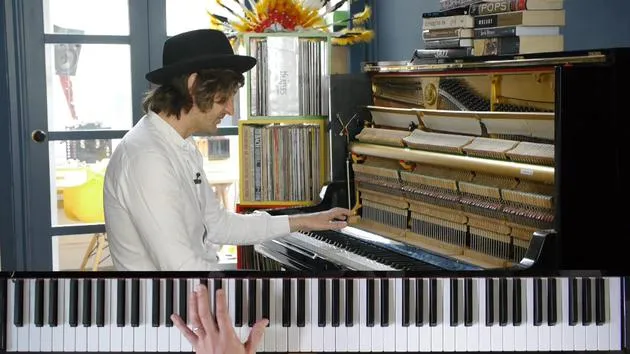
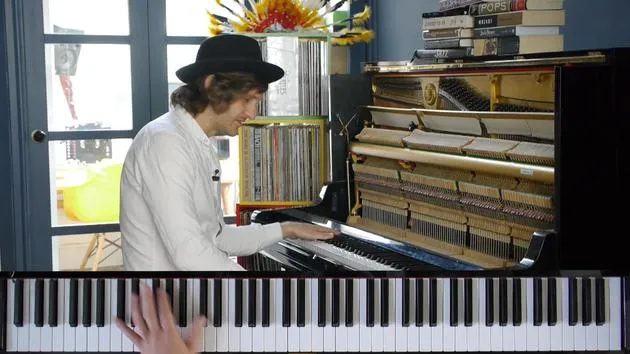
So let's look at a great little James Booker idea that he uses a lot throughout everything he does. It simply outlines a dominant seventh chord.
Breaking It Down
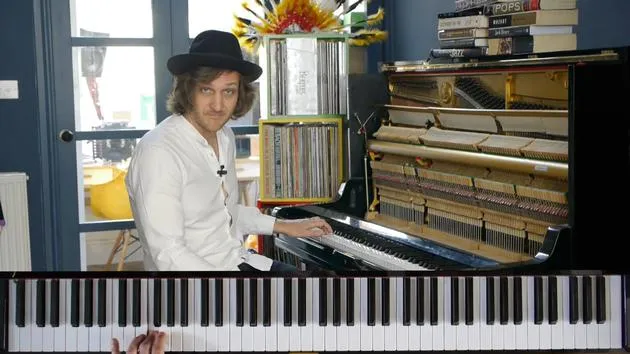
We're on the chord of G7 here, but he goes via the major seventh. If you play that kind of faster, often what he does is go down and then back up again.
- That kind of thing, or perhaps just...
He uses that in all kinds of different contexts on different feels and different keys.
Example: "Come Rain or Come Shine"
First of all, let's look at it in his beautiful version of "Come Rain or Come Shine," which gives me goosebumps every time I hear it.
Let's look at it from sort of halfway through the A section. We're going from the G7 to the C minor. I'll play you a few chords, a few bars, and demonstrate the way he might use it.
So here we go, etc.
- He uses it a lot in those few bars.
- For example, on the G.
- Again, there we go on the D7.
- And then on the B.
That's another great lick that we'll look at as well, into the E minor with a little carry on the run down the blues scale in E minor. So there's a nice little example of using that riff in "Come Rain or Come Shine."
Other Contexts
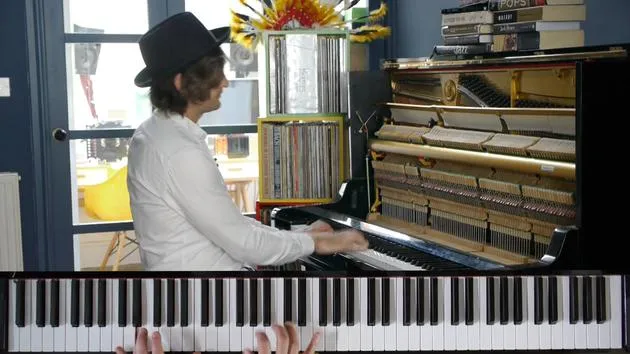
You could also use it in, for example, a faster tune. Like he uses it in "Papa Was a Rascal" a lot. If we got the rough feel like this in that kind of context...
I know that perhaps wasn't exactly James Booker's feel, but just kind of demonstrating the use of that riff in the right hand.
- Using it a lot on that.
- That kind of thing, which is the kind of St. Louis blues quote that he does on that tune.
So even use it on there. Maybe continue on into a blues scale kind of thing. You could use it in "Junco Partner," perhaps on the five.
Practicing the Riff
So, you could just simply repeat it and go into another one of his riffs. Let's really break this riff down and look at how we can practice it.
- We have looked at it; it's essentially outlining that dominant seventh going via the major sevenths.
- Notice I'm sliding off. At a slow tempo, it doesn't sound like I'm sliding, but at a fast tempo, you'll be sliding off that F sharp to the F.
Two Sections
So perhaps break it into two sections:
- Practice that as kind of one movement.
- Don't think of it as individual notes. It's kind of one movement.
Then there's the second half, essentially that. If you're just going down, it's with those notes added at the end.
Gradual Tempo Increase
Really practice that at a slow tempo, gradually increase the tempo until you've got it under your fingers.
Remember, it's definitely a riff that you don't have to use strictly in time.
- It doesn't have to be played on the beat; it can just be played in free time over the groove you're on.
- It doesn't have to be dividing the beats or the bar up like that.
You can play it totally free time at whatever speed you want to do it at. You could do it slowly or you could do it fast.
Conclusion
Have fun with that book of lick. It's a good one!
40 lessons
2h 57m of structured video lessons
Advanced video features
Slow down, loop a passage, follow along
Mobile, tablet & desktop
Practise wherever you are
100% satisfaction guarantee
30-day money-back guarantee
Meet your guru
Meet your guru
Paddy Milner is recognised as one of the leading blues piano players in the world - he is currently keyboard player of choice for Sir Tom Jones, following several years with the late, great Jack Bruce - but he is also a superb original songwriter and a distinctive singer. Just read the praise from the likes of Dave Brubeck below! His playing was featured on the soundtrack for the hit 2019 film 'Rocketman'.
He has twice won the award for Best Keyboard Player in the British Blues Awards, and he holds a long-standing residency as a founder member of the Ronnie Scott's Blues Explosion at the world-renowned Ronnie Scott's club.
His current group LONDONOLA plays homegrown British music with a strong dose of New Orleans spirit, and his collaborative group JAWBONE goes from strength to strength following the release of their self-titled debut album.
- "I love it... there's a guy who can really play the piano" - Dave Brubeck
- "I highly recommend it. Somehow things start to feel much better!" - Jack Bruce
- "The best blues piano player in Europe..." - Blues Access, USA
- "Impressive & original" - The Times
- "Dazzling" - The Independent
Across his courses, Paddy breaks down authentic blues shuffle, slow blues, boogie-woogie, rock 'n' roll and New Orleans piano - right down to three classic boogie-woogie songs - so you can learn these styles from one of the very best in the business.







