



History of New Orleans
With
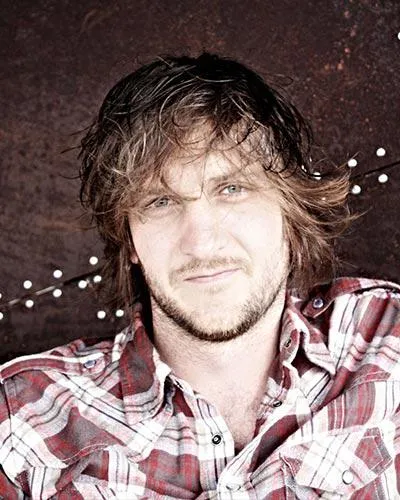
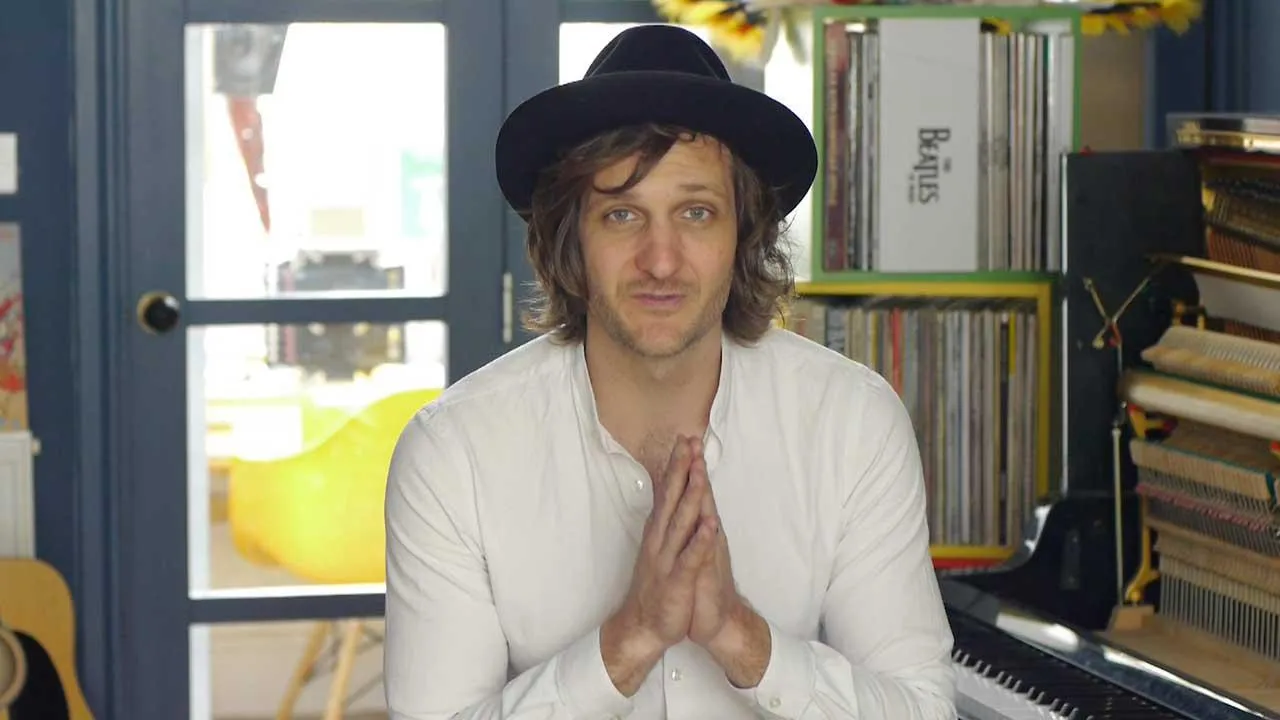
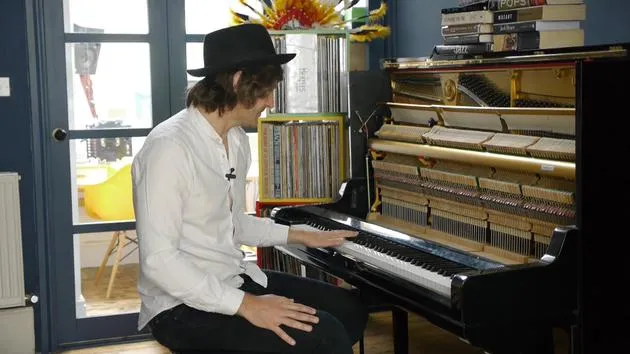
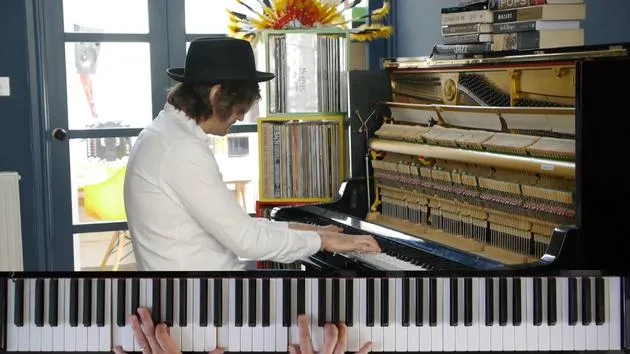
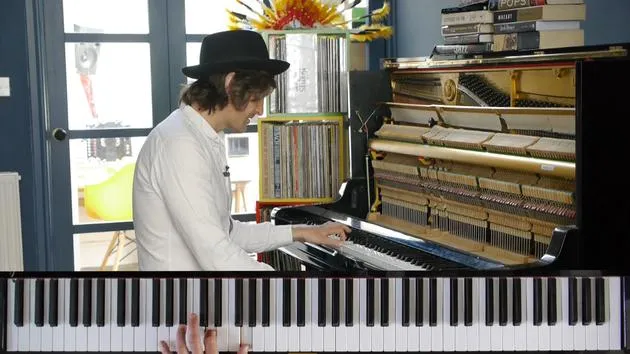
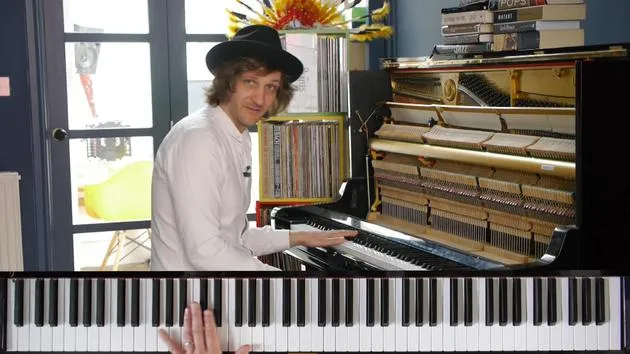
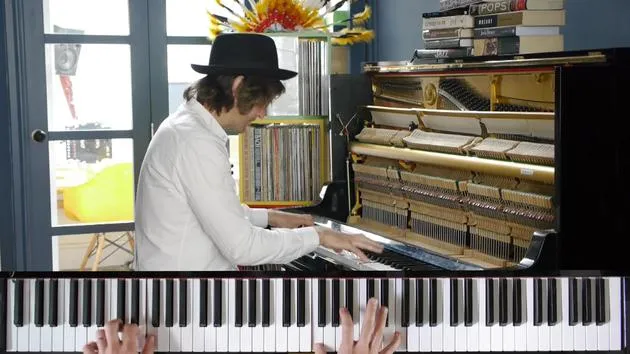
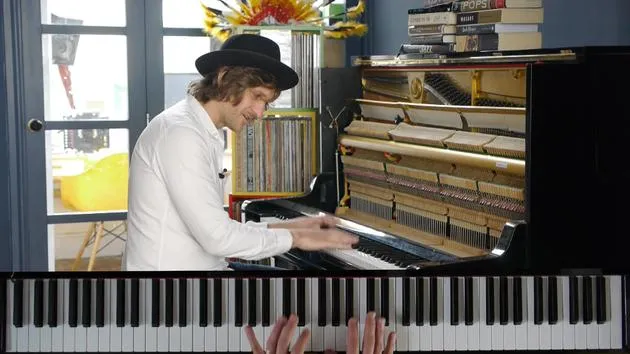
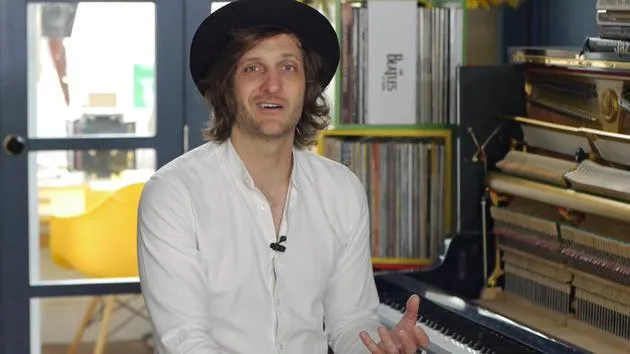
Paddy MilnerPaddy talks about the history of New Orleans, including how its melting pot of african, carribean, hispanic, european, and native american cultures feeds into the music of the city.
What's in the course
40 lessons (2h 57m) · 1 free
01. Overview
1:08
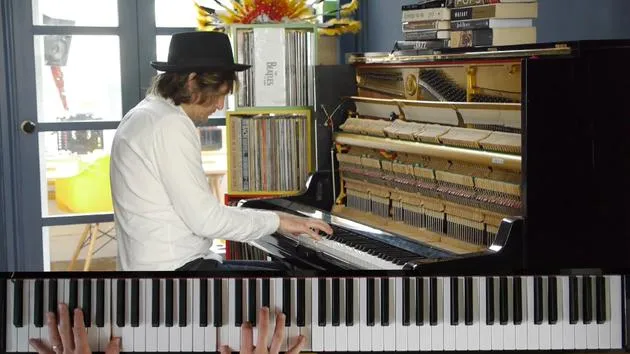
02. Performance
3:02
03. Form and Introduction - Professor Longhair Octaves
4:45
04. Form & Feel
5:22
05. Right hand
2:30
06. Turnaround Ideas
2:59
07. Solo Section Ideas
4:16
08. Nailing the groove
4:00
09. Making it funkier
Free lesson7:56
10. Towards a latin feel
1:42
11. Straight against swung & Harmonic Variations
5:46
Lesson transcript
New Orleans: A Melting Pot of Cultures
Introduction
New Orleans, what an exciting place! Known as Crescent City, NOLA is a city rich in heritage and an interesting past. It boasts a total mix of people and cultures, all of which have informed and developed the music that has emerged from this beautiful city.
Heritage and Influences
Before we delve into particular styles and notable musicians like Dr. John, James Booker, Professor Longhair, and Jelly Roll Morton, it's important to reflect on the influences that shaped these artists.
I won't provide an in-depth history lesson, there are many who know far more about that. However, I believe understanding some of this history is crucial.
New Orleans represents a rich tapestry of cultures:
- British Influence: The city was under British rule.
- Spanish Rule: The Spanish brought different cultural dynamics to the area.
- French Heritage: A significant Francophone presence has also shaped the city.
- African Culture: The horrific slave trade brought a massive influx of African culture.
- Native American Influence: Indigenous cultures have also played a role.
This mix created a unique environment. European instruments, such as trumpets, brass instruments, pianos, and guitars, intersected with African percussion, which is a direct antecedent to the brass bands you see marching down the streets. Horns and percussion are foundational to New Orleans music.
The Hispanic Period
There is a particular period significant to the development of New Orleans music, the Hispanic period during the 18th century. The Spanish had a slightly different approach to managing their colony. Slaves were given relatively more freedom compared to the restrictions under British rule. For example, they were permitted to:
- Practice their own culture
- Meet and congregate
- Perform music together
This cultural exchange continued throughout New Orleans' history, although freedoms were later taken away from slaves after the Spanish left.
For several decades in the 18th century, there was significant trade between Havana, Cuba, and New Orleans. This was particularly true when the Spanish were expanding their territory and fighting against the British colonies in America. Many slaves were conscripted to fight for the Spanish, leading to a big influx of enslaved people from Cuba into New Orleans.
With them came a rich cultural heritage, not only African music but also Afro-Cuban and Afro-Caribbean styles. Given all these influences from the Caribbean, it's easy to see why New Orleans is called the northernmost Caribbean town.
40 lessons
2h 57m of structured video lessons
Advanced video features
Slow down, loop a passage, follow along
Mobile, tablet & desktop
Practise wherever you are
100% satisfaction guarantee
30-day money-back guarantee
Meet your guru
Meet your guru
Paddy Milner is recognised as one of the leading blues piano players in the world - he is currently keyboard player of choice for Sir Tom Jones, following several years with the late, great Jack Bruce - but he is also a superb original songwriter and a distinctive singer. Just read the praise from the likes of Dave Brubeck below! His playing was featured on the soundtrack for the hit 2019 film 'Rocketman'.
He has twice won the award for Best Keyboard Player in the British Blues Awards, and he holds a long-standing residency as a founder member of the Ronnie Scott's Blues Explosion at the world-renowned Ronnie Scott's club.
His current group LONDONOLA plays homegrown British music with a strong dose of New Orleans spirit, and his collaborative group JAWBONE goes from strength to strength following the release of their self-titled debut album.
- "I love it... there's a guy who can really play the piano" - Dave Brubeck
- "I highly recommend it. Somehow things start to feel much better!" - Jack Bruce
- "The best blues piano player in Europe..." - Blues Access, USA
- "Impressive & original" - The Times
- "Dazzling" - The Independent
Across his courses, Paddy breaks down authentic blues shuffle, slow blues, boogie-woogie, rock 'n' roll and New Orleans piano - right down to three classic boogie-woogie songs - so you can learn these styles from one of the very best in the business.







