



Left hand
With
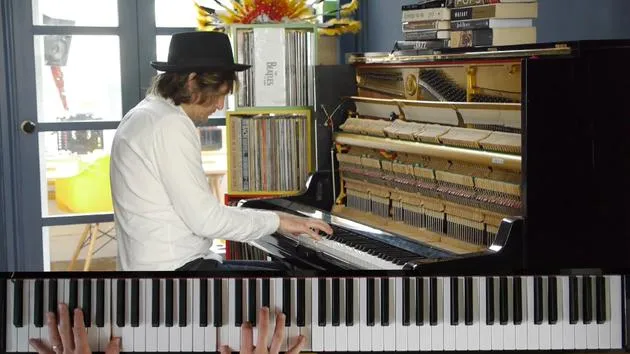
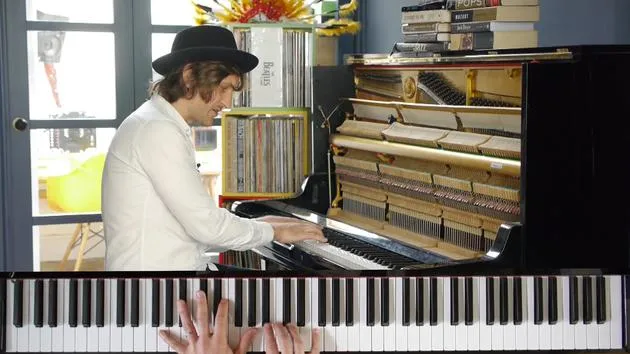
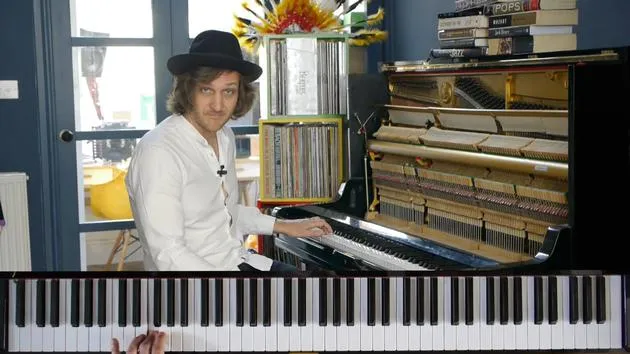
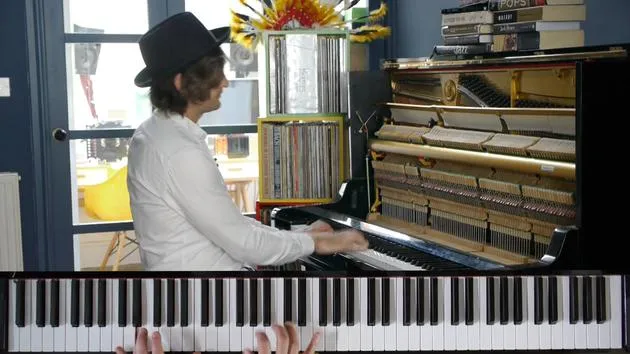
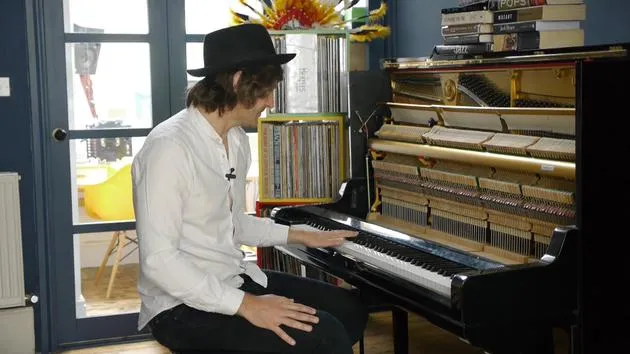
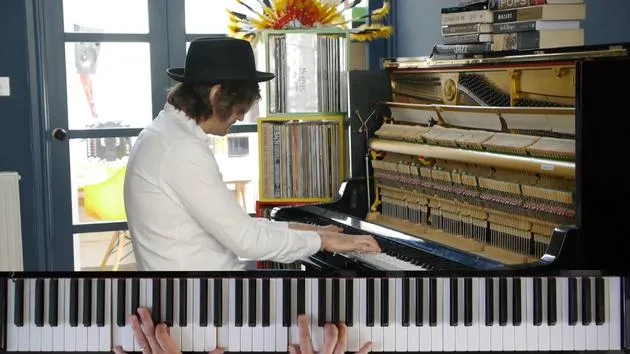
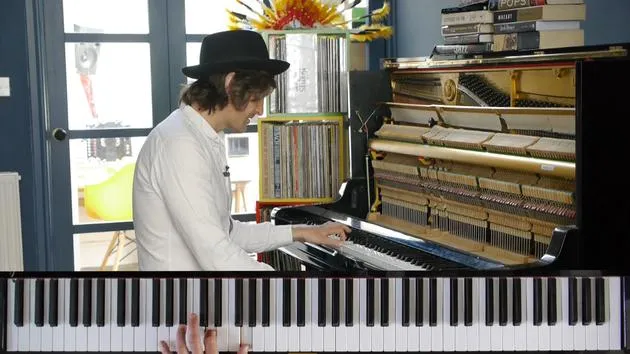
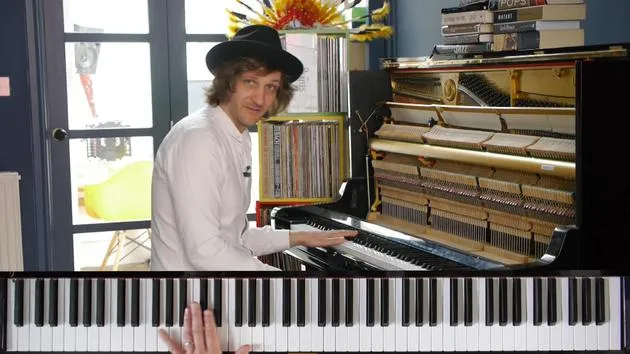
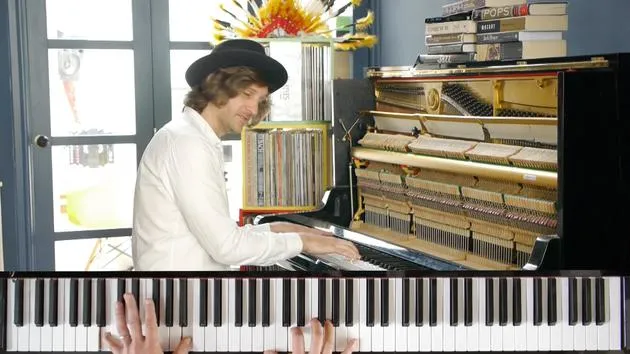
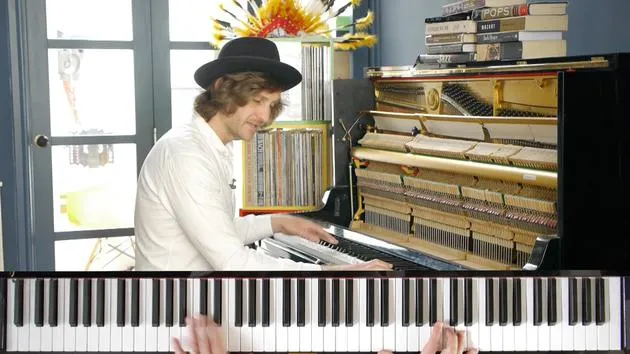
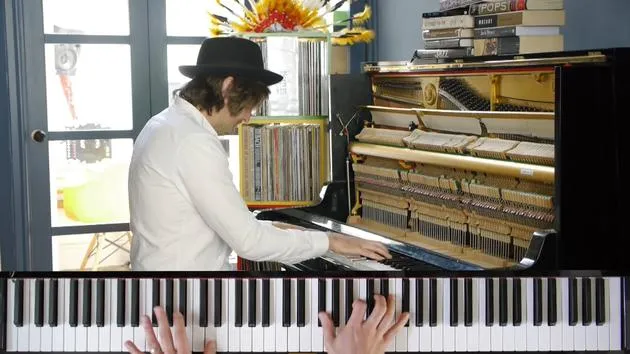
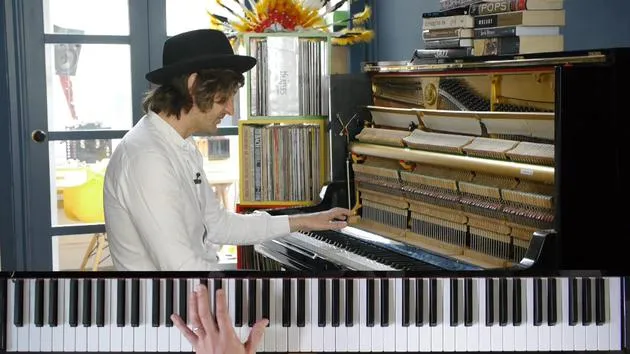
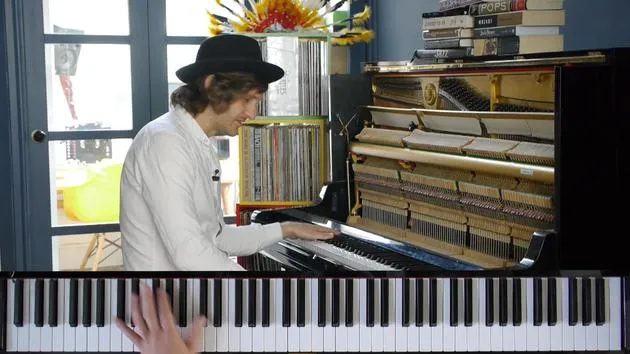
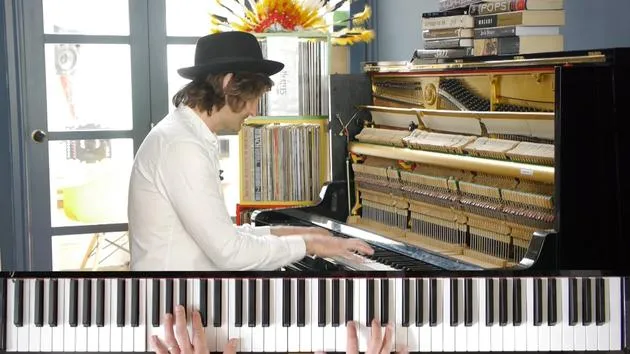
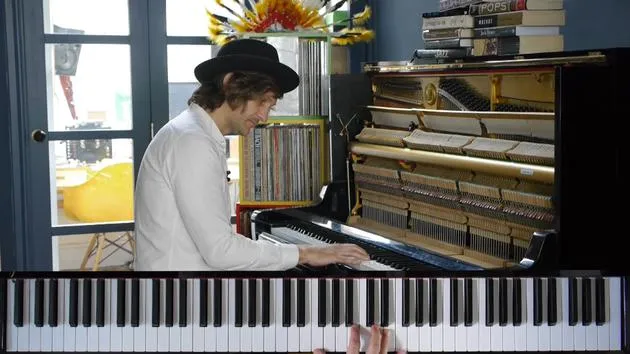
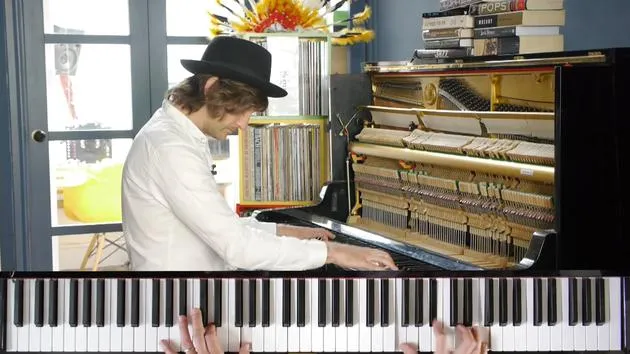
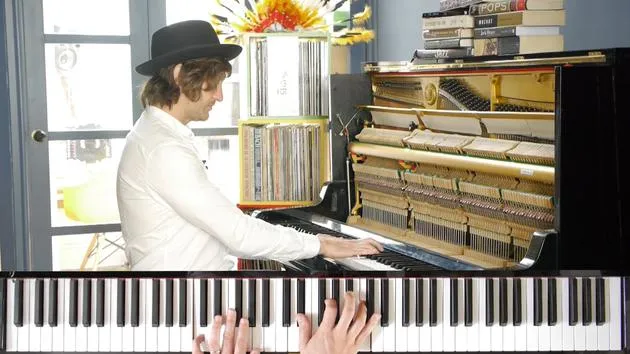
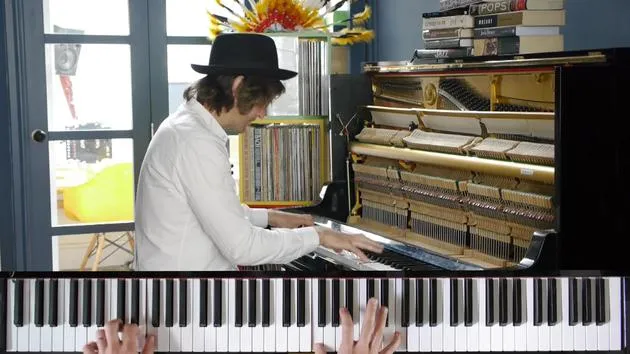
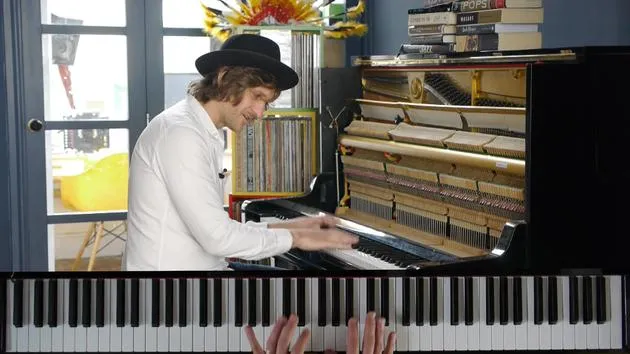
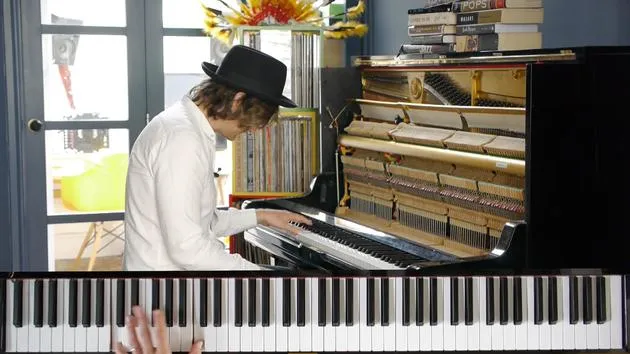
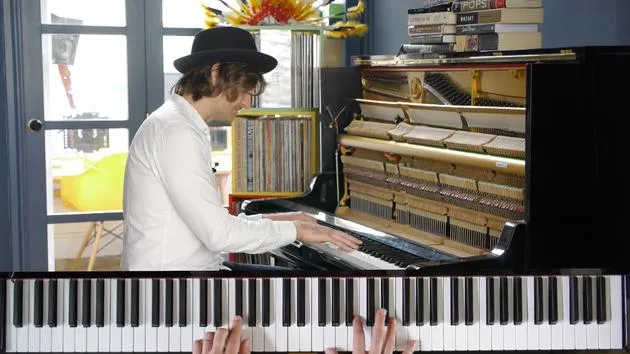
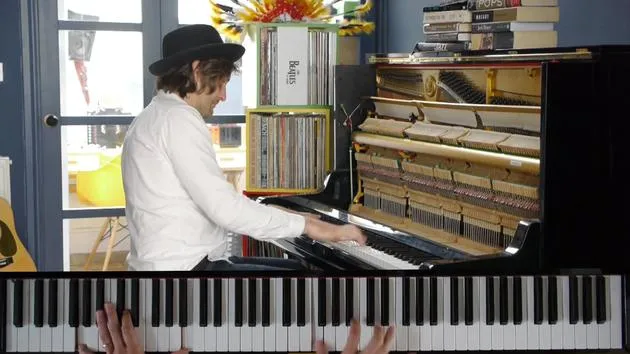
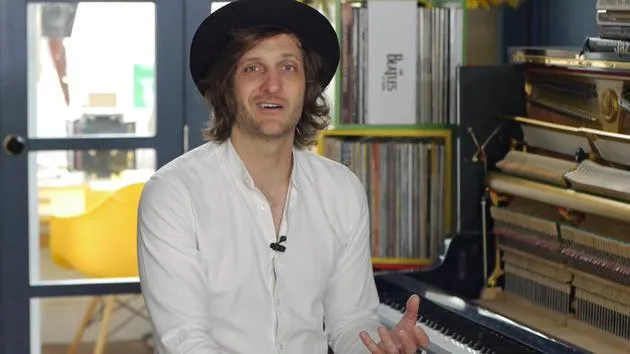
Paddy MilnerThe Junco Partner left hand is based around a typical root and fifth basis, which approximates a sousaphone line in a marching band. Paddy explains how pianists like Jelly Roll Morton and James Booker livened this up with anticipations that come from caribbean influences. The left hand ends up standing in for the whole rhythm section of a marching band, with sousaphone paired with bass and snare drums.
What's in the course
40 lessons (2h 57m) · 1 free
01. Overview
1:08
02. Performance
3:02
03. Form and Introduction - Professor Longhair Octaves
4:45
04. Form & Feel
5:22
05. Right hand
2:30
06. Turnaround Ideas
2:59
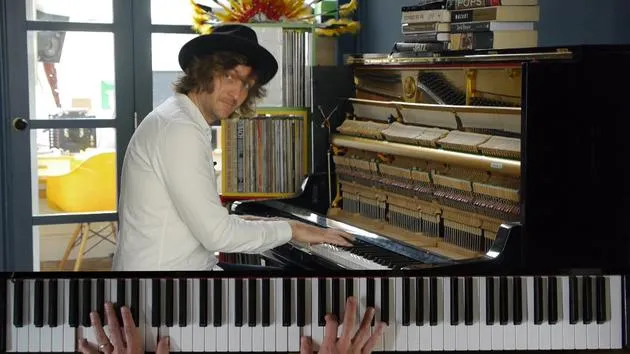
07. Solo Section Ideas
4:16
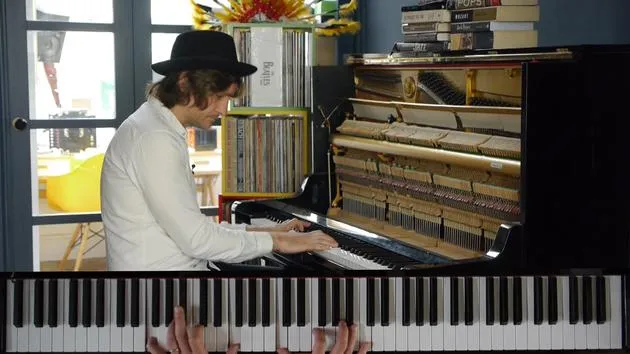
08. Nailing the groove
4:00
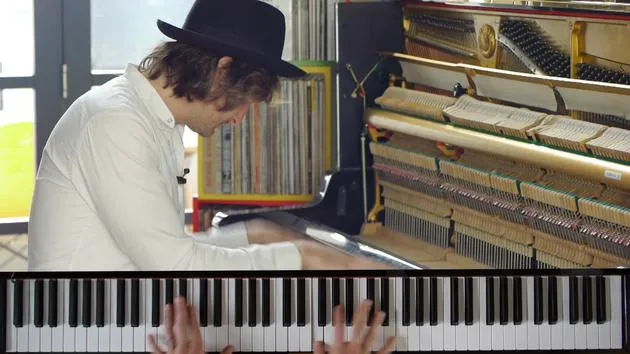
09. Making it funkier
Free lesson7:56
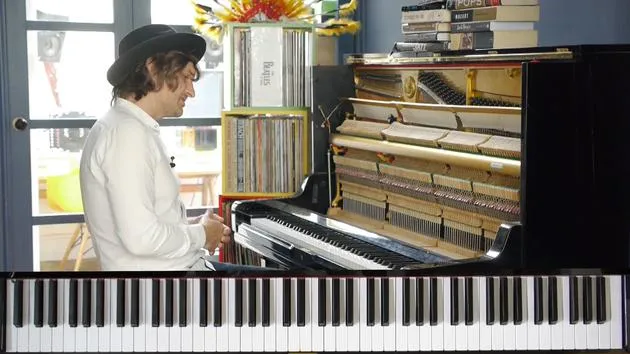
10. Towards a latin feel
1:42
11. Straight against swung & Harmonic Variations
5:46
Lesson transcript
Exploring the Left Hand Techniques
Let's start by looking at the left hand. What was I doing there? Essentially, I was outlining what is a kind of standard New Orleans thing to do:
- The root and fifth, maybe with some accents.
- We're talking about Caribbean influences and those anticipations.
This technique serves as a traditional kind of bass line that you might imagine a sousaphone playing in a marching band.
James Booker Influence
What I've done there, which is kind of based on a James Booker left hand, is:
- Filled that out with a left hand that functions almost like a combination of:
- Bass drum
- Kick drum
- Snare drum
The pattern resembles:
- Bass drum, snare drum, bass drum, snare drum.
Along with that, I've included a little left-hand line. So it could sound like this:
"Anticipations, which for me, directly come from the Jelly Roll Morton left hand patterns."
You can hear throughout Booker's music a significant Jelly Roll influence.
Chord Progressions
Moving up to the IV chord, the same pattern with the leading note remains:
- Back up to the G stays on G.
- Leading up to that D: 3, 4, 1, 2, 3, 4.
Again, we have those broken octaves anticipating the beats, which is very much a Jelly Roll technique:
- "3, 4, 1, 2."
The same thing applies to the V chord:
- This creates a heavy left hand with three things happening at once:
- Bass drum pattern
- Snare drum
- A little sousaphone part, a bass line.
Complex Bass Lines
Another technique used by Booker in Junko Partner involves a similar concept with a slightly different bass line:
- The bass line is quite complex here.
Practice Tips
When you're practicing, start slowly:
- Get it to a point where you're comfortable, even at a very slow tempo.
- Work out note by note what that is, then gradually increase the tempo until you reach full speed.
- Practice on the different chords.
Chord Transitions
There are ways to transition from Chord I to Chord IV:
- You could approach it with a leading line, something like this: 3, 4.
The bass line is doing something similar while maintaining that pattern.
- When returning to Chord I, consider doing something creative:
- Instead of going straight to Chord V, you can use a second inversion in the bass.
This makes the left hand interesting:
- It combines harmonic and rhythmic elements, driving the piece forward.
Jelly Roll Morton's Influence
This style resonates with what Jelly Roll Morton said about his piano playing. He wanted it to sound like a whole band, fulfilling the roles of the rhythm section by:
- Playing both bass lines and rhythmic parts.
- Adding little lines that could represent other instruments, like a trombone.
In the right hand, you'll have different elements:
- Imagine polyphonic lines, like a clarinet and a trumpet, playing together.
Summary of Left Hand Techniques
Throughout all of Morton's work, there's a complexity in the left hand. In Booker's style, you'll notice:
- Anticipatory runs leading up to different chords.
- Those unique accented runs which are a hallmark of New Orleans music.
"3, 4, 1" again emphasizes those anticipations in the left hand.
Additionally, pay attention to the rolls in the left hand that mimic a snare drum roll, something distinctly characteristic of New Orleans music.
This left-hand technique is valuable! If you can stretch to play those tones, it can sound quite nice.
Next, let's look at some other things I was doing with the right hand.
40 lessons
2h 57m of structured video lessons
Advanced video features
Slow down, loop a passage, follow along
Mobile, tablet & desktop
Practise wherever you are
100% satisfaction guarantee
30-day money-back guarantee
Meet your guru
Meet your guru
Paddy Milner is recognised as one of the leading blues piano players in the world - he is currently keyboard player of choice for Sir Tom Jones, following several years with the late, great Jack Bruce - but he is also a superb original songwriter and a distinctive singer. Just read the praise from the likes of Dave Brubeck below! His playing was featured on the soundtrack for the hit 2019 film 'Rocketman'.
He has twice won the award for Best Keyboard Player in the British Blues Awards, and he holds a long-standing residency as a founder member of the Ronnie Scott's Blues Explosion at the world-renowned Ronnie Scott's club.
His current group LONDONOLA plays homegrown British music with a strong dose of New Orleans spirit, and his collaborative group JAWBONE goes from strength to strength following the release of their self-titled debut album.
- "I love it... there's a guy who can really play the piano" - Dave Brubeck
- "I highly recommend it. Somehow things start to feel much better!" - Jack Bruce
- "The best blues piano player in Europe..." - Blues Access, USA
- "Impressive & original" - The Times
- "Dazzling" - The Independent
Across his courses, Paddy breaks down authentic blues shuffle, slow blues, boogie-woogie, rock 'n' roll and New Orleans piano - right down to three classic boogie-woogie songs - so you can learn these styles from one of the very best in the business.







