



Donner du sens à l'électronique en live
Lesson time: (12min 56sec)
Comment et pourquoi le groupe live de Faithless s'est formé
Course preview
This lesson is part of the course Du studio à la scène : comment Faithless a créé son son live
Watch a preview of the full course below.
Lesson transcript:
The Journey to Our First Live Gig
When we were working out how to do this first-ever live gig, it was quite tricky. Maxie, our frontman and rapper, had done several tours as a hip-hop artist with a DJ behind him mixing and scratching while he rapped. He found that setup very limiting. There were also many PAs who used to go around clubs, featuring a singer with either a DJ or someone miming in the background with a keyboard playing what was then called adapt tape. Maxie felt this was also quite limited.
So we decided that live performance was the only way to go. But the challenge was how to make electronic music make sense in the live arena. In the studio, we could multi-track everything, with various layers to the music, which made it complicated.
Starting Big
We ended up, quite ridiculously, with a 10-piece live band to start with. Our lineup included:
- Two keyboard players (I was one of them)
- A host of singers
- Bass guitars
- Drums
- Percussion
It was almost impossible to fit us all on stage simultaneously, so we pared it down to an eight-piece live band. This setup allowed us to maintain much of the texture and dynamics found on our albums, which typically could only be achieved with a multi-track recording facility, but we could actually play those elements live.
Unique Mix of Elements
What made our approach unique was the mix of acoustic elements with recorded electronic parts. For us, the beats in dance music had to be really insistent and tight, which we embellished with live drums.
We discovered that by using a piece of equipment called an MPC, popular among hip-hop producers for making beats, we could use it as a sequencer. This allowed us to run a house kick drum or a 909 sample underneath our dance tracks while the live players would perform around them. The goal was to create a seamless mix of acoustic and electronic elements, making it difficult to distinguish what was what, resulting in a sonically exciting and otherworldly experience.
Restructuring Songs for Live Performance
When taking our songs into the live arena, we quickly learned that many elements from the records that hold up to repeated listening get lost in a live performance. This realization prompted us to strip things down to the bare essentials. Performing a show for an hour or an hour and a half is distinct from an album that you listen to repeatedly.
Thus, we crafted our songs with dynamic structures tailored for a live audience, allowing them to follow along easily. We aimed to ensure every element was played live while still mixing electronic and live elements to retain the metronomic, tight feeling characteristic of dance music.
We were keenly aware that many people had discovered our music in clubs; we didn't want to alienate them when they arrived for a live show, confused by the sudden presence of guitars and bass. Hence, while we made sure our performances referenced the album versions, they also possessed their own unique energy and dynamism.
The Importance of Groove and Riffs
We started with the stems of the beats, running them through the MPC, adding samples and sounds found on the album that could be played on pads by the drummer and percussionist. Much of Faithless's identity is groove-based, so it was crucial for the bass and drums to sit tightly together; we rehearsed them as a section before embellishing with other elements.
Another defining aspect of Faithless is our memorable riffs, those iconic bits you sing along to, such as from "Insomnia" or "Salvemere." When we brought in a guitarist, who added depth since there wasn't much guitar on the first record, they would often embellish the keyboard riffs I played live. Sometimes, those riffs would also be supported by the stems of the keyboard sounds underneath to keep my playing tight, as live musicians can tend to drift.
Maintaining Timing and Relationships on Stage
If programmed beats weren't available, we would have the click fed into our in-ears or monitors, ensuring the drummer played along to the click while the rest of the band kept time with them. This was particularly crucial on stage, as everyone has to listen carefully to avoid chaos.
Playing live requires everyone to know the arrangements of the songs, allowing us to function as one organism, which creates an exciting dynamic.
Building relationships on stage is vital; band members need to maintain eye contact, and the energy from the rhythm section can inspire the vocalists. Maxie loved standing close to the bass and in front of the drums to feel that energy, which influenced the meter of his rhymes and where the words fell.
Unique Live Remixes and Evolution of Performances
In Faithless, we took a unique approach; we didn't just recreate the versions of the songs from our albums. We crafted, if you will, a live remix for the stage. As we became a more established band, the arrangements subtly changed with every tour, partly from our natural progression and partly from fresh ideas brought in through remixes.
For instance, "Insomnia," which we've played for over 25 years, went through six different iterations. This was thrilling for us but sometimes left the audience a bit puzzled about when the "big moment" was coming.
The Experience of Faithless Live
One of the most enjoyable aspects of performing with a live band is the flexibility we have to play around with arrangements. While we always retained underlying structures, there was also room for freedom within those structures, creating something special and unique to our live shows.
We created an experience that went beyond simply playing music to an audience. It involved the audience in a dynamic musical journey, with a hypnotic element and real power.
Additionally, it's essential to consider the realities of performing at festivals, where we often played for crowds that didn't necessarily know us. This challenge pushed us to deliver the most powerful and exciting show possible, to convert new fans. Many people would approach us post-show, expressing how they never liked dance music but loved Faithless, confirming we were certainly doing something right.
Bridging Genres
Our unique musical and visual language appealed to fans who understood rock music, helping us secure gigs at main stages alongside massive bands like Limp Bizkit, Lenny Kravitz, and R.E.M. In contrast, electronic music artists were often relegated to dance tents, typically being a DJ or two guys with laptops.
Ultimately, our ability to blend the languages of rock and electronic music allowed us to transcend the traditional boundaries that often limited our genre. We opened doors that had long been shut, reaching an audience that appreciated both worlds, and we were proud to do so.
About the instructor
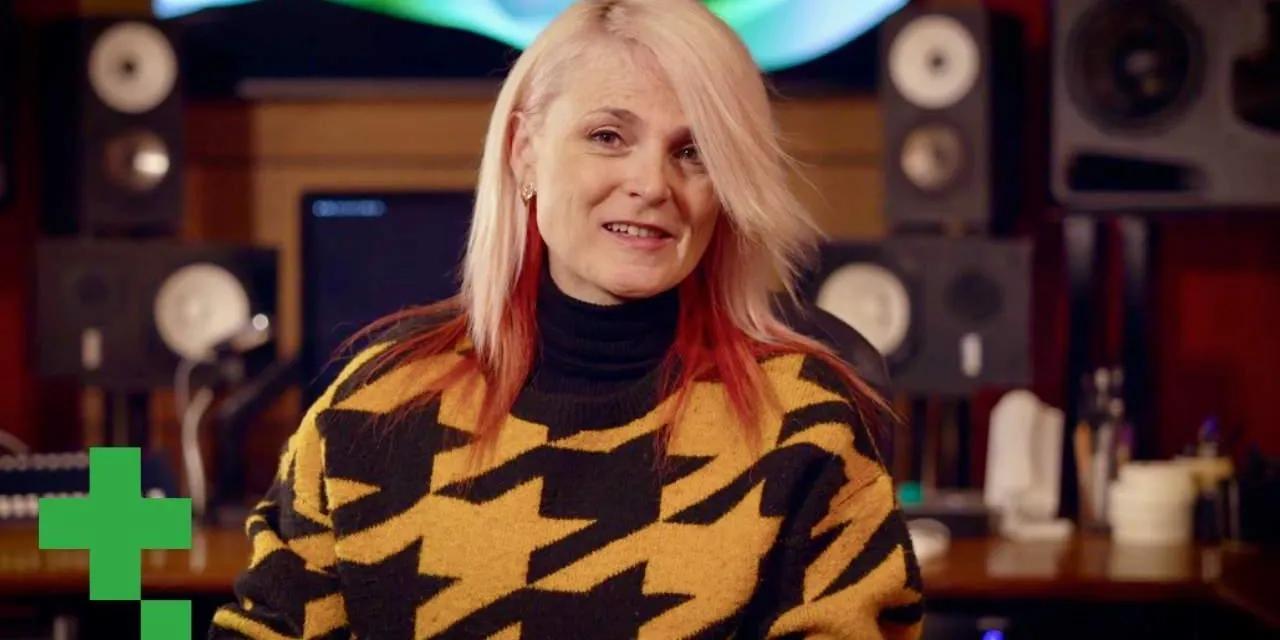
« Sister Bliss n'a jamais cessé d'écrire de la musique. C'est une compositrice accomplie pour le cinéma et la télévision, une DJ de club et une défenseure des industries créatives ». Billboard L'une des artistes de musique dance britanniques les plus à succès de ces 25 dernières années, Ayalah Bentovim, alias Sister Bliss, est la force musicale derrière Faithless. Avec l'emblématique chanteur Maxi Jazz et le producteur Rollo Armstrong, elle a formé Faithless : l'un des projets électroniques les plus marquants de sa génération, avec une carrière s'étalant sur plus de deux décennies, comprenant 8 albums (dont 3 numéro 1) et six singles dans le top 10. À ce jour, Faithless a vendu plus de 15 millions de disques dans le monde et s'est produit devant des millions de personnes à travers la planète, en tête d'affiche de festivals, de stades et d'arénas. Le groupe a collaboré avec des artistes tels que Jazzie B, Boy George, Cat Power et Dido, sans jamais se conformer et en naviguant avec aisance à travers un éventail éclectique de genres. Au fil d'une carrière de 25 ans qui l'a menée de la scène underground des clubs britanniques à des concerts à guichets fermés dans des arénas et des têtes d'affiche de festivals à travers le monde, Sister Bliss est devenue l'une des artistes électroniques féminines les plus anciennes et les plus influentes de la musique dance britannique. Elle arrive au lendemain de la sortie du premier album studio de Faithless en dix ans, le très attendu 'All Blessed', la lettre d'amour de Faithless à la musique électronique qui les présente sous leur meilleur jour. L'album a atteint la 6e place des charts et les singles, avec leurs remixes inédits, ont bénéficié d'un large soutien sur BBC Radio 1, Radio 2 et BBC 6, ainsi que sur Kiss FM et Capital. Multi-instrumentiste de formation classique, elle a également composé la musique de nombreuses productions pour la télévision, le cinéma et le théâtre. Parmi ses crédits figurent le film Knife Fight de 2012, avec Rob Lowe et réalisé par Bill Guttentag, deux fois oscarisé, des commandes pour Sex & The City 2, Chasing Amy, The Beach de Danny Boyle, A Life Less Ordinary, le film britannique acclamé The Hide, Crossing The Line et les séries télévisées primées aux BAFTA Life Begins (ITV) et The Poison Tree (ITV). Pour le théâtre, Bliss a écrit la musique de The Black Album et The Emperor Jones au National Theatre de Londres, et a composé une pièce originale pour le London Sinfonietta, interprétée au Fuse Festival, au Royaume-Uni. Elle a récemment tenu un rôle principal dans la grande émission de prime time de BBC1 'This is My Song', encadrant les participants et produisant leurs enregistrements finaux. En 2019, elle a sorti un nouvel album en collaboration avec Rollo et Dido sous le nom 'R PLUS' - 'The Last Summer', après un été bien rempli de têtes d'affiche en DJ set dans des festivals du monde entier, notamment à Bestival, Exit Festival, Glastonbury, Creamfields, Ibiza et au-delà. Son émission de radio et podcast hebdomadaire à grand succès 'Sister Bliss in Session' est diffusée dans plus de 100 stations et 43 pays à travers le monde. Elle a récemment présenté en tant qu'invitée l'émission acclamée de Gilles Peterson sur BBC 6 Music et remplace régulièrement Ana Matronic dans l'émission Dance Devotion sur BBC Radio 2. Elle a également présenté une série en 5 épisodes sur la station Scala Radio de Bauer Media, reliant musique classique et musique électronique, qui a remporté le prix Bronze aux New York Festival Radio Awards, face à 30 pays. Elle enseigne actuellement dans le cadre du master MA de Tileyard Studios, avec des modules sur la composition, la production et l'écriture sur commande commerciale, et accompagne individuellement des étudiants en master : le même savoir concret qu'elle partage dans Studio to Stage, où elle explique précisément comment Faithless a transformé ses disques en un spectacle live capable de remplir des stades. read more