



Papa John Creach
Avec
Chris HaighChris Haigh explore le style de violon blues de Papa John Creach, en montrant comment des licks simples et répétés comme le 'double E lick' créent un son puissant et ample.
© 2011 Schott Music Ltd, London
Le contenu du cours
28 leçons (2h 28min) · 1 gratuites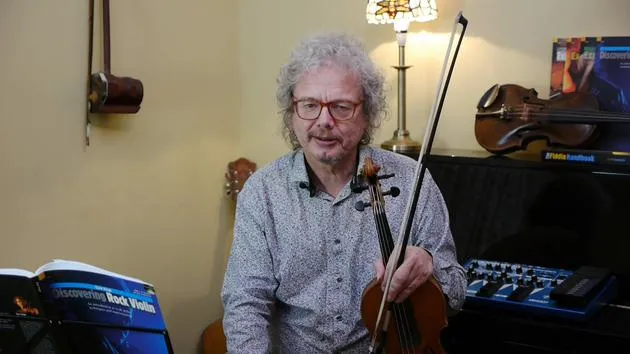
Transcription de la leçon
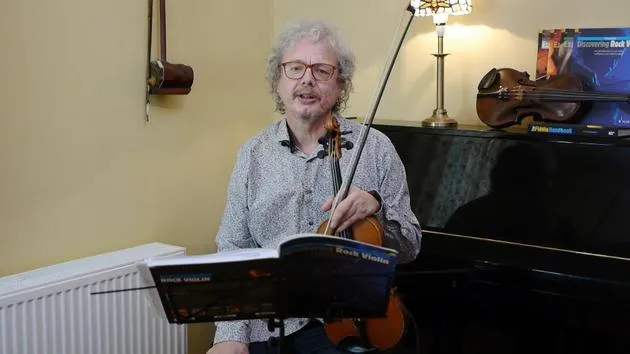
Music Lesson: Exploring the Playing of Papa John Creech
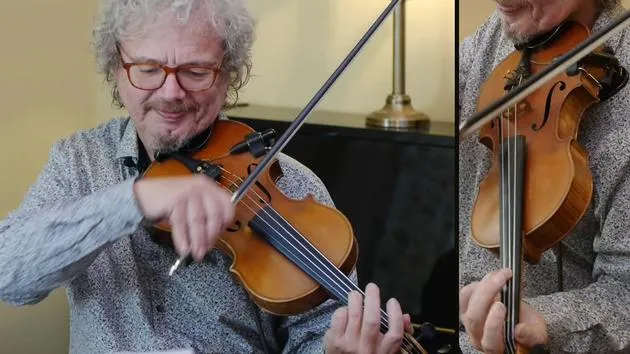
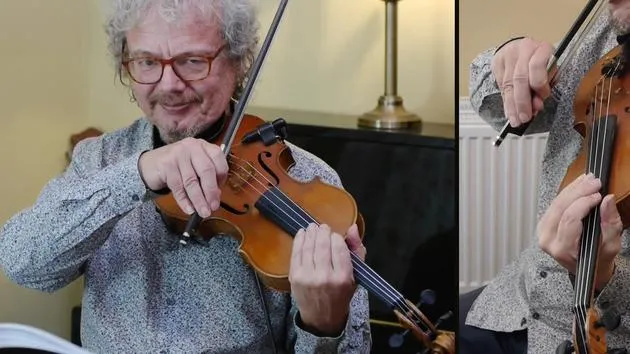
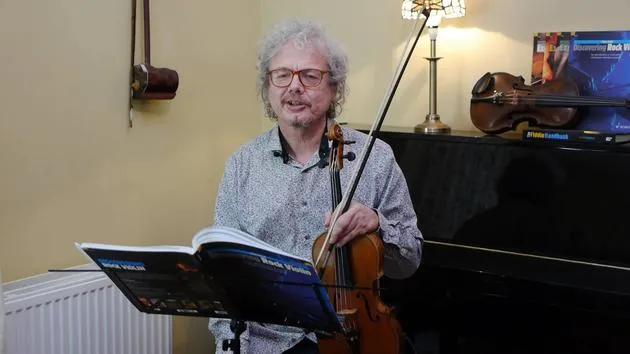
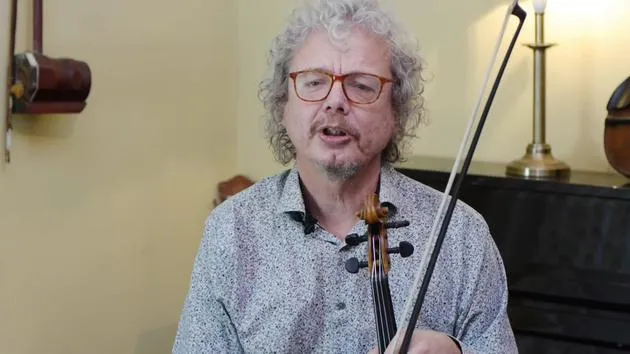
In this lesson, we're going to look at the playing of Papa John Creech. He was a great blues player back in the 70s, known for his work with Jefferson Starship and Hot Tuna. One of the key lessons to learn from him is simplicity and repetition.
The Power of Repetition
He used lots of blues licks, but played simple licks over and over again. I'll show you how powerful it can be to just keep doing the same thing.
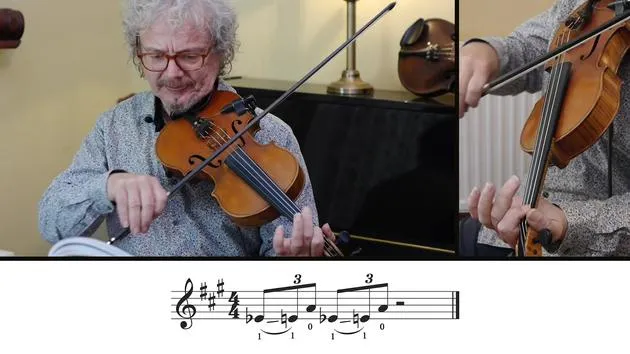
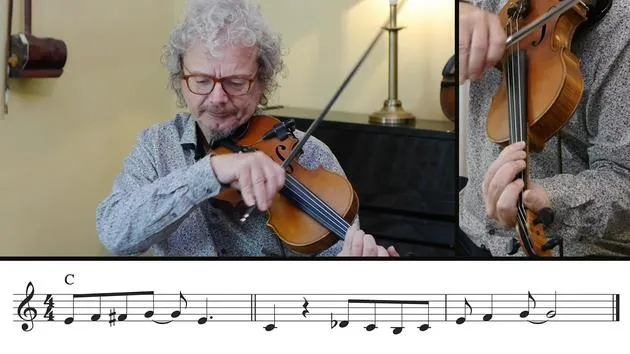
The Double E Lick
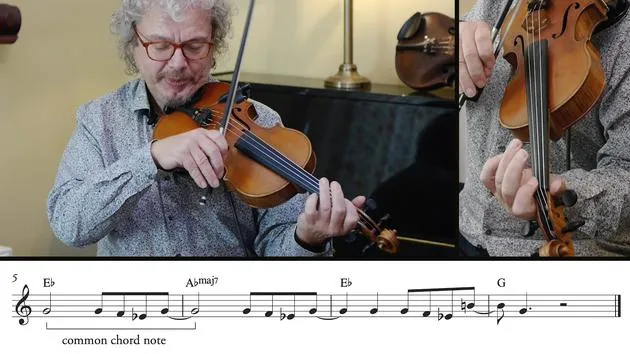
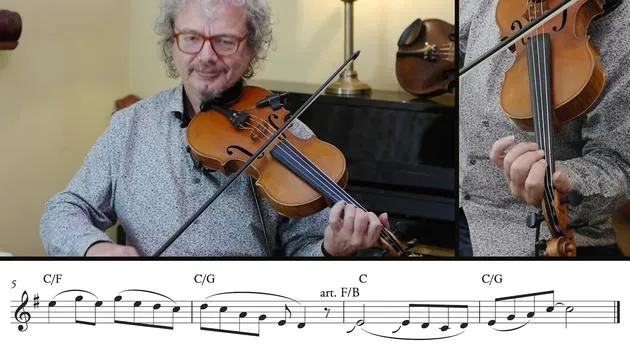
We'll be using a lick I call the double E lick, where we:
- Play an open E string
- Use the second finger to slide up to that note
This creates a great effect with a big, fat sound. Let's hear that with some chords, repeated over the changing chords.
Exploring Patterns
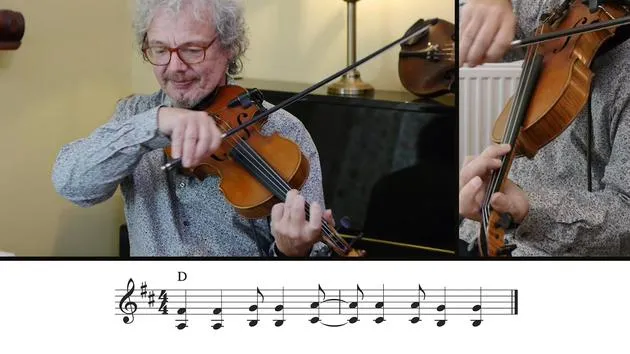
Here's another example:
- We're playing around with a simple pattern and repeating it in different parts of the bar.
- We start at the beginning of the bar, then shift it to the fourth beat.
Let's hear that with the backing. Here's one more with a repeated slide.
1, 2, 3.
Let's hear that behind the blues SA.
Modifying the Lick
We can modify that lick just by changing one note to achieve a good effect. Instead of sliding from that note, we'll slide up to the A.
Let's hear that! Notice how, with that lick, I wasn't just staying rigidly with it. I was developing the lick as I continued, adding extra notes and extending parts, but using it as the root around which we grow.
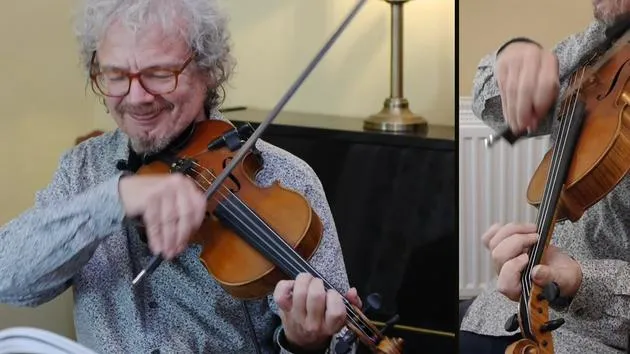
The Harmonica Trill
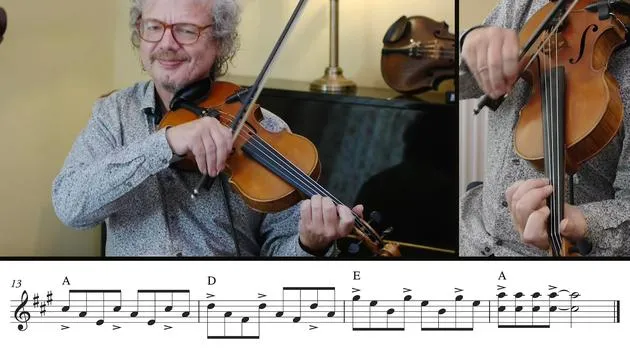
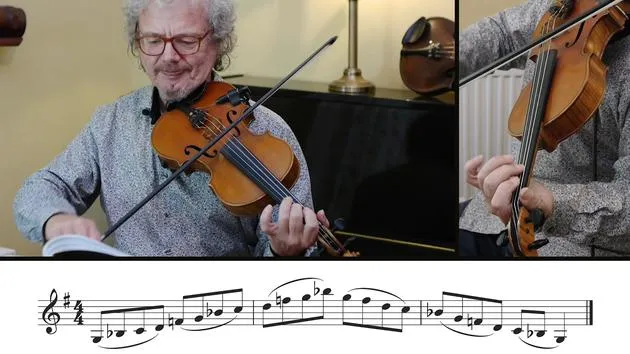
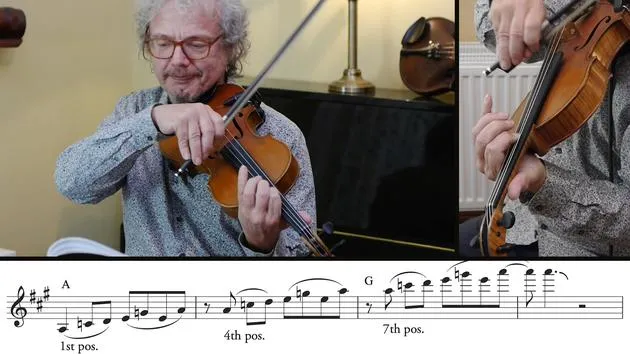
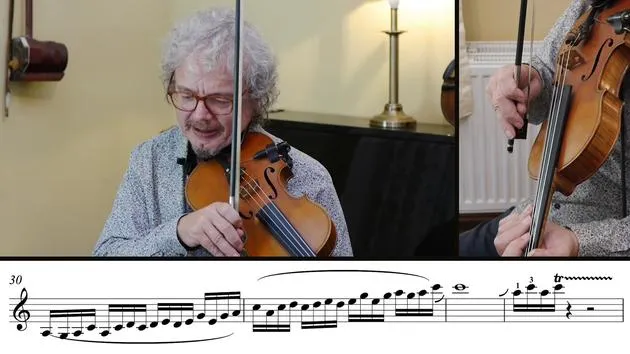
One of Papa John Creech's trademark licks was what I call the harmonica trill. There are lots of different ways within a chord to use this technique.
For example, within the key of A:
- We slide up to the A and trill with the third.
- Then we can play on the D string in third position, and then on the E string.
It's a selection of different notes and blues notes, but basically the same effect. Let's see how many times I can do it!
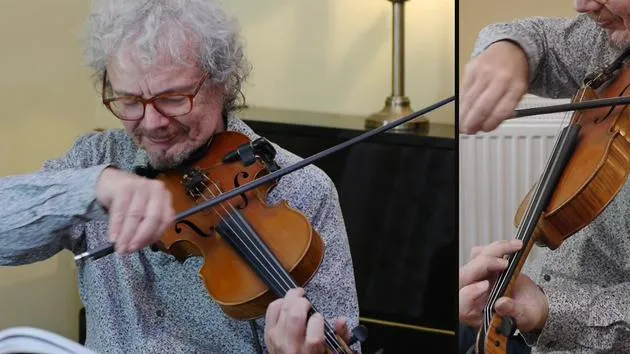
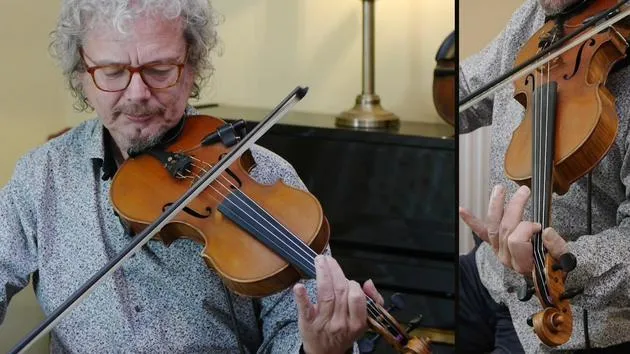
Experimenting with Fingers
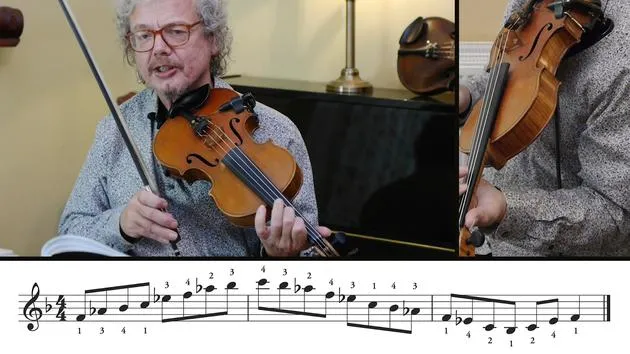
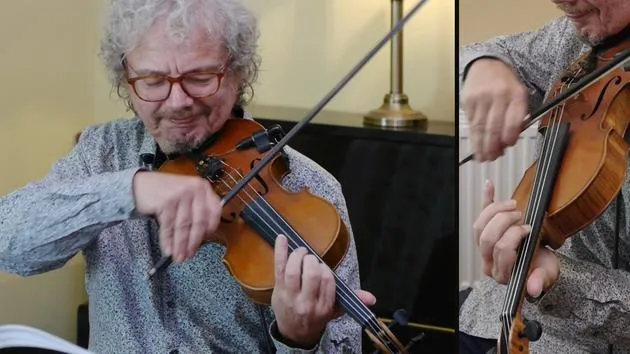
Earlier, I mentioned that when you're playing a blue note and a non-blue note, you often use the same finger to slide. However, sometimes it's good to use two separate fingers. This way, you'll get two distinct notes instead of one blurred note.
Assignment
Your assignment for this lesson is to:
- Learn and memorize all of the licks in this lesson.
- Try playing them over the A blues backing.
- First, learn the melody for Blues Breaker.
- Then, try improvising over the changing chords for Blues Breaker.
See you again in the next lesson!
28 leçons
2h 28m de leçons vidéo structurées
Fonctions vidéo avancées
Ralentissez, bouclez un passage, suivez la partition
Mobile, tablette et ordinateur
Pratiquez où vous voulez
Satisfaction garantie à 100 %
Garantie remboursement 30 jours
Rencontrez votre guru
Rencontrez votre guru
Chris Haigh est violoniste professionnel depuis 25 ans et possède une expérience dans de nombreux genres. Il a joué sur plus de 75 albums, aux côtés d'artistes comme Alison Moyet, Bob Geldof, All About Eve, Michael Ball, David Soul, Oumou Sangare, The Quireboys, Riverdance, Morcheeba, James Galway et Steps.
Il a joué du swing et du jazz avec The Kimbara Brothers, Diz Disley, Le Jazz, The Hot Club of London et les Quecumbar Allstars, et dirige un ensemble de swing soviétique à sept musiciens, The Kremlinaires.
Chris donne des cours et des ateliers sur la technique du violon jazz et a enseigné le violon jazz aux universités de Middlesex, Brunel et Newcastle ainsi qu'au Truro College. Parmi ses ouvrages figurent neuf livres consacrés au violon, dont The Fiddle Handbook.
Il anime également Fiddling Around (fiddlingaround.co.uk), sans doute la source d'information sur le violon la plus complète et la plus consultée du web.







