



Larsen artificiel
Avec
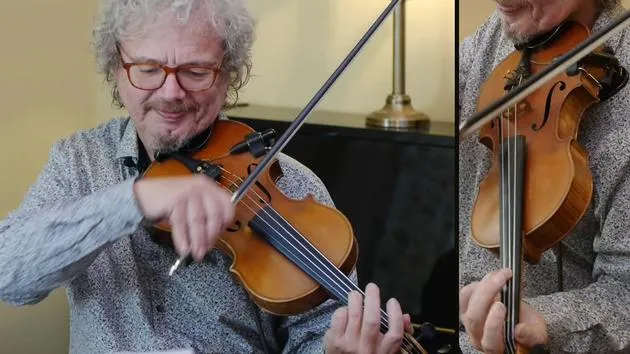
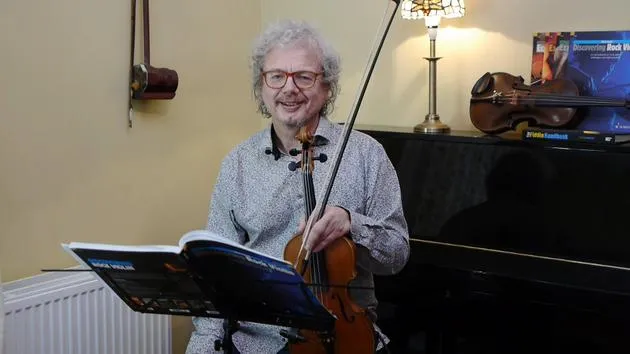
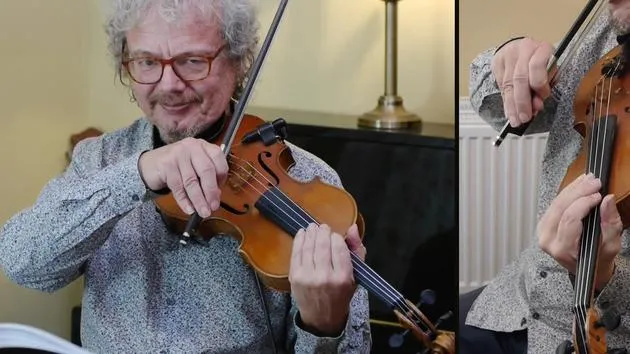
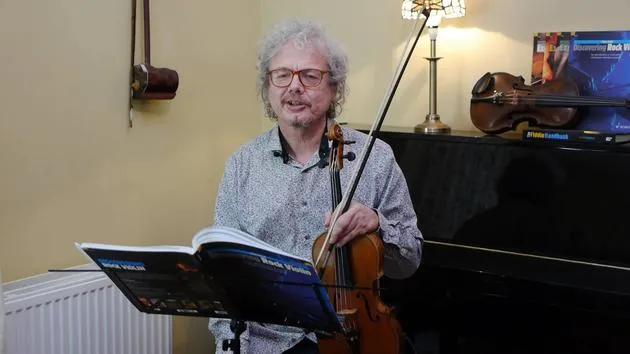
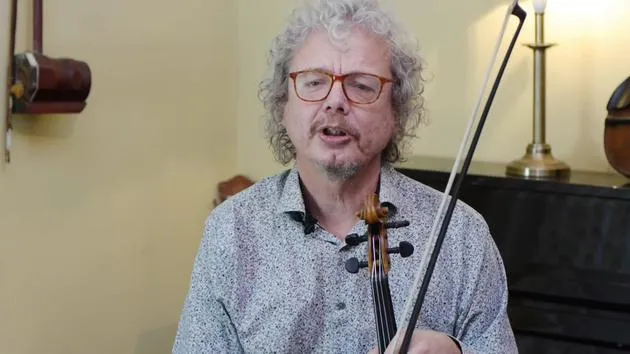
Chris HaighChris Haigh te montre comment simuler un « larsen artificiel » saturé au violon : en appuyant fort avec l'archet près du chevalet pour salir une note propre et obtenir un son rock.
© 2011 Schott Music Ltd, London
Le contenu du cours
28 leçons (2h 28min) · 1 gratuites
Transcription de la leçon
Violin Special Effects Lesson
Introduction
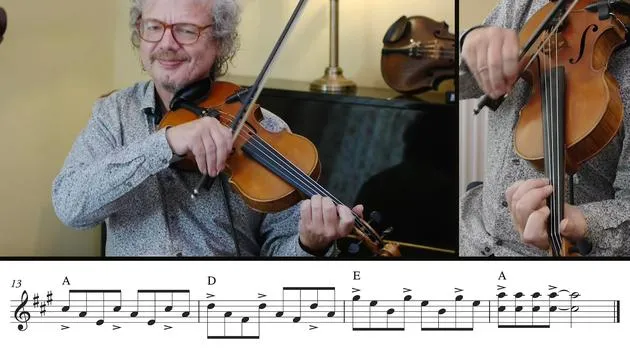
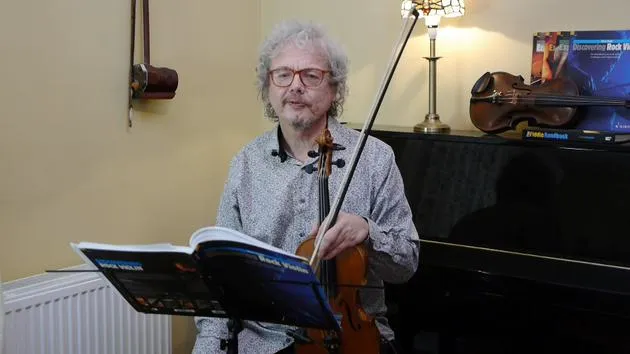
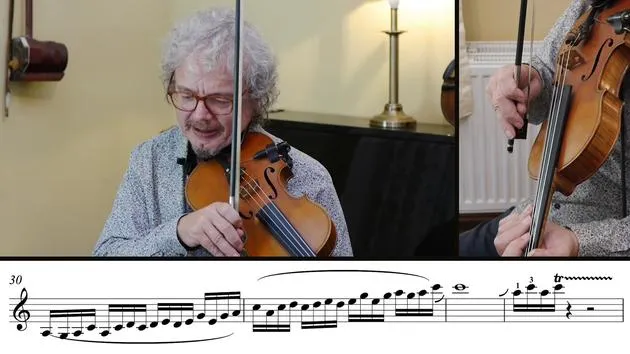
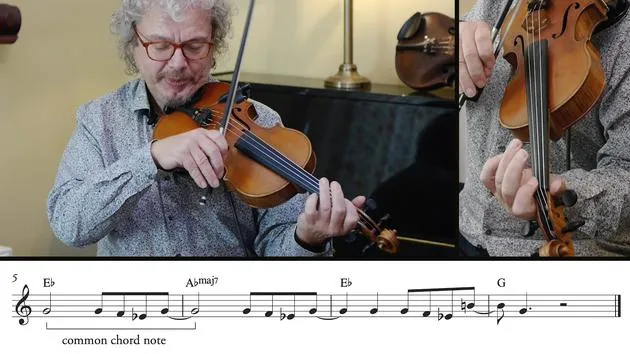
Hi! In this lesson, we're going to look at some interesting special effects on the violin. These are not electric special effects, rather, they sound a bit like electric special effects. One of the most interesting, important, and useful effects I call "artificial feedback."
Artificial Feedback
With a perfectly clean violin sound, we're going to make it sound "dirty." The effect we're looking at resembles the sound of overdriven guitars or a rusty old saxophone, which is something we often want in rock violin. The goal isn't to sound like a lost classical violinist but rather an actual rock violinist who believes in what he's doing.
Achieving the Effect
-
Positioning the Bow
- Take a single note.
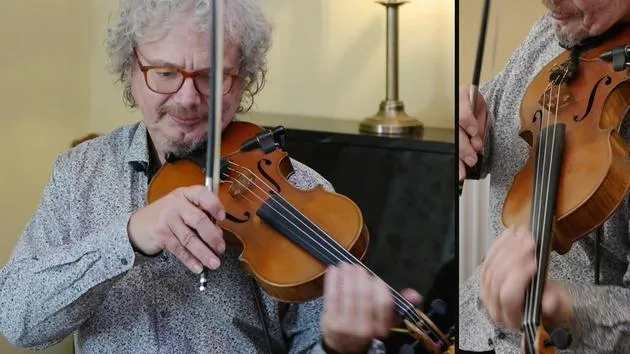
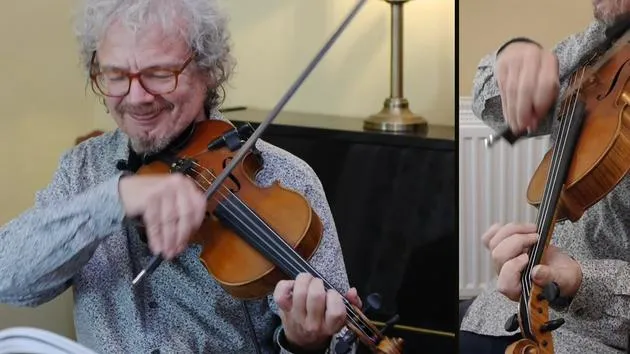
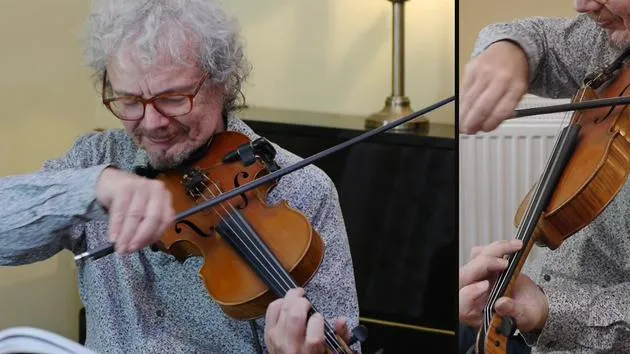
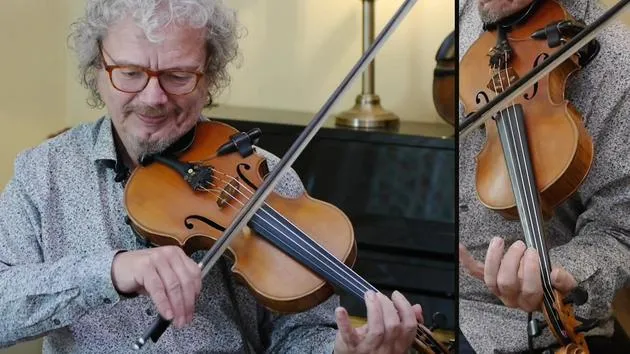
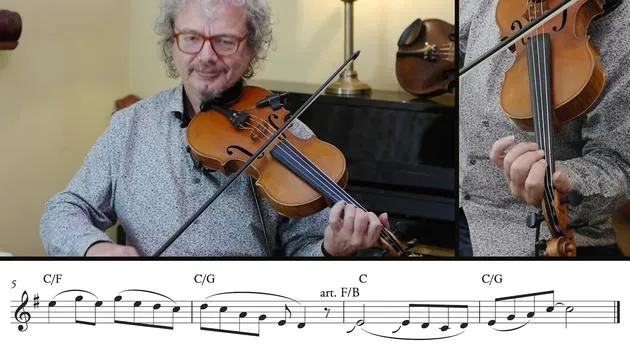
- Bring your bow right up to the bridge and press down hard to create some unpleasant sounds. While this method is easy, it's the least pleasant.
- Instead, keep the bow in the normal position but lessen the downward pressure.
-
Loosen the Bow Pressure
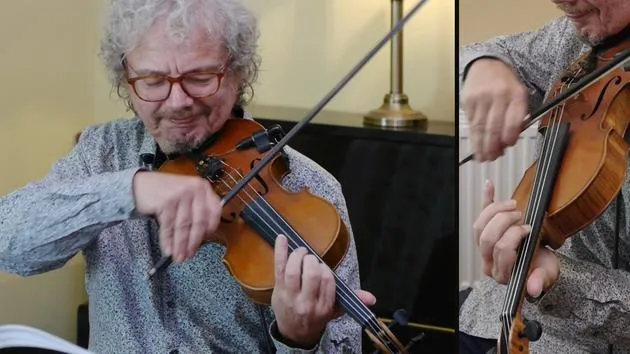
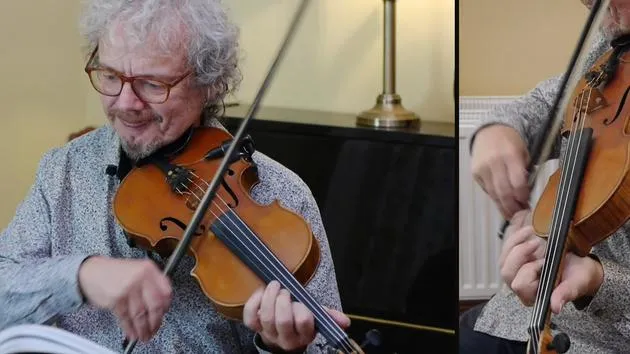
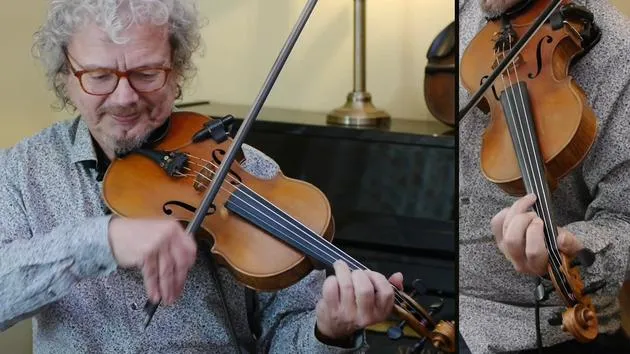
- Reducing the bow pressure allows higher harmonics to come through.
- Increase the speed of the bow to hear a variety of notes from a single note.
-
Adjusting Left-Hand Pressure
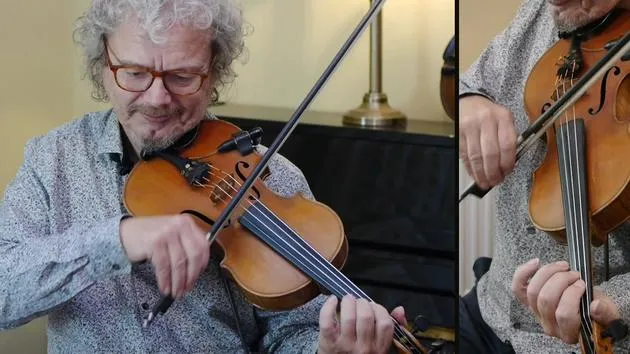
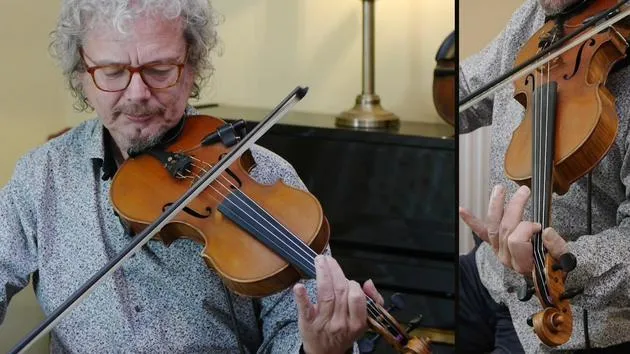
- Lower the pressure of your left hand to produce a clean harmonic.
- Experimenting with all these different techniques will yield many varied effects.
Demonstration
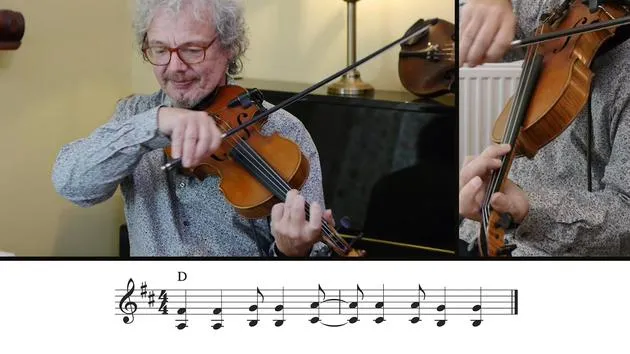
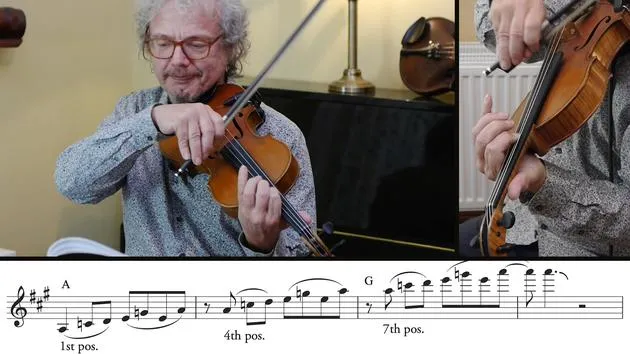
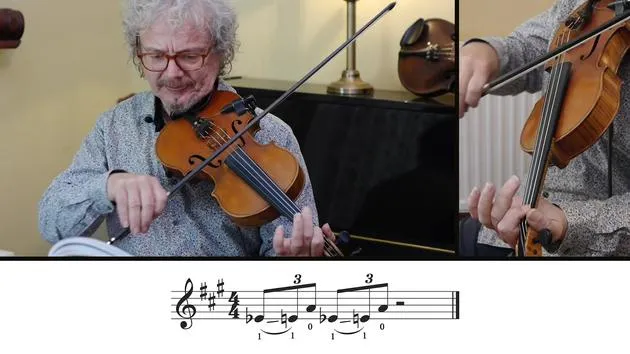
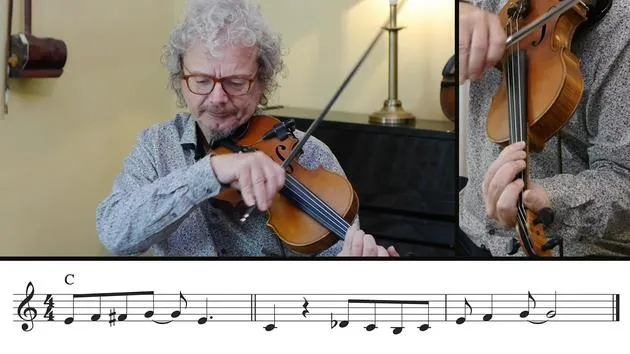
Let's go to an E. It may sound as if you're using some special effects, but it's all literally at your fingertips.
This technique works very well in combination with:
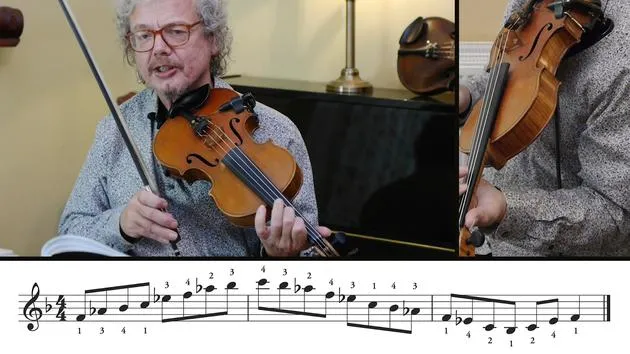
- A trill (especially a third finger trill)
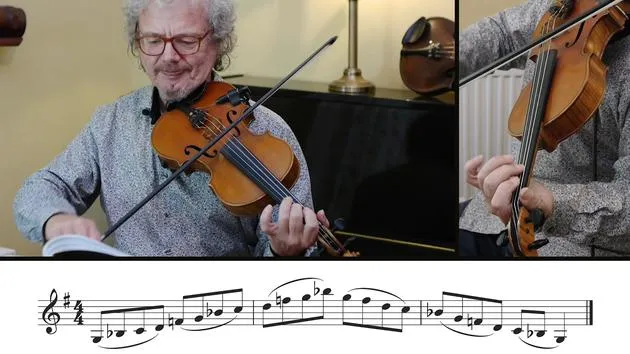
- A minor blues scale
Tip: You can impress people with this technique, and it might take only a few hours or days to master it.
Final Ideas
The ideal goal is to play a note and end with a clean harmonic, which is beneficial in blues solos. Sugarcane Harris often exemplified this technique at the end of his solos.
Soft Harmonics
Not all false harmonics require a loud or aggressive sound. They can also be used softly and gently:
- For an example, listen to Van Morrison's album "Into the Mystic," featuring a viola solo by Tony Marcus that utilizes lovely soft harmonics.
Additional Effects
-
Pick Slide
- Explained to me by the violinist Rachel Barton Pine, this effect involves scraping the finger down the length of the string.
- Do not press the finger all the way down, which creates a noisy and textured effect.
-
Wide Vibrato
- This technique comes from guitarists, involving bending the string up and down.
- On the violin, achieve this through an extreme vibrato while reducing finger pressure to create a "half note." Use this at the end of a phrase or solo, but be cautious not to overuse it.
Assignment
Your assignment for this lesson is to spend as long as it takes to gain confidence with the artificial feedback technique.
Focus Points:
- Downward pressure
- Bow movement
- Left-hand pressure
Goal: Aim to produce a clean harmonic by reducing the pressure on your left hand. Use backing for the soft chord sequence, trying out soft harmonics on that piece, and incorporating your own improvisation.
Enjoy exploring these effects, and happy practicing!
28 leçons
2h 28m de leçons vidéo structurées
Fonctions vidéo avancées
Ralentissez, bouclez un passage, suivez la partition
Mobile, tablette et ordinateur
Pratiquez où vous voulez
Satisfaction garantie à 100 %
Garantie remboursement 30 jours
Rencontrez votre guru
Rencontrez votre guru
Chris Haigh est violoniste professionnel depuis 25 ans et possède une expérience dans de nombreux genres. Il a joué sur plus de 75 albums, aux côtés d'artistes comme Alison Moyet, Bob Geldof, All About Eve, Michael Ball, David Soul, Oumou Sangare, The Quireboys, Riverdance, Morcheeba, James Galway et Steps.
Il a joué du swing et du jazz avec The Kimbara Brothers, Diz Disley, Le Jazz, The Hot Club of London et les Quecumbar Allstars, et dirige un ensemble de swing soviétique à sept musiciens, The Kremlinaires.
Chris donne des cours et des ateliers sur la technique du violon jazz et a enseigné le violon jazz aux universités de Middlesex, Brunel et Newcastle ainsi qu'au Truro College. Parmi ses ouvrages figurent neuf livres consacrés au violon, dont The Fiddle Handbook.
Il anime également Fiddling Around (fiddlingaround.co.uk), sans doute la source d'information sur le violon la plus complète et la plus consultée du web.







