



La gamme mixolydienne
Avec
Chris HaighChris Haigh explique les modes au violon et pourquoi la gamme de G mixolydien est si utile pour les joueurs de fiddle.
© 2011 Schott Music Ltd, London
Le contenu du cours
28 leçons (2h 28min) · 1 gratuites
Transcription de la leçon
Understanding Modes in Music
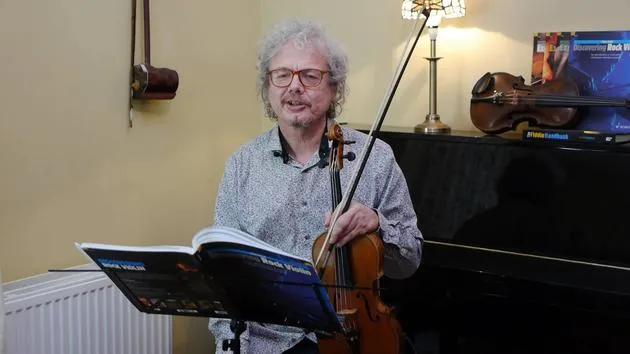
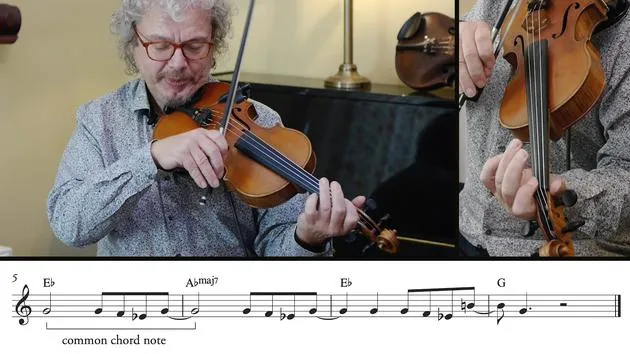
Hi! In this lesson, we're going to talk about modes. I have to admit, I am a late convert to the concept of modes. I always thought it was an overly intellectual idea without practical use, and I didn't understand it at all. However, I took the time to explore what modes actually are, and I discovered they offer some really useful insights for violinists.
Introduction to Modes
Let's revisit the piano, specifically the white notes, which correspond to the C major scale. Let's play that nice and simple and straightforward.
If we start not on C, but on the next note, and make a scale out of that, we have what's called the D Dorian mode.
The D Dorian Mode
The D Dorian mode has all the same notes as the C major scale, but here's the catch:
- Starting and ending phrases not on C, but on D, creates a whole new set of intervals.
- This results in a minor scale rather than a major scale, which gives it a distinct sound.
- Notably, the D Dorian mode incorporates a raised sixth, which is unexpected on the fiddle because a typical minor scale would include a natural sixth.
This effectively creates a new scale, and any melody built around it will sound quite different.
Exploring Other Modes
Here's a brief overview of some additional modes:
- E Phrygian Scale: Starts with an interval of a minor second and sounds very different from the previous ones.
- F Lydian: Another unique sound.
- G Mixolydian: We will return to this one since it is particularly useful for fiddlers.
- Aeolian: A standard mode.
- B Locrian: Quite weird; you'll notice how strange it is once you try to create a melody with it.
The Origins of Modes
One reason modes can seem daunting is due to their strange names. These names originate from a Greek philosopher who named different scales after Greek tribes that used them in traditional music.
Modes were rediscovered in medieval times and were used in church music, later gaining attention from jazz and rock musicians in the '60s and '70s due to their practicality.
Key Modes for Fiddle Players
Two particularly useful modes for fiddle players in a folk context are the Dorian mode and the Mixolydian mode.
D Dorian Mode
- The raised sixth in the D Dorian mode gives it an archaic feel which can evoke images of green fields, lakes, and castles.
- This magical quality justifies the effort required to understand modes.
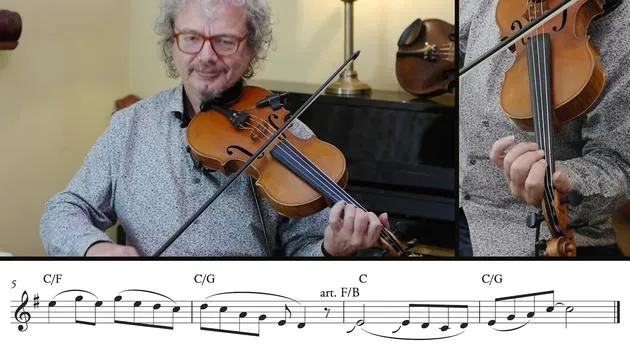
G Mixolydian Mode
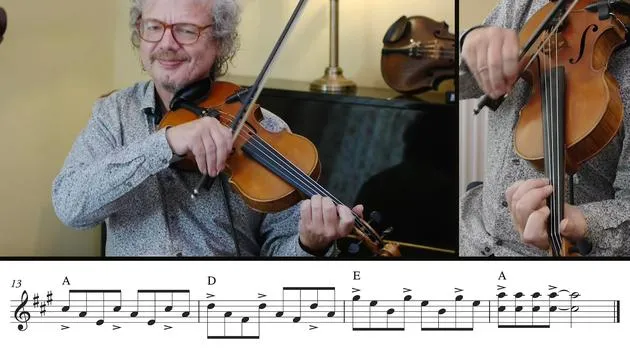
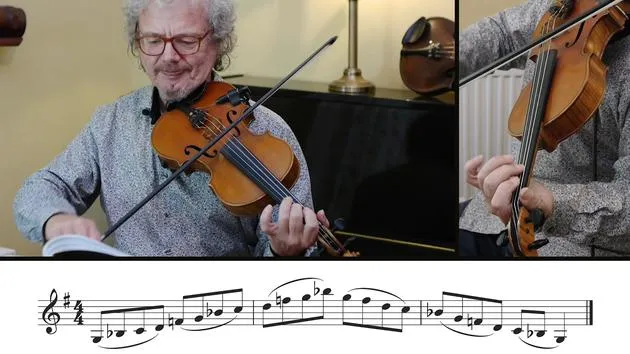
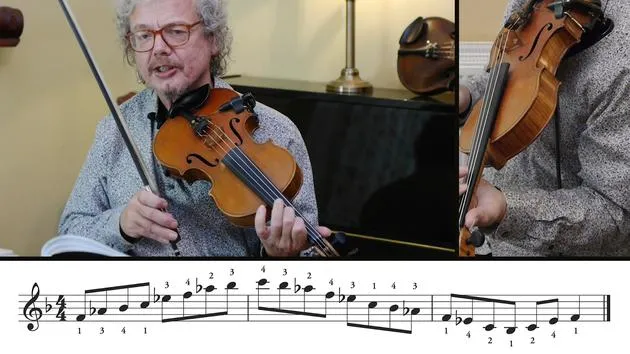
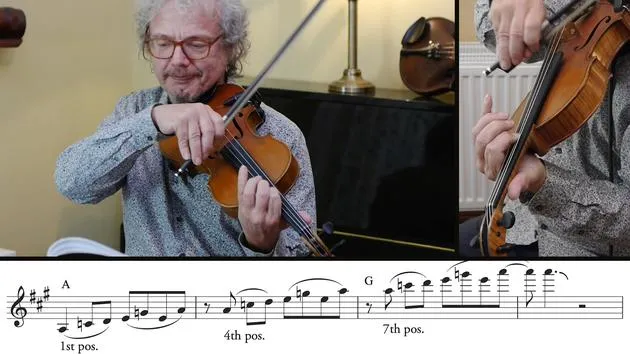
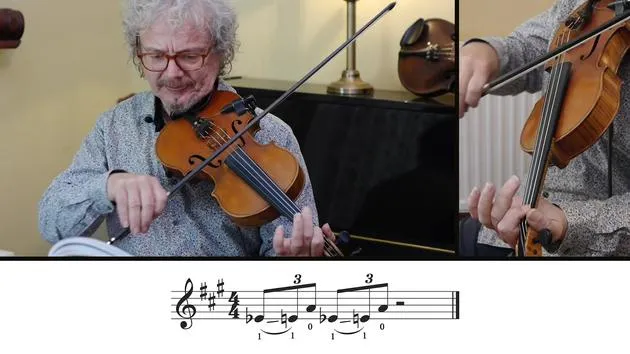
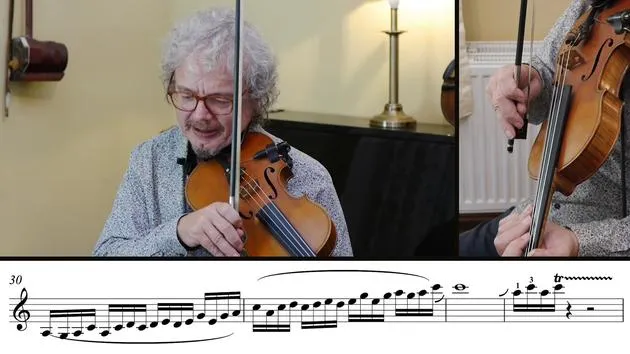
- If we play a G major scale, the Mixolydian mode features a flattened seventh.
- This flattened seventh is significant because it's the note that bagpipes play, which creates a broad and folky sound that can transcend geographical boundaries.
- Transforming it into a pentatonic scale can evoke sounds that are not only Scottish but can also sound Indian.
Practical Application
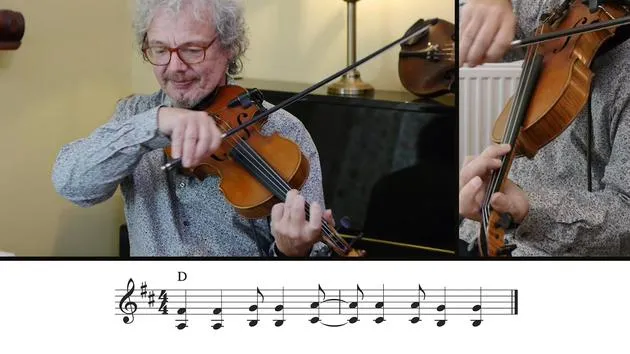
Let's do it in D. By adding a few slides, you can create an effect as if you have spent 15 years in India, studying Indian classical music. Your friends will believe you when you casually mention that you were with a guru on a mountaintop!
Inspirational Music Example
A famous rock song called "Baba O'Riley" by The Who features a memorable violin solo by Dave Arbus, an English fiddle player. This song showcases the Indian-sounding Mixolydian mode and is well worth a listen.
Song Title Origins
The title of the song "Baba O'Riley" comes from Barbara Meyer, an Indian mystic, and Terry Riley, a minimalist American composer.
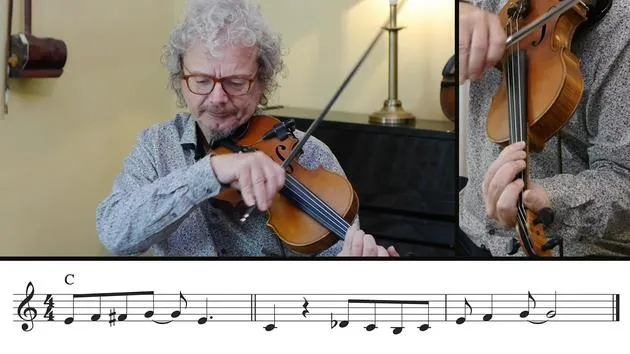
In homage, I composed a tune titled "Mahatma Wonder", inspired by the Indian mystic Mahatma Gandhi and the American writer Stevie Wonder.
Your Assignment
-
Work out the E Dorian mode, which contains the same intervals as the D Dorian but starts on E.
- Try to create some musical phrases with it.
-
Explore the A Mixolydian mode. Refer back to the G Mixolydian to understand the structure, and create sequences that maintain the same intervals.
-
Finally, practice the B Locrian mode, familiarizing yourself with the finger positions and experimenting with writing a melody.
Final Note
Check out John Kirkpatrick, an accordion player who famously wrote a Locrian mode tune just for fun. If you need inspiration, his work is definitely worth exploring!
28 leçons
2h 28m de leçons vidéo structurées
Fonctions vidéo avancées
Ralentissez, bouclez un passage, suivez la partition
Mobile, tablette et ordinateur
Pratiquez où vous voulez
Satisfaction garantie à 100 %
Garantie remboursement 30 jours
Rencontrez votre guru
Rencontrez votre guru
Chris Haigh est violoniste professionnel depuis 25 ans et possède une expérience dans de nombreux genres. Il a joué sur plus de 75 albums, aux côtés d'artistes comme Alison Moyet, Bob Geldof, All About Eve, Michael Ball, David Soul, Oumou Sangare, The Quireboys, Riverdance, Morcheeba, James Galway et Steps.
Il a joué du swing et du jazz avec The Kimbara Brothers, Diz Disley, Le Jazz, The Hot Club of London et les Quecumbar Allstars, et dirige un ensemble de swing soviétique à sept musiciens, The Kremlinaires.
Chris donne des cours et des ateliers sur la technique du violon jazz et a enseigné le violon jazz aux universités de Middlesex, Brunel et Newcastle ainsi qu'au Truro College. Parmi ses ouvrages figurent neuf livres consacrés au violon, dont The Fiddle Handbook.
Il anime également Fiddling Around (fiddlingaround.co.uk), sans doute la source d'information sur le violon la plus complète et la plus consultée du web.







