



Enregistrer de l'audio : configuration et niveaux
Lesson time: (6min 21sec)
Prépare-toi à enregistrer de l'audio dans Ableton Live - armer une piste, vérifier tes niveaux et les Préférences essentielles à régler avant d'appuyer sur enregistrer.
Course preview
This lesson is part of the course Composition et production créatives dans Ableton Live
Watch a preview of the full course below.
Lesson transcript:
Music Lesson: Recording and Quantizing MIDI Tracks
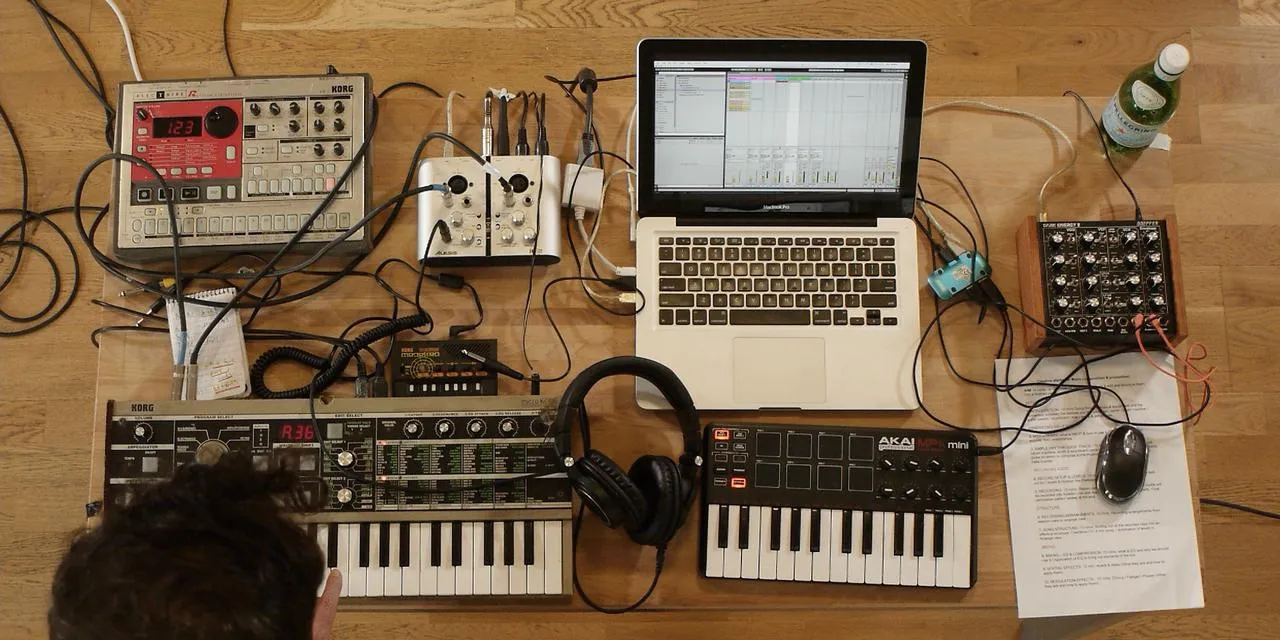
So, I've got my basic guide track done. Let's unplug. I'm going to go back into the MicroKorg here and have a little jam to see if I can come up with something new.
Adjusting MIDI Settings
- First, I need to make a few adjustments in my MIDI device:
- Click on the MIDI track.
- Lower the spread, maybe take that off for the moment.
Working with Chords
- I have a four-note chord, but I might actually shrink this down to a three-note chord just for now:
- This will help me generate the first set of ideas.
- I want to build up from the bottom up.
"When you arm a track to record into, your little stop button turns into a record button."
- I'm giving myself free rein regarding the length of my recording:
- Not limited to four or eight bars.
- I'll record until I find a section that works musically.
Recording Process
- I'm going to click the record button now.
"The first section I liked a little bit more than the second, I think."
- My MIDI notes are in there; that is the main thing.
Quantizing Notes
- Next, I will quantize these notes to align them with their grid positions:
- Press Command + A on the keyboard to select all notes.
- Then press Command + U to move them onto their grid positions.
"When dealing with quantize here, essentially, I want to make sure that some of the notes align properly; otherwise, it's going to sound a little bit weird."
- Let's also turn down the volume a bit.
Creating a Contrasting Motif
-
I've laid down that little motif, and I think I'll create a second one to contrast the first:
- This will also help with the structure.
-
Now, I'll duplicate the scene:
- This gives me one of each, and I'll delete the set of chords in the new scene.
-
On the first scene, this will play what I just recorded.
-
The second scene currently has only the beat, so I need to record another part:
- I'll hit record and have another jam, similar to earlier.
Final Steps
- My intention is that this will complement the first MIDI part:
- I'll again select my notes using Command + A and quantize them.
"This way, they lock to the grid, and it's going to sound a little smoother."
Use these tips to enhance your MIDI recording process for better sound clarity and musical structure!
About the instructor
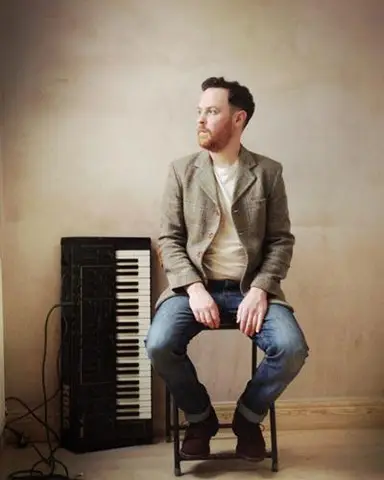
Après un stage auprès de Dave Allen, producteur de Depeche Mode et The Cure, John a eu envie d'étudier la Music Technology à Londres. Sa carrière musicale a décollé après une signature réussie chez CookShop Records, où il a sorti 9 singles et un album en 2007 salué par Q, Uncut et Lowdown Magazine, en plus d'être diffusé sur XFM et Radio One. John a commencé à se former comme ingénieur du son au studio Bonafide en 2005, où il a affiné son talent, avant de fonder Jackdaw Recordings plus tard la même année. Il a collaboré avec de nombreux artistes à succès et, en 2007, a commencé à jouer pour le musicien pop Patrick Wolf, se produisant dans des salles de premier plan au Royaume-Uni et à l'international — dont The Astoria et le Shepherds Bush Empire. Depuis son studio londonien, John compose désormais de la musique, avec deux autres sorties chez CookShop, assure l'ingénierie du son pour des artistes en vue et conçoit le design sonore de publicités télévisées, de films, de pièces de théâtre et de vidéos d'entreprise. Ce mélange rare d'auteur-compositeur, de producteur et d'ingénieur de studio en activité est précisément ce que John apporte à son enseignement. Dans Creative Composition & Production in Ableton Live et Creative Sampling & Production in Ableton Live, il te montre comment il transforme des idées brutes en morceaux finis, prêts à sortir — l'écriture, le sampling, le design sonore et le savoir-faire concret de l'ingénierie derrière un disque professionnel. read more