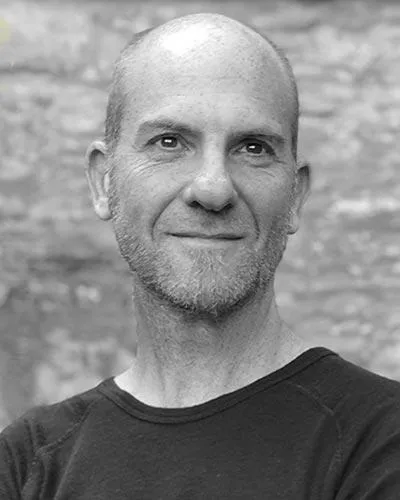
Que fait un producteur ? – Andrew Hunt

Avec
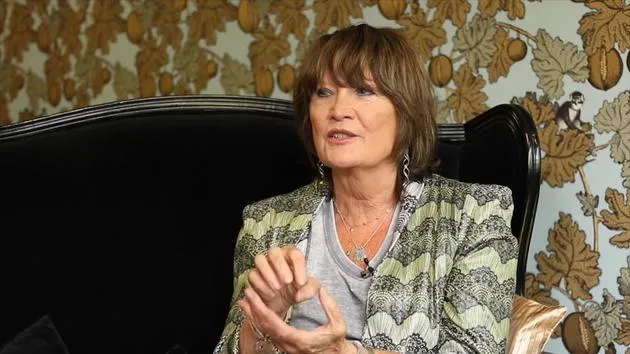
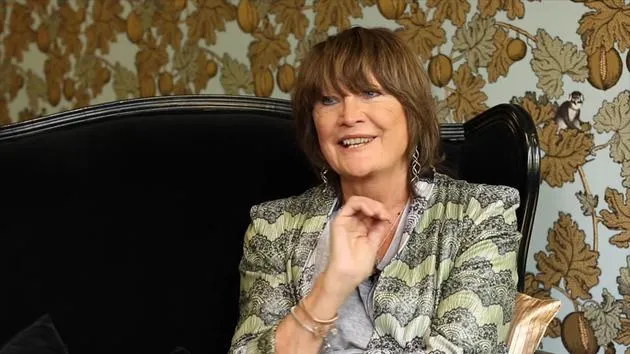
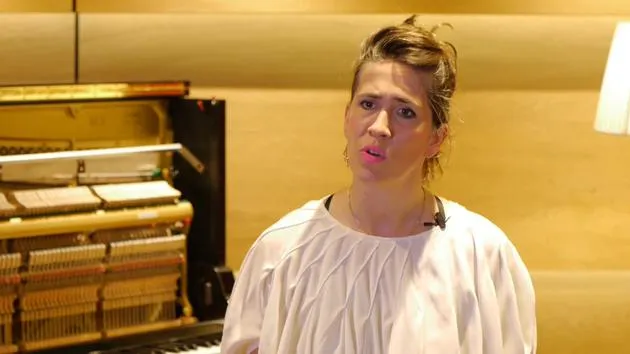
Katie MeluaAndrew Hunt, de la Music Producers Guild, explique comment le rôle du producteur a évolué : de la direction de la session à celui de partenaire créatif et de mentor.
Le contenu du cours
40 leçons (2h 33min) · 1 gratuites
01. Se lancer : scènes ouvertes et concerts non rémunérés
2:10
02. Devenir des héros locaux et organiser des tournées
6:12
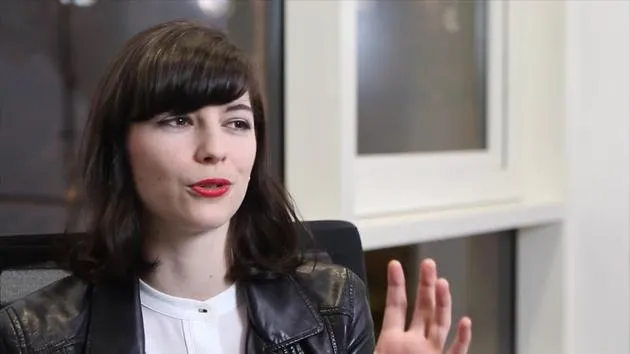
03. Faire preuve de créativité pour les concerts
3:44
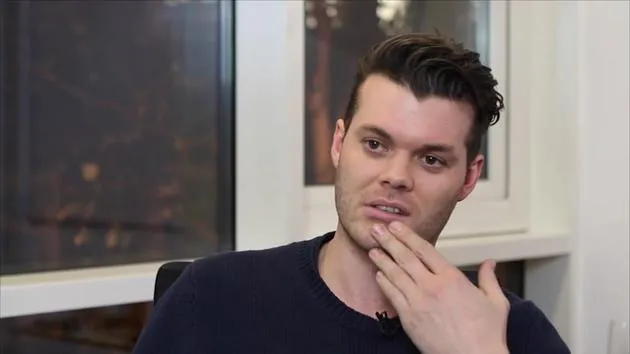
04. Présence scénique – Jeremy d'Everything Everything
2:21
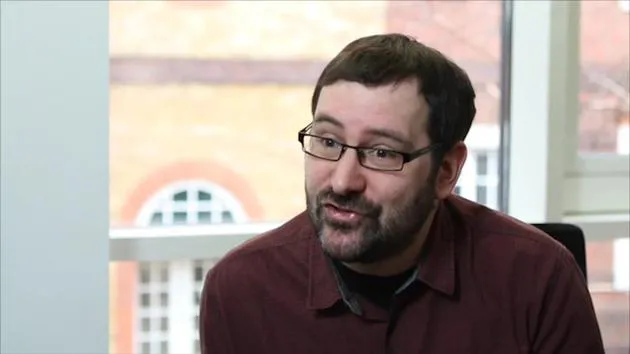
05. Tirer parti de ton public
4:50
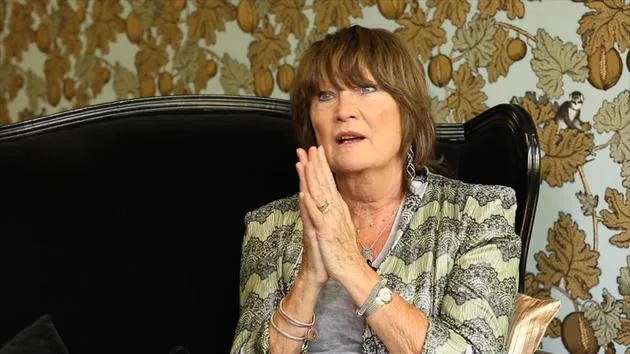
06. S'adresser directement aux fans
5:32
07. Connaître ton public en ligne et exploiter efficacement les données
10:31
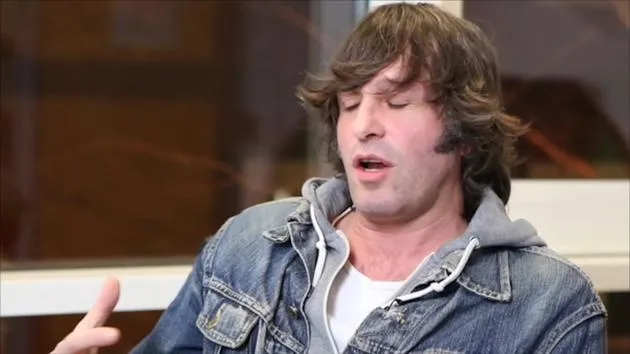
01. Que fait un producteur ? – Andrew Hunt
Tu es ici3:41
02. Comment trouver un producteur
5:08
03. Obtenir de l'aide à la production sans argent
3:43
04. Conclure un accord avec un producteur
3:43
05. Le processus de production étape par étape
11:34
06. Ne pas se sentir mis de côté par des collaborateurs plus expérimentés
1:17
01. L'autoproduction – Roxanne de Bastion
3:45
02. Qu'est-ce qu'un distributeur
4:16
03. Décrocher un contrat de label
2:54
04. Choisir un distributeur
2:33
05. Grandes maisons de disques vs indépendants
7:15
06. Streaming - La vision à long terme et obtenir un bon accord
6:55
07. Modèles alternatifs de distribution
2:42
Transcription de la leçon
Music Production Insights from Andrew Hunt
Introduction
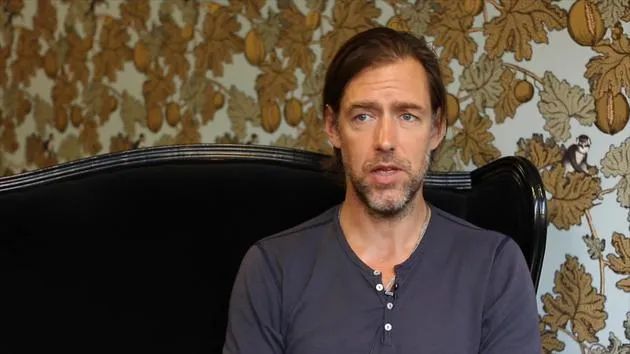
My name is Andrew Hunt. I'm a record producer, engineer, musician, and the executive director of the Music Producers Guild. The Music Producers Guild is an organization established to address the needs of:
- Producers
- Engineers
- Mastering engineers
- Remixers
- Programmers
...and anyone else working within the industry on that side of it. It operates similarly to the Musicians' Union or the FAC, but is specifically tailored for producers and engineers.
The Role of a Producer
Producing is not just about sound; it encompasses various aspects, including:
- Project management
- Finding the right studio
- Locating the right players
- Managing budgets
...and having a vision for the soundscape.
As budgets have become increasingly tighter, producers have had to take on more responsibilities. Personally, I program, engineer, make beats, and produce. However, there are producers who historically acted as coordinators, contacting the right musicians at the right time without having a significant audible contribution to the recording process.
Equipment vs. Skill
Some believe that having the right equipment guarantees a great record. I genuinely think that's nonsense. The key factors in making a great record are:
- Your ears
- Your experience
- Understanding how sound changes
For instance, if you place a microphone here, how does it sound? Place it there, what changes?
While I appreciate quality gear, if you gave me a small desk and a few affordable mics, I could produce a decent record.
My Tools and Process
I primarily use Pro Tools as my Digital Audio Workstation (DAW). However, I firmly believe that great recordings can be made with budget gear. You wouldn't want to rely solely on that, but it's possible.
As you advance in your skills, you start to recognize the limits of your equipment. You may become bored with a certain piece, leading you to seek new tools that can push your creativity. My journey involves:
- Improving knowledge
- Sharpening ears
- Changing tastes
The various pieces of equipment you acquire really just represent your evolving preferences. They don't make the record; you still have to create it.
The Importance of Details
While subtleties in choosing equipment can enhance a record, lacking skills will hinder your ability to make the most of any gear, as you won't grasp the nuances between different pieces of equipment.
Before starting a project, I try to establish a vision for the record, similar to how a designer creates a mood board. This is crucial because:
- It's easy to get sidetracked by exciting new sounds in the studio.
- Reviewing the initial vision helps to determine if we are deviating from our goals.
While happy accidents can sometimes yield fantastic results, it's important to stay aligned with the original intent.
Collaboration in the Studio
The creative process should always be collaborative. My goal isn't to alter their record into something different; it's to make the best record I can for them. We learn from each other, bounce ideas off one another, and strive for excellence together.
40 leçons
2h 33m de leçons vidéo structurées
Fonctions vidéo avancées
Ralentissez, bouclez un passage, suivez la partition
Mobile, tablette et ordinateur
Pratiquez où vous voulez
Satisfaction garantie à 100 %
Garantie remboursement 30 jours
Rencontrez votre guru
Rencontrez votre guru
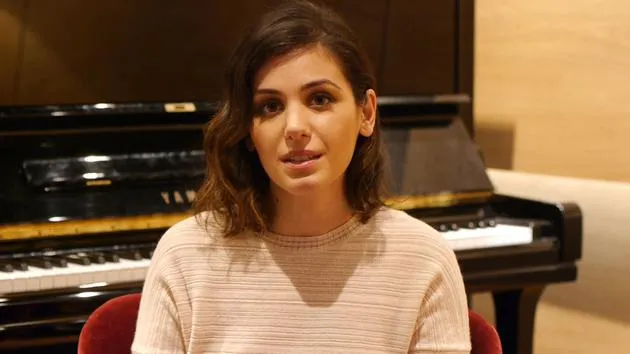
Katie Melua est l'une des artistes les plus populaires du Royaume-Uni, avec plus de 11 millions d'albums vendus dans le monde et une série de disques multi-platine. Née Ketevan Melua à Koutaïssi (Géorgie) en 1984, elle s'installe enfant à Belfast avec sa famille, puis étudie à la BRIT School de Londres, où elle est découverte par l'auteur-compositeur et producteur Mike Batt.
Son premier album, 'Call Off the Search' (2003), sorti alors qu'elle n'a que 19 ans, reste six semaines en tête des ventes au Royaume-Uni et est certifié six fois platine, porté par le tube 'The Closest Thing to Crazy'. Son successeur, 'Piece by Piece' (2005), domine les classements à travers l'Europe et contient sa chanson emblématique 'Nine Million Bicycles'. En 2006, elle entre dans le livre Guinness des records en donnant le concert sous-marin le plus profond jamais organisé, à 303 mètres sous le niveau de la mer, sur une plateforme gazière de la mer du Nord.
Suit une remarquable série d'albums classés dans le top 10 — 'Pictures' (2007), 'The House' (2010, produit par William Orbit), 'Secret Symphony' (2012) et 'Ketevan' (2013) — au fil desquels Melua affine un son qui navigue avec aisance entre jazz, folk et grande tradition pop. 'In Winter' (2016), enregistré en Géorgie avec le Gori Women's Choir et produit par ses soins, révèle une nouvelle profondeur dans son art.
Ses œuvres récentes sont ses plus personnelles : 'Album No. 8' (2020) et 'Love & Money' (2023) ont reçu parmi les meilleures critiques de sa carrière, et 'Live at the Royal Albert Hall' (2024) célèbre deux décennies au sommet de la musique britannique. Elle reste une interprète captivante sur scène, en tournée constante en Europe et au-delà.