Se lasser des chansons, garder de la fraîcheur

Avec
Katie Melua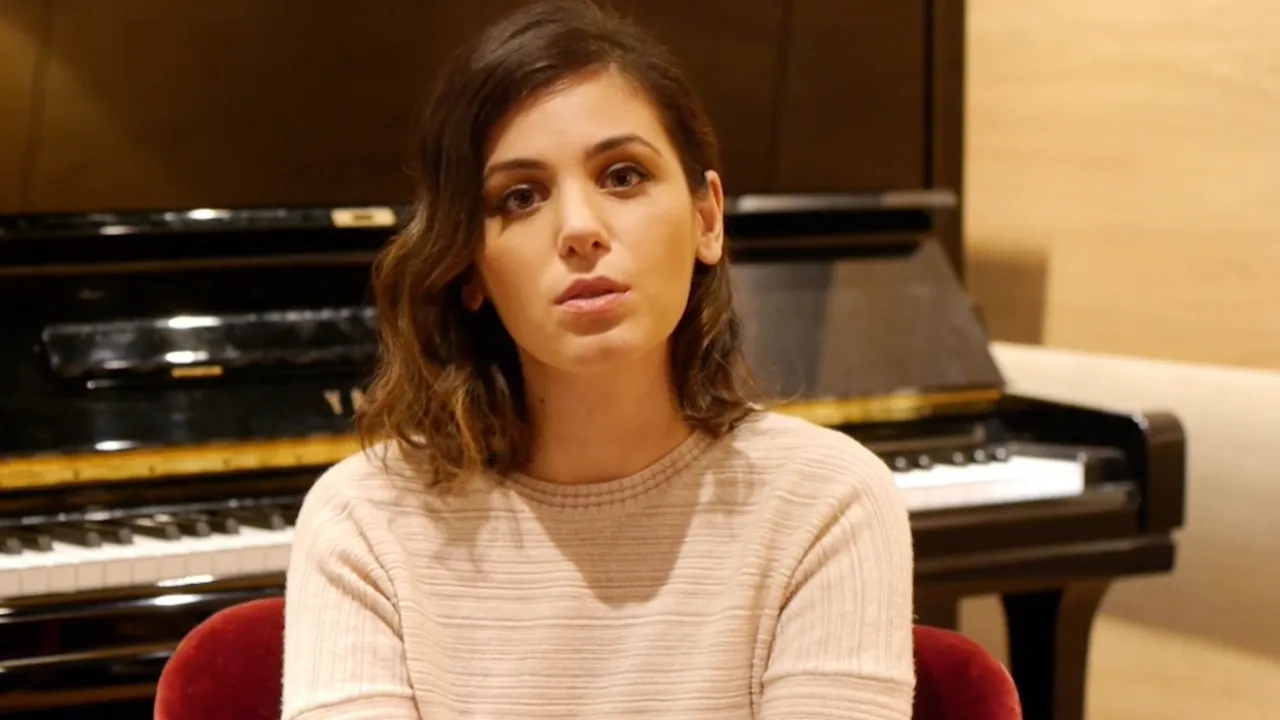
Le contenu du cours
40 leçons (2h 33min) · 1 gratuites
01. Se lancer : scènes ouvertes et concerts non rémunérés
2:10
02. Devenir des héros locaux et organiser des tournées
6:12
03. Faire preuve de créativité pour les concerts
3:44
04. Présence scénique – Jeremy d'Everything Everything
2:21

05. Tirer parti de ton public
4:50
06. S'adresser directement aux fans
5:32
07. Connaître ton public en ligne et exploiter efficacement les données
10:31
01. Que fait un producteur ? – Andrew Hunt
3:41
02. Comment trouver un producteur
5:08
03. Obtenir de l'aide à la production sans argent
3:43
04. Conclure un accord avec un producteur
3:43
05. Le processus de production étape par étape
11:34
06. Ne pas se sentir mis de côté par des collaborateurs plus expérimentés
1:17
01. L'autoproduction – Roxanne de Bastion
3:45

02. Qu'est-ce qu'un distributeur
4:16
03. Décrocher un contrat de label
2:54
04. Choisir un distributeur
2:33
05. Grandes maisons de disques vs indépendants
7:15
06. Streaming - La vision à long terme et obtenir un bon accord
6:55
07. Modèles alternatifs de distribution
2:42


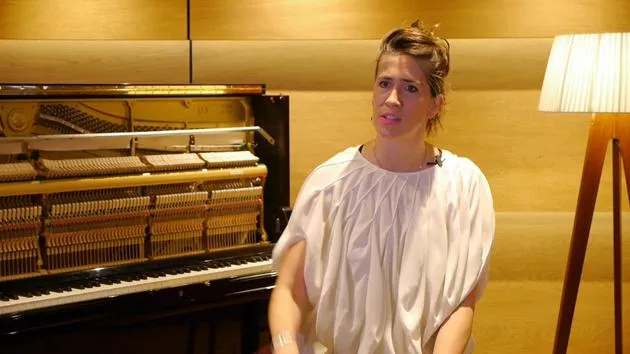
Transcription de la leçon
Embracing Musical Adaptations on Stage
I don't tend to get tired with the songs that I'm playing because I've, over the years, realized I don't have to make it sound like it is on the record.
The Importance of Authenticity
- If I try to make it sound like it is on the record, it's going to sound like a bad version of what's on the record.
- It's often, maybe to the annoyance of some fans, that it's not exactly like it is on the record.
- But mostly, people just appreciate that you're there, you're singing the words and the melody that people love.
Connecting through Emotion
The sentiment is there, the emotion is there, and the connection is there. It's good that you build a new memory with a new version of that song on the road.
Variability in Performance
So, I don't tend to regurgitate the same exact version as on the record. And to be honest, it would be absolutely impossible to do that anyway because it's so layered.
- I think for bands, it's a little bit easier because the texture of the band generally goes on the road, and all of those sounds are pretty much available to recreate.
- Maybe not like crazy production or gating or different effects and things like that, unless you have a really good sound engineer.
Collaborating with Local Talent
So, yeah, I always take different musicians. Sometimes I take one same musician, a percussionist that I love to use.
- Generally, I also use local musicians and I pay them so that we can have that local connection.
- The people in the audience also go, "Oh, that's somebody from our town."
I've often had a local choir come on and sing a song called Earth and maybe they'll sing The Listening Chair the next time, just to shake it up.
Keeping the Experience Fresh
Yeah, just to kind of shake it up. It can get tiresome, so I think we build in our mechanisms, and one of them is inviting local musicians or just changing the arrangement.
40 leçons
2h 33m de leçons vidéo structurées
Fonctions vidéo avancées
Ralentissez, bouclez un passage, suivez la partition
Mobile, tablette et ordinateur
Pratiquez où vous voulez
Satisfaction garantie à 100 %
Garantie remboursement 30 jours
Rencontrez votre guru
Rencontrez votre guru
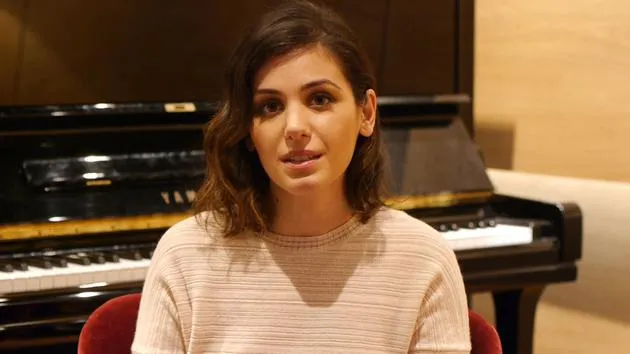
Katie Melua est l'une des artistes les plus populaires du Royaume-Uni, avec plus de 11 millions d'albums vendus dans le monde et une série de disques multi-platine. Née Ketevan Melua à Koutaïssi (Géorgie) en 1984, elle s'installe enfant à Belfast avec sa famille, puis étudie à la BRIT School de Londres, où elle est découverte par l'auteur-compositeur et producteur Mike Batt.
Son premier album, 'Call Off the Search' (2003), sorti alors qu'elle n'a que 19 ans, reste six semaines en tête des ventes au Royaume-Uni et est certifié six fois platine, porté par le tube 'The Closest Thing to Crazy'. Son successeur, 'Piece by Piece' (2005), domine les classements à travers l'Europe et contient sa chanson emblématique 'Nine Million Bicycles'. En 2006, elle entre dans le livre Guinness des records en donnant le concert sous-marin le plus profond jamais organisé, à 303 mètres sous le niveau de la mer, sur une plateforme gazière de la mer du Nord.
Suit une remarquable série d'albums classés dans le top 10 — 'Pictures' (2007), 'The House' (2010, produit par William Orbit), 'Secret Symphony' (2012) et 'Ketevan' (2013) — au fil desquels Melua affine un son qui navigue avec aisance entre jazz, folk et grande tradition pop. 'In Winter' (2016), enregistré en Géorgie avec le Gori Women's Choir et produit par ses soins, révèle une nouvelle profondeur dans son art.
Ses œuvres récentes sont ses plus personnelles : 'Album No. 8' (2020) et 'Love & Money' (2023) ont reçu parmi les meilleures critiques de sa carrière, et 'Live at the Royal Albert Hall' (2024) célèbre deux décennies au sommet de la musique britannique. Elle reste une interprète captivante sur scène, en tournée constante en Europe et au-delà.