



Le faire soi-même - le DIY et au-delà

Lesson time: (4min 8sec)
Pourquoi le DIY ne signifie pas tout faire seul, et comment faire bouger les choses par toi-même, avec des amis créatifs qui donnent un coup de main, attire l'attention des managers et des agents.
Course preview
This lesson is part of the course Deviens musicien professionnel
Watch a preview of the full course below.
Lesson transcript:
The DIY Approach to Music
I think it's a really great time to make music because we have so many tools available to use. However, the term "DIY" can feel like a bit of a curse.
The Reality of the Music Industry
You've never been able to just lean back, make your music, and expect a limousine to roll up with someone handing you a record deal. I don't think that was ever the case. There's so much smoke and mirrors in the music industry that it often overshadows the hard work required to reach success.
To me, what DIY means is:
- You don't sit back and wait for something to happen.
- You have to get up and make things happen for yourself.
Taking Action
- Start playing shows.
- Start recording.
- Put things out into the world.
- Make connections: with musicians and with the people that like your music.
I believe these relationships are the most important, and everything else will follow.
The Role of Business Partners
We're not saying that artists should handle every single aspect of their careers on their own, certainly not forever. In most cases, that's not realistic from the beginning.
However, new artists, especially at the start of their careers, often must manage their own business. Eventually, most artists aspire to have:
- A manager to oversee the business side.
- A record label.
- A publisher.
- An agent and a promoter.
These business partners help with various aspects of the career, but initially, you'll have none of them.
The First Step: Getting Management
At our events, I often hear that new artists believe their first deal should be a record deal. I always say:
"No, the first person you need is a manager."
Before you even think about doing a label deal, you need to secure management.
Getting a Manager
When new artists ask, "How do I get a manager?" the typical response from managers is:
"When you're ready, we'll come and find you."
While this may not seem helpful, it does carry weight. It means that as a new artist, you need to start doing things both creatively and commercially to get noticed, not just by fans and bloggers, but also by managers and agents.
Building Your Career
This means:
- Writing your songs.
- Recording your songs.
- Distributing your songs, not only through SoundCloud and YouTube, but also through services like Spotify and iTunes. This is actually very easy to do.
The Importance of Gigging
Perhaps most importantly, gigging is essential.
- Get out there and play. This is your marketing platform.
- While you may not make much money gigging, it's important to understand the landscape.
Many new artists feel discouraged when they hear that pop stars make money from concerts because at the grassroots level, you often lose money playing to small audiences.
Learning and Building
- When you're gigging at pub level to 50 people, it's a learning experience.
- You hone your sound, build a fan base, and meet industry professionals.
For me, this is what the DIY bit is all about:
- Recording your music.
- Getting your content online.
- Having a social media setup.
- Gigging relentlessly to attract business partners.
Once those partners appear, you won't have to do everything on your own.
Collaboration is Key
But, as I say, when I mention doing it yourself:
- Find a photographer to take your photos.
- Find someone passionate about social media to manage your accounts.
- Find a writer to craft content for your website.
Work with other creative individuals who are also at the start of their careers. Realistically, you can't do everything alone.
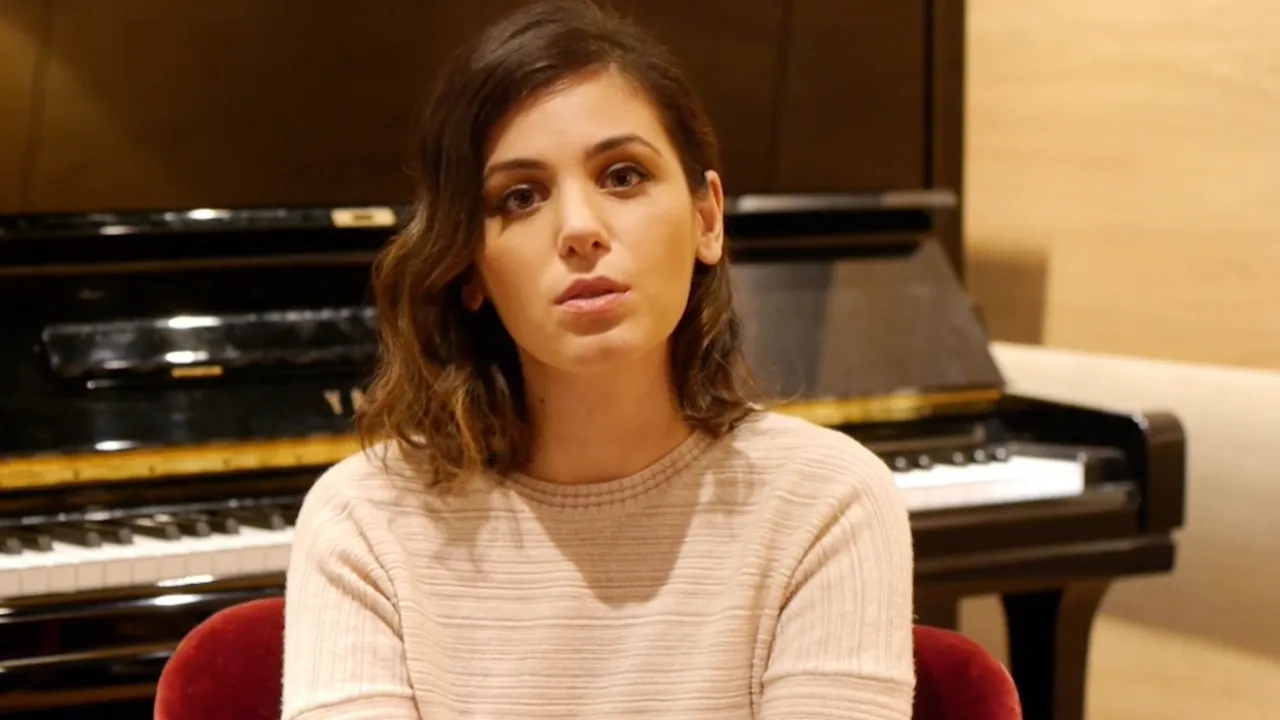
About the instructor
Katie Melua est l'une des artistes les plus populaires du Royaume-Uni, avec plus de 11 millions d'albums vendus dans le monde et une série de disques multi-platine. Née Ketevan Melua à Koutaïssi (Géorgie) en 1984, elle s'installe enfant à Belfast avec sa famille, puis étudie à la BRIT School de Londres, où elle est découverte par l'auteur-compositeur et producteur Mike Batt. Son premier album, 'Call Off the Search' (2003), sorti alors qu'elle n'a que 19 ans, reste six semaines en tête des ventes au Royaume-Uni et est certifié six fois platine, porté par le tube 'The Closest Thing to Crazy'. Son successeur, 'Piece by Piece' (2005), domine les classements à travers l'Europe et contient sa chanson emblématique 'Nine Million Bicycles'. En 2006, elle entre dans le livre Guinness des records en donnant le concert sous-marin le plus profond jamais organisé, à 303 mètres sous le niveau de la mer, sur une plateforme gazière de la mer du Nord. Suit une remarquable série d'albums classés dans le top 10 — 'Pictures' (2007), 'The House' (2010, produit par William Orbit), 'Secret Symphony' (2012) et 'Ketevan' (2013) — au fil desquels Melua affine un son qui navigue avec aisance entre jazz, folk et grande tradition pop. 'In Winter' (2016), enregistré en Géorgie avec le Gori Women's Choir et produit par ses soins, révèle une nouvelle profondeur dans son art. Ses œuvres récentes sont ses plus personnelles : 'Album No. 8' (2020) et 'Love & Money' (2023) ont reçu parmi les meilleures critiques de sa carrière, et 'Live at the Royal Albert Hall' (2024) célèbre deux décennies au sommet de la musique britannique. Elle reste une interprète captivante sur scène, en tournée constante en Europe et au-delà. read more