



Le processus de production étape par étape

Lesson time: (11min 34sec)
Andrew explique comment il réalise un disque du début à la fin, depuis la première rencontre avec un artiste autour d'un café jusqu'à la compréhension de ses goûts et la construction d'un véritable partenariat.
Course preview
This lesson is part of the course Deviens musicien professionnel
Watch a preview of the full course below.
Lesson transcript:
The Record-Making Process: A Journey of Collaboration
Every record I make has a unique process. When I say record, I'm referring to a collection of records, every album, EP, or single I create. The process is always a little different, which is what makes it exciting.
Meeting the Artist
-
Connecting Over Coffee
Generally, I begin by meeting the artist for coffee to talk and see if we connect. If we do, I'll arrange to see them perform live. This allows me to gauge whether we have the potential for a genuine and honest partnership. -
Listening to Their Music
I always want to listen to their songs, often having done so already, otherwise I wouldn't have shown interest. I keep an open mind and try to understand their thoughts and emotions surrounding their music, kind of like reviewing their sketchbook.
Understanding Taste
-
Building a Connection
I host the artist at my place, where we share drinks and music, playing things we both love. It's about understanding musical tastes. The more I know about an artist's preferences, the better the record I can produce for them. -
Exploring Diverse Influences
My taste in music is diverse, and I want to understand why the artist appreciates certain tracks, even if they love something that might seem odd. We don't limit ourselves to records that fit a particular mold; it's about discovering what resonates.
Creating Together
-
Developing a Mood Board
As we create together, I build a mood board to visualize the album or EP, collating the influences we plan to incorporate. We might need additional sessions to discuss soundscapes and refine our vision. -
Budget and Expectations
It's crucial to discuss contracts and budget early on. Many artists come with grand visions that might not be financially feasible. We brainstorm ways to achieve their desired sound within their budget, whether through programming or collaborating with other musicians.
Pre-production Phase
-
Preparing for Recording
Before entering the studio, I work with the band in a rehearsal space, stripping songs down and rebuilding them. This pre-production phase is essential to avoid wasting time and resources in a studio. -
Setting Up for Success
I focus on mic placements, preamps, and room acoustics to ensure the best possible sound. The tracking session is where we build the overall structure, ensuring each piece fits together cohesively.
The Recording Process
-
Tracking and Collaboration
Throughout the recording process, I encourage feedback and communication. It's a collaborative effort, if an artist dislikes a certain element, it's crucial they express that right away. -
Engineering and Mixing
I often engineer the recordings unless the budget allows for an additional engineer. Mixing follows, where my goal is to maintain the song's integrity while enhancing its detail and texture.
Mastering: The Final Touch
-
Building Relationships
After mixing, I send the tracks to a mastering engineer, which I believe is a vital part of the process. I value building a relationship with them, discussing the project's intent, and how they can refine the work. -
Final Adjustments
The mastering engineer listens to the tracks for balance and consistency, ensuring they sit well together. This final stage involves adjusting track spacings and making necessary tweaks until we're satisfied with the full body of work.
Conclusion
The journey of making a record is one of collaboration, communication, and creativity. By working closely with artists from the very start, we create music that resonates deeply, allowing both the artist and myself to realize our shared vision. I cherish the intricate process and the relationships built along the way, ultimately leading to a unique and impactful final product.
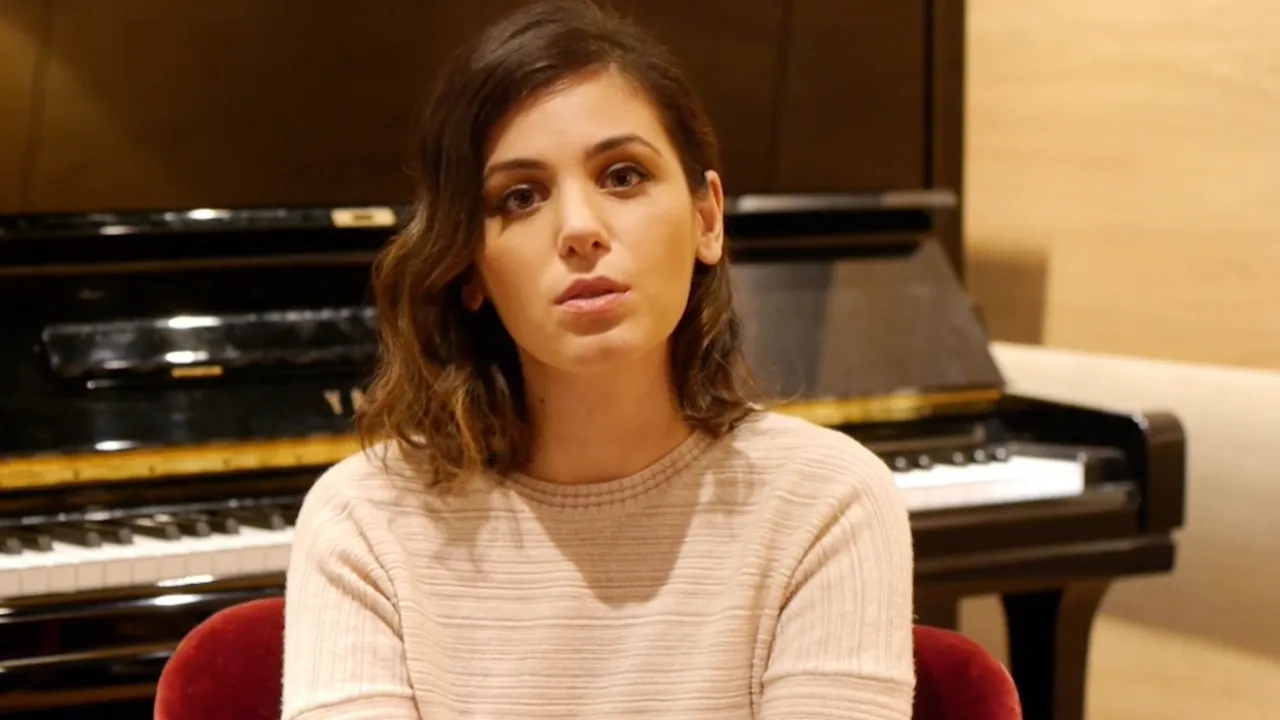
About the instructor
Katie Melua est l'une des artistes les plus populaires du Royaume-Uni, avec plus de 11 millions d'albums vendus dans le monde et une série de disques multi-platine. Née Ketevan Melua à Koutaïssi (Géorgie) en 1984, elle s'installe enfant à Belfast avec sa famille, puis étudie à la BRIT School de Londres, où elle est découverte par l'auteur-compositeur et producteur Mike Batt. Son premier album, 'Call Off the Search' (2003), sorti alors qu'elle n'a que 19 ans, reste six semaines en tête des ventes au Royaume-Uni et est certifié six fois platine, porté par le tube 'The Closest Thing to Crazy'. Son successeur, 'Piece by Piece' (2005), domine les classements à travers l'Europe et contient sa chanson emblématique 'Nine Million Bicycles'. En 2006, elle entre dans le livre Guinness des records en donnant le concert sous-marin le plus profond jamais organisé, à 303 mètres sous le niveau de la mer, sur une plateforme gazière de la mer du Nord. Suit une remarquable série d'albums classés dans le top 10 — 'Pictures' (2007), 'The House' (2010, produit par William Orbit), 'Secret Symphony' (2012) et 'Ketevan' (2013) — au fil desquels Melua affine un son qui navigue avec aisance entre jazz, folk et grande tradition pop. 'In Winter' (2016), enregistré en Géorgie avec le Gori Women's Choir et produit par ses soins, révèle une nouvelle profondeur dans son art. Ses œuvres récentes sont ses plus personnelles : 'Album No. 8' (2020) et 'Love & Money' (2023) ont reçu parmi les meilleures critiques de sa carrière, et 'Live at the Royal Albert Hall' (2024) célèbre deux décennies au sommet de la musique britannique. Elle reste une interprète captivante sur scène, en tournée constante en Europe et au-delà. read more