



Conclure un accord avec un producteur

Lesson time: (3min 43sec)
Course preview
This lesson is part of the course Deviens musicien professionnel
Watch a preview of the full course below.
Lesson transcript:
Understanding Contracts in the Music Industry
So as far as contracts go, there are certain things you can expect to see and certain things that you should be cautious of. The contract can either be with the producer or with the label if you're signed.
The Basic Agreement
- If you're signed to a label, then it's the label that will be doing the contractual agreement with the producer.
- It is an agreement because you're agreeing to do a particular thing at a particular time.
Songwriting vs. General Agreements
- If you're songwriting, it's a deed ? like owning a house. You've got to.
- It's different in every case because you have to try and work out, as an artist, what you've got to offer.
- That agreement should always be mutual.
Key Considerations in Producer-Artist Agreements
There are often elements in producer-artist agreements that are beneficial for the artist, not just the producer. Here are some things to keep in mind:
-
Question Uncomfortable Terms:
Anything that you feel uncomfortable with as an artist, you should always just question and ask people. -
Seek Help:
There are loads of solicitors and lawyers that will help you with that.
Standard Practices
Some standard practices include:
-
Royalties:
Although most of the time people stream music now, you should be looking at a royalty for the producer on that, which is really standard. -
Record Sales:
You should also expect royalties on record sales. -
Publishing Shares:
Quite often these days, there will be publishing shares as well, just because budgets have gone down. If an artist hasn't got enough money and they're not going to sell records, they can often say, "Okay, well, I'll give you some of the publishing because of your input onto this record."
The Producer-Artist Relationship
- It comes down to the relationship you've got with the producer and you need to feel safe from both sides.
- The producer shouldn't give you the feeling that they're out to rip you off.
Payment Structure
- It's quite standard to have 50% upfront and 50% when you've finished, but this can change all the time.
The Importance of Contracts
The main thing is that you should feel comfortable. If there's anything you look at as an artist, just ask the producer or ask the label, because it's there for both of you. It's there to look after both of you in case something goes wrong.
If things don't go wrong, you don't need a contract, but if they do, then you do.
Types of Contracts
- Contracts shouldn't be huge. You can start off with something called a heads of agreement or something that's very, very simple.
- It should set out some basic terms, such as, "We're going to make a demo and then we're going to tout it around to try and get a recording contract."
You can express these terms in very simple English; it doesn't have to be complex.
Performing Producer Royalty
In that process, I will tell whoever I'm working with right from the start that I will be claiming for my performing producer royalty because that's the kind of producer I am.
Understanding Performing Producers
- The term performing producer mainly applies to organizations like PPL. They are a collection agency that collects from anywhere wanting to play a record, such as a bar, restaurant, or caf?.
- In the UK, there are other organizations throughout different territories of the world, but in the UK, it's PPL that collects a license that gets distributed by the creators of the recording: the artist, musicians, and the producer.
Entitlement to PPL
-
If you are a performing producer, you're entitled to PPL. If you're not a performing producer, you're not entitled to PPL.
-
What does it mean to be a Performing Producer?
It doesn't refer to playing an instrument or performing a dance; it's about whether they contributed to the audio during the recording process. If they have, then the term used is a performance on the recording.
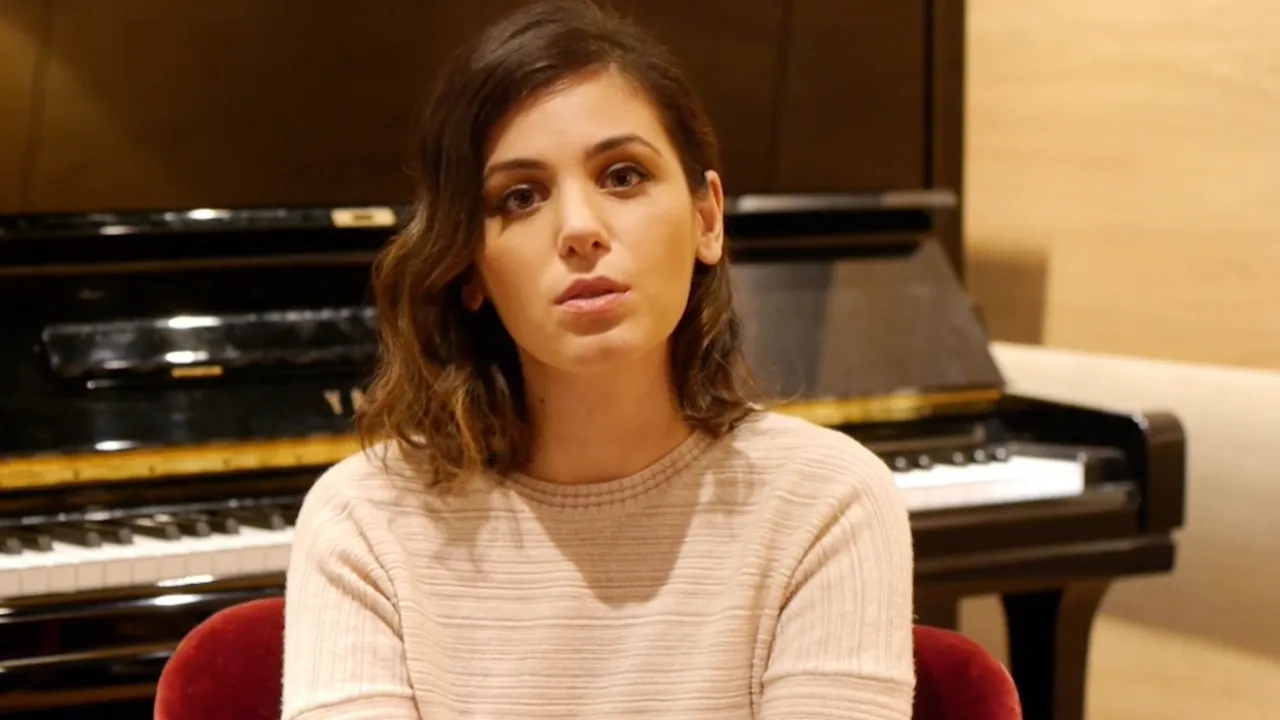
About the instructor
Katie Melua est l'une des artistes les plus populaires du Royaume-Uni, avec plus de 11 millions d'albums vendus dans le monde et une série de disques multi-platine. Née Ketevan Melua à Koutaïssi (Géorgie) en 1984, elle s'installe enfant à Belfast avec sa famille, puis étudie à la BRIT School de Londres, où elle est découverte par l'auteur-compositeur et producteur Mike Batt. Son premier album, 'Call Off the Search' (2003), sorti alors qu'elle n'a que 19 ans, reste six semaines en tête des ventes au Royaume-Uni et est certifié six fois platine, porté par le tube 'The Closest Thing to Crazy'. Son successeur, 'Piece by Piece' (2005), domine les classements à travers l'Europe et contient sa chanson emblématique 'Nine Million Bicycles'. En 2006, elle entre dans le livre Guinness des records en donnant le concert sous-marin le plus profond jamais organisé, à 303 mètres sous le niveau de la mer, sur une plateforme gazière de la mer du Nord. Suit une remarquable série d'albums classés dans le top 10 — 'Pictures' (2007), 'The House' (2010, produit par William Orbit), 'Secret Symphony' (2012) et 'Ketevan' (2013) — au fil desquels Melua affine un son qui navigue avec aisance entre jazz, folk et grande tradition pop. 'In Winter' (2016), enregistré en Géorgie avec le Gori Women's Choir et produit par ses soins, révèle une nouvelle profondeur dans son art. Ses œuvres récentes sont ses plus personnelles : 'Album No. 8' (2020) et 'Love & Money' (2023) ont reçu parmi les meilleures critiques de sa carrière, et 'Live at the Royal Albert Hall' (2024) célèbre deux décennies au sommet de la musique britannique. Elle reste une interprète captivante sur scène, en tournée constante en Europe et au-delà. read more