



Branding sonoro y qué es un brief. Caso práctico: Ollie Raphael

Con
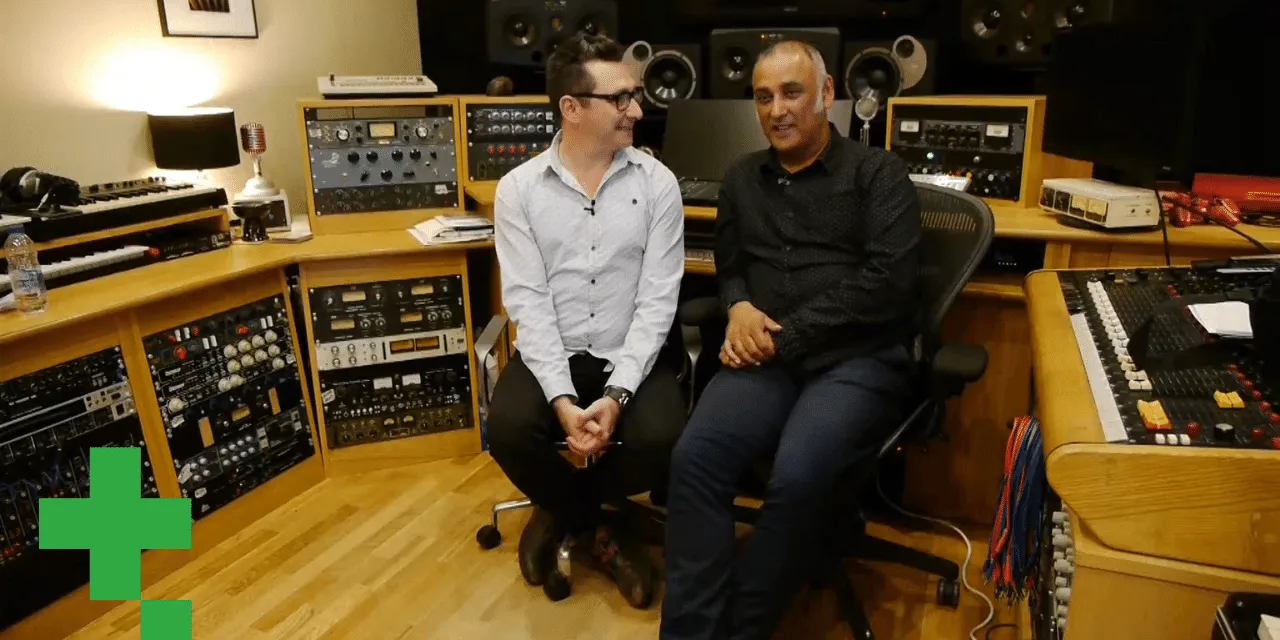
Jay MistryUna entrevista de caso práctico con Ollie Raphael de Delicious Digital sobre cómo trabaja una agencia de branding sonoro, qué es un brief y cómo responder a uno.
Qué incluye el curso
21 lecciones (4h 21m) · 1 gratis
01. Introducción con Harry Leckstein y Jay Mistry
11:37
02. Una breve historia de la edición musical
6:10
03. Copyright (tipos de derechos) y royalties
Lección gratis11:19
04. Consejos para artistas: cobrar y trabajar con editoriales
15:35
05. Anticipos, exclusividad y tipos de contratos editoriales
14:27
06. Empezar por tu cuenta
3:01
07. El mercado de los videojuegos
2:55
08. Entender los contratos de edición musical
11:51
09. El mundo del Sync
8:23
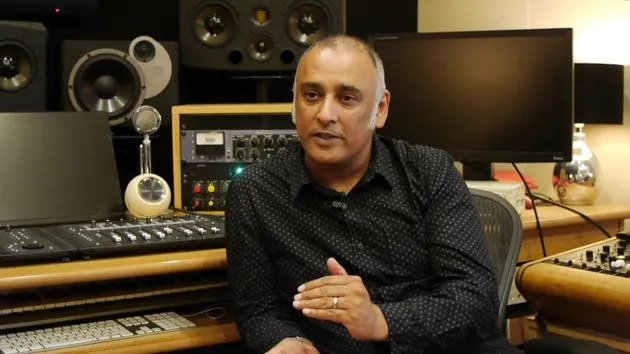
10. Branding sonoro y qué es un brief. Caso práctico: Ollie Raphael
Estás aquí3:54
11. Descifrador de la jerga del Sync y desmontador de mitos
8:38
12. Entender los roles dentro de la industria de la TV y el cine
11:43
13. Últimos consejos
9:43

01. Entrevista con Ollie Raphael: Delicious Digital y el trabajo con la radio
11:38
02. Entrevista con Dan Mallender (Phase Music) - Música, promos y tráilers para las industrias de TV, radio, cine y videojuegos
16:04
03. Entrevista con Rachel Menzies - Supervisión musical
11:19
04. Entrevista con Richard Ford (Anger Music) - Trabajar con compositores
16:23
05. Entrevista con Stuart Belsham - Descubre la PRS
37:15
06. Entrevista con Alessio Nanni (vía Skype) - Pianista y compositor
15:02
07. Entrevista con Rob Manning (por Skype) - Compositor de cine y TV
15:23

08. Entrevista con Xiaotian Shi (por Skype) - Compositor de cine y TV
18:40
Transcripción de la lección
Interview with Ollie from Delicious Digital
You've got a number of interviews that go along with this course from various people, and one of them is Ollie from Delicious Digital.
Introduction to Delicious Digital
Tell us a bit about what Delicious does and how companies like that operate.
- They are mainly a bespoke agency.
- They work in branding and TV branding.
- Recently, they've completed a deal with the BBC for the radio station 5 Live.
This partnership is significant because they are doing all their sonic branding.
What is Sonic Branding?
Sonic branding basically means that anything to do with that station, they will write the music for, to give it an identity. Listeners will recognize the music as part of 5 Live, which is a very big deal.
- Sonic branding is often seen as part of sync music, which also includes music for film, TV, or advertisements.
- Would I be right in thinking it's similar to that Intel sound?
Yes, the mnemonics.
The Importance of Sonic Notes
It's clear that this is a massive market. You might think that creating those three or four notes could take just a few minutes. However, you'd be surprised to learn that:
- Those few notes can take weeks to craft.
- Composing a few notes to represent a brand can be much harder than writing a full song.
Those notes must encapsulate the brand's identity in just four to eight notes, which is a fascinating challenge.
Practice Exercise for Students
For those watching this, consider practicing this concept by:
- Thinking about existing brands.
- Looking at their logos.
- Imagining what a sonic branding sound or sequence of sounds would be like.
Emulating Sonic Branding
If you listen to TV stations or advertisements, you can hear that sonic branding.
- Trying to emulate that can provide valuable training.
- It's similar to watching trailers or documentaries.
- Aim to understand the type of music that fits and consider how you could create something similar or even better.
Working in the Industry
As people start to delve into this world, they often work with publishers or for companies like Ollie's bespoke agency.
Understanding the Brief
This industry receives many briefs.
- What is a brief?
A brief is a description of what a brand or company wants.
Components of a Brief
- Briefs can be sent in various ways, usually as an email. For example, a brief might say:
- "We're going to rebrand a channel."
- It highlights specifics that the music should depict.
A brief can also accompany a TV series or film, providing a synopsis to guide the composer.
Final Notes: On this course page, you'll find some examples of briefs that you can check out to get a better understanding of how they work.
21 lecciones
4h 21m de lecciones en vídeo estructuradas
Funciones de vídeo avanzadas
Ralentiza, repite un pasaje, sigue la partitura
Móvil, tablet y ordenador
Practica donde quieras
Garantía de satisfacción 100%
30 días de garantía de devolución
Conoce a tu gurú
Conoce a tu gurú
Jay Mistry es un veterano de la industria musical con 30 años de trayectoria y domina la mayoría de los aspectos del negocio de la música.
Jay comenzó su carrera en la Performing Right Society antes de incorporarse a BMG Music Publishing, donde se le pidió que montara el departamento de seguimiento de ingresos desde cero. En 2003 constituyó Musical Sleuth Ltd, el primer servicio independiente de seguimiento de royalties de su clase, que tuvo entre sus clientes a Eric Clapton y The Beatles.
Tras dominar las complejidades del copyright y los royalties, se pidió a Jay que se convirtiera en Director of Music Services en The Discovery Channel en 2009. Su éxito en Discovery llevó a los emprendedores neoyorquinos Jingle Punks a incorporarlo para montar y estabilizar su operación de edición en EE. UU. mientras construían su red global de recaudación. Jay asesora actualmente a una variedad de compositores de alto nivel, bibliotecas musicales, productores de cine, editoriales y plataformas tecnológicas.
En A Guide To Music Publishing And Synchronization, Jay destila tres décadas desde dentro del negocio en una orientación clara y práctica, mostrándote cómo funcionan realmente la edición, el copyright, los royalties y los acuerdos de sync, y cómo hacer que trabajen a tu favor.







