



Empezar por tu cuenta

Con
Jay Mistry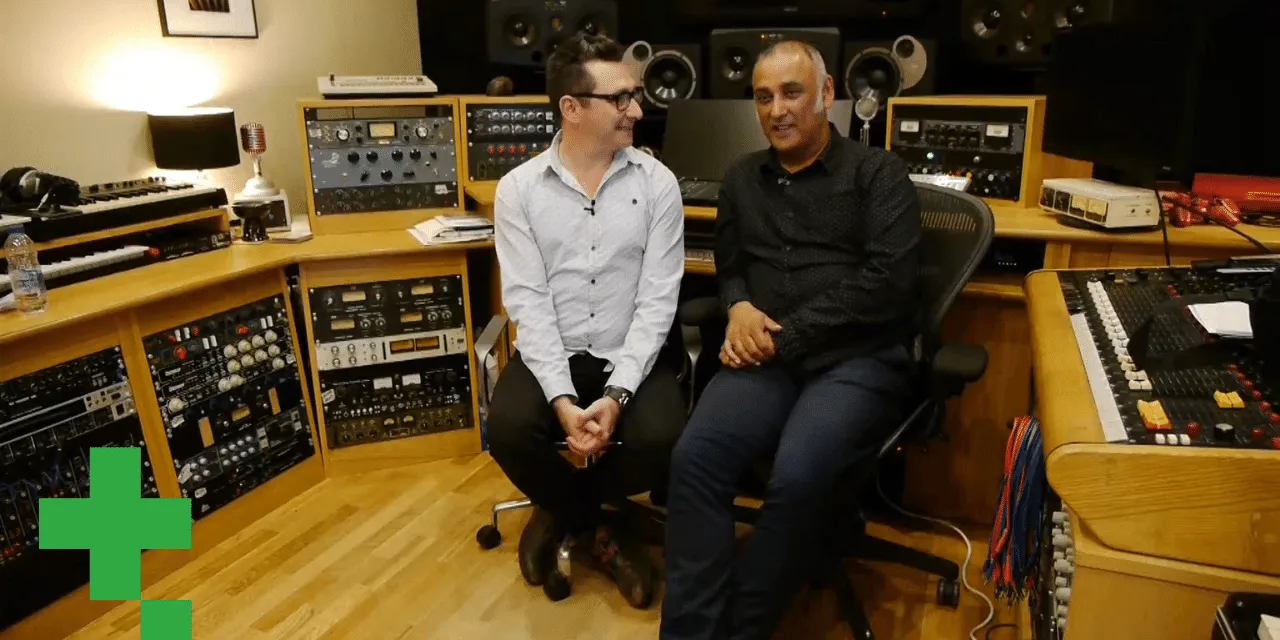
Qué incluye el curso
21 lecciones (4h 21m) · 1 gratis
01. Introducción con Harry Leckstein y Jay Mistry
11:37
02. Una breve historia de la edición musical
6:10
03. Copyright (tipos de derechos) y royalties
Lección gratis11:19
04. Consejos para artistas: cobrar y trabajar con editoriales
15:35
05. Anticipos, exclusividad y tipos de contratos editoriales
14:27
06. Empezar por tu cuenta
Estás aquí3:01
07. El mercado de los videojuegos
2:55
08. Entender los contratos de edición musical
11:51
09. El mundo del Sync
8:23
10. Branding sonoro y qué es un brief. Caso práctico: Ollie Raphael
3:54
11. Descifrador de la jerga del Sync y desmontador de mitos
8:38
12. Entender los roles dentro de la industria de la TV y el cine
11:43
13. Últimos consejos
9:43
01. Entrevista con Ollie Raphael: Delicious Digital y el trabajo con la radio
11:38
02. Entrevista con Dan Mallender (Phase Music) - Música, promos y tráilers para las industrias de TV, radio, cine y videojuegos
16:04
03. Entrevista con Rachel Menzies - Supervisión musical
11:19
04. Entrevista con Richard Ford (Anger Music) - Trabajar con compositores
16:23
05. Entrevista con Stuart Belsham - Descubre la PRS
37:15
06. Entrevista con Alessio Nanni (vía Skype) - Pianista y compositor
15:02
07. Entrevista con Rob Manning (por Skype) - Compositor de cine y TV
15:23
08. Entrevista con Xiaotian Shi (por Skype) - Compositor de cine y TV
18:40
Transcripción de la lección
Taking Initiative in Songwriting
I suppose, you know, just taking your own initiative. If people are listening to this and thinking, "Well, that's amazing, but I'm not signed to a publisher," let me tell you:
- Form a Collective: You can get together with some mates or other people you know who write music.
- Diverse Collaboration: If you've spent all of your time writing hip hop, consider collaborating with somebody who writes folk, or whatever genre inspires you.
You can absolutely do this independently. You don't necessarily need to be signed to attend a songwriting camp.
Creative Process
Oh, right, right! It's really more about the creative process. For example, if we mentioned Notting Hill and John Saunderson is there:
- If you give him something he likes, he's likely to introduce you to other songwriters to elevate your skills.
- You'll be writing with people who do this day in and day out.
- And keep in mind, he hasn't shelled out an advance for you initially.
If you write a great track, he might say, "Well, let's do a single song assignment," as we discussed earlier. Then, you can work from there.
It's a great way to start your research. Earlier, we spoke about researching publishing companies. You might want to find out what kind of sub-publishing deals they offer.
Hallmark of a Good Publisher
Surely, that's a hallmark of a good publisher, someone who organizes lots of songwriter camps and networking events.
- Yes, absolutely! To me, that's what defines a proactive publisher.
We talked about collection deals and admin deals, those where you're basically just registering and collecting. This is one type of publisher.
Behind the Scenes vs. Proactive Publishers
- Behind the Scenes: Almost like the behind-the-scenes publishers.
- Proactive Publishers: Then you have someone like Notting Hill or Downtown, or other firms that are very proactive.
It really depends on what sort of composer you are. If you enjoy an environment where you can do co-writes, that's fantastic.
Do Your Homework
But remember to do your homework, find out what these publishers do.
The other side to consider is the inbox side. A good publisher should have connections with:
- Broadcasters
- Filmmakers
- Ad agencies
Important Note: They should be receiving plenty of briefs and subsequently sending them out.
A&R Departments
Your A&R (Artist & Repertoire) department within a publishing company should know which brief to send to you. They should be familiar with your style and capabilities.
- For instance, if a brief comes in for some folk music or techno, they should know just the right person in their roster to send it to.
This is really important as well, having a good A&R person at a publishing company can make a significant difference in your career.
21 lecciones
4h 21m de lecciones en vídeo estructuradas
Funciones de vídeo avanzadas
Ralentiza, repite un pasaje, sigue la partitura
Móvil, tablet y ordenador
Practica donde quieras
Garantía de satisfacción 100%
30 días de garantía de devolución
Conoce a tu gurú
Conoce a tu gurú
Jay Mistry es un veterano de la industria musical con 30 años de trayectoria y domina la mayoría de los aspectos del negocio de la música.
Jay comenzó su carrera en la Performing Right Society antes de incorporarse a BMG Music Publishing, donde se le pidió que montara el departamento de seguimiento de ingresos desde cero. En 2003 constituyó Musical Sleuth Ltd, el primer servicio independiente de seguimiento de royalties de su clase, que tuvo entre sus clientes a Eric Clapton y The Beatles.
Tras dominar las complejidades del copyright y los royalties, se pidió a Jay que se convirtiera en Director of Music Services en The Discovery Channel en 2009. Su éxito en Discovery llevó a los emprendedores neoyorquinos Jingle Punks a incorporarlo para montar y estabilizar su operación de edición en EE. UU. mientras construían su red global de recaudación. Jay asesora actualmente a una variedad de compositores de alto nivel, bibliotecas musicales, productores de cine, editoriales y plataformas tecnológicas.
En A Guide To Music Publishing And Synchronization, Jay destila tres décadas desde dentro del negocio en una orientación clara y práctica, mostrándote cómo funcionan realmente la edición, el copyright, los royalties y los acuerdos de sync, y cómo hacer que trabajen a tu favor.







