



Entrevista con Dan Mallender (Phase Music) - Música, promos y tráilers para las industrias de TV, radio, cine y videojuegos
Con
Jay MistryUna entrevista con el compositor Dan Mallender, de Phase Music, sobre componer promos y tráilers para TV, radio, cine y videojuegos, desde conseguir un encargo hasta la configuración de su estudio y su proceso.
Qué incluye el curso
21 lecciones (4h 21m) · 1 gratis
01. Introducción con Harry Leckstein y Jay Mistry
11:37
02. Una breve historia de la edición musical
6:10
03. Copyright (tipos de derechos) y royalties
Lección gratis11:19
04. Consejos para artistas: cobrar y trabajar con editoriales
15:35
05. Anticipos, exclusividad y tipos de contratos editoriales
14:27
06. Empezar por tu cuenta
3:01
07. El mercado de los videojuegos
2:55
08. Entender los contratos de edición musical
11:51
09. El mundo del Sync
8:23
10. Branding sonoro y qué es un brief. Caso práctico: Ollie Raphael
3:54
11. Descifrador de la jerga del Sync y desmontador de mitos
8:38
12. Entender los roles dentro de la industria de la TV y el cine
11:43
13. Últimos consejos
9:43
01. Entrevista con Ollie Raphael: Delicious Digital y el trabajo con la radio
11:38
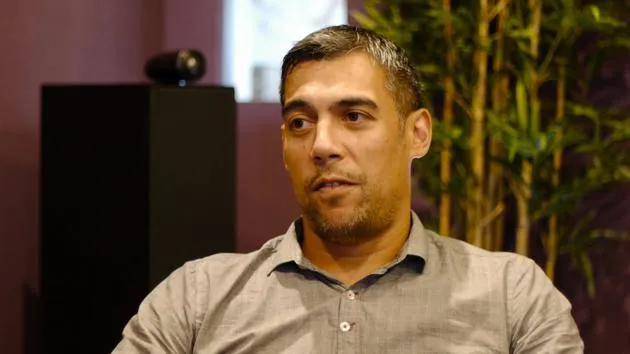
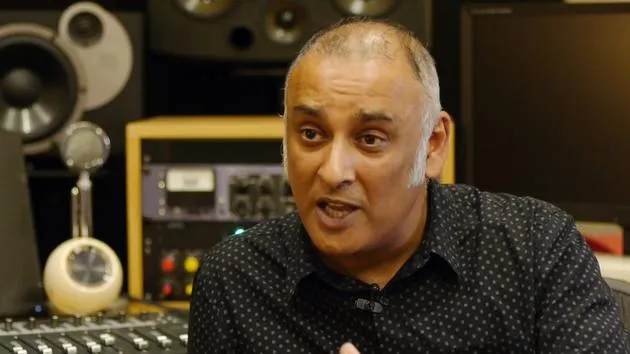
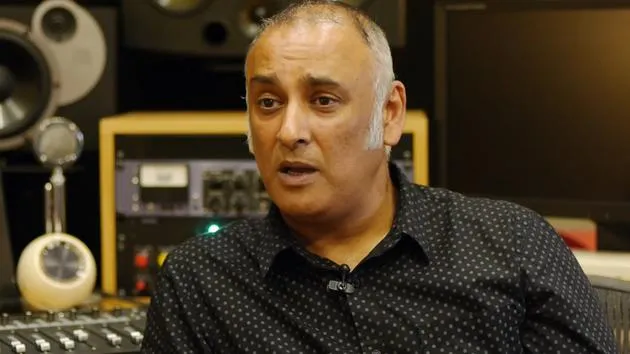
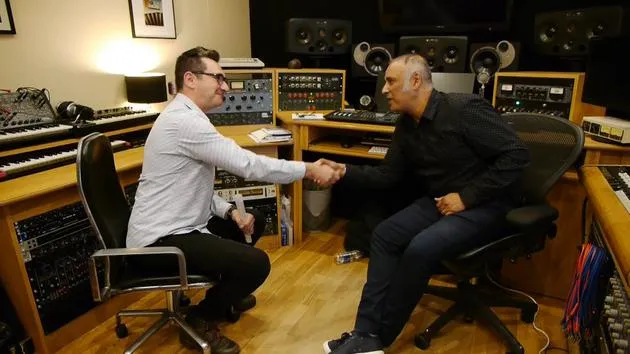
02. Entrevista con Dan Mallender (Phase Music) - Música, promos y tráilers para las industrias de TV, radio, cine y videojuegos
Estás aquí16:04
03. Entrevista con Rachel Menzies - Supervisión musical
11:19
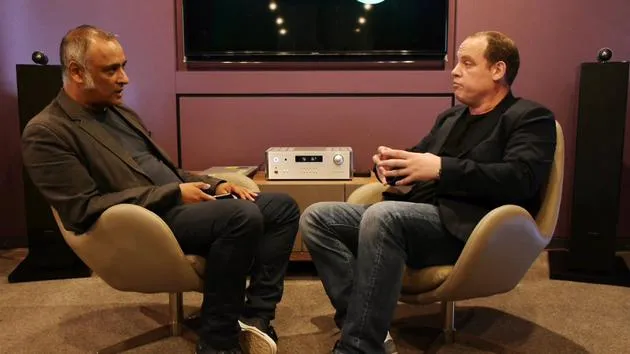
04. Entrevista con Richard Ford (Anger Music) - Trabajar con compositores
16:23
05. Entrevista con Stuart Belsham - Descubre la PRS
37:15
06. Entrevista con Alessio Nanni (vía Skype) - Pianista y compositor
15:02
07. Entrevista con Rob Manning (por Skype) - Compositor de cine y TV
15:23
08. Entrevista con Xiaotian Shi (por Skype) - Compositor de cine y TV
18:40
Transcripción de la lección
Music Lesson with Dan Malladutt
Welcome, Dan.
Thanks, Dan. So, can you explain to everyone who you are and what you do?
Dan:
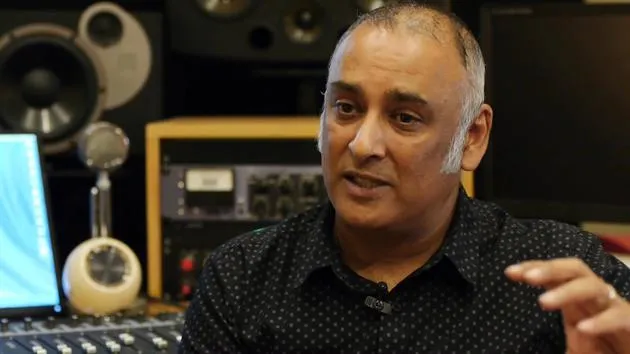
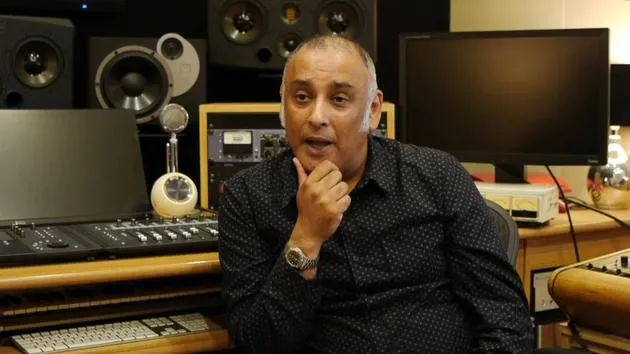
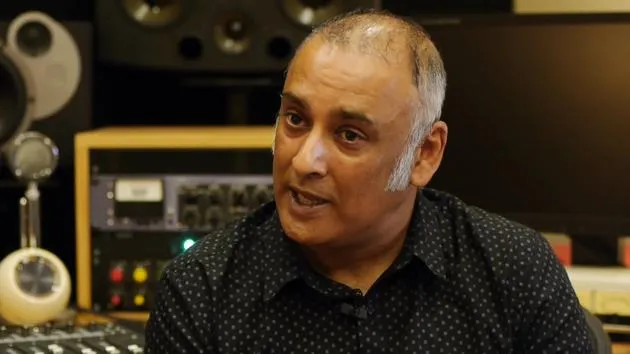
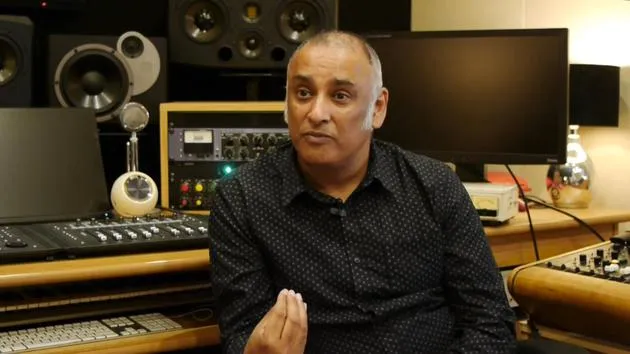
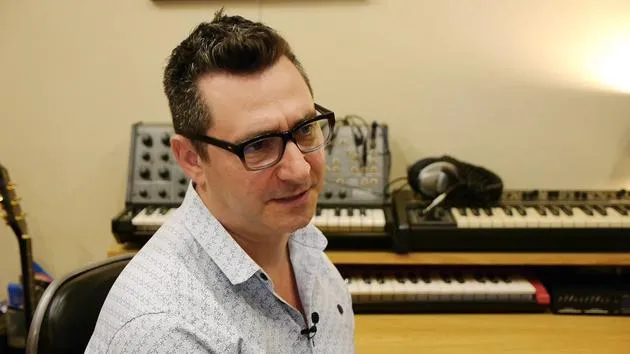
Yeah, sure. My name is Dan Malladutt. I run a company called Faze Music. I'm a composer and producer, and Faze Music provides music for television, radio, film, and gaming industries. Recently, we've started specifically focusing on doing promos and trailers.
Interviewer:
What was the last promo that you did or one that would be a good example?
Dan:
Well, a few good examples are for some recent Sky Atlantic dramas.
- Fortitude: A Sky Atlantic original drama
- The Last Panthers: A Warp Films production featuring John Hurt
- The Tunnel: Another Sky Atlantic drama series
Interviewer:
How did you write it? What was the process for that? Were they bespoke pieces or libraries?
Dan:
Well, working with Sky is quite unique because they have their own in-house production music library called Satvi, which they try to populate their programs and promos with library music from that catalogue. We provide quite a lot of catalogue for them throughout the year. For the bigger jobs, like Fortitude, they needed a bespoke piece of music that suited the identity they wanted to create for that drama.
The Process:
- We did the whole campaign consisting of three different promos or trailers, each cut differently.
- The publisher acts as an intermediary between ourselves, the producer, and the director.
When explaining our work, we like to say that we are a music design company. We receive a specific brief via the publisher, sometimes accompanied by a temp track. A temp track is when a rough edit of the trailer is put together using pre-existing music from a film or an album that they like. Often, the brief will include feedback like, "We really like this sound at the beginning, but the rest is rubbish," along with some constructive notes.
The process is really about feedback. We'll do a first draft to picture because, with promos, it's important that they usually have three acts: a beginning, middle, and end. The music needs to reflect that and any action present in the promo. It's a creative back-and-forth process between composers and producers/directors, which can take time.
Interviewer:
How long does that process take? Is there a lot of toing and froing with edits?
Dan:
Yes, there is a lot of toing and froing. There are many edits. There's always a deadline because there is a broadcast date for these things. From my experience, people tend to get less picky the closer it is to the air date, while they like to explore different creative possibilities when there's more time. On average, I'd say it takes about a month.
Interviewer:
Is that longer than other areas within music, TV, and library?
Dan:
Yes, it is.
Interviewer:
Do you have a lot of influence on the musical direction?
Dan:
Massively. It's usually a chicken-and-egg situation. Producers or directors often ask us to do it because they know what we are likely to deliver. They have specific things they want, either in terms of hitting certain points in the promo or capturing a general feel. For Fortitude, for example, they wanted to build an overwhelming sense of tension, combined with sound design that represented the geographical setting in the Arctic Circle.
Interviewer:
Have they shot any of Fortitude before your involvement? Did that help in the writing process?
Dan:
Absolutely! By the time we come on board for the promos, the whole series is usually in the can, and they have rough cuts of what they want the trailers to look like. They generally have a clear idea of what they want.
Interviewer:
In terms of sound creation, are there specific software or apps you use?
Dan:
Yes, we use Logic as our digital audio workstation of choice. It's a stalwart of music production. In the last 20 years, we've noticed a move away from outboard gear. We used to have a huge mixing desk that we eventually covered and just displayed when clients visited, but everything is mostly all in the box now.
In the Box:
This means that all writing, recording, and mixing is done by the computer. Much of our recorded work tends to be with single instruments: vocals, guitars, bass guitars, and brass. We do still record live but typically just straight into the computer with minimal converters.
For full orchestral recordings, for instance, we fly out to Budapest, record an orchestra for two days, and fly back.
Interviewer:
How did you get into this business?
Dan:
I run Faze Music with two friends, Tom Hill and Dan Burrows. We've been writing music together since we were 14. We started as a rock funk band and evolved into doing drum and bass and live electronic music. Each of us brings different skills to the table.
- I'm a brass player with an orchestral background.
- Tom is a session keys guy.
- Dan is an amazing guitarist.
We all share a passion for engineering and producing, which is crucial for building a career in the modern media composer production world.
If you can find someone you can collaborate with, the challenges you can take on as a team broaden your market.
Interviewer:
Would you advise people to have a showreel?
Dan:
Definitely!
Interviewer:
How would they go about creating one? Is there software to help sync audio to video?
Dan:
Yes, it's relatively straightforward now. There are many software options available. If you want strong creative control, you can use something like iMovie or Final Cut Pro. However, it might be worth collaborating with budding editors or directors, as that can strengthen both your network and the creative output.
When we first moved to London, we posted notices on the London Film School's student notice board offering our services for final projects. Creative collaboration is key.
Interviewer:
Did those early collaborations lead to lasting relationships?
Dan:
Definitely! For example, a guy we worked with, Colin Teague, was just finishing his film school project 15-20 years ago, and he has gone on to direct Doctor Who and feature films. We just completed a project for Sky with him, and we're still working together.
Interviewer:
Any current or exciting projects coming up?
Dan:
Yes, some really exciting stuff! We've just done all the music for the Open Golf. We're also working on a new comedy series called Zapped and just finished another series for Sky called Little Startup, which has been fun.
Interviewer:
Does having three of you help with different types of projects?
Dan:
Absolutely! Each person can bring something unique to the project. Creativity isn't like a tap that you can just turn on and off. It's great to have someone to pass an idea to and get fresh input.
One important aspect of creative collaboration is checking egos at the door. It's easy to get attached to your own creative output and overly sensitive to critiques. You need to be open to feedback.
Interviewer:
What other advantages does collaboration offer?
Dan:
Sharing all of your responsibilities, including finances, rent, equipment, and networks, makes it easier to manage. While you do share the income, it also allows for taking on bigger jobs and completing projects more efficiently.
Right now, we're working on trailer albums for APM and Push up in the States, as well as three albums for UK broadcasters. With three people, we can manage that quite easily!
Interviewer:
Well, Dan, thank you very much for coming in. I really appreciate your time, and good luck with your future projects!
Dan:
Thank you very much! Cheers!
21 lecciones
4h 21m de lecciones en vídeo estructuradas
Funciones de vídeo avanzadas
Ralentiza, repite un pasaje, sigue la partitura
Móvil, tablet y ordenador
Practica donde quieras
Garantía de satisfacción 100%
30 días de garantía de devolución
Conoce a tu gurú
Conoce a tu gurú
Jay Mistry es un veterano de la industria musical con 30 años de trayectoria y domina la mayoría de los aspectos del negocio de la música.
Jay comenzó su carrera en la Performing Right Society antes de incorporarse a BMG Music Publishing, donde se le pidió que montara el departamento de seguimiento de ingresos desde cero. En 2003 constituyó Musical Sleuth Ltd, el primer servicio independiente de seguimiento de royalties de su clase, que tuvo entre sus clientes a Eric Clapton y The Beatles.
Tras dominar las complejidades del copyright y los royalties, se pidió a Jay que se convirtiera en Director of Music Services en The Discovery Channel en 2009. Su éxito en Discovery llevó a los emprendedores neoyorquinos Jingle Punks a incorporarlo para montar y estabilizar su operación de edición en EE. UU. mientras construían su red global de recaudación. Jay asesora actualmente a una variedad de compositores de alto nivel, bibliotecas musicales, productores de cine, editoriales y plataformas tecnológicas.
En A Guide To Music Publishing And Synchronization, Jay destila tres décadas desde dentro del negocio en una orientación clara y práctica, mostrándote cómo funcionan realmente la edición, el copyright, los royalties y los acuerdos de sync, y cómo hacer que trabajen a tu favor.







