



Entrevista con Richard Ford (Anger Music) - Trabajar con compositores

Con
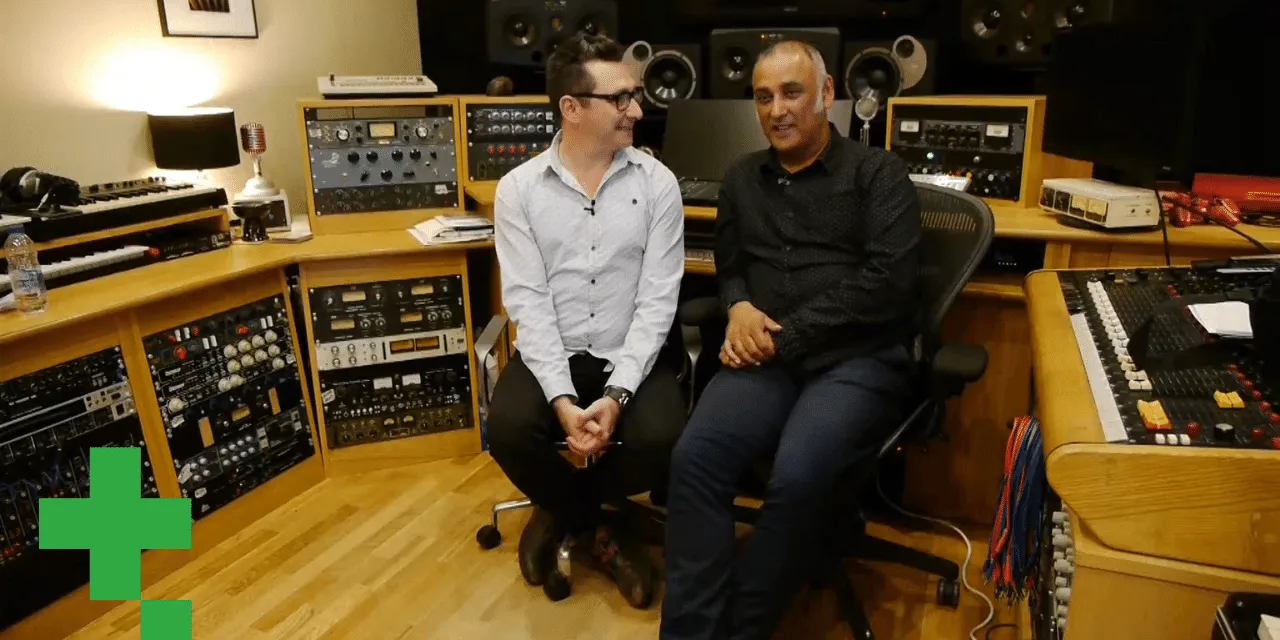
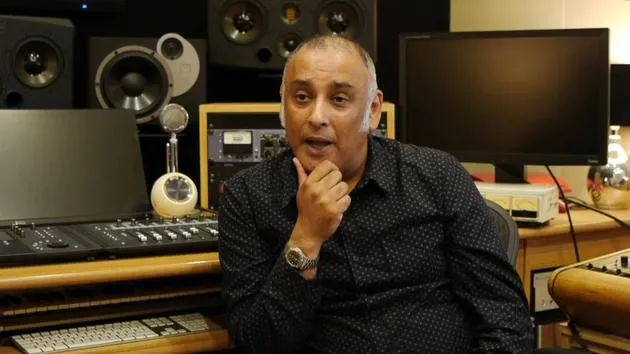
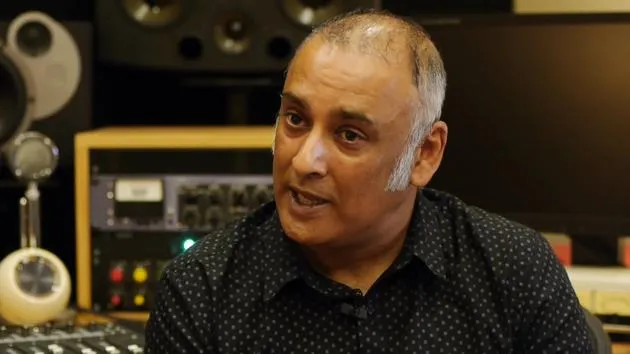
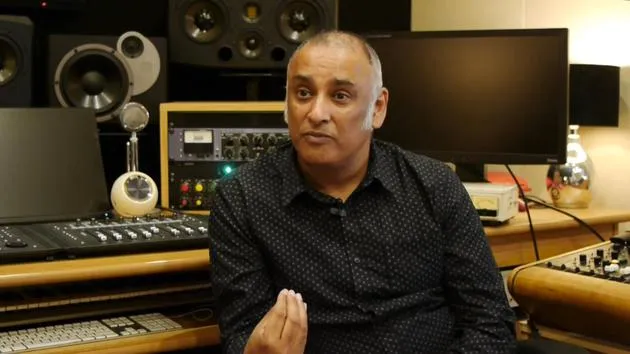
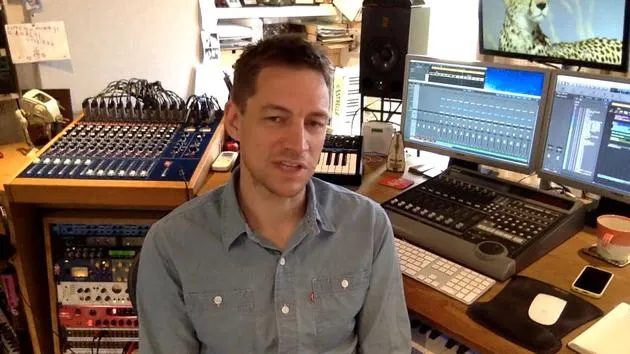
Jay MistryRichard Ford de Anger Music explica la diferencia entre música de librería y música a medida, y lo que hace falta para dirigir una productora que suministra música para televisión y publicidad.
Qué incluye el curso
21 lecciones (4h 21m) · 1 gratis
01. Introducción con Harry Leckstein y Jay Mistry
11:37
02. Una breve historia de la edición musical
6:10
03. Copyright (tipos de derechos) y royalties
Lección gratis11:19
04. Consejos para artistas: cobrar y trabajar con editoriales
15:35
05. Anticipos, exclusividad y tipos de contratos editoriales
14:27
06. Empezar por tu cuenta
3:01
07. El mercado de los videojuegos
2:55
08. Entender los contratos de edición musical
11:51
09. El mundo del Sync
8:23
10. Branding sonoro y qué es un brief. Caso práctico: Ollie Raphael
3:54
11. Descifrador de la jerga del Sync y desmontador de mitos
8:38
12. Entender los roles dentro de la industria de la TV y el cine
11:43
13. Últimos consejos
9:43
01. Entrevista con Ollie Raphael: Delicious Digital y el trabajo con la radio
11:38
02. Entrevista con Dan Mallender (Phase Music) - Música, promos y tráilers para las industrias de TV, radio, cine y videojuegos
16:04
03. Entrevista con Rachel Menzies - Supervisión musical
11:19
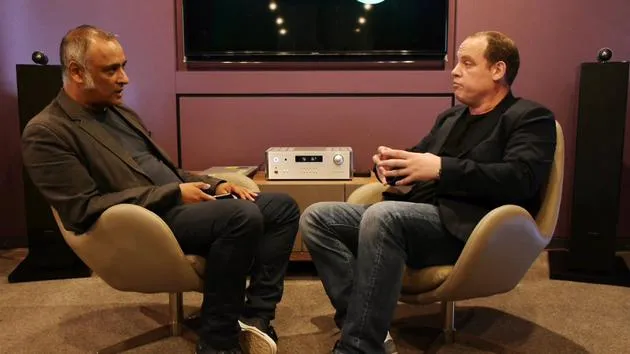
04. Entrevista con Richard Ford (Anger Music) - Trabajar con compositores
Estás aquí16:23
05. Entrevista con Stuart Belsham - Descubre la PRS
37:15
06. Entrevista con Alessio Nanni (vía Skype) - Pianista y compositor
15:02
07. Entrevista con Rob Manning (por Skype) - Compositor de cine y TV
15:23

08. Entrevista con Xiaotian Shi (por Skype) - Compositor de cine y TV
18:40
Transcripción de la lección
Music Lesson with Richard Ford
Welcome, Rich. Thank you. Welcome to Targaryen.
First of all, who are you? What do you do?
My name is Richard Ford. I own Anger Music, which is a music company that we do a lot of bespoke music and we have a catalogue of library music, MCPS Registered Library Music.
And what's the difference between library music and bespoke?
-
Bespoke Music:
A client approaches us wanting something unique, composed specifically for their film, advert, or project. -
Library Music:
We have a catalogue of existing tracks. Clients can browse the site, look through the available tracks, and choose something that fits their needs.
What sort of areas of music do you work in?
Well, we cover a lot of TV broadcasters:
- Sky
- BT
- Channel 4
- BBC
- ITV
We also cater to radio and have numerous clients involved in online and TV advertising, as well as film trailers.
How do you promote yourself?
It's a matter of experience. I've been in the music industry for quite some time with a background in record labels, which helped me build contacts.
-
Natural Progression:
We began receiving requests to use our music in film and TV, which led us down the publishing path. -
Networking:
Contacts are vital, along with a strong website that allows clients to audition tracks and search via keywords by genres.
And also, do you have album artwork?
Yes, because of our background in the record company scene, we approach each album as if it were a commercial release. We ensure the artwork resembles what you'd see on iTunes or in record shops.
You described yourself as a boutique company. How important is marketing and getting your name out there?
We target impactful music that makes a statement. It's essential to be known for this specific niche.
- Target Audience:
Rather than attempting to reach every TV producer, we focus on those involved in action sports and promotions.
Does this reflect on the composers you work with, and how many composers do you collaborate with?
We work with about 25 composers. For bespoke jobs, about 10 composers are our go-to choice.
- Gravitating Towards Styles:
We gravitate toward music we enjoy because it motivates us to work harder.
How do you manage the expectations of these composers while also receiving client briefs?
Each of our composers has unique strengths, and we align briefs with those strengths.
- Creative Collaboration:
We have constant communication regarding client feedback and changes, ensuring the final product aligns with the initial vision.
What projects have you enjoyed working on?
One project that stands out was for Guinness, involving a live laser map projection show in London.
-
Challenges:
The project had a tight deadline with many last-minute changes, including a 3 AM phone call about adding a voiceover that had to be recorded and mixed by 11 AM. -
Event Production Music:
Live events are rising in importance, paralleling the effort put into lighting and overall production.
What are the strangest requests you've received?
While there's no standout strange request, we often receive briefs that describe music in abstract terms, like colors or feelings.
- Clarification is Key:
It's crucial to ask for clarification and ensure both parties understand each other.
What are you currently working on?
We are currently working on projects for:
- McLaren
- Pirelli
- An undisclosed insurance company (subject to an NDA)
- The National War Museum
We are also putting the finishing touches on three albums this week.
Can you explain why you might have to sign an NDA?
An NDA is often required for projects involving big launches or pre-release material to ensure confidentiality.
- Trust Factor:
A lot of trust is placed in us, given that we often work with sensitive information that cannot be leaked.
What are your feelings on the music industry?
There are always changes in the industry.
- Adaptation:
It's essential to adapt as the landscape shifts. While there may be increased content and competition driving budgets down, there are also more opportunities available.
In terms of bespoke music, do you retain ownership?
It depends on the deal:
- Exclusive Tracks:
If a client wants something exclusive, it reflects in the price. - Library Tracks:
Library music is generally more affordable, but it can be reused multiple times by different clients.
Thank you, Richard.
Thanks for coming and discussing this with me!
21 lecciones
4h 21m de lecciones en vídeo estructuradas
Funciones de vídeo avanzadas
Ralentiza, repite un pasaje, sigue la partitura
Móvil, tablet y ordenador
Practica donde quieras
Garantía de satisfacción 100%
30 días de garantía de devolución
Conoce a tu gurú
Conoce a tu gurú
Jay Mistry es un veterano de la industria musical con 30 años de trayectoria y domina la mayoría de los aspectos del negocio de la música.
Jay comenzó su carrera en la Performing Right Society antes de incorporarse a BMG Music Publishing, donde se le pidió que montara el departamento de seguimiento de ingresos desde cero. En 2003 constituyó Musical Sleuth Ltd, el primer servicio independiente de seguimiento de royalties de su clase, que tuvo entre sus clientes a Eric Clapton y The Beatles.
Tras dominar las complejidades del copyright y los royalties, se pidió a Jay que se convirtiera en Director of Music Services en The Discovery Channel en 2009. Su éxito en Discovery llevó a los emprendedores neoyorquinos Jingle Punks a incorporarlo para montar y estabilizar su operación de edición en EE. UU. mientras construían su red global de recaudación. Jay asesora actualmente a una variedad de compositores de alto nivel, bibliotecas musicales, productores de cine, editoriales y plataformas tecnológicas.
En A Guide To Music Publishing And Synchronization, Jay destila tres décadas desde dentro del negocio en una orientación clara y práctica, mostrándote cómo funcionan realmente la edición, el copyright, los royalties y los acuerdos de sync, y cómo hacer que trabajen a tu favor.







