



Entrevista con Rob Manning (por Skype) - Compositor de cine y TV
Con
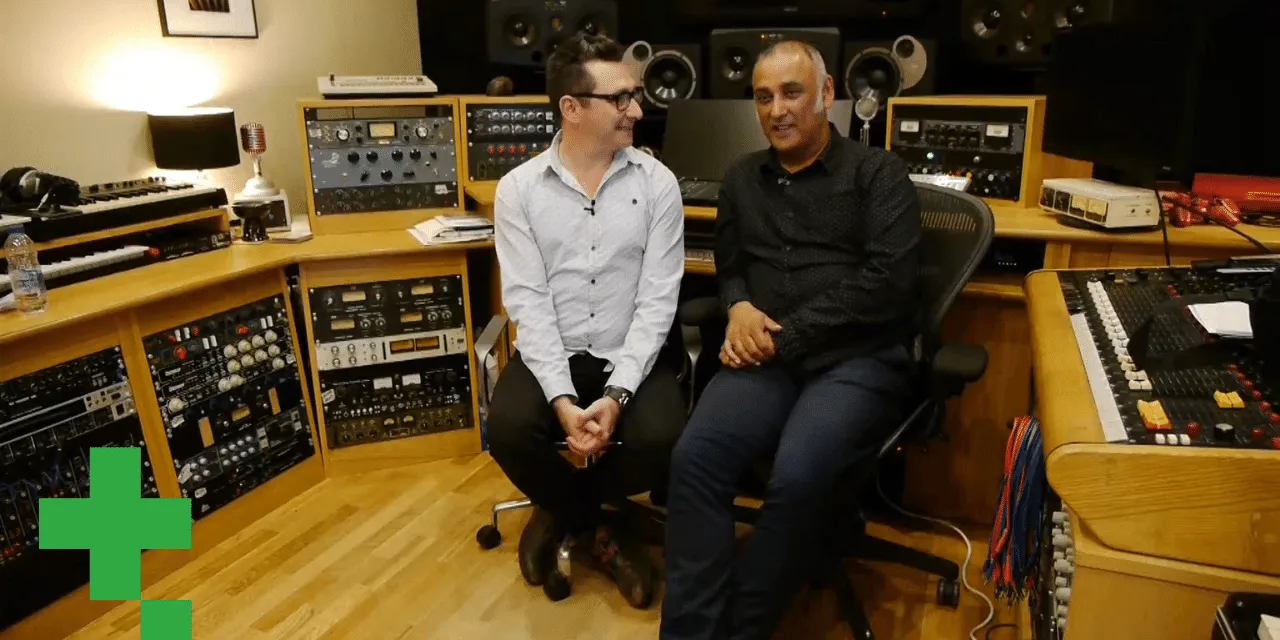
Jay MistryEl compositor de cine y TV Rob Manning habla con Jay Mistry sobre poner música a documentales: cómo surgen los proyectos, cómo compone y consejos para abrirse camino en el sector.
Qué incluye el curso
21 lecciones (4h 21m) · 1 gratis
01. Introducción con Harry Leckstein y Jay Mistry
11:37
02. Una breve historia de la edición musical
6:10
03. Copyright (tipos de derechos) y royalties
Lección gratis11:19
04. Consejos para artistas: cobrar y trabajar con editoriales
15:35
05. Anticipos, exclusividad y tipos de contratos editoriales
14:27
06. Empezar por tu cuenta
3:01
07. El mercado de los videojuegos
2:55
08. Entender los contratos de edición musical
11:51
09. El mundo del Sync
8:23
10. Branding sonoro y qué es un brief. Caso práctico: Ollie Raphael
3:54
11. Descifrador de la jerga del Sync y desmontador de mitos
8:38
12. Entender los roles dentro de la industria de la TV y el cine
11:43
13. Últimos consejos
9:43
01. Entrevista con Ollie Raphael: Delicious Digital y el trabajo con la radio
11:38
02. Entrevista con Dan Mallender (Phase Music) - Música, promos y tráilers para las industrias de TV, radio, cine y videojuegos
16:04
03. Entrevista con Rachel Menzies - Supervisión musical
11:19
04. Entrevista con Richard Ford (Anger Music) - Trabajar con compositores
16:23
05. Entrevista con Stuart Belsham - Descubre la PRS
37:15
06. Entrevista con Alessio Nanni (vía Skype) - Pianista y compositor
15:02
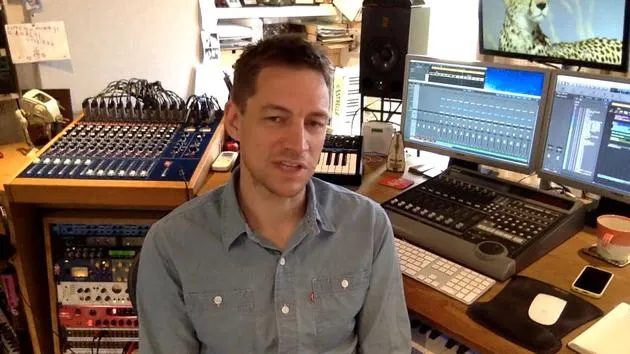
07. Entrevista con Rob Manning (por Skype) - Compositor de cine y TV
Estás aquí15:23
08. Entrevista con Xiaotian Shi (por Skype) - Compositor de cine y TV
18:40
Transcripción de la lección
Music Composition Insights with Rob Manning
Introduction
Hi, Rob, thanks for joining us from your studio. How are you doing?
Rob: I'm doing well, thanks, Jay. How you doing?
Jay: I'm good, thank you.
Who is Rob Manning?
Jay: First of all, can you explain to everyone who you are and what you do?
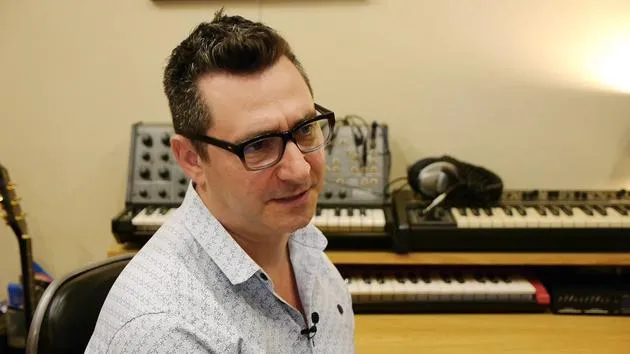
Rob: Yeah. I'm Rob Manning and I am a film and TV composer. I specialize mainly in documentaries.
Path to Composing
Jay: How did you get into working in this business?
Rob: I kind of came in through the side door. I was working as a location sound recordist in TV for about 10 years before getting my first composing commission.
- While on a job somewhere in Europe, some of my music came on my iPod, and the director I was working with liked it and asked me to do some stuff they were doing.
- There were huge gaps between my composing commissions at first.
- As the bands I was in fell apart, I started to look at composing as another way to keep in music and enjoy music.
It took a long while to narrow the gaps between commissions, and I was juggling two jobs for quite a while, but eventually, I was able to retire the boom pole and concentrate on composing full-time.
Specialization in Documentaries
Jay: Is there a particular genre that you specialize in?
Rob: Yeah, I end up doing a lot of documentaries. I've done bits and bobs in commercials and dramas, but documentaries are what I tend to do a lot of, and I like them.
Documentaries are great; they are massively varied and you often learn a lot. They're often quite touching, which is a nice thing to be involved in.
Case Study: Deadly Islands
Jay: If we talk about one of your docs, for example, I think it's called Deadly Islands. How did that project come about?
Rob: One second, let me just do that. Deadly Islands was a series for Discovery.
- I had previously worked with the series producer on another fairly large-scale documentary series for Discovery.
- They took me from one job onto the next. It was as simple as that.
Jay: So, they knew you already and thought, "This is the guy for the job"?
Rob: Yes. My first meeting with that series producer was on a previous job, and the production company had brought me onto that initial job.
- That job obviously went well in the eyes of the producer.
- For her next project, she was doing another series with Discovery and asked me to take part in that as well.
You build relationships with these people, and as they move and take their next jobs, they often take you with them.
Starting a Project
Jay: After you got the job, where do you start? Do you have the finished versions and write the music to it, or do you do it as you go along? How does it work?
Rob: Well, within TV, there are slightly more organized jobs that call you in advance, and then there are others that, for some unknown reason, call you much later on.
In general:
- You start with an initial meeting, chatting through a brief, a style, and a sound.
- Whether it's a big orchestral dramatic piece or a very intimate acoustic sound will determine a different approach.
- If they have footage to show you, you can see the locations, characters, and pacing within the editing.
If they're not at that stage, and you're just talking about a script or ideas, you can start working with whatever references they've got.
Importance of References
Jay: We've heard a lot in previous conversations about references. How important are they when you're composing?
Rob: References are key and really important because music is subjective and can be hard to discuss.
- Some people might interpret a piece of music as "blue," while others might feel it is "green."
- It can lead to long lists of adjectives being exchanged without clarity.
Having something to look at or some temp music as a reference can help clarify preferences.
Deadly Islands: The Process
Jay: With regard to Deadly Islands: you started working on it. How long does that process take?
Rob: Deadly Islands was a five-part wildlife series.
- From our initial conversations, it was clear they wanted something fairly epic, cinematic, and dramatic.
- We had a budget to record with a live orchestra, which meant considering practical aspects, like amount and type of musicians, recording dates, and bookings.
As the editing progresses, the score develops hand in hand with it.
We probably worked on it for about three to four months.
Working Multiple Projects
Jay: If you've composed a piece of music for a particular part of a show and you're waiting for feedback, what do you do? Do you work on multiple projects?
Rob: Yes, you're more than likely going to have more than one job on the go.
- Generally, no one job pays enough to work solely on one.
- Even if you're busy with a series, you're likely to be catching up and working on multiple scenes until the end, up to the post-production phase.
Favorite Projects
Jay: Let's end with your favorite program you've worked on, one that you enjoyed both the process and the outcome.
Rob: My favorite jobs change fairly regularly. Recently, I worked on a feature doc called Chuck Norris versus Communism, which I co-composed with my friend Annikitin.
- It was informative and enjoyable, with a film noir score and rich sound design.
I've also done a small-scale BBC3 documentary that was touching and memorable.
Advice for Aspiring Composers
Jay: Any advice for budding composers out there?
Rob: For anyone starting in composing: just keep going if it's something you know you want to do.
- Gain real experience.
- Learn the equipment, terminology, and creative language.
- Make connections with filmmakers, look at universities or filmmaking courses to connect with new filmmakers.
Building relationships with emerging filmmakers might be more fruitful than trying to break into established networks.
Jay: Great advice. Thank you, Rob.
Rob: Pleasure very much. Good luck with all your future projects!
Jay: Thanks a lot. Take care.
Rob: Cheers. Bye.
21 lecciones
4h 21m de lecciones en vídeo estructuradas
Funciones de vídeo avanzadas
Ralentiza, repite un pasaje, sigue la partitura
Móvil, tablet y ordenador
Practica donde quieras
Garantía de satisfacción 100%
30 días de garantía de devolución
Conoce a tu gurú
Conoce a tu gurú
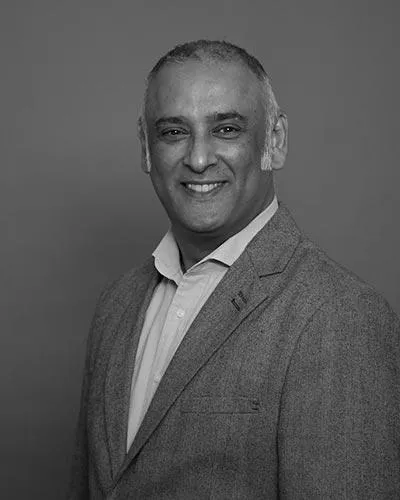
Jay Mistry es un veterano de la industria musical con 30 años de trayectoria y domina la mayoría de los aspectos del negocio de la música.
Jay comenzó su carrera en la Performing Right Society antes de incorporarse a BMG Music Publishing, donde se le pidió que montara el departamento de seguimiento de ingresos desde cero. En 2003 constituyó Musical Sleuth Ltd, el primer servicio independiente de seguimiento de royalties de su clase, que tuvo entre sus clientes a Eric Clapton y The Beatles.
Tras dominar las complejidades del copyright y los royalties, se pidió a Jay que se convirtiera en Director of Music Services en The Discovery Channel en 2009. Su éxito en Discovery llevó a los emprendedores neoyorquinos Jingle Punks a incorporarlo para montar y estabilizar su operación de edición en EE. UU. mientras construían su red global de recaudación. Jay asesora actualmente a una variedad de compositores de alto nivel, bibliotecas musicales, productores de cine, editoriales y plataformas tecnológicas.
En A Guide To Music Publishing And Synchronization, Jay destila tres décadas desde dentro del negocio en una orientación clara y práctica, mostrándote cómo funcionan realmente la edición, el copyright, los royalties y los acuerdos de sync, y cómo hacer que trabajen a tu favor.







