



Anticipos, exclusividad y tipos de contratos editoriales

Con
Jay Mistry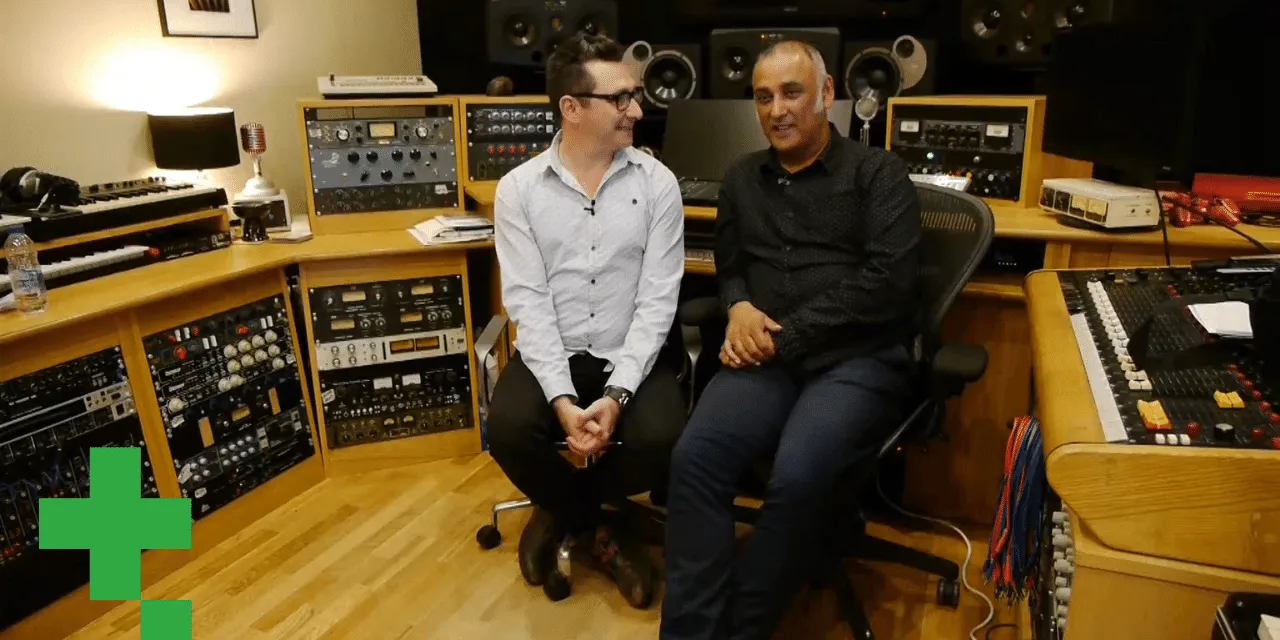
Qué incluye el curso
21 lecciones (4h 21m) · 1 gratis
01. Introducción con Harry Leckstein y Jay Mistry
11:37
02. Una breve historia de la edición musical
6:10
03. Copyright (tipos de derechos) y royalties
Lección gratis11:19
04. Consejos para artistas: cobrar y trabajar con editoriales
15:35
05. Anticipos, exclusividad y tipos de contratos editoriales
Estás aquí14:27
06. Empezar por tu cuenta
3:01
07. El mercado de los videojuegos
2:55
08. Entender los contratos de edición musical
11:51
09. El mundo del Sync
8:23
10. Branding sonoro y qué es un brief. Caso práctico: Ollie Raphael
3:54
11. Descifrador de la jerga del Sync y desmontador de mitos
8:38
12. Entender los roles dentro de la industria de la TV y el cine
11:43
13. Últimos consejos
9:43
01. Entrevista con Ollie Raphael: Delicious Digital y el trabajo con la radio
11:38
02. Entrevista con Dan Mallender (Phase Music) - Música, promos y tráilers para las industrias de TV, radio, cine y videojuegos
16:04
03. Entrevista con Rachel Menzies - Supervisión musical
11:19
04. Entrevista con Richard Ford (Anger Music) - Trabajar con compositores
16:23
05. Entrevista con Stuart Belsham - Descubre la PRS
37:15
06. Entrevista con Alessio Nanni (vía Skype) - Pianista y compositor
15:02
07. Entrevista con Rob Manning (por Skype) - Compositor de cine y TV
15:23
08. Entrevista con Xiaotian Shi (por Skype) - Compositor de cine y TV
18:40
Transcripción de la lección
Understanding Publishing Deals for Artists and Composers
So we've talked quite a lot about why an artist or composer would sign to a publisher. Let's get into some of the details about what kind of deals they could sign with a publisher.
Types of Deals
Exclusive Deal
- An exclusive deal typically means you're signed to a publisher for a specific period.
- There is usually an advance involved, though these days, advances are often smaller compared to the past.
- The purpose of the advance is:
- To allow you to focus on producing music without the need for a day job.
- To cover living expenses while you work on your music.
"The publisher has to believe in you to give you enough money to do that."
- The advance is like a loan; it must be paid back through the profits generated by the music you produce.
Single Song Assignment
- In some cases, a publisher might want to sign a composer or songwriter for just one song to test the waters.
- This is essentially a shortened version of the exclusive deal, allowing composers to engage with different publishers for single tracks.
"It gives them flexibility to try multiple publishers with different songs and determine which relationship works best."
Administration Deal
- An administration deal is for composers with their own publishing company but lacking global representation.
- The deal allows a larger publisher to manage royalties, registration, and collections on your behalf for a fee.
"They do the behind-the-scenes tasks while you handle outward selling."
Co-Publishing Deal
- A co-publishing deal allows a composer to retain some rights while sharing the profits:
- 50% to the composer
- 25% to the publishing company handling administration
- 25% to the composer's own publishing company.
"This can be beneficial depending on the composer's negotiating power."
Note: Co-publishing deals are often more suitable for composers further along in their careers.
Purchase Agreement
- A purchase agreement involves a publisher buying your publishing rights outright.
- You may receive a percent of income back, but the publisher will own everything.
"This is a transfer of ownership, unlike other deals that involve assigning rights."
Collection Agreement
- A collection agreement is where one publisher manages the collection of royalties for another without exploiting the rights.
- This is typically for a small percentage, such as 10%.
"Useful for specific songs gaining traction in territories where royalties need to be collected."
Negotiating Advances
- The timing of when to ask for an advance usually depends on your leverage.
- If there is pre-existing interest in your music or you have potential earnings already identified, you are in a stronger position to negotiate an advance.
"Assess your living expenses and provide realistic numbers when negotiating."
Working Relationship with Publishers
Once a contract is signed, the nature of your relationship with the publisher can vary based on their size and engagement level:
- Smaller publishers may allow more direct interaction and support.
- Larger publishers might connect you with other songwriters, placing you in songwriter camps for collaboration.
- The focus should always be on fostering creativity:
"Signing with an engaged publisher can provide environments that encourage creative exploration."
Conclusion
Understanding the different types of publishing deals is crucial for artists and composers in managing their careers effectively. A smart choice in collaboration can lead to mutually beneficial creative endeavors, allowing artists the freedom to explore their musical talents while ensuring that their work is monetized effectively.
21 lecciones
4h 21m de lecciones en vídeo estructuradas
Funciones de vídeo avanzadas
Ralentiza, repite un pasaje, sigue la partitura
Móvil, tablet y ordenador
Practica donde quieras
Garantía de satisfacción 100%
30 días de garantía de devolución
Conoce a tu gurú
Conoce a tu gurú
Jay Mistry es un veterano de la industria musical con 30 años de trayectoria y domina la mayoría de los aspectos del negocio de la música.
Jay comenzó su carrera en la Performing Right Society antes de incorporarse a BMG Music Publishing, donde se le pidió que montara el departamento de seguimiento de ingresos desde cero. En 2003 constituyó Musical Sleuth Ltd, el primer servicio independiente de seguimiento de royalties de su clase, que tuvo entre sus clientes a Eric Clapton y The Beatles.
Tras dominar las complejidades del copyright y los royalties, se pidió a Jay que se convirtiera en Director of Music Services en The Discovery Channel en 2009. Su éxito en Discovery llevó a los emprendedores neoyorquinos Jingle Punks a incorporarlo para montar y estabilizar su operación de edición en EE. UU. mientras construían su red global de recaudación. Jay asesora actualmente a una variedad de compositores de alto nivel, bibliotecas musicales, productores de cine, editoriales y plataformas tecnológicas.
En A Guide To Music Publishing And Synchronization, Jay destila tres décadas desde dentro del negocio en una orientación clara y práctica, mostrándote cómo funcionan realmente la edición, el copyright, los royalties y los acuerdos de sync, y cómo hacer que trabajen a tu favor.







